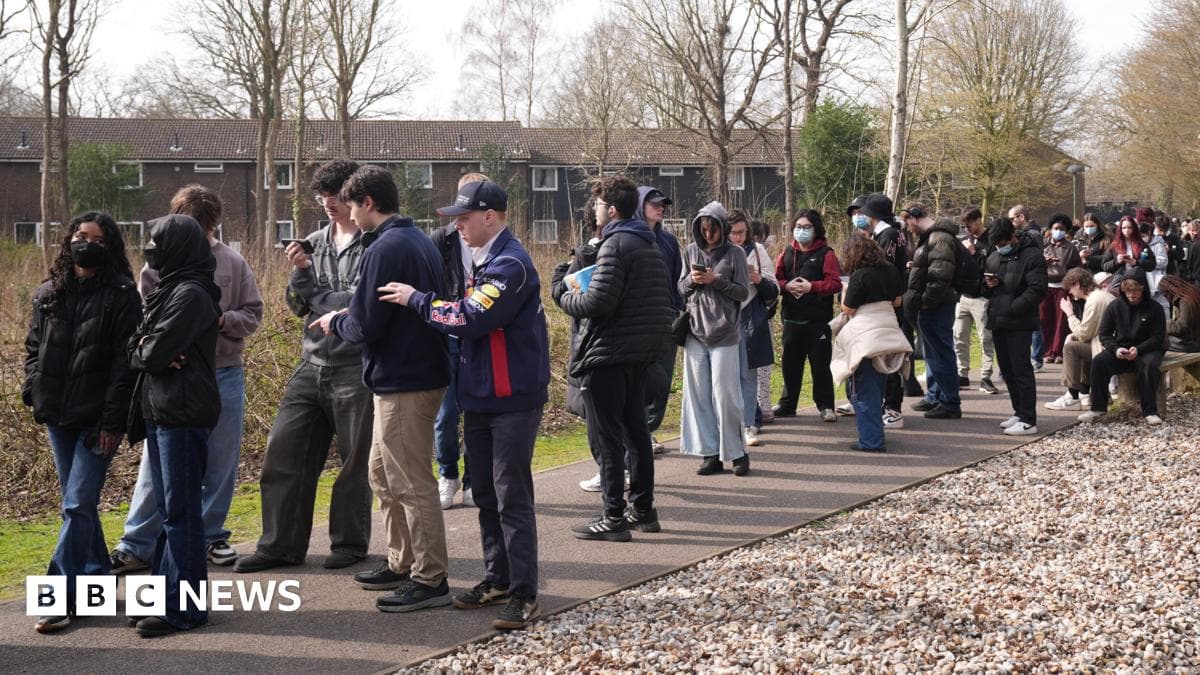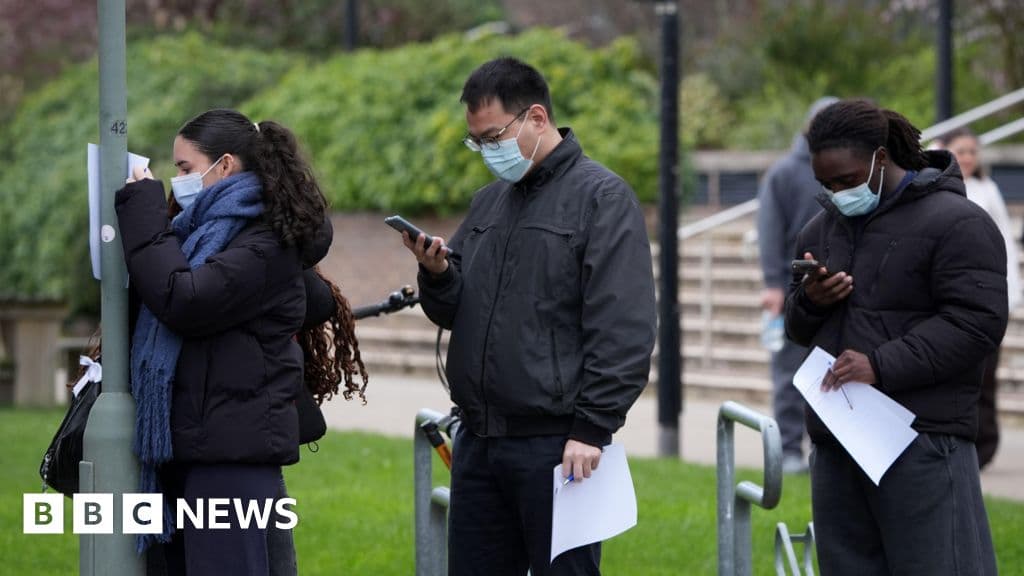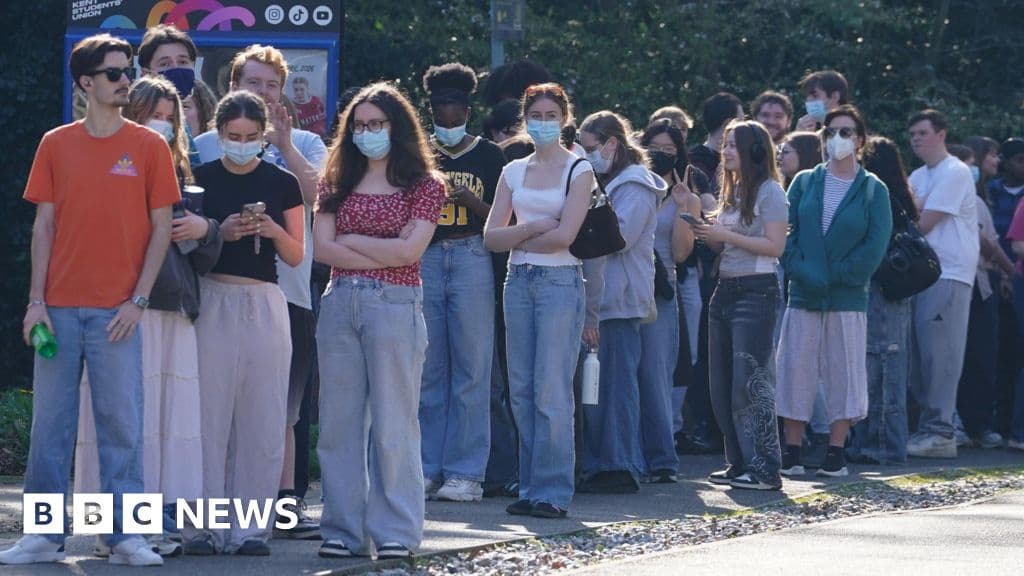
Students at the University of Kent faced hours-long waits for meningitis B (MenB) vaccines on Thursday as health officials raced to contain a rapidly spreading outbreak linked to a Canterbury nightclub. The UK Health Security Agency (UKHSA) confirmed 27 cases—up from 20 the previous day—including two deaths: a 21-year-old university student and an 18-year-old sixth-former. With long queues forming at campus clinics and vaccination sites overwhelmed, officials expanded eligibility to anyone who attended Club Chemistry between March 5 and 15, as well as sixth-form students in Kent and those prescribed preventative antibiotics.
- 27 confirmed or suspected meningitis cases linked to Club Chemistry in Canterbury, including two fatalities.
- UKHSA expands MenB vaccination eligibility to all nightclub attendees and affected students, with over 1,600 doses administered by Thursday evening.
- Health Secretary Wes Streeting urges calm, noting the risk remains 'extremely low' despite public fear.
- Canterbury businesses report cancellations and lost revenue as the outbreak disrupts daily life.
- UKHSA warns doctors to watch for meningitis symptoms, calling the strain's spread 'unprecedented.'
How the Deadly Meningitis Outbreak Unfolded in Canterbury
From Nightclub to Campus: The Outbreak’s Origins
The meningitis B outbreak traces back to Canterbury’s Club Chemistry, a nightclub frequented by students from the University of Kent and nearby sixth forms. The UKHSA identified the exposure window as March 5–15, during which at least 27 individuals—primarily young adults—developed confirmed or probable meningococcal disease, a bacterial infection that can lead to life-threatening meningitis or septicemia. Two victims, both under 25, died from complications, while several others, including three University of Kent cheerleaders, remain hospitalized. A staff member at supermarket chain Morrisons, who also attended the club, was among those infected, highlighting the outbreak’s community-wide impact.
Public health officials confirmed the strain driving the outbreak has circulated in the UK for five years but noted its sudden surge in Canterbury as ‘unprecedented.’ Prof. Susan Hopkins, UKHSA’s chief executive, told the BBC she had ‘never seen such an explosive start to a meningitis outbreak.’ The bacteria’s rapid spread among a densely connected population—students and young adults—likely contributed to its intensity, though the exact transmission route remains under investigation.
Cases Spread Beyond Canterbury to London
The outbreak’s reach extended beyond Kent on Thursday when UKHSA officials confirmed a case at a higher education institution in London. Authorities described the infection as ‘directly linked’ to the Canterbury cluster, suggesting the bacteria may have spread through shared social networks or travel between cities. This development prompted additional surveillance measures, with UKHSA issuing a public health alert to doctors nationwide to remain vigilant for meningitis symptoms, including high fever, severe headache, and a stiff neck.
“We are seeing an unusually rapid escalation in cases for this strain. Historically, the vast majority of outbreaks have been controlled with swift interventions, but the speed here is concerning.” — Prof. Susan Hopkins, UKHSA Chief Executive
Vaccination Rollout Expands Amid Overwhelmed Clinics
In response to the crisis, UKHSA and NHS England dramatically expanded vaccination efforts on Thursday. Previously, only University of Kent students living in university halls were eligible for the MenB vaccine. Now, the program includes all students who attended Club Chemistry during the exposure window, sixth-form students in Kent with confirmed or probable cases, and individuals who received preventative antibiotic treatment. By Thursday evening, NHS England reported administering over 1,600 doses, but long queues—some stretching for hours—led to hundreds being turned away before clinics closed at 5 p.m. GMT.
New Vaccination Sites Open to Ease Demand
To alleviate pressure on the University of Kent’s clinic, two new vaccination sites opened Friday: Faversham Health Centre (available from 9 a.m.) and the Vicarage Lane Clinic in Ashford. Health officials urged eligible individuals to book appointments online where possible, though walk-ins were accepted given the urgency. UKHSA also deployed mobile teams to reach affected communities, including a pop-up clinic at the Canterbury Rugby Football Club, though the club announced it would suspend all games through the weekend as a precaution.
Supply Shortages and Logistical Challenges
Despite the surge in demand, UKHSA and NHS England emphasized that vaccine availability was not the bottleneck; rather, staffing and clinic capacity limited throughput. Simon Jones, a spokesperson for the University of Kent’s vaccination effort, confirmed that ‘over 100 students were turned away’ Thursday not due to lack of doses but because the queue exceeded the time available before staff shifts ended. The situation mirrored scenes from the COVID-19 pandemic, with long lines of masked individuals practicing social distancing outside pharmacies and campus clinics.
“There is no reason for people to panic. The risk to the general public remains extremely low. I’m not here to be the fun police—students should feel safe going about their daily lives.” — Wes Streeting, UK Health Secretary
Economic and Social Fallout: How the Outbreak is Affecting Canterbury
The meningitis outbreak has sent ripples through Canterbury’s economy and social fabric. Local businesses reported a sharp decline in foot traffic this week, with one hotel manager telling the BBC that a third of weekend bookings had been canceled. Alice Antonsen, a pharmacist in the city, described a noticeable drop in customers, saying, ‘There are definitely fewer people about.’ The outbreak also disrupted sports and community events, with Canterbury Rugby Football Club halting all matches as a precautionary measure.
For individuals like Tumi, a 20-year-old computer science student at the University of Kent, the outbreak has upended plans and fueled anxiety. Fearful of carrying the bacteria home, she chose not to travel during the break, saying, ‘I just don’t think it’s quite safe.’ Her decision reflects broader concerns among students and parents, despite reassurances from health officials about the low community-wide risk.
Understanding Meningitis B: Risks, Prevention, and Historical Context
Meningitis B (MenB) is the leading cause of meningococcal meningitis in the UK, caused by the bacterium Neisseria meningitidis group B. Since routine MenB vaccinations were introduced in 2015 as part of the national immunization schedule, cases have declined, but the current generation of teenagers and young adults—who were too old for the childhood vaccine—remain vulnerable. The MenB vaccine, known as Bexsero, targets multiple strains of the bacteria and is highly effective when administered as part of a two-dose schedule.
Why This Outbreak Stands Out
Prof. Hopkins noted that while outbreaks of meningococcal disease are not uncommon in the UK, the speed and scale of this cluster are unusual. Typically, public health interventions—such as targeted antibiotics and vaccinations—contain outbreaks within weeks. However, the concentration of cases among university students, who often live in close quarters and socialize in dense settings like nightclubs, may have accelerated transmission. Additionally, the strain involved has been circulating undetected for years, suggesting gaps in surveillance or immunity gaps in the population.
Historically, the UK has seen periodic spikes in meningococcal disease, such as the 2015–2016 outbreak in universities that led to temporary vaccination campaigns. Yet the Canterbury situation is distinct for its rapid escalation and the involvement of multiple institutions across different regions, raising questions about whether broader vaccination strategies may be needed for at-risk groups.
Public Health Response: What’s Being Done Now and Next
UKHSA’s response has focused on three pillars: rapid identification of cases, targeted vaccination, and public communication. Clinics have been set up at high-traffic locations, including universities and health centers, while health officials conduct contact tracing to identify additional exposures. The agency has also dispatched teams to educate students and local residents about meningitis symptoms, emphasizing the importance of seeking immediate medical attention if fever, rash, or severe headache develops.
Antibiotic Prophylaxis: A Critical but Controversial Measure
In addition to vaccinations, UKHSA has offered preventative antibiotic treatment to close contacts of confirmed cases, a strategy known as chemoprophylaxis. This approach aims to eliminate the bacteria from carriers’ throats before it can spread further. However, the policy has sparked debate, as antibiotics can disrupt gut microbiomes and contribute to resistance. UKHSA maintains that the benefits outweigh the risks in this high-transmission setting, particularly given the severity of meningococcal disease.
Long-Term Strategies: Could Routine MenB Vaccines Be Expanded?
The current outbreak has reignited discussions about whether the MenB vaccine should be offered universally to teenagers, not just infants. While the Joint Committee on Vaccination and Immunisation (JCVI) has not recommended this change, the Canterbury crisis may prompt a review. A 2021 study in *The Lancet* found that expanding MenB vaccination to adolescents could avert up to 30% of cases annually, but cost-effectiveness remains a barrier. For now, UKHSA’s priority is containment, with officials monitoring the situation daily for signs of stabilization.
“This outbreak is a stark reminder that meningococcal disease doesn’t take a break. We’re acting swiftly to prevent further cases, but the long-term solution may require broader vaccination strategies.” — Prof. Susan Hopkins, UKHSA
Expert Reactions: Balancing Fear and Facts
Public health experts have praised UKHSA’s swift response but acknowledge the challenge of managing public perception. Wes Streeting, the UK Health Secretary, sought to reassure the public, noting that while cases are rising, the absolute risk remains low due to the targeted nature of the outbreak. However, psychologists warn that fear can spread as quickly as the disease itself. ‘People are frightened,’ said a spokeswoman for the Meningitis Research Foundation, ‘and with good reason—meningitis is a terrifying illness that can kill within hours.’
The foundation’s helpline has seen a surge in inquiries this week, with callers seeking clarity on symptoms and vaccination eligibility. Experts emphasize that early diagnosis is critical; bacterial meningitis can be treated with antibiotics, but delays often lead to severe complications, including brain damage or amputation. The UK sees roughly 350 meningitis cases annually, according to Streeting, but clusters like Canterbury’s are rare and draw outsized attention.
What Should You Do If You’re at Risk?
UKHSA has issued clear guidance for those who may have been exposed. If you attended Club Chemistry between March 5 and 15 or are a close contact of someone with a confirmed case, you should: 1) Seek vaccination at a designated clinic if eligible, 2) Monitor for symptoms for 10 days post-exposure, and 3) Contact NHS 111 or your GP immediately if fever, rash, or severe headache develops. Antibiotics are available for close contacts, and UKHSA urges prompt action to prevent further transmission.
For parents of students in Kent or London, experts recommend checking vaccination records and ensuring up-to-date immunizations. While the MenB vaccine is not part of the routine adolescent schedule, it is available privately or through catch-up campaigns. The Meningitis Research Foundation offers a symptom checker tool online, which has seen a 40% increase in usage this week.
Key Takeaways: What You Need to Know
- The meningitis B outbreak in Canterbury has grown to 27 cases, including two deaths, linked to Club Chemistry between March 5–15.
- Vaccination eligibility has expanded to all nightclub attendees, sixth-form students in Kent, and those given preventative antibiotics.
- Over 1,600 doses have been administered, but clinics were overwhelmed, leading to long waits and site closures.
- UKHSA warns doctors to watch for symptoms and urges the public to remain calm, as the risk to the general population is low.
- Economic and social disruptions are evident in Canterbury, with businesses reporting cancellations and events being canceled.
Frequently Asked Questions
Frequently Asked Questions
- Who is eligible for the meningitis B vaccine in this outbreak?
- UKHSA has expanded eligibility to anyone who attended Club Chemistry in Canterbury between March 5–15, sixth-form students in Kent with confirmed or probable cases, and those who received preventative antibiotic treatment. Check NHS England’s website for clinic locations and hours.
- How serious is the meningitis B strain in this outbreak?
- Health officials describe the spread as ‘explosive’ but note the strain has circulated in the UK for five years. While severe, early treatment with antibiotics is effective. The UK sees about 350 meningitis cases annually, but clusters like this are rare.
- What symptoms should I watch for if I was at Club Chemistry?
- Seek immediate medical attention if you develop a high fever, severe headache, stiff neck, or a rash that doesn’t fade when pressed. These symptoms can escalate rapidly, and bacterial meningitis requires urgent treatment.
- Are vaccines available for those not eligible under the current criteria?
- The MenB vaccine (Bexsero) is available privately or through catch-up campaigns for those outside the expanded eligibility. Costs range from £120–£150 per dose, and two doses are typically required. Consult your GP or a travel clinic.
- How can local businesses and schools support containment efforts?
- Businesses can promote hygiene (handwashing, surface cleaning) and encourage symptomatic individuals to stay home. Schools and universities should reinforce symptom awareness and facilitate vaccination access for eligible students.