The quiet cathedral city of Canterbury in Kent is reeling from a meningitis outbreak so severe that public health officials have declared it an unprecedented crisis, with 15 confirmed cases—including two deaths—emerging over a single weekend. Among the victims was a 21-year-old university student and Juliette, a 17-year-old sixth-former from Faversham, whose deaths have left families, students, and health authorities scrambling for answers. The surge in invasive meningococcal disease, which health leaders describe as having an 'explosive nature,' has forced the UK Health Security Agency (UKHSA) to deploy national resources, initiate emergency vaccinations for 5,000 Kent students, and launch an urgent investigation into whether a mutant strain of meningitis B is driving the spread.
This outbreak comes at a time when public health systems are still recovering from the COVID-19 pandemic, amplifying concerns about the strain on local hospitals and the psychological toll on communities. Parents, students, and healthcare workers are grappling with fear, confusion, and frustration as they navigate a rapidly evolving situation that has left even seasoned medical professionals stunned. 'In 35 years in medicine, I’ve never seen this many cases of this type of infection in a single weekend,' said Susan Hopkins, chief executive of the UKHSA. 'The explosive nature of this outbreak is unprecedented.'
What We Know About the Meningitis Outbreak in Kent: Cases, Deaths, and Immediate Response
As of the latest update from the UKHSA, 15 people in the Canterbury area have been diagnosed with invasive meningococcal disease, a bacterial infection that can lead to meningitis and septicemia. Two of those cases have resulted in death: the 21-year-old university student, whose identity has not been publicly released, and Juliette Butters, a Year 12 student at Queen Elizabeth’s Grammar School in Faversham. Health officials have confirmed that four of the 15 cases are specifically meningitis B, the most common cause of meningococcal meningitis in the UK.
The Timeline of a Rapidly Escalating Crisis
The outbreak appears to have originated in social settings frequented by young adults, with strong evidence pointing to Club Chemistry, a Canterbury nightclub where multiple cases have been linked. Keeleigh Goodwin, a 21-year-old restaurant worker and University of Kent student, was one of the first confirmed cases. She collapsed in her flat on a Saturday night and was rushed to hospital, where doctors confirmed meningitis. Speaking from her recovery, Goodwin described her ordeal as harrowing: 'I've still got a headache and aching. It's going back down my legs.' Her mother, Kharli Goodwin, recounted finding her daughter 'delirious' and unable to speak or see—a terrifying experience she said left her 'petrified.'
The speed of the outbreak has stunned health officials. 'This is the quickest growing outbreak I have seen in my career,' said Dr. Thomas Waite, deputy chief medical officer for England. By Sunday, the UKHSA had declared a national incident, a formal designation that allows the agency to mobilize additional resources, including antibiotics and vaccines, across the country. This is not an indication that the outbreak is spreading beyond Kent, but rather a strategic move to ensure rapid response capabilities.
Why This Outbreak Is Unprecedented: Expert Analysis and Public Health Implications
Public health experts are emphasizing just how unusual this outbreak is. Meningococcal disease typically spreads through prolonged close contact—such as living in shared accommodation or intimate social settings—but the sheer number of cases appearing in such a short timeframe suggests a potential super-spreader event. 'We think there’s been a super-spreader event,' Hopkins said. 'The outbreak is ongoing within university halls of residence, where there would have been parties and social mixing.'
Another critical factor is the age of the affected population. Routine vaccination against meningitis B was only introduced in the UK in 2015, meaning that many of today’s university students and teenagers were not eligible for the jab as infants. 'MenB is the most common cause of meningococcal meningitis in the UK, but this age group missed out on the vaccine,' explained Prof. Anjan Ghosh, director of public health at Kent County Council. 'That’s why we’re seeing cases now.'
Is There a Mutant Strain? Scientists Rush to Sequence the Genome
Laboratory scientists at UKHSA and partner institutions are conducting whole genome sequencing on the meningitis B strain identified in the outbreak to determine if it differs from known variants. The goal is twofold: to understand whether a mutation has made the bacteria more transmissible or virulent, and to assess whether existing vaccines remain effective. While results are pending, health authorities are urging anyone who is eligible—particularly students living in campus accommodation—to get vaccinated immediately. 'Even if there is a mutant strain, the vaccine is still the best protection we have,' said Hopkins.
Emergency Measures: Vaccination Drive, Antibiotics, and School Closures
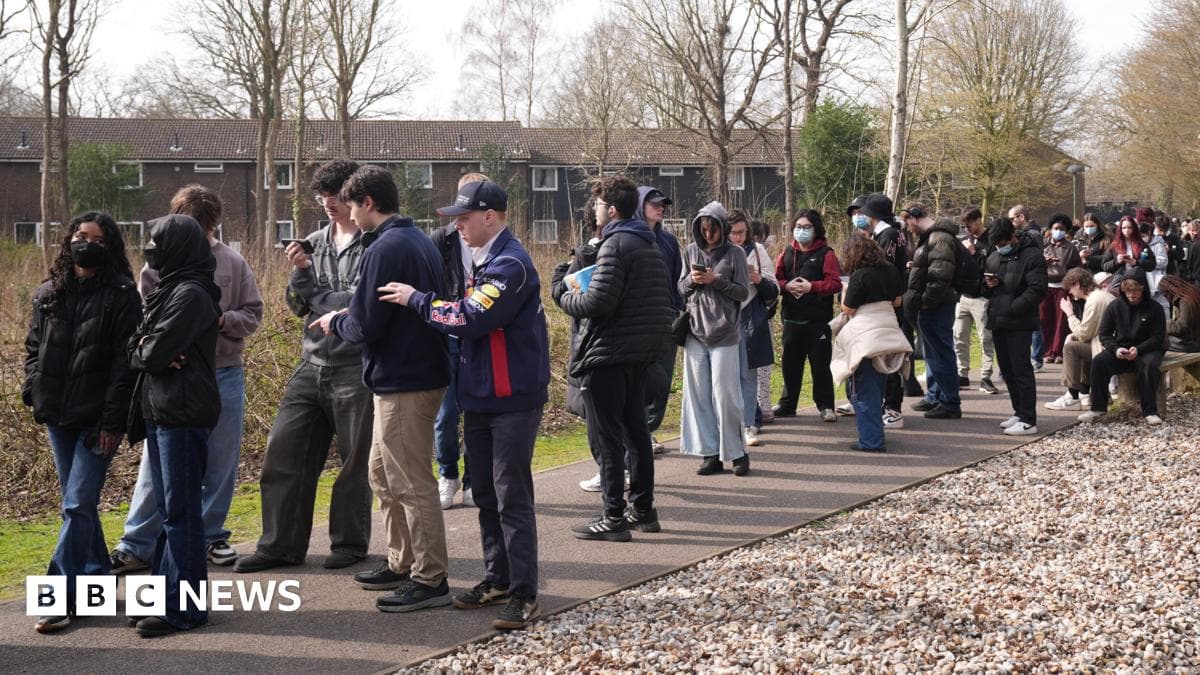
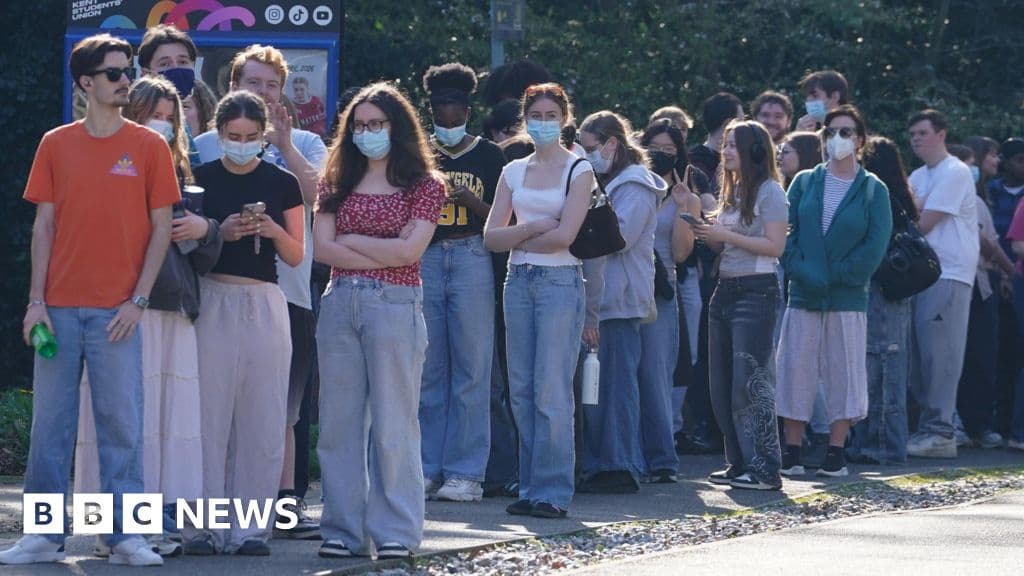
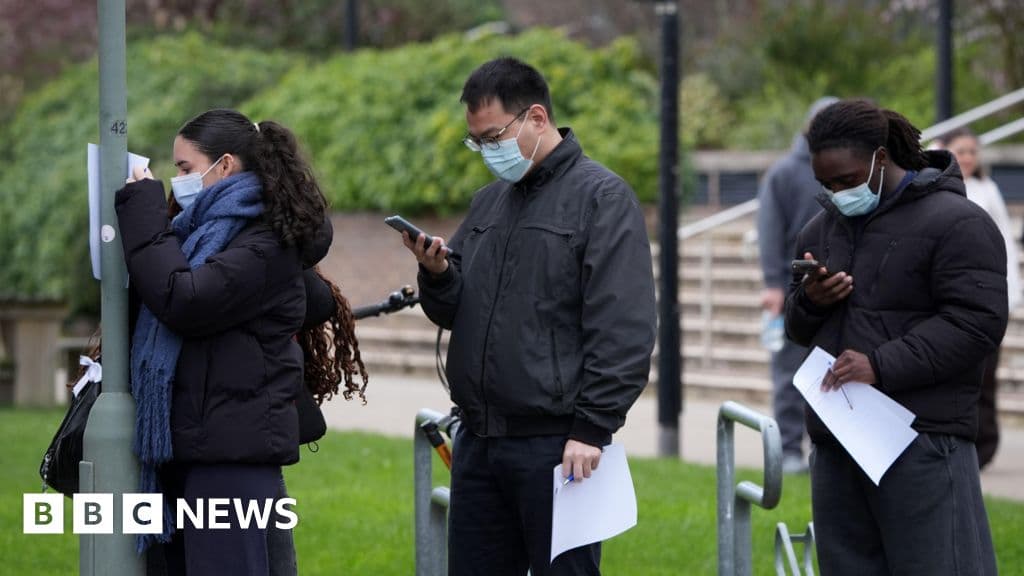
In response to the crisis, UKHSA has launched an emergency vaccination program targeting approximately 5,000 students living in university halls in Canterbury. The aim is to curb further transmission and prevent additional cases over the coming weeks. Vaccinations began on Wednesday, with priority given to those in high-risk settings. Additionally, hundreds of people who may have been exposed have been offered antibiotics as a precautionary measure to eliminate any bacterial carriage.
The outbreak has also sparked a patchwork of school closures across Kent. While the government has not issued a blanket directive to shut schools, several institutions in the Canterbury and Faversham areas have temporarily closed as a precaution, sending students home and disrupting exams and classes. Health officials have sought to reassure the public that this is not a COVID-style pandemic. 'It is not a pandemic where it spreads like wildfire,' Ghosh told BBC Radio Kent. 'It takes quite a lot of prolonged contact for the bacteria to spread from one person to another.'
National and Local Response: Government Action and Public Anxiety
The gravity of the situation has drawn swift action from Westminster. Health Secretary Wes Streeting described the outbreak as an 'unprecedented situation' and a 'rapidly developing crisis' during a statement to the House of Commons on Tuesday. He confirmed that daily updates on case numbers and public health measures would be published by UKHSA at 09:30 GMT each morning—a transparency measure aimed at keeping the public informed and reducing misinformation.
However, the response has not been without criticism. Families of affected students and members of the public have expressed frustration over the availability of the meningitis B vaccine. With demand surging, many pharmacies across the country have reported running out of stock or having only limited supplies. Private vaccination appointments are booked weeks in advance, leaving worried parents and students scrambling to secure protection.
The Human Cost: Families Left Devastated and Communities on Edge
Beyond the statistics and public health protocols lies the human toll. For Keeleigh Goodwin’s family, the ordeal has been life-altering. Her mother, Kharli, described watching her daughter fight for her life as 'the most terrifying experience' of her life. 'How does this happen in this day and age?' she asked, echoing a sentiment shared by many in the community. Juliette Butters’ family has also been left 'beyond devastated,' according to a statement released by health officials.
The psychological impact extends beyond the infected and their families. University students, many of whom are living in halls where cases have been confirmed, report heightened anxiety about socializing. 'She [Keeleigh] doesn’t want to go out again for a long time,' Goodwin said. The fear of contracting the disease has cast a shadow over what should be a carefree chapter of life, replacing social events with isolation and vigilance.
- Two people, including a university student and a sixth-former, have died in a meningitis B outbreak in Kent, with 15 confirmed cases as of the latest update.
- Health officials have declared a national incident and launched emergency vaccinations for 5,000 students at the University of Kent, citing a potential super-spreader event at social venues like Club Chemistry.
- Routine meningitis B vaccination was only introduced in the UK in 2015, leaving many current university students unprotected and contributing to the outbreak.
- Scientists are urgently sequencing the meningitis B strain to determine if a mutation is fueling the rapid spread, while existing vaccines remain the primary defense.
- The crisis has exposed gaps in vaccine availability, with pharmacies nationwide reporting shortages amid surging demand.
What Happens Next? Long-Term Risks and Broader Public Health Lessons
As the vaccination program ramps up and contact tracing continues, health authorities are closely monitoring whether the outbreak expands beyond Canterbury. The UKHSA has contacted more than 30,000 people in the area with guidance and, in some cases, antibiotic prophylaxis. While officials insist the situation is contained, the episode has raised broader questions about vaccine policy, public health surveillance, and preparedness for infectious disease outbreaks in high-density living environments like university campuses.
In the coming weeks, results from genome sequencing will be critical. If a mutant strain is confirmed, it could necessitate updates to vaccine recommendations or the development of targeted interventions. Meanwhile, the government has not ruled out expanding vaccination eligibility if the risk to other populations increases. 'We will keep this under review and make recommendations as the situation evolves,' a UKHSA spokesperson said.
How Meningitis B Spreads: Understanding the Disease and Its Risks
Meningitis B is caused by the bacterium Neisseria meningitidis serogroup B. It spreads through respiratory droplets and close contact, such as kissing, coughing, or sharing utensils. Symptoms include fever, severe headache, stiff neck, nausea, vomiting, and a rash that does not fade when pressed. In severe cases, it can lead to septicemia (blood poisoning), which is often fatal without prompt treatment. The disease progresses rapidly, with some patients deteriorating within hours.
Certain groups are at higher risk, including infants, teenagers, and young adults living in close quarters like dormitories. The UK introduced the meningitis B vaccine (4CMenB, brand name Bexsero) into the childhood immunization schedule in 2015, offering protection to babies at 2, 4, and 12 months. However, adolescents born before 2015 were not routinely vaccinated, leaving a cohort of unprotected young adults—many of whom are now at university.
A Call for Greater Vaccine Access and Public Health Preparedness
The Kent outbreak has spotlighted long-standing challenges in vaccine access and distribution. While the NHS provides the meningitis B vaccine for infants and high-risk groups, older teenagers and young adults must often seek it privately—a costly and sometimes unattainable option for many. The current crisis has led to calls for the vaccine to be made more widely available, particularly to university students and other high-risk groups.
Public health leaders are also emphasizing the need for better surveillance and rapid response systems to detect and contain outbreaks before they spiral. 'This is a reminder that infectious diseases don’t respect borders or age groups,' said Dr. Hopkins. 'We need to remain vigilant, ensure vaccine equity, and be ready to act quickly when threats emerge.'
Frequently Asked Questions
Frequently Asked Questions
- How many people have been affected by the meningitis outbreak in Kent?
- As of the latest update, there are 15 confirmed cases of invasive meningococcal disease in the Canterbury area, including two deaths: a 21-year-old university student and a 17-year-old sixth-former.
- Is the meningitis B strain in this outbreak different from previous strains?
- Scientists are conducting whole genome sequencing on the strain to check for mutations. While results are pending, health officials stress that existing vaccines are still the best defense against all known strains of meningitis B.
- Who is eligible for the emergency vaccination program in Kent?
- Approximately 5,000 students living in university halls in Canterbury are being offered the meningitis B vaccine as part of the emergency response. Priority is given to those in high-risk settings, such as shared accommodation.