An experimental once-daily pill has demonstrated unprecedented cholesterol-lowering power in a large clinical trial, potentially offering a lifeline to millions of Americans who struggle to control their ‘bad’ cholesterol despite existing treatments. In a phase 3 study published in the February 2026 issue of The New England Journal of Medicine, the oral medication enlicitide reduced levels of low-density lipoprotein (LDL) cholesterol—the primary driver of artery-clogging plaques—by up to 60% in high-risk patients. The findings mark a potential turning point in cardiovascular medicine, where lifestyle changes and statins often fall short for those with stubbornly high cholesterol.
- Enlicitide, an oral PCSK9 inhibitor, reduced LDL cholesterol by 60% in a phase 3 trial of 2,909 patients.
- The majority of participants were already taking statins but failed to reach recommended LDL targets.
- Unlike injectable PCSK9 inhibitors, enlicitide is taken once daily as a pill, addressing key barriers to treatment adherence.
- Researchers will now test whether the dramatic cholesterol reductions translate to fewer heart attacks and strokes.
Why Cholesterol Remains a Silent Killer—and Why New Solutions Are Urgent
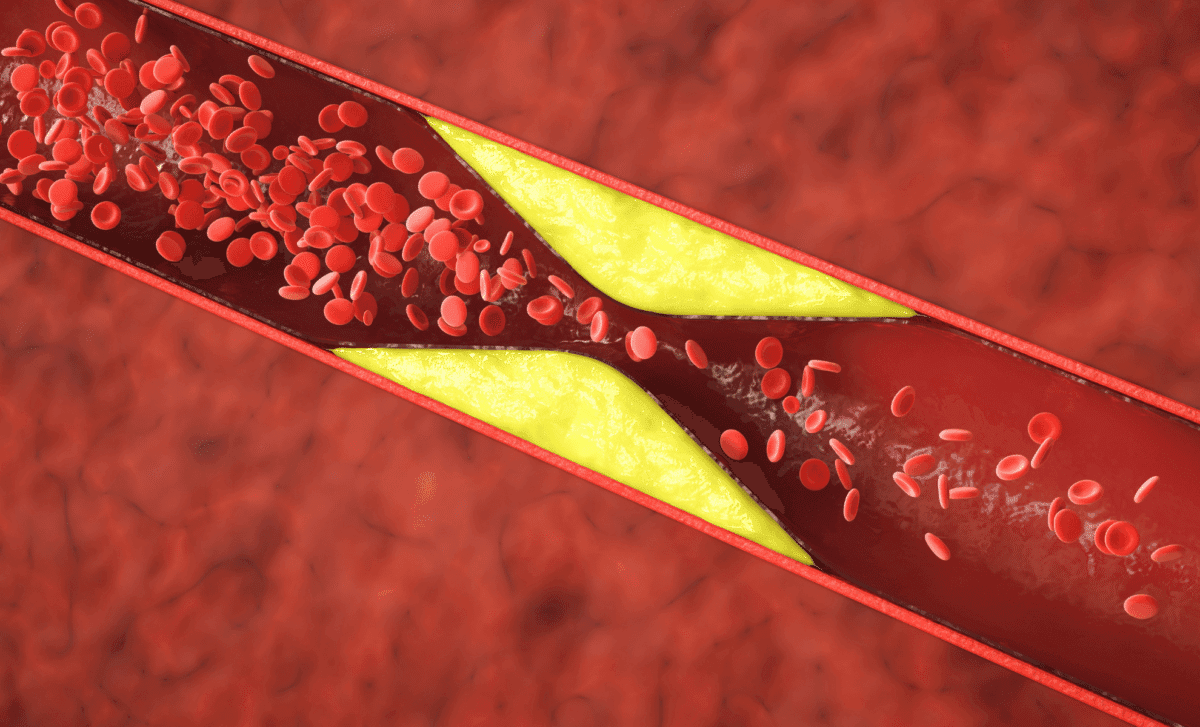
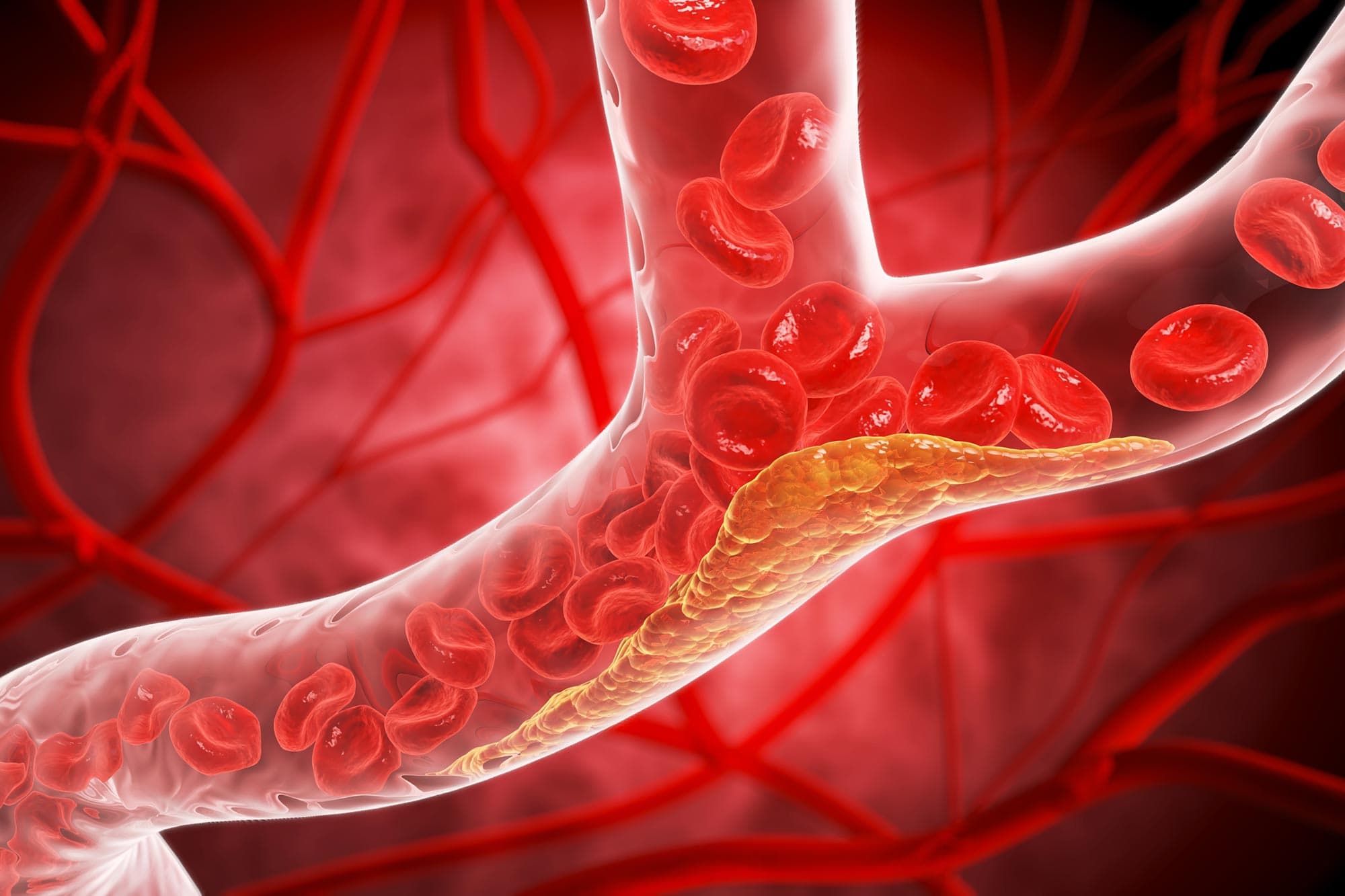
Heart disease remains the leading cause of death in the United States, claiming nearly 700,000 lives annually. At the heart of this crisis is LDL cholesterol, a waxy substance that builds up in arteries over years, forming plaques that narrow blood vessels and restrict blood flow. When plaques rupture, they can trigger heart attacks or strokes—events that often occur without warning. Despite the widespread use of statins, the most common cholesterol-lowering drugs, and the 2013 introduction of injectable PCSK9 inhibitors like evolocumab and alirocumab, millions of Americans still fail to achieve the LDL levels recommended by cardiologists. According to data from the American Heart Association, fewer than half of patients with established atherosclerotic cardiovascular disease (ASCVD)—a condition characterized by plaque buildup in arteries—meet their LDL targets. For these individuals, the stakes are high: each 1% reduction in LDL cholesterol corresponds to a roughly 1% reduction in major cardiovascular events.
How Enlicitide Works: A Pill That Mimics Injectables—With a Key Advantage
From Nobel Prize Discoveries to a Patient-Friendly Solution
The science behind enlicitide traces back to groundbreaking research conducted at UT Southwestern Medical Center in Dallas, where scientists Michael Brown, M.D., and Joseph Goldstein, M.D., identified the LDL receptor on liver cells in the 1970s. Their discovery revealed how the liver clears LDL cholesterol from the bloodstream, a process that was later leveraged to develop statins—the first widely used cholesterol-lowering medications. In the 1990s, UT Southwestern researchers Helen Hobbs, M.D., and Jonathan Cohen, Ph.D., uncovered a genetic quirk in some individuals: naturally low LDL levels caused by mutations that reduce production of the PCSK9 protein. PCSK9 normally binds to LDL receptors on liver cells, marking them for destruction and reducing the liver’s ability to remove LDL from circulation. This insight led to the development of PCSK9 inhibitors, starting with monoclonal antibody injections like evolocumab and alirocumab, which can lower LDL by up to 60% when combined with statins.
While injectable PCSK9 inhibitors are highly effective, their use has been limited by practical challenges. Many patients and physicians are reluctant to adopt treatments that require regular injections, particularly for a chronic condition like high cholesterol. Additionally, cost and insurance hurdles have historically restricted access. Enter enlicitide: a small-molecule PCSK9 inhibitor designed to be taken orally once daily. Unlike its injectable predecessors, enlicitide binds to PCSK9 in the bloodstream, blocking its ability to interfere with LDL receptor function and allowing the liver to clear cholesterol more efficiently. Ann Marie Navar, M.D., Ph.D., the lead researcher of the phase 3 trial and a cardiologist at UT Southwestern, described the potential impact in stark terms: 'An oral therapy this effective has the potential to dramatically improve our ability to prevent heart attacks and strokes on a population level.'
The Phase 3 Trial: Who Participated and What the Results Show
The phase 3 trial, funded by Merck & Co. Inc. and published in The New England Journal of Medicine, enrolled 2,909 adults at high risk for cardiovascular events. Participants were either living with atherosclerosis—a condition where plaques narrow arteries—or had other risk factors such as diabetes or a history of heart disease. Critically, 97% of participants were already taking statins, yet their average LDL cholesterol level stood at 96 mg/dL, far above the recommended targets of 70 mg/dL for those with ASCVD and 55 mg/dL for high-risk individuals. The study randomly assigned two-thirds of participants to receive enlicitide and the remaining third to a placebo.
The study population reflects what we see in clinical practice: even the highest intensity statins are often not enough to get people to their cholesterol goals. This highlights the urgent need for additional therapies like enlicitide.
After 24 weeks of treatment, enlicitide cut LDL cholesterol by an average of 60% compared to placebo. The reductions were consistent across demographic groups and persisted throughout a one-year follow-up period. Beyond LDL, the medication also lowered non-HDL cholesterol by 50%, apolipoprotein B—a marker of harmful lipoprotein particles—by 47%, and lipoprotein(a), a genetic risk factor for cardiovascular disease, by 24%. These improvements were maintained long-term, suggesting enlicitide’s durability as a treatment. 'These reductions in LDL cholesterol are the most we have ever achieved with an oral drug by far since the development of statins,' Dr. Navar stated.
Breaking Down Barriers: Why a Pill Could Outperform Injections for Millions
The shift from injectable to oral medications has transformed the treatment landscape for several chronic conditions, from diabetes to HIV. For high cholesterol, the convenience of a once-daily pill could address two major barriers to care: patient reluctance and physician hesitancy. A 2024 survey by the American College of Cardiology found that 68% of primary care physicians cited injection administration as a deterrent to prescribing PCSK9 inhibitors, even when patients were candidates. Cost has also been a hurdle: while the price of injectable PCSK9 inhibitors has dropped to around $5,850 annually from over $14,000 at launch, out-of-pocket costs and prior authorization requirements still limit access for many. Enlicitide’s oral formulation could simplify prescribing, reduce administrative burdens, and improve adherence—a critical factor in chronic disease management.
The Road Ahead: What’s Next for Enlicitide and Cardiovascular Care
While the phase 3 trial’s results are promising, researchers are not stopping there. A follow-up clinical trial is underway to determine whether enlicitide’s dramatic cholesterol reductions translate to fewer heart attacks, strokes, and cardiovascular-related deaths. If successful, the findings could support regulatory approval by the U.S. Food and Drug Administration (FDA), making enlicitide the first oral PCSK9 inhibitor available to patients. Merck, which sponsored the study and holds the rights to enlicitide, has not yet announced a timeline for its submission. However, the company’s track record in cardiovascular therapies—including the blockbuster statin Zocor and the PCSK9 inhibitor Repatha—positions it well to navigate the approval process.
Beyond enlicitide, the broader field of cholesterol management is evolving. Companies like Novartis and Ionis Pharmaceuticals are developing alternative oral PCSK9 inhibitors and gene-silencing therapies, while researchers are exploring novel targets like ANGPTL3, a protein that regulates lipid metabolism. Meanwhile, public health efforts to address the root causes of high cholesterol—such as poor diet, physical inactivity, and metabolic disorders—remain critical. As Dr. Navar noted, 'The goal isn’t just to lower cholesterol; it’s to reduce the burden of cardiovascular disease on individuals and our healthcare system.'
The Bigger Picture: Why Cholesterol Management Still Falls Short for Millions
Despite advances in treatment, cholesterol management in the U.S. remains fragmented. A 2023 report from the Centers for Disease Control and Prevention found that 28% of adults with high cholesterol were unaware of their condition, and only 46% of those treated were at their target LDL levels. The economic toll is staggering: heart disease costs the U.S. healthcare system over $200 billion annually, with much of that burden tied to preventable events like heart attacks and strokes. For patients, the consequences can be devastating—limiting mobility, reducing quality of life, and cutting life expectancy short. The introduction of an effective oral alternative like enlicitide could close critical gaps in care, particularly for underserved populations who face barriers to accessing injectable therapies.
Expert Reactions: What Cardiologists Are Saying About the Breakthrough
Cardiologists and lipid specialists have praised the enlicitide trial results as a potential game-changer. Dr. Jennifer Robinson, a preventive cardiologist at the University of Iowa and a spokesperson for the American Heart Association, called the 60% LDL reduction 'unprecedented for an oral therapy' and noted that it could 'shift the paradigm' for high-risk patients. 'We’ve seen incredible progress with statins and injectable PCSK9 inhibitors, but the reality is that many patients still can’t or won’t take injections,' she said. 'An oral option could dramatically improve adherence and outcomes.' Other experts cautioned that while the data is compelling, long-term safety and real-world effectiveness would need to be monitored closely once the drug enters broader use.
Key Takeaways: What Patients and Physicians Need to Know
- Enlicitide, an experimental oral PCSK9 inhibitor, reduced LDL cholesterol by 60% in a phase 3 trial of 2,909 high-risk patients already on statins.
- The pill could address major barriers to cholesterol treatment, including patient reluctance to use injections and prescription access challenges.
- Researchers are now testing whether the cholesterol reductions translate to fewer heart attacks and strokes in a follow-up trial.
- If approved by the FDA, enlicitide would be the first oral PCSK9 inhibitor, joining a class dominated by injectable therapies.
- The findings underscore the persistent gap in cholesterol management, with fewer than half of high-risk patients meeting LDL targets despite existing treatments.
Frequently Asked Questions
Frequently Asked Questions
- How does enlicitide compare to statins?
- Enlicitide reduced LDL cholesterol by 60% in the trial, far exceeding the typical 30–50% reduction seen with statins alone. While statins remain the first-line treatment, enlicitide targets patients who don’t reach their cholesterol goals despite statin use.
- When will enlicitide be available to patients?
- Merck has not announced a timeline for FDA submission or approval. The company is likely to prioritize data from the ongoing trial assessing cardiovascular outcomes before seeking regulatory clearance.
- What are the side effects of enlicitide?
- The phase 3 trial reported no major safety concerns, but detailed side effect data will be available once the study is fully published. Common side effects for similar drugs include injection-site reactions, though these are not applicable to enlicitide.