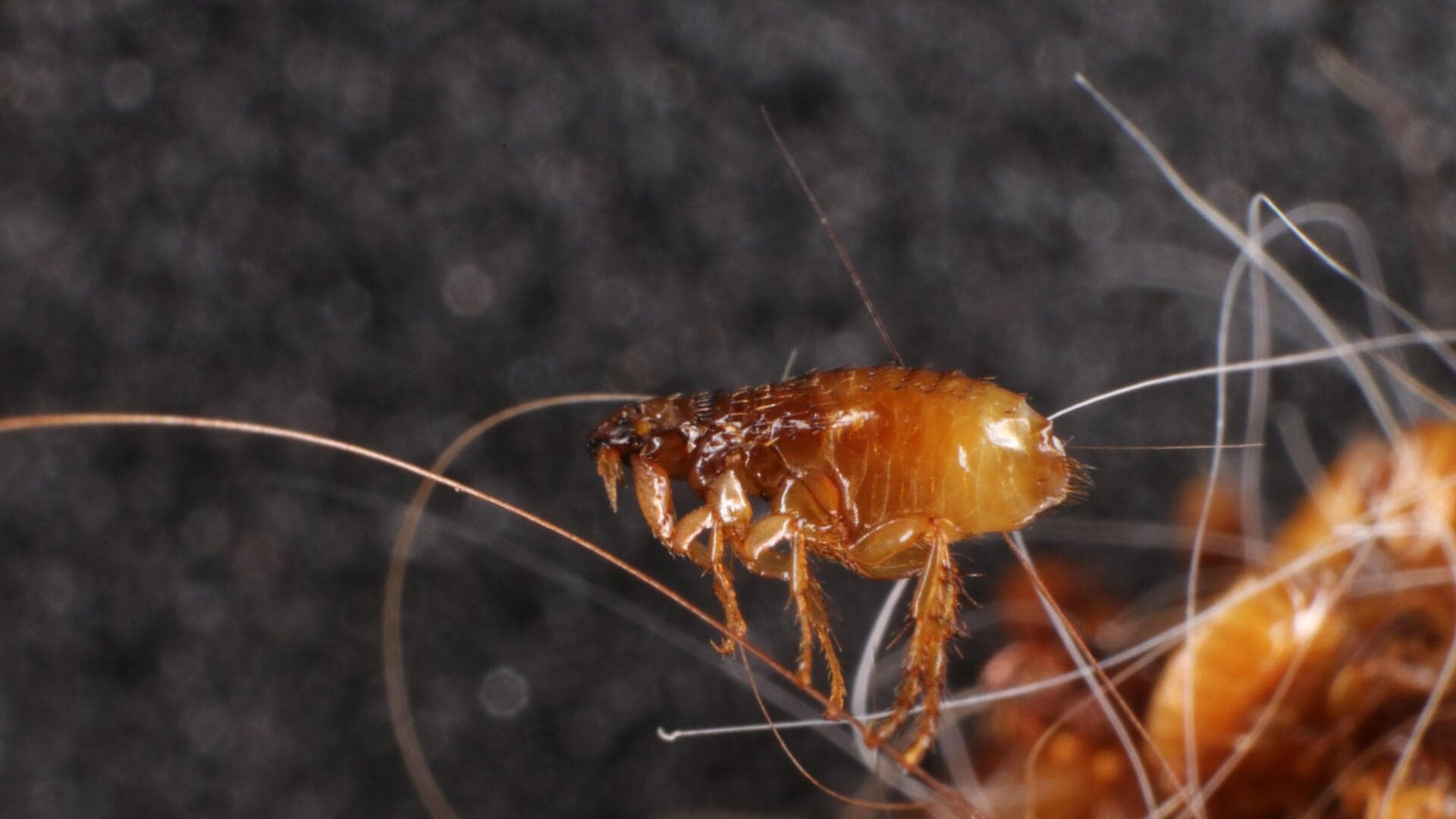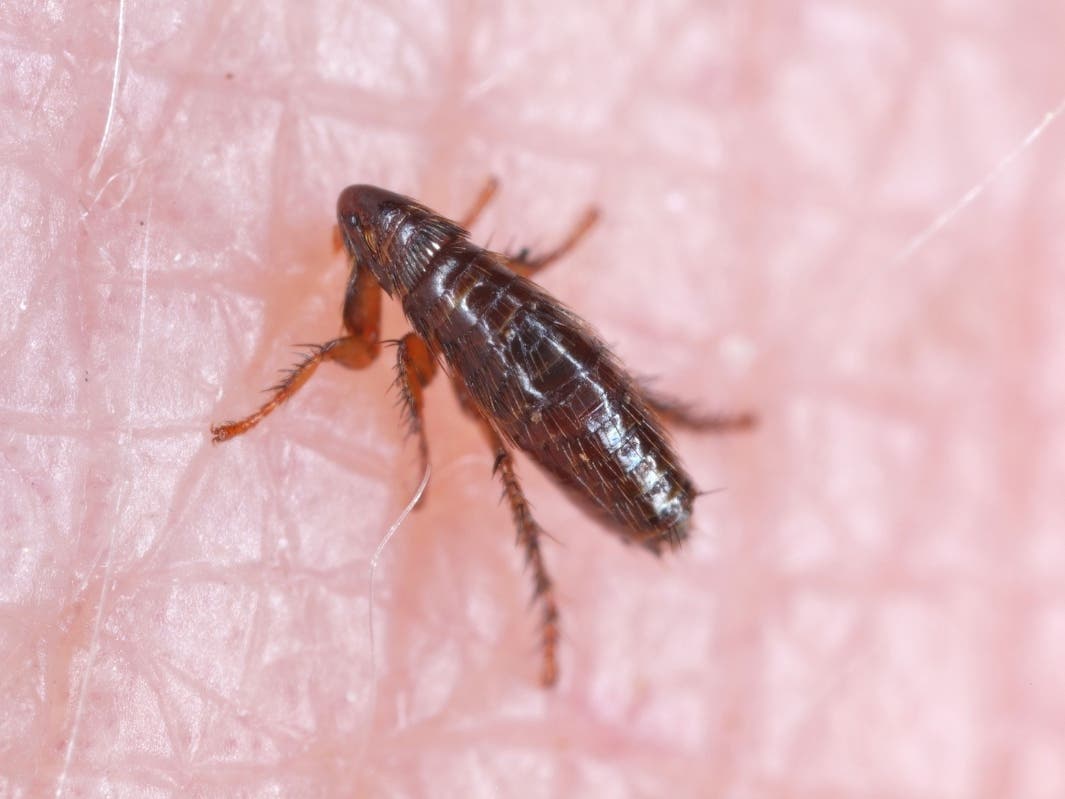
Los Angeles County has shattered previous records for flea-borne typhus infections, reporting 220 confirmed cases in 2025—a 17% surge from the prior year’s 188 cases, which had already set a then-record high. Health officials warn that 90% of these patients required hospitalization, underscoring the severe public health threat posed by this often-overlooked rodent-borne disease. The outbreaks have been concentrated in Central Los Angeles, Santa Monica, and Willowbrook, with Long Beach separately reporting 34 cases through mid-October 2025, marking another record for that city.
Understanding Flea-Borne Typhus: Causes, Symptoms, and Transmission
Flea-borne typhus, also known as endemic typhus or murine typhus, is a bacterial infection caused primarily by *Rickettsia typhi* and, less commonly, *Rickettsia felis*. Unlike the more widely known typhoid fever, this disease is transmitted not through food or water but via fleas that infest rodents, opossums, stray cats, and other wildlife. The bacteria spread when infected flea feces contaminate scratches or bites on human skin, or when dried flea feces become aerosolized and are inhaled.
How the Disease Spreads in Urban Environments
The primary carriers of flea-borne typhus in Los Angeles County are rats, mice, opossums, and feral cats, all of which thrive in environments where trash accumulates, vegetation is unmanaged, and outdoor spaces are poorly secured. Health officials note that these animals often nest in attics, crawl spaces, and dense vegetation near residential properties, inadvertently bringing infected fleas closer to human habitats. Pets, particularly outdoor cats and dogs, can also transport fleas indoors, where they infest carpets, furniture, and bedding. In one infamous 2019 incident, Los Angeles city officials considered removing all carpets from City Hall during a downtown outbreak after at least one employee tested positive for the disease.
The Alarming Rise in Cases: A Decade of Neglect and Escalating Crisis
While flea-borne typhus has circulated in Southern California for decades, its resurgence as a public health crisis has alarmed epidemiologists and local officials alike. Between 2015 and 2017, LA County averaged fewer than 30 cases annually. However, the numbers began climbing sharply in 2018, when 109 cases were reported—a figure that doubled to 220 by 2025. The 2024 data, which recorded 188 cases, represented the second-highest total on record, setting the stage for this year’s unprecedented surge. Public health experts attribute the spike to a combination of factors, including increased rat populations due to urban sprawl, inadequate waste management, and the warming climate, which extends the breeding season for fleas and rodents.
Political and Institutional Responses to the Outbreak
The growing threat of flea-borne typhus has not gone unnoticed by local government. In 2019, the Los Angeles City Council debated whether to rip out carpets in City Hall after an outbreak in downtown LA, where at least one city employee contracted the disease. That same year, a Los Angeles Police Department officer filed a lawsuit against the city, alleging he had contracted typhus while on duty. The LAPD responded by deploying a germ-fighting robot at Central Station—a $100,000 device designed to disinfect surfaces—and faced state fines for failing to train personnel on typhus transmission risks. These incidents highlighted the intersection of public health, urban blight, and municipal accountability.
Who Is Most at Risk? Demographic and Geographic Hotspots
While flea-borne typhus can affect anyone, certain populations face heightened risks due to their living conditions or occupations. Homeless individuals, who often live in proximity to rodents and unsecured trash, are particularly vulnerable. Outdoor workers, including sanitation crews, construction laborers, and landscape maintenance teams, also face elevated exposure risks. The disease has been documented in multiple LA County cities, with Long Beach reporting 34 cases through mid-October 2025—nearly double its 2024 total of 18 cases. Other hotspots include Central Los Angeles, Santa Monica, and Willowbrook, where dense vegetation, inadequate trash pickup, and aging infrastructure create ideal conditions for rodent infestations.
Symptoms and Complications: Why This Disease Is So Dangerous
Flea-borne typhus symptoms typically emerge 1 to 2 weeks after exposure and include high fever, chills, severe headache, muscle pain, and a rash that often begins on the torso before spreading. Unlike some illnesses, typhus does not cause gastrointestinal distress, which can delay diagnosis. Without prompt treatment with antibiotics—such as doxycycline—complications can arise, including hepatitis, pneumonia, and in rare cases, organ failure or death. Shockingly, 90% of LA County’s 2025 cases required hospitalization, a statistic that reflects both the severity of the disease and the delays in seeking medical care.
Why Rats, Mice, and Opossums Don’t Show Symptoms
Rodents and other wildlife serve as asymptomatic carriers of *Rickettsia* bacteria, meaning they harbor the pathogen without falling ill. This allows flea populations to thrive unchecked, as the animals remain mobile and continue to spread infected fleas. Opossums, in particular, have been identified as key reservoirs in Southern California due to their adaptability to urban environments and their role in transporting fleas across neighborhoods. Rats and mice, meanwhile, thrive in areas with poor sanitation, such as alleys, dumpsters, and abandoned lots.
How to Protect Yourself and Your Community
Public health officials emphasize that flea-borne typhus is preventable with vigilant, year-round measures. The Los Angeles County Department of Public Health recommends that residents: (1) apply veterinarian-approved flea control treatments to pets every month, even indoors; (2) avoid feeding or handling stray animals; (3) secure trash cans with tight-fitting lids and remove debris from yards; (4) seal entry points around homes, such as gaps in walls, roofs, and crawl spaces; and (5) use outdoor flea sprays in gardens and around pet resting areas. For outdoor workers, wearing long sleeves and gloves can reduce skin exposure to fleas.
Flea-borne typhus can cause serious illness, but it is preventable with simple steps. With cases at an all-time high and most requiring hospitalization, it’s critical that people take simple steps now, such as routinely using flea control on their pets, avoiding contact with stray animals, and preventing wildlife from living in or around their homes.
Key Takeaways: What You Need to Know About the Typhus Surge
- LA County reported a record 220 flea-borne typhus cases in 2025, a 17% increase from 2024 and nearly double the cases from 2018.
- 90% of 2025 cases required hospitalization, highlighting the disease’s potential severity if untreated.
- Outbreaks are linked to rodents, opossums, and feral cats, which thrive in areas with poor sanitation and unsecured trash.
- Long Beach and Central Los Angeles have emerged as hotspots, alongside Santa Monica and Willowbrook.
- Preventive measures—such as flea control for pets, securing trash, and sealing homes—are the most effective ways to reduce risk.
The Broader Public Health Implications: Climate Change and Urbanization
The surge in flea-borne typhus cases reflects broader environmental and societal trends. Climate change, with its warmer temperatures and more frequent droughts, has extended the breeding seasons for fleas and rodents, particularly in dense urban areas like Los Angeles. Simultaneously, rapid urbanization and housing shortages have pushed more people into informal settlements or poorly maintained buildings, where rodent infestations are harder to control. Public health experts warn that without targeted interventions—such as expanded pest control programs, improved waste management, and public education campaigns—the trend is likely to continue.
Historical Context: How Typhus Has Evolved in Southern California
Flea-borne typhus is not a new disease in California. The first documented cases in the state date back to the early 20th century, when outbreaks were common in port cities like San Francisco and Los Angeles. The disease’s decline in later decades was attributed to improved sanitation, widespread use of pesticides such as DDT, and better rodent control measures. However, the resurgence in the 21st century mirrors patterns seen with other vector-borne diseases, such as West Nile virus and hantavirus, which have also proliferated due to environmental and demographic shifts.
What’s Next? Calls for Action from Health Officials and Advocates
In response to the escalating crisis, LA County Supervisor Janice Hahn has called for a multi-agency task force to address the root causes of rodent infestations, including inadequate trash collection and aging infrastructure. Meanwhile, advocates for the homeless population have urged expanded outreach and pest control services in encampments, where the risk of exposure is highest. The California Department of Public Health has also issued advisories, emphasizing the need for collaboration between municipal governments, healthcare providers, and community organizations to curb the spread.
Frequently Asked Questions About Flea-Borne Typhus in Los Angeles
Frequently Asked Questions
- Can flea-borne typhus be transmitted from person to person?
- No, flea-borne typhus cannot spread directly from person to person. The disease is transmitted exclusively through fleas that have fed on infected rodents or wildlife.
- What should I do if I suspect I have flea-borne typhus?
- Seek medical attention immediately if you develop symptoms such as high fever, headache, or rash after potential exposure to fleas. Treatment with antibiotics like doxycycline is highly effective if administered early.
- Are there any long-term effects of flea-borne typhus?
- Most people recover fully with prompt treatment, but complications such as organ damage or neurological issues can occur if the disease goes untreated or is misdiagnosed.