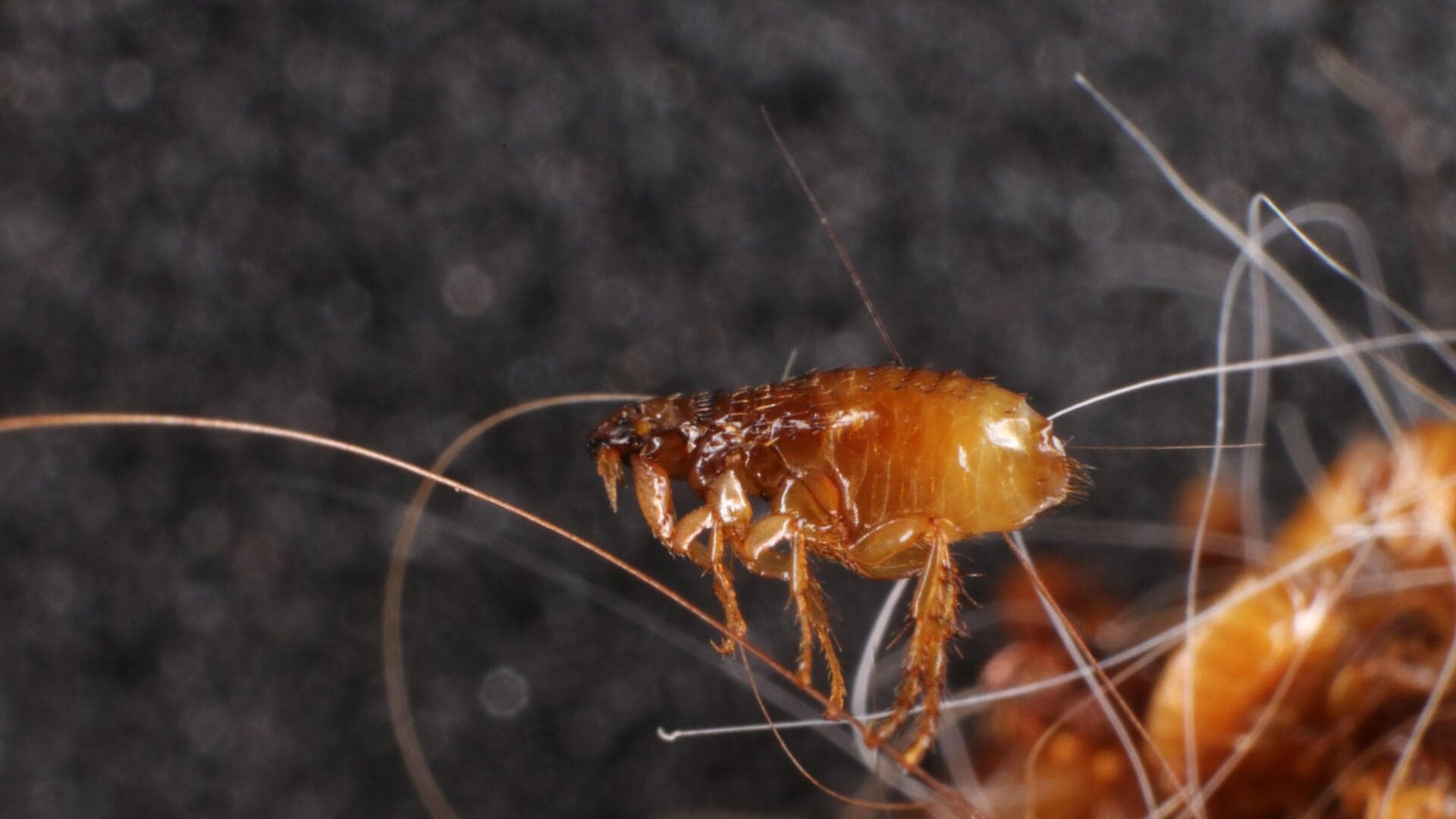
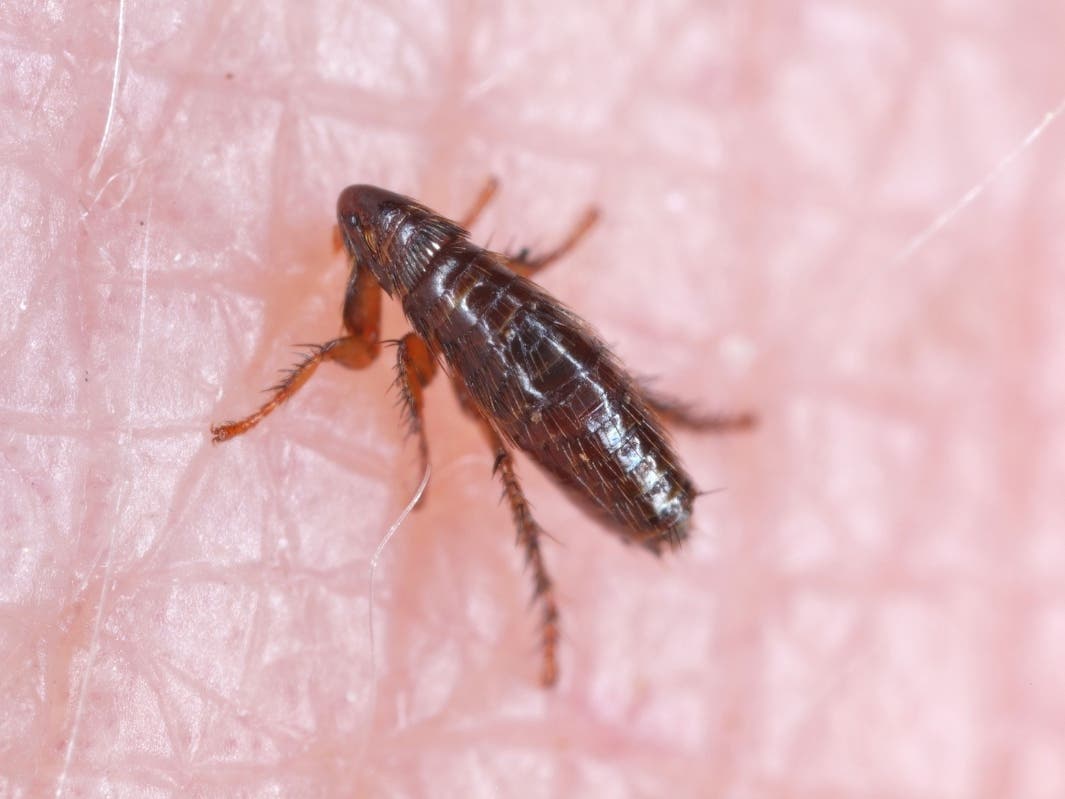
Los Angeles County shattered previous records in 2025, reporting 220 confirmed cases of flea-borne typhus—the highest annual total ever recorded in the region. The bacterial disease, transmitted through the feces of infected fleas that infest rats, free-roaming cats, and opossums, has become a persistent public health challenge, with outbreaks reported across central Los Angeles, Santa Monica, and Willowbrook. Health officials warn that the surge is part of a troubling, years-long trend, driven by factors ranging from urban sprawl to shifting climate patterns that expand habitats for disease-carrying vectors.
Why Typhus Cases Are Surging in Los Angeles County
Flea-borne typhus, caused by the bacterium *Rickettsia typhi*, has long been present in Southern California, but recent years have seen a dramatic uptick in cases. The disease is not new to the region—historical records from the early 20th century document typhus outbreaks in Los Angeles associated with rat infestations during the city’s rapid urbanization. However, the current spike reflects a convergence of environmental, social, and ecological changes that have created ideal conditions for fleas and their animal hosts to thrive.
The Role of Urban Wildlife in Typhus Transmission
According to Aiman Halai, a medical epidemiologist at the L.A. County Department of Public Health, the primary reservoirs for typhus in Los Angeles are rats, free-roaming cats, and opossums. Rats, in particular, are highly adaptable to urban environments, thriving in dense neighborhoods where trash management is inconsistent and outdoor food sources are abundant. Opossums, often found in residential areas, can carry fleas without showing symptoms, while community cat colonies—estimated to number in the tens of thousands across L.A.—serve as mobile flea reservoirs, spreading infected insects to new areas.
“These fleas live on reservoir animals, which in L.A. County are primarily rats, free-roaming cats, and opossums. Any factor that increases the interaction between these animals and humans will increase the risk of flea-borne typhus.”
Climate Change and Human Behavior: Indirect Drivers of Outbreaks
While fleas are the direct vectors of typhus, experts emphasize that climate variability and human activity play an indirect but critical role in fueling outbreaks. Warmer temperatures and altered precipitation patterns, linked to climate change, have expanded the geographic range of rats and opossums, pushing them into closer contact with residential areas. Meanwhile, increased outdoor recreation—such as hiking, gardening, and dining al fresco—has raised exposure risks for Angelenos. Halai notes that even seemingly minor changes, like more frequent trash overflows or unsecured outdoor pet food, can attract rodents and their fleas into neighborhoods.
The Public Health Toll: Hospitalizations and Undiagnosed Cases
Despite being treatable with antibiotics like doxycycline, flea-borne typhus can lead to severe illness, particularly if diagnosis is delayed. Shockingly, nine out of 10 confirmed cases in L.A. County last year resulted in hospitalization, a figure that underscores the disease’s potential to escalate. Health officials caution, however, that the true burden may be far higher, as many mild or asymptomatic cases likely go unreported. Symptoms—including high fever, nausea, muscle aches, rash, and persistent cough—can mimic those of other illnesses, such as flu or COVID-19, leading to misdiagnosis.
Long Beach’s Battle: A Case Study in Localized Outbreaks and Response
Just south of L.A. County, Long Beach experienced its own typhus crisis in 2025, reporting 39 cases, with 72% of patients requiring hospitalization. Jennifer Ann Gonzalez, public affairs officer for the Long Beach Health Department, described a localized outbreak in summer 2025 that was swiftly contained through targeted interventions. “The localized typhus outbreak reported in summer 2025 was controlled, and no additional cases associated with the outbreak have been reported,” Gonzalez noted in an email. The city’s response included expanded vector control measures, public education campaigns, and collaboration with local animal welfare groups to address stray cat populations.
How to Protect Yourself, Your Family, and Your Pets from Typhus
Preventing typhus requires a multi-layered approach that targets fleas, their animal hosts, and human exposure risks. While the disease cannot spread person-to-person, it is contracted when flea feces contaminate open wounds, scratches, or mucous membranes—such as the eyes or mouth. Infants, elderly individuals, and those with weakened immune systems are particularly vulnerable to severe outcomes. Below are evidence-based strategies recommended by health authorities to reduce risk:
- Use vet-approved flea prevention products on pets year-round, as dogs and cats can carry infected fleas without showing symptoms.
- Secure trash bins with tight-fitting lids and avoid leaving pet food or birdseed outdoors, which attract rats and other wildlife.
- Seal crawl spaces, attics, and gaps in walls to deter rodents and opossums from nesting near homes.
- Avoid feeding or petting free-roaming animals, including community cat colonies, and keep pets leashed to prevent contact with wildlife.
- When spending time outdoors, apply EPA-approved insect repellents containing DEET, picaridin, or permethrin to exposed skin and clothing.
Is Typhus Spreading Beyond California? National Trends and Concerns
Los Angeles is not alone in grappling with rising typhus cases. Texas has also reported significant increases, with health departments in Houston and Dallas documenting higher-than-average case counts in recent years. The Centers for Disease Control and Prevention (CDC) tracks flea-borne typhus as a nationally notifiable disease, meaning states are required to report confirmed cases. While the majority of U.S. typhus cases still occur in California and Texas, experts warn that the disease’s geographic expansion could mirror trends seen with other vector-borne illnesses, such as West Nile virus or Lyme disease, in response to environmental changes.
The Challenges of Eradicating Typhus: A Complex Public Health Puzzle
Unlike diseases that can be contained through vaccination or targeted treatments, flea-borne typhus presents a unique set of obstacles for eradication. The pathogen’s lifecycle involves multiple hosts—fleas, animals, and humans—each of which must be addressed to break the chain of transmission. Halai emphasizes that traditional methods, such as rodenticides or flea collars, offer only temporary relief, as new infestations can emerge quickly. Additionally, public awareness campaigns face hurdles in reaching communities where language barriers, distrust of government health programs, or limited resources may hinder participation.
Key Takeaways: What Angelenos Need to Know About Typhus in 2026
- L.A. County recorded 220 typhus cases in 2025, a record high, driven by fleas on rats, cats, and opossums.
- Nine out of 10 confirmed cases required hospitalization, highlighting the disease’s potential severity.
- Climate shifts and urban wildlife expansion are exacerbating the spread, making prevention critical.
- Preventive measures—such as securing trash, using flea treatments on pets, and avoiding contact with wild animals—can significantly reduce risk.
- Typhus is not contagious person-to-person but is contracted through flea feces entering the body via wounds or mucous membranes.
Frequently Asked Questions About Flea-Borne Typhus in Los Angeles
Frequently Asked Questions
- Can typhus be spread from person to person?
- No. Typhus is not contagious between people. It spreads only when flea feces contaminate open sores, scratches, or mucous membranes.
- What are the early signs of typhus I should watch for?
- Symptoms typically appear within two weeks of exposure and may include high fever, headache, muscle pain, nausea, and a rash. Early diagnosis is critical to prevent complications.
- Are there long-term effects if typhus goes untreated?
- In severe cases, untreated typhus can lead to organ damage or neurological complications. However, most patients recover fully with prompt antibiotic treatment.