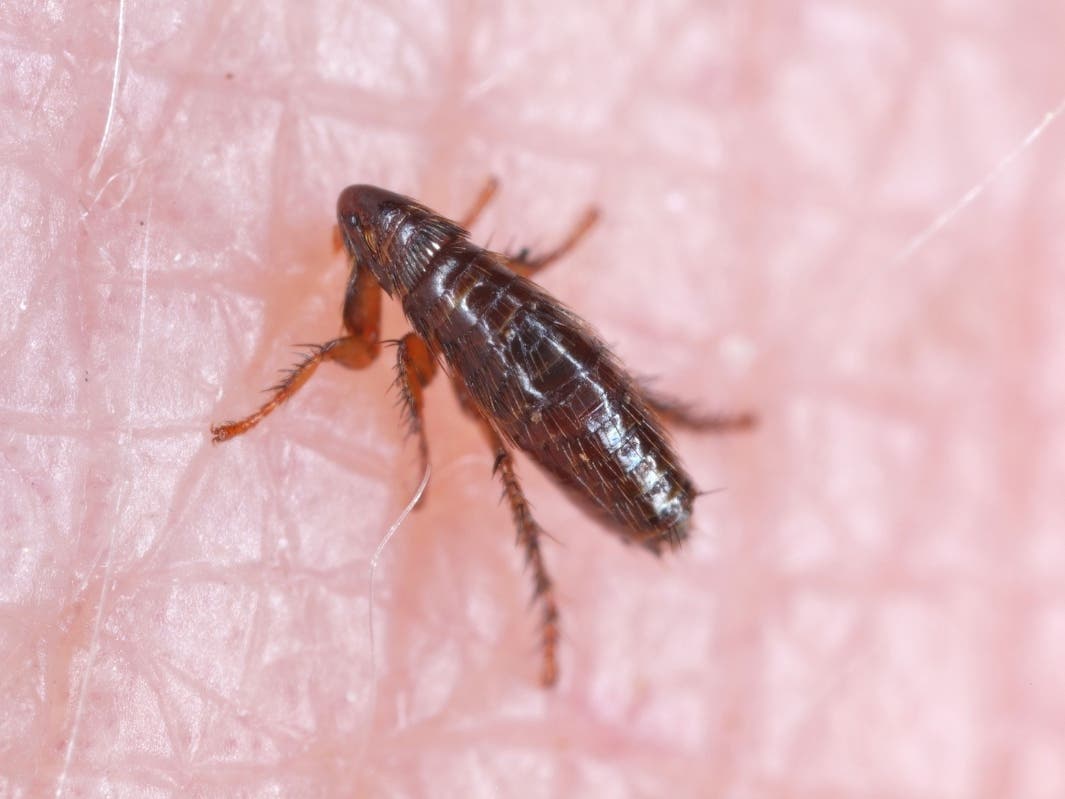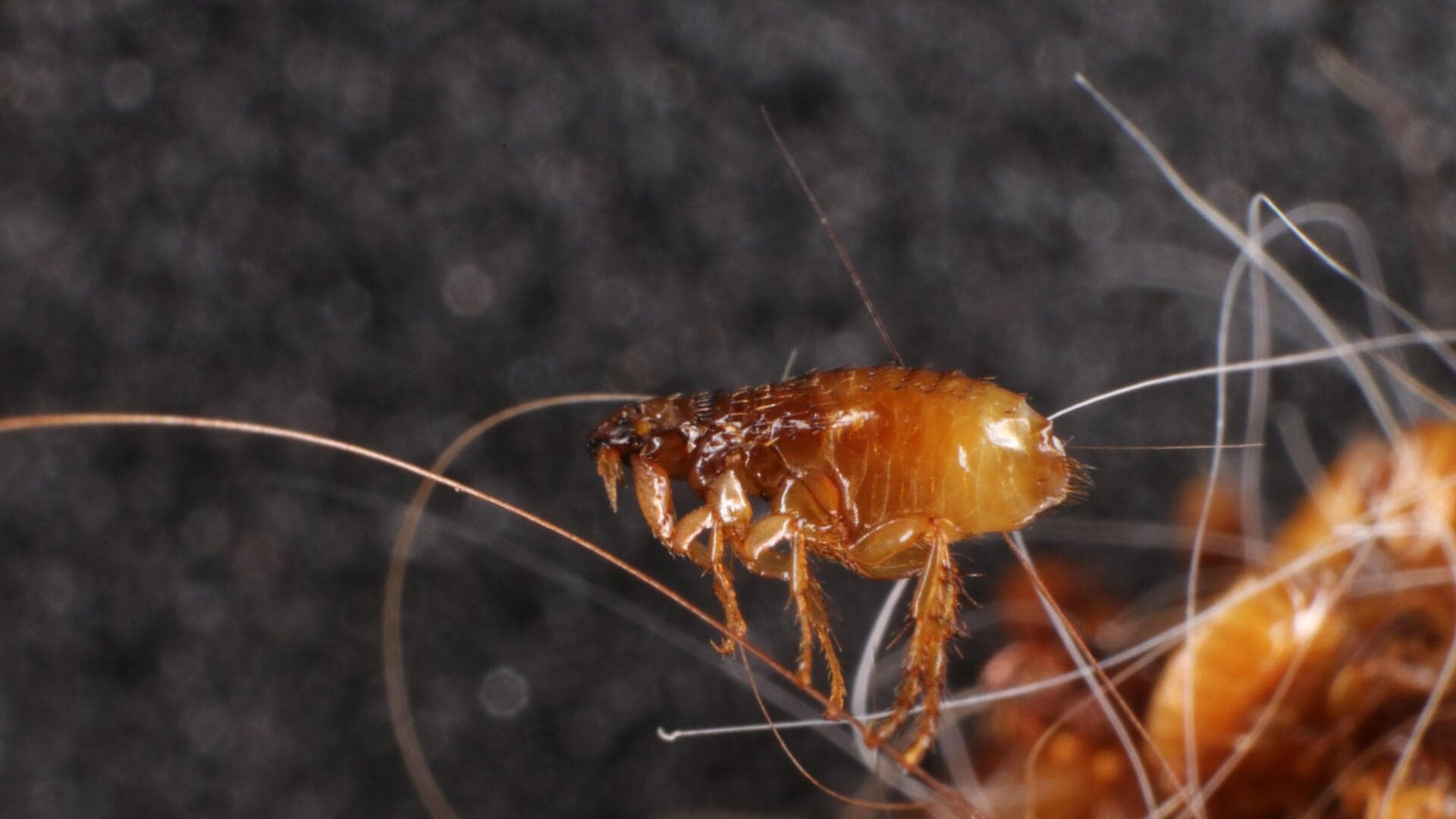
Los Angeles County shattered previous records in 2023 after health officials documented 220 cases of flea-borne typhus, a severe bacterial infection transmitted by fleas hitchhiking on rats, stray animals, and even household pets. The outbreak, which resulted in roughly 90% of patients requiring hospitalization, marks the highest number of cases ever recorded in the region since modern surveillance began, eclipsing the prior peak of 138 cases in 2022. Public health leaders are sounding the alarm, emphasizing that while the disease is treatable with antibiotics, its resurgence signals deeper environmental and socioeconomic challenges—namely, the proliferation of rat infestations in urban and suburban areas and inadequate pest control among pet owners. With symptoms ranging from high fever and severe headaches to debilitating rashes and, in rare cases, organ failure, typhus is no longer a relic of the past but a growing public health threat demanding urgent attention.
- Los Angeles County recorded 220 flea-borne typhus cases in 2023, the highest in modern history, with 90% of patients hospitalized.
- The disease is spread by fleas from rats, stray animals, and pets, with symptoms including fever, rash, and headache appearing 1–2 weeks after exposure.
- Public health officials recommend routine pet flea prevention, avoiding contact with strays, and eliminating wildlife harborage near homes to reduce risk.
- Experts warn that vulnerable populations—including people experiencing homelessness and those in rat-infested buildings—are disproportionately affected.
- Health authorities confirm the statewide increase in California, with preliminary data showing record cases beyond Los Angeles.
What Is Flea-Borne Typhus and How Does It Spread?
Flea-borne typhus, also known as murine or endemic typhus, is a bacterial infection caused by *Rickettsia typhi*, a pathogen closely related to the bacteria behind epidemic typhus (spread by body lice) and scrub typhus (spread by mites). Unlike its more virulent cousins, flea-borne typhus typically presents with milder symptoms but can still lead to severe illness, particularly in individuals with weakened immune systems. The disease’s life cycle hinges on rodents—primarily rats—which serve as the primary reservoir for the bacteria. Fleas that infest these animals become carriers, excreting infectious bacteria in their feces. When an infected flea bites a human, it may defecate near the wound, depositing the bacteria into the skin. Alternatively, humans can become infected by inhaling flea feces particles in dust or accidentally rubbing contaminated material into their eyes or open wounds. Notably, the bacteria do not spread directly from person to person, making human-to-human transmission rare.
The Hidden Role of Urban Rat Infestations
The resurgence of flea-borne typhus in Los Angeles is inextricably linked to the city’s escalating rat problem, a crisis exacerbated by aging infrastructure, inadequate waste management, and a booming transient population. Rats thrive in environments where food waste is abundant and shelter is easily accessible—conditions common in dense urban neighborhoods and areas with high homelessness rates. According to a 2022 report by the University of California, Davis, Los Angeles County’s rat population has surged by an estimated 20% over the past decade, with some neighborhoods reporting infestation rates as high as 70%. These rodents do not merely coexist with humans; they actively interact with them, nesting in alleys, sewer systems, and even residential crawl spaces. Fleas, which thrive in the same environments as rats, hitch rides on these animals and their droppings, creating a perfect storm for disease transmission. Public health experts note that rat burrows and nesting materials often contain flea feces, which can become aerosolized when disturbed, posing an inhalation risk to residents.
Pets as Unwitting Vectors: How Dogs and Cats Spread Disease
Domestic pets, particularly outdoor cats and dogs, have emerged as a significant bridge between wildlife reservoirs and human households. Cats, in particular, are highly susceptible to flea infestations due to their grooming habits and outdoor roaming tendencies. A single flea-infested cat can introduce hundreds of fleas into a home, where they may bite humans and contaminate living spaces with infected feces. Dr. Emily Simmons, a veterinarian and infectious disease specialist at the University of California, Los Angeles, explains that even indoor pets are not entirely safe if they have outdoor exposure or if fleas are brought inside on clothing or shoes. “Many pet owners assume their animals are protected if they use over-the-counter flea treatments sporadically, but inconsistent application or the use of ineffective products can leave pets—and their families—vulnerable,” Simmons said. The American Veterinary Medical Association recommends year-round flea and tick prevention for all pets, regardless of indoor or outdoor status.
“Flea-borne typhus can cause serious illness, but it is entirely preventable with basic precautions. Routine flea control for pets, avoiding contact with stray animals, and sealing off potential wildlife entry points in homes are critical steps every resident should take—especially in high-risk areas.” —Dr. Muntu Davis, Los Angeles County Health Officer
Symptoms, Diagnosis, and the Reality of Treatment
Symptoms of flea-borne typhus typically appear within one to two weeks of exposure and can mimic those of the flu, making early diagnosis challenging. Patients often report sudden onset of high fever (often exceeding 101°F), severe headaches, muscle aches, nausea, and vomiting. A distinctive rash may develop 3–5 days after symptoms begin, starting on the torso and spreading outward to the arms and legs, though it does not always appear. In severe cases, the infection can progress to complications such as meningitis, hepatitis, or even organ failure, particularly if left untreated. Diagnosis is confirmed through blood tests that detect antibodies to *Rickettsia typhi*, though results may take several days to return. Fortunately, the disease is treatable with antibiotics like doxycycline, which can significantly reduce the duration and severity of symptoms if administered early. However, delays in seeking medical care—due to lack of awareness or financial barriers—can lead to prolonged hospitalization, as evidenced by the 90% hospitalization rate in Los Angeles last year.
Who Is Most at Risk? Disproportionate Impact on Vulnerable Communities
While flea-borne typhus can affect anyone, certain populations face a markedly higher risk due to environmental and socioeconomic factors. People experiencing homelessness are particularly vulnerable, as they often live in close proximity to rat activity and lack access to sanitation facilities that could reduce flea exposure. A 2023 study published in the *Journal of Urban Health* found that homeless individuals in Los Angeles were 3.5 times more likely to contract flea-borne diseases than the general population. Similarly, residents of older apartment buildings, especially those with poor maintenance or structural deficiencies, are at increased risk due to rodent access and inadequate pest control measures. Children, whose immune systems are still developing, and elderly individuals with preexisting health conditions are also more susceptible to severe outcomes. Pet owners, particularly those with outdoor animals or those who do not use preventive flea treatments, comprise another high-risk group. Public health officials emphasize that the burden of this outbreak is not evenly distributed, reflecting broader inequities in housing stability, healthcare access, and environmental safety.
Los Angeles’ Growing Rat Problem: A Public Health Crisis Amplified
The surge in flea-borne typhus cases is not an isolated incident but part of a larger, decades-long crisis in Los Angeles County: the unchecked proliferation of rats. The city’s rat problem traces back to the mid-20th century, when urbanization and the decline of natural predators allowed rodent populations to explode. However, the issue has intensified in recent years due to several factors, including climate change (warmer temperatures and increased rainfall create ideal breeding conditions for rats), the proliferation of improperly secured trash bins, and the city’s aging infrastructure, which includes deteriorating sewer systems and poorly maintained alleys. In 2020, Los Angeles launched a $1.5 million rat abatement program aimed at reducing infestations in high-risk neighborhoods, but critics argue the effort has been insufficient. According to the Los Angeles Department of Sanitation, nearly 40% of the city’s rat complaints in 2023 originated in just 10% of neighborhoods, highlighting the localized nature of the crisis. Rats are not merely a nuisance—they are reservoirs for diseases like leptospirosis, hantavirus, and, as seen with typhus, flea-borne pathogens.
Statewide and National Trends: Is California a Bellwether for a Larger Problem?
Los Angeles’ record-breaking typhus outbreak mirrors a broader trend across California, where flea-borne typhus cases have climbed steadily over the past decade. Preliminary data from the California Department of Public Health indicates that statewide cases reached an all-time high in 2023, with Los Angeles, Orange, and San Diego counties reporting the highest numbers. Public health experts are closely monitoring these trends, as they may signal a larger ecological shift—one where climate change, urban sprawl, and inadequate pest control converge to create ideal conditions for zoonotic diseases. Nationally, flea-borne typhus remains relatively rare, with an average of fewer than 200 cases reported annually across the U.S. However, clusters in Texas, Hawaii, and Florida suggest that the disease is expanding its geographic range. The Centers for Disease Control and Prevention (CDC) has identified flea-borne typhus as an “emerging infectious disease” and is urging states to enhance surveillance and public education efforts. If current trends continue, California could set a precedent for how urban centers nationwide must adapt to combat vector-borne diseases in an era of environmental disruption.
What Can Residents Do? A Step-by-Step Guide to Prevention
Health officials are urging Los Angeles residents to take immediate action to protect themselves and their communities from flea-borne typhus. While the disease is preventable, complacency can have dire consequences. Here’s a detailed breakdown of recommended steps:
For Pet Owners
- Use vet-recommended flea and tick prevention on all pets year-round, regardless of whether they spend time outdoors. Products like topical treatments, oral medications, or flea collars should be applied consistently.
- Inspect pets regularly for fleas, especially after outdoor excursions. Look for signs such as excessive scratching, hair loss, or the presence of flea dirt (tiny black specks) on their skin.
- Treat the home environment by washing pet bedding in hot water, vacuuming carpets and furniture frequently, and using insect growth regulators (IGRs) to break the flea life cycle.
- Avoid allowing pets to roam freely in areas with known rat activity, such as alleys, parks, or abandoned lots.
For Homeowners and Renters
For the General Public
- Avoid contact with stray animals, especially cats and dogs that appear sick or malnourished. Do not feed or touch wild rodents.
- Wear gloves and a mask when cleaning areas with potential rat activity, such as garages, sheds, or outdoor storage spaces. Dampen dust or debris before sweeping to reduce the risk of inhaling infected flea feces.
- Wash hands thoroughly after handling soil, pet waste, or items that may have been contaminated by fleas or rodents.
- Report rat infestations to local authorities, such as the Los Angeles Department of Sanitation or the county’s vector control program.
The Role of Government: Policy Responses and Criticisms
In response to the escalating typhus crisis, Los Angeles County officials have implemented a multi-pronged approach to curb the spread of flea-borne diseases. The county’s Department of Public Health has increased surveillance efforts, partnering with local clinics to ensure rapid diagnosis and treatment of suspected cases. Additionally, vector control teams have intensified rodent abatement programs in high-risk neighborhoods, deploying traps and bait stations to reduce rat populations. However, critics argue that these measures are reactive rather than proactive, and that systemic issues—such as inadequate funding for sanitation infrastructure and housing instability—are fueling the problem. In 2023, the Los Angeles City Council allocated $3 million to expand pest control services, but advocates contend that far more investment is needed to address the root causes of rat infestations, including aging sewer systems and a lack of affordable housing. State Senator Sydney Kamlager-Dove, whose district includes parts of South Los Angeles, has called for a comprehensive public health initiative focused on vector-borne diseases, noting that “we cannot treat symptoms without addressing the environmental conditions that allow rats and fleas to thrive.”
Looking Ahead: Can Los Angeles Turn the Tide?
The record-breaking surge in flea-borne typhus cases in Los Angeles serves as a stark reminder of how quickly preventable diseases can resurface in urban environments. While the immediate focus is on controlling the current outbreak, public health experts emphasize the need for long-term solutions that address the underlying factors driving rat proliferation and flea transmission. This includes investing in modernizing sanitation infrastructure, expanding affordable housing to reduce overcrowding, and enhancing public education campaigns to raise awareness about the risks of flea-borne diseases. The success of these efforts will depend on collaboration between government agencies, healthcare providers, veterinarians, and community organizations. For now, Los Angeles finds itself at a crossroads—one where the choices made today will determine whether flea-borne typhus remains a controllable nuisance or evolves into an entrenched public health crisis. As Dr. Davis of the Los Angeles County Health Department remarked, “This is not just a health issue; it’s a community issue. Every resident has a role to play in keeping our neighborhoods safe.”
Frequently Asked Questions
- How is flea-borne typhus different from COVID-19 or the flu?
- Unlike respiratory viruses such as COVID-19 or the flu, flea-borne typhus is not transmitted person-to-person. It spreads through flea feces from infected rats or pets, with symptoms including fever, rash, and headache appearing 1–2 weeks after exposure. While treatable with antibiotics, it can lead to hospitalization if untreated.
- What should I do if I find fleas on my pet?
- Consult your veterinarian immediately for vet-approved flea treatments, such as topical medications or oral tablets. Wash pet bedding in hot water, vacuum carpets and furniture thoroughly, and consider professional pest control if the infestation persists.
- Are certain neighborhoods in Los Angeles at higher risk for typhus?
- Yes. Neighborhoods with older infrastructure, poor sanitation, or high homelessness rates—such as parts of South Los Angeles, Skid Row, and the San Fernando Valley—report the highest rates of rat activity and flea-borne typhus cases.