Adults who maintain high blood pressure from their 30s into their 40s face a significantly elevated risk of developing heart disease and chronic kidney disease in later life, according to groundbreaking research published in the *Journal of the American Heart Association*. The decade-long Korean National Health Insurance Service study tracked 291,887 individuals who were 30 years old between 2002 and 2004, none of whom had prior heart or kidney conditions. Those with consistently elevated systolic blood pressure (10 mm Hg above peers) for 10 years saw a 27% higher risk of heart disease and a 22% higher risk of kidney disease after turning 40. Even modest increases in diastolic pressure correlated with a 20% higher heart disease risk and 16% higher kidney disease risk. The findings underscore a critical gap in public health: many young adults dismiss hypertension as a concern that can be addressed later in life, despite mounting evidence that early intervention is essential to preventing irreversible damage.
Why High Blood Pressure in Young Adulthood is a Silent Health Crisis
Hypertension is often called the "silent killer" because it rarely presents symptoms until severe damage has occurred. This is particularly dangerous for young adults, who may ignore elevated readings during routine checkups. According to the World Health Organization, hypertension is the leading global risk factor for cardiovascular disease, stroke, and premature death. The Centers for Disease Control and Prevention (CDC) estimates that nearly half of all American adults—about 119 million people—have high blood pressure, yet only 1 in 4 has it under control. For those under 40, the prevalence is lower but growing, with obesity, sedentary lifestyles, and high-sodium diets contributing to the rise. The American Heart Association (AHA) warns that untreated hypertension in young adults can lead to arterial damage, reduced kidney function, and an increased burden on the heart, setting the stage for lifelong complications.
The Long-Term Consequences of Early Hypertension
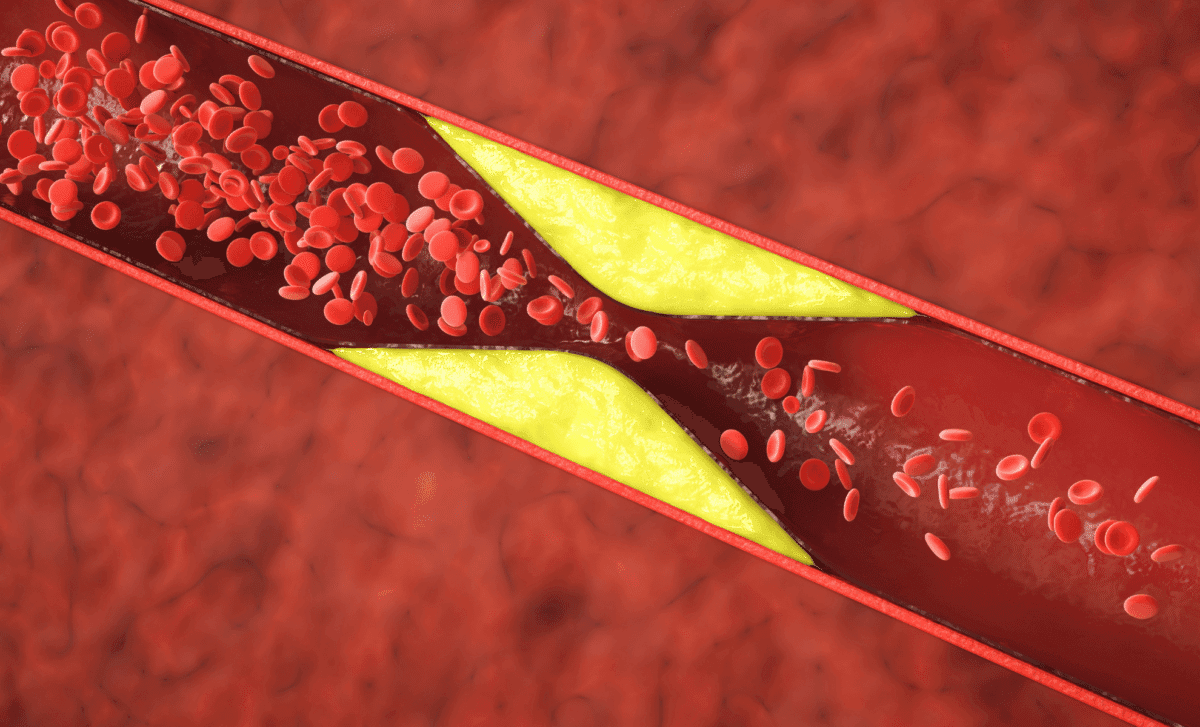
The Korean study’s findings highlight how cumulative exposure to high blood pressure—even at levels considered "mild"—can have devastating long-term effects. When blood pressure remains elevated for a decade, it forces the heart to work harder, thickens and stiffens artery walls, and reduces blood flow to vital organs. Over time, this can lead to left ventricular hypertrophy (an enlarged heart), heart failure, and atherosclerosis. The kidneys, which filter about 1,500 liters of blood daily, are equally vulnerable. High blood pressure damages the tiny blood vessels in the kidneys, impairing their ability to regulate fluid and electrolyte balance. This can progress to chronic kidney disease (CKD), a condition that affects 37 million Americans, according to the National Kidney Foundation. In severe cases, CKD requires dialysis or a transplant. The study’s lead researcher, Dr. Hyeon Chang Kim of Yonsei University College of Medicine, emphasized that "the damage from prolonged hypertension is often irreversible," making prevention and early treatment paramount.
High blood pressure is a known significant risk factor for developing both heart disease and kidney disease. It is thus unsurprising, although still concerning, that long periods of elevated blood pressure in young adulthood would lead to premature cardiovascular and kidney events in middle age.
Why Young Adults Ignore Hypertension—and Why It’s a Dangerous Mistake
Despite the well-documented risks, many young adults dismiss high blood pressure as a problem for older generations. A 2023 survey by the American Medical Association found that 62% of adults under 35 who were told they had hypertension did not follow up with treatment. Dr. Karishma Patwa, a board-certified cardiologist at Manhattan Cardiology, attributes this to a cultural misconception. "Often we ignore elevated blood pressures in young adults, thinking that we’ll just watch it," she said. "The new data is reinforcing that screening and management should begin much earlier than midlife." This oversight is compounded by the fact that hypertension in young adults is often asymptomatic. Unlike chest pain or shortness of breath, subtle signs like fatigue or headaches are easily attributed to stress or poor sleep. Additionally, primary care visits for young adults are less frequent than for older populations, reducing opportunities for early detection. The AHA’s 2025 High Blood Pressure Guidelines address this gap by recommending that adults with stage 1 hypertension (130-139/80-89 mm Hg) begin lifestyle modifications immediately, with medication considered after 3-6 months if risks persist.
How the American Heart Association’s Guidelines Are Evolving
The AHA’s most recent guidelines mark a shift from previous recommendations that often delayed treatment for younger adults. Under the updated 2025 framework, clinicians are encouraged to assess a patient’s 10-year cardiovascular risk using tools like the Pooled Cohort Equations, but also to consider lifetime risk—especially for those under 40. Dr. Patwa notes that 10-year predictors can be limiting for younger patients, as they may not account for decades of potential damage. "I would individualize my approach for each patient and look at their overall lifetime risk trajectory prior to starting medications," she explained. The guidelines also emphasize the role of non-pharmacological interventions, including the DASH (Dietary Approaches to Stop Hypertension) diet, regular aerobic exercise, weight loss, and limiting alcohol and sodium intake. For those requiring medication, options like ACE inhibitors, calcium channel blockers, or thiazide diuretics are typically prescribed. The AHA stresses that medication should never replace lifestyle changes but serve as a tool to manage risk while patients adopt healthier habits.
Key Takeaways: What You Need to Know About Hypertension in Your 30s and 40s
- Adults with persistently high blood pressure from ages 30 to 40 face a 27% higher risk of heart disease and 22% higher risk of kidney disease after 40.
- Even modest increases in blood pressure (10 mm Hg systolic or 5 mm Hg diastolic) over a decade significantly elevate long-term risks.
- Hypertension is often asymptomatic in young adults, leading to underdiagnosis and delayed treatment.
- The AHA recommends immediate lifestyle changes for stage 1 hypertension, with medication considered after 3-6 months if risks persist.
- Early intervention—through diet, exercise, and medical management—can prevent irreversible organ damage.
What You Can Do Now to Protect Your Long-Term Health
The Korean study’s findings serve as a wake-up call for young adults to take blood pressure seriously. Here’s a step-by-step guide to reducing your risk: First, schedule an annual physical with your primary care physician, particularly if you have a family history of hypertension, heart disease, or kidney disease. During the visit, request a blood pressure reading and ask whether you fall within the healthy range (less than 120/80 mm Hg). If your levels are elevated, your doctor may recommend home monitoring with an FDA-approved cuff, as readings taken in a clinical setting can be artificially high due to "white-coat syndrome." Next, adopt the DASH diet, which emphasizes fruits, vegetables, whole grains, lean proteins, and low-fat dairy while limiting sodium to 1,500-2,300 mg per day. Regular physical activity is equally critical: the CDC recommends at least 150 minutes of moderate-intensity exercise (like brisk walking) or 75 minutes of vigorous activity (like running) per week. For those with a BMI over 25, losing even 5-10% of body weight can lower systolic pressure by 5-20 mm Hg. Finally, limit alcohol to no more than one drink per day for women and two for men, and avoid smoking, which accelerates arterial damage. If lifestyle changes aren’t enough, work with your doctor to explore medication options tailored to your risk profile.
The Broader Public Health Impact: Rising Hypertension in a Younger Population
The rise in hypertension among young adults reflects broader societal trends, including the obesity epidemic, poor dietary habits, and increasing stress levels. According to the CDC, the prevalence of high blood pressure among adults aged 18-39 more than doubled from 2000 to 2019, now affecting nearly 1 in 5 young adults. Contributing factors include the overconsumption of processed foods high in sodium and sugar, sedentary lifestyles tied to desk jobs and screen time, and the mental health toll of economic instability and social media pressures. The pandemic exacerbated these trends, with studies showing a 14% increase in hypertension diagnoses among adults under 40 during 2020-2021. Public health experts warn that if left unchecked, this trend could reverse decades of progress in reducing heart disease mortality. Dr. Cheng-Han Chen, an interventional cardiologist at MemorialCare Saddleback Medical Center, notes that "the pandemic’s impact on mental health and lifestyle changes has likely contributed to this surge," underscoring the need for systemic interventions, such as workplace wellness programs and school-based nutrition education.
Frequently Asked Questions About High Blood Pressure in Young Adults
Frequently Asked Questions
- At what blood pressure level should young adults start worrying?
- The AHA defines stage 1 hypertension as 130-139/80-89 mm Hg. While not an immediate emergency, levels in this range warrant lifestyle changes and regular monitoring. Stage 2 hypertension (140+/90+ mm Hg) requires prompt medical evaluation.
- Can I lower my blood pressure without medication?
- Yes. The DASH diet, regular exercise, weight loss, and reducing sodium and alcohol intake can lower systolic pressure by 5-20 mm Hg. These changes are often sufficient for stage 1 hypertension in young adults.
- How often should young adults get their blood pressure checked?
- The AHA recommends annual screenings for adults over 20. If you have risk factors (family history, obesity, or a sedentary lifestyle), your doctor may suggest more frequent checks.