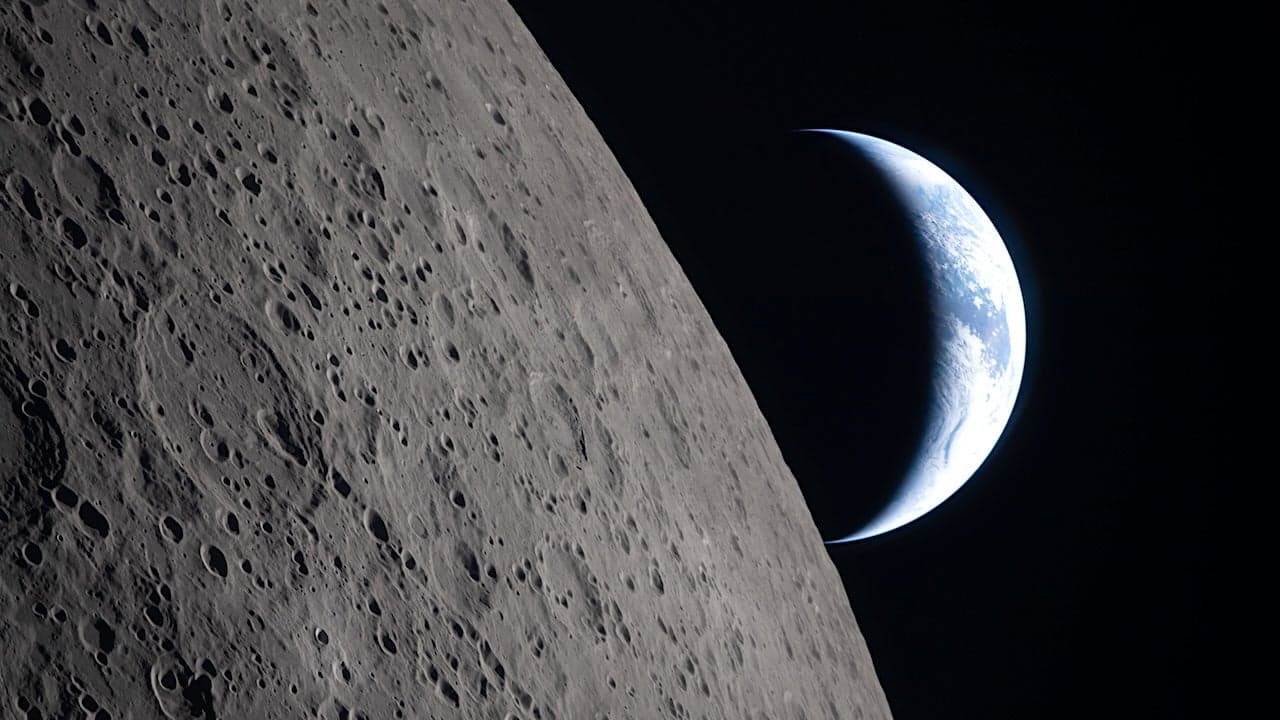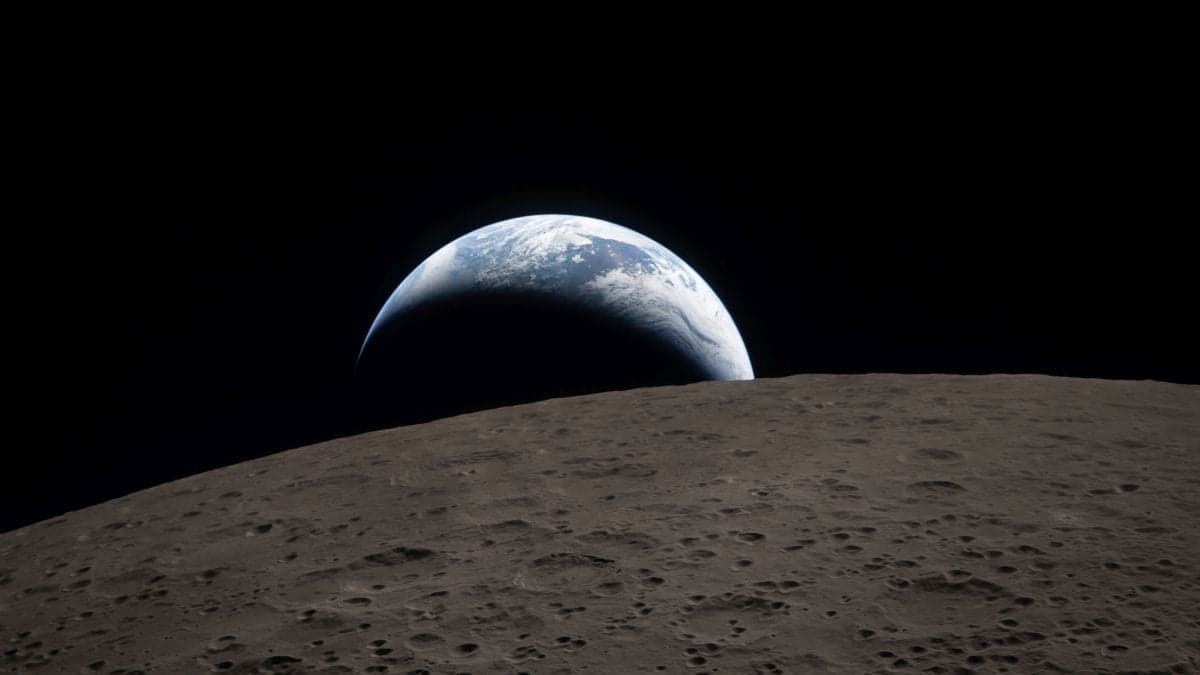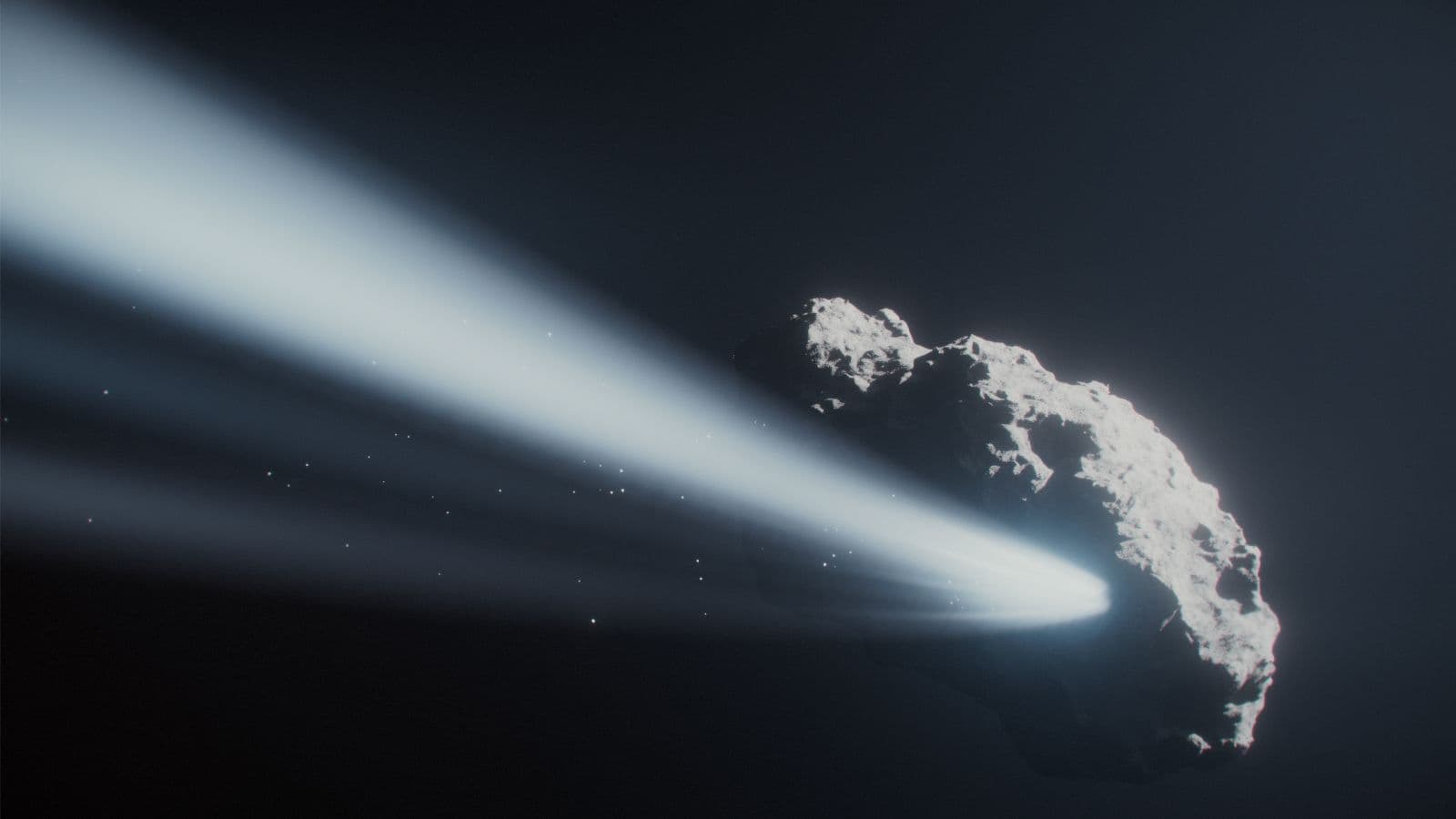
In a groundbreaking discovery that has sent shockwaves through the astronomical community, scientists have documented the first-ever observed reversal of a comet’s spin axis during a close encounter with Earth. The celestial oddity, comet 41P Tuttle-Giacobini-Kresák (41P for short), performed this cosmic pirouette during its 2017 flyby, a phenomenon captured in archival images from the Hubble Space Telescope that were only recently analyzed in detail. The findings, published in The Astronomical Journal on March 26, reveal how outgassing jets—streams of gas and dust erupting from the comet’s icy nucleus—can dramatically alter a small comet’s rotation, potentially accelerating its demise.
How a Tiny Comet’s Spin Reversal Was Discovered Through Hubble’s Archived Images
The story of comet 41P’s spin reversal begins with a routine observation campaign during its 2017 close approach to Earth, when it passed within 13.2 million miles (21.2 million kilometers) of our planet. While ground-based telescopes tracked its movement, the Hubble Space Telescope captured high-resolution images of the comet that were initially filed away without deeper analysis. It wasn’t until decades later that David Jewitt, a planetary astronomer at the University of California, Los Angeles (UCLA), revisited this data as part of a broader study on cometary behavior.
Jewitt’s examination of the Hubble images, cross-referenced with ground-based observations, uncovered a startling sequence of events. In March 2017, comet 41P was spinning at a rate of roughly one rotation every 20 hours. By May of that year, its spin had slowed dramatically to a sluggish one rotation every 46 to 60 hours—a deceleration equivalent to three times its previous rate. Yet by December 2017, the comet was spinning in the opposite direction at a breakneck pace of one rotation every 14 hours. This reversal defied all prior expectations, as astronomers had only observed comets slowing down or speeding up—not flipping direction entirely.
The Role of Outgassing in Cometary Rotation
Comets are notoriously unstable celestial bodies, composed of a mix of ice, dust, and frozen gases that form their distinctive nuclei. When a comet nears the sun, solar radiation heats its surface, causing these volatile compounds to sublimate—transitioning directly from solid to gas—and escape through cracks in the nucleus. This process, known as outgassing, can generate powerful jets of material that act like thrusters, pushing the comet in unexpected ways.
For comet 41P, its relatively diminutive size—estimated at just 0.6 miles (1 kilometer) across, roughly three times the height of the Eiffel Tower—made it particularly susceptible to these outgassing forces. Most comets are far larger, with nuclei spanning several kilometers, which allows their spin to remain stable despite minor outgassing events. But 41P’s small stature meant that even a single powerful jet could dramatically alter its rotation.
Jets of gas streaming off the surface can act like small thrusters. If those jets are unevenly distributed, they can dramatically change how a comet, especially a small one, rotates.
Jewitt’s analysis suggests that the initial slowdown in 41P’s spin was caused by outgassing jets pushing against its original direction of rotation. Over time, however, the cumulative effect of these jets reversed the comet’s spin entirely. This mechanism is akin to how a person pushing against the edge of a merry-go-round can slow it down and eventually reverse its direction.
Why Comet 41P’s Origins and Composition Matter in Its Unusual Behavior
Comet 41P is a periodic comet, meaning it follows a predictable orbit around the sun that brings it close to Earth every 5.4 years. Its full name—41P Tuttle-Giacobini-Kresák—honors the three astronomers who independently discovered it across nearly a century: Horace Parnell Tuttle in 1858, Michel Giacobini in 1907, and Ľubor Kresák in 1951. This comet belongs to the Jupiter family of comets, a group of icy bodies whose orbits are strongly influenced by the gas giant’s gravity. Many of these comets originate from the Kuiper Belt, a vast ring of icy debris extending beyond the orbit of Neptune, where they spend most of their existence in a frozen, dormant state.
The Kuiper Belt is a treasure trove of primordial solar system material, preserving the conditions of the early solar system in its frozen depths. Comets like 41P are essentially time capsules, containing clues about the chemical composition and physical processes that shaped our planetary neighborhood billions of years ago. However, their journey toward the inner solar system exposes them to increasing solar radiation, which triggers the outgassing that can ultimately lead to their destruction.
The Comet’s Small Size: A Double-Edged Sword
Comet 41P’s small size is a critical factor in its spin reversal. With a nucleus measuring just 1 kilometer in diameter, it is far smaller than many of its cometary peers. For comparison, the nucleus of Halley’s Comet measures about 15 kilometers across, while the recently fragmented comet C/2025 K1 (ATLAS) had a nucleus estimated at 2 kilometers. Smaller comets have less rotational inertia, meaning their spin is more easily disrupted by external forces like outgassing jets.
This vulnerability to rotational changes has led some astronomers to speculate that 41P’s future passes near the sun could result in further outgassing events that destabilize its nucleus. If the jets become strong enough, the comet could experience structural failure, causing it to break apart into smaller fragments—a fate similar to that of comet C/2025 K1 (ATLAS), which disintegrated spectacularly in late 2025 after repeated perihelion passages (its closest approach to the sun).
The Broader Implications for Cometary Science and Planetary Defense
The discovery of 41P’s spin reversal has significant implications for our understanding of cometary dynamics and the long-term stability of these icy bodies. For decades, astronomers have observed comets exhibiting changes in their rotational periods, but none had been documented reversing their spin direction until now. This finding suggests that such reversals may be more common among small comets than previously thought, particularly those with irregularly shaped nuclei or uneven distributions of outgassing jets.
Understanding how comets spin—and how they can be disrupted—is not just an academic curiosity. These objects pose a potential threat to Earth, as even small changes in a comet’s trajectory could bring it into a collision course with our planet. While the likelihood of such an event is low, NASA and other space agencies actively monitor near-Earth objects (NEOs) to assess their trajectories and potential risks. The study of 41P’s behavior provides valuable data for refining models of cometary motion and predicting their future paths.
Key Takeaways: What This Discovery Means for Astronomy
- Comet 41P Tuttle-Giacobini-Kresák is the first known comet to reverse its spin direction due to outgassing jets during a 2017 Earth flyby.
- The comet’s small size (1 kilometer across) made it particularly susceptible to rotational changes, allowing outgassing to dramatically alter its spin.
- Astronomers warn that repeated outgassing events could lead to the comet’s self-destruction, similar to the fate of comet C/2025 K1 (ATLAS).
- The discovery highlights the need for continued monitoring of small comets, as their unpredictable behavior could pose risks for future planetary defense efforts.
Historical Context: How Comet 41P Fits Into Our Understanding of Comets
Comets have fascinated humanity for millennia, often serving as omens or symbols of divine intervention in ancient cultures. The scientific study of comets began in earnest in the 16th and 17th centuries, with astronomers like Tycho Brahe and Johannes Kepler making early observations of their orbits. The 18th and 19th centuries saw the discovery of many periodic comets, including 41P, which was first spotted by Horace Parnell Tuttle in 1858.
In the 20th century, advances in telescope technology and space exploration transformed our understanding of comets. Missions like NASA’s Stardust, which collected samples from comet Wild 2 in 2004, and the European Space Agency’s Rosetta mission, which landed a probe on comet 67P/Churyumov-Gerasimenko in 2014, provided unprecedented insights into their composition and behavior. These missions confirmed that comets are rich in organic molecules, water ice, and other volatile compounds, making them valuable targets for studying the origins of life on Earth.
The Future of Comet 41P: Will It Self-Destruct or Survive?
As comet 41P continues its journey through the inner solar system, astronomers are closely monitoring its behavior for signs of further instability. Jewitt’s study suggests that the comet’s next perihelion passage—expected in the coming years—could trigger additional outgassing events that either stabilize its rotation or accelerate its demise. If the latter occurs, 41P could join the ranks of comets like C/2025 K1 (ATLAS) and 73P/Schwassmann-Wachmann 3, which fragmented spectacularly under the stress of repeated solar heating.
The potential self-destruction of 41P also presents an opportunity for astronomers to study the final stages of a comet’s life cycle. By observing how its nucleus breaks apart, scientists can gain insights into the structural integrity of cometary material and the forces that govern their disintegration. Such observations could inform future missions aimed at deflecting or studying hazardous comets before they pose a threat to Earth.
Frequently Asked Questions About Comet 41P’s Spin Reversal
Frequently Asked Questions
- Could comet 41P’s spin reversal pose a threat to Earth?
- No, comet 41P’s spin reversal does not pose any immediate threat to Earth. Its orbit is well understood, and it poses no risk of collision with our planet. The study of its behavior is purely scientific and helps astronomers better understand cometary dynamics.
- How often do comets reverse their spin direction?
- Spin reversals in comets are extremely rare and have only been observed once in comet 41P. Most comets experience gradual changes in their rotational speed due to outgassing, but a complete reversal is unprecedented in recorded astronomical history.
- What causes a comet to outgas?
- Comets outgas when they approach the sun, as solar radiation heats their icy surfaces, causing frozen gases like water, carbon dioxide, and methane to sublimate into jets of gas and dust. These jets can exert pressure on the comet’s nucleus, altering its rotation or trajectory.