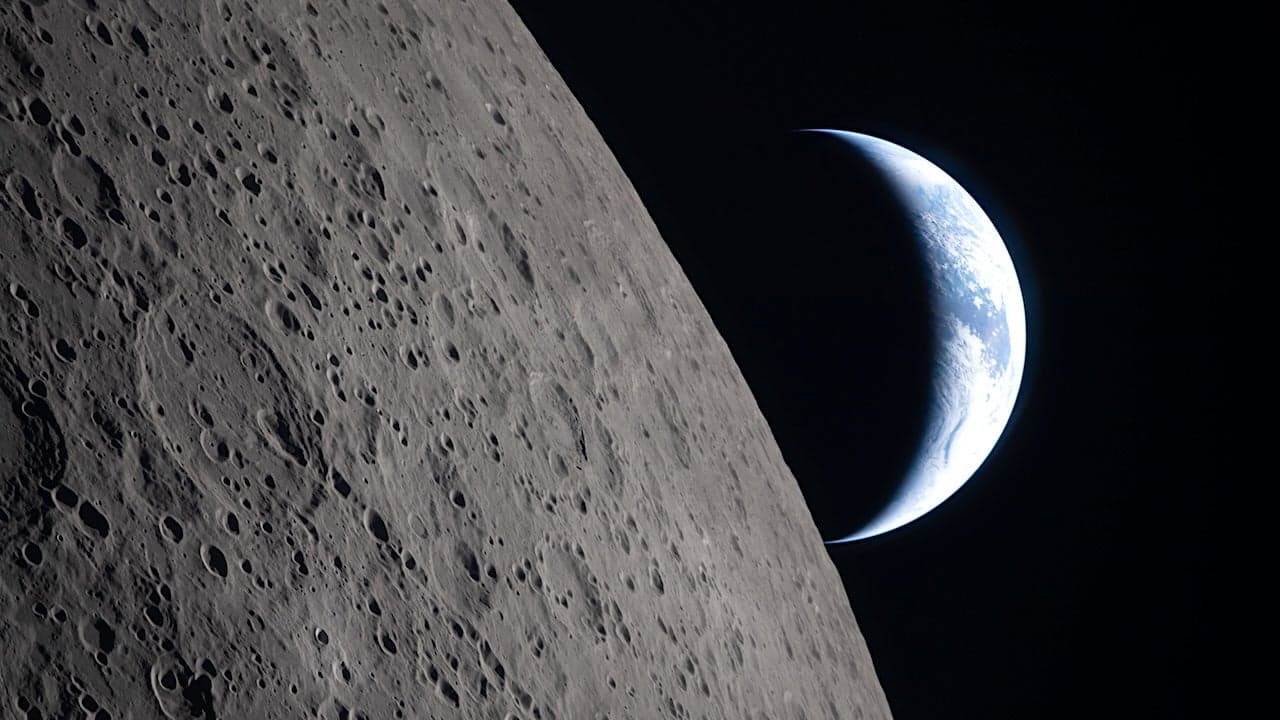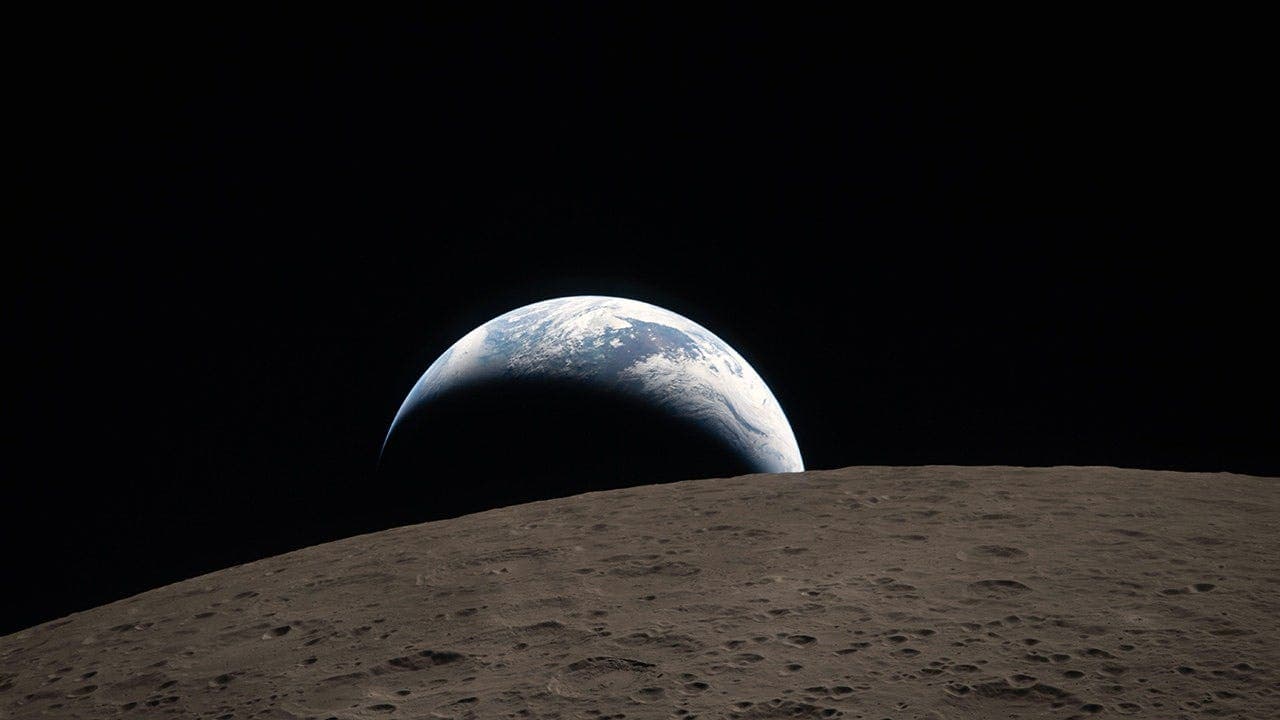
Humanity just saw the Moon like never before. On April 6, 2026, the four astronauts aboard NASA’s Orion spacecraft *Integrity* became the first people in history to photograph the far side of the Moon from a vantage point over 400,000 kilometers from Earth. Their seven-hour lunar flyby—part of the Artemis II mission—yielded a trove of breathtaking images, including a striking "Earthrise" over the lunar limb, a surreal in-space solar eclipse, and high-resolution snapshots of the Moon’s heavily cratered far side. These visuals, beamed back to Earth after a 40-minute communications blackout, are more than just record-breaking feats of spaceflight; they represent a pivotal leap in lunar science and NASA’s long-term goal of returning humans to the Moon—and eventually sending them to Mars.
Why the Artemis II Flyby Marks a Turning Point for Lunar Exploration
The Artemis II mission, launched aboard NASA’s Space Launch System (SLS) rocket in late March 2026, is the first crewed venture beyond low Earth orbit since the Apollo 17 mission in 1972. While Artemis I in 2022 was an uncrewed test flight, Artemis II carried a crew of four astronauts deeper into space than any human before them—a distance of 406,771 kilometers from Earth at its farthest point, roughly 1,000 times farther than the International Space Station orbits. The mission’s primary objectives included testing the Orion spacecraft’s systems, assessing crew performance in deep space, and conducting scientific observations of the Moon’s far side, a region permanently hidden from Earth’s view.
The Crew: Pioneers Pushing the Boundaries of Spaceflight
Commanding the mission was Reid Wiseman, a veteran NASA astronaut and former Chief of the Astronaut Office, who had previously spent 165 days aboard the ISS. Pilot Victor Glover, the first Black astronaut to serve on a lunar mission, brought extensive experience from his 2020–2021 ISS expedition. Mission specialists Christina Koch, an engineer and record-setting spacewalker, and Jeremy Hansen, the first Canadian to fly to the Moon, rounded out the crew. Their combined expertise—spanning long-duration spaceflight, robotics, and geology—was critical for the mission’s scientific and technical challenges. "This isn’t just a test flight; it’s a proving ground for the future of deep space exploration," Wiseman said during a pre-flight briefing.
A Rare View: Earthrise, Solar Eclipses, and Lunar Mysteries
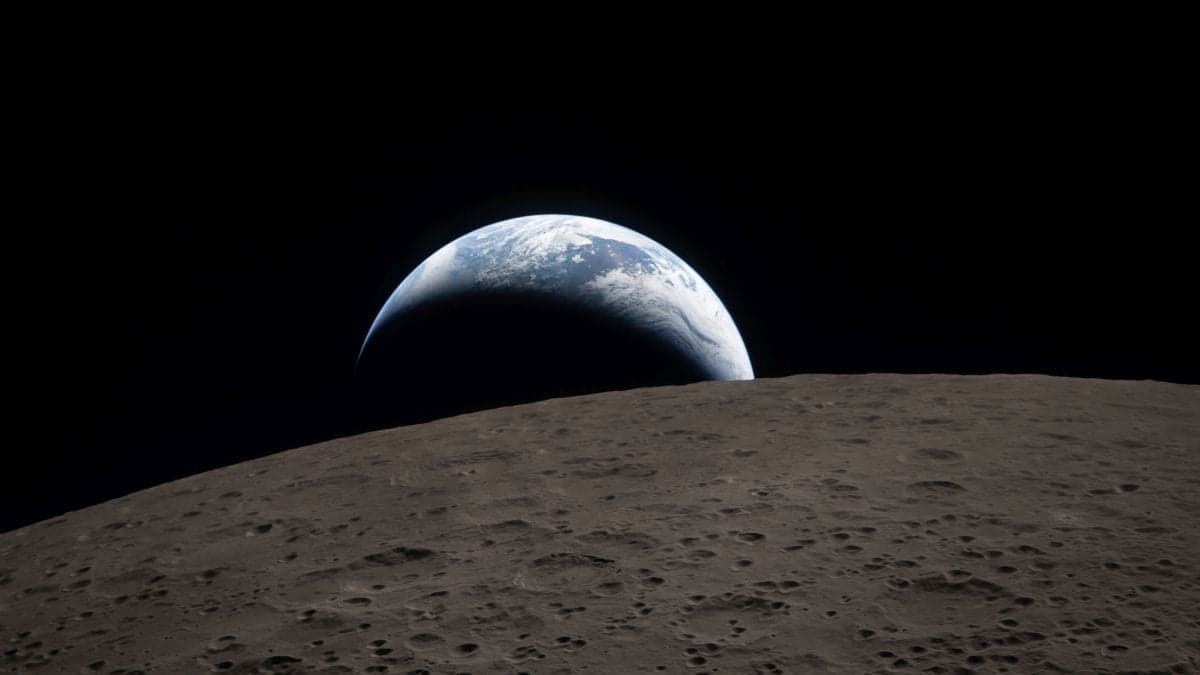
The most iconic images from the flyby captured the "Earthrise" phenomenon—a sight familiar from Apollo missions but never before documented by a crewed spacecraft on the far side. As *Integrity* emerged from behind the Moon, the astronauts witnessed Earth hanging low on the lunar horizon, its blue hues contrasting sharply with the stark, gray lunar landscape. Moments later, the crew observed a total solar eclipse lasting nearly an hour, as the Moon passed between the spacecraft and the Sun. This rare alignment allowed them to photograph the Sun’s corona, the wispy outer atmosphere usually obscured by the Sun’s glare, revealing intricate magnetic structures and solar flares in unprecedented detail. "It was like watching a living, breathing star," Koch recounted in a post-mission interview. "The corona was alive with activity—something you can’t capture from Earth without special equipment."
The Moon’s Two Faces: Why the Far Side is a Geological Puzzle
The images sent back by Artemis II highlight the stark differences between the Moon’s near and far sides. The near side, visible from Earth, is dominated by vast, dark plains called *maria*—ancient lava flows that filled giant impact basins millions of years ago. In contrast, the far side is almost entirely devoid of these basaltic plains and instead is pockmarked with countless craters, including the massive South Pole-Aitken Basin, one of the largest impact structures in the solar system. This asymmetry has puzzled scientists for decades. The leading theories suggest that the Moon’s crust on the far side is thicker, preventing magma from reaching the surface, but the exact mechanisms remain unknown. The high-resolution images and spectroscopic data collected by Artemis II’s crew could provide clues to this enduring mystery.
Scientific Gold: What the Images Reveal About the Moon’s History
Beyond their visual splendor, the images captured by Artemis II are a scientific treasure trove. The crew documented impact craters in striking detail, including some with bright ejecta rays that hint at relatively recent collisions. They also observed ancient lava flows and surface fractures, which could help researchers reconstruct the Moon’s volcanic history. Additionally, the crew’s observations of six faint meteoroid impacts on the lunar surface—visible only during the solar eclipse—offer new data on the frequency of space rock collisions. NASA’s Science Directorate associate administrator, Nicky Fox, emphasized the mission’s importance: "These images are not just beautiful; they are a scientific breakthrough. The data will inform our understanding of the Moon’s formation, its relationship with Earth, and even the conditions that may have supported life in the early solar system."
The Riskiest Leg: Preparing for Reentry and Splashdown
As *Integrity* completed its lunar flyby, the crew began the return journey, targeting a splashdown in the Pacific Ocean off San Diego on April 11, 2026, at 00:07 UTC. While the lunar flyby was a historic achievement, the reentry phase poses the mission’s greatest technical challenge. Orion will plunge into Earth’s atmosphere at speeds exceeding 40,000 km/h, subjecting the spacecraft to temperatures of nearly 2,800°C (5,000°F). The heat shield, a critical innovation from the Apollo era, has been upgraded with new materials to withstand the extreme conditions. If successful, the splashdown will validate Orion’s readiness for future Artemis missions, including the planned crewed lunar landing of Artemis III in 2027.
Lessons for Artemis III and Beyond
The data and imagery collected during Artemis II will directly inform the planning of Artemis III, which aims to land astronauts near the Moon’s south pole—a region believed to contain water ice in permanently shadowed craters. The far side flyby also provided critical insights into the Orion spacecraft’s performance in deep space, including its communication systems, life support, and thermal protection. These lessons are essential as NASA prepares for longer-duration missions under the Artemis program, which envisions a sustainable human presence on the Moon by the end of the decade. "Every image, every data point from Artemis II brings us one step closer to boots on the lunar surface—and eventually, Mars," Glover said during a post-mission press conference.
The Broader Implications: How Artemis II Fits Into NASA’s Lunar Ambitions
The Artemis program is more than a series of missions; it’s a cornerstone of NASA’s broader strategy to establish a permanent human presence on the Moon and lay the groundwork for crewed missions to Mars. Artemis II’s success is a prerequisite for Artemis III and IV, which will test new technologies like lunar landers, habitats, and in-situ resource utilization systems. The program also aligns with international partnerships, including contributions from the European Space Agency (ESA), which provided the European Service Module for Orion, and commercial partners like SpaceX and Blue Origin, which are developing lunar landers. By demonstrating the feasibility of crewed lunar flybys and testing critical systems, Artemis II is paving the way for a new era of space exploration.
Key Takeaways: What the Artemis II Mission Achieved
- Artemis II marked the first crewed mission to photograph the Moon’s far side, capturing Earthrises, a solar eclipse, and unprecedented geological details.
- The seven-hour lunar flyby took the Orion spacecraft *Integrity* 406,771 km from Earth, the farthest any humans have traveled since 1972.
- The images and data collected will help scientists unravel the Moon’s geologic history and asymmetry between its near and far sides.
- The mission tested Orion’s systems for future Artemis landings, including a high-risk reentry and splashdown scheduled for April 11, 2026.
- Artemis II is a critical stepping stone for NASA’s goal of establishing a sustainable human presence on the Moon by the end of the decade.
Frequently Asked Questions About the Artemis II Lunar Flyby
Frequently Asked Questions
- Why is the far side of the Moon so different from the near side?
- The Moon’s far side lacks the large, dark basaltic plains (maria) that dominate the near side, likely due to a thicker crust that prevented volcanic activity from reaching the surface. The reason for this asymmetry remains one of the Moon’s greatest unsolved mysteries.
- What is the purpose of the Artemis II mission?
- Artemis II is a crewed lunar flyby mission designed to test the Orion spacecraft’s systems, assess crew performance in deep space, and collect scientific data about the Moon’s far side. It serves as a critical step toward future crewed lunar landings.
- When is the next Artemis mission after II?
- NASA plans to launch Artemis III in 2027, which will attempt the first crewed lunar landing since Apollo 17. Artemis IV, targeted for early 2028, will aim for a landing near the Moon’s south pole.