In a discovery that could reshape weather engineering, food science, and climate modeling, an international team of researchers has uncovered a remarkable natural phenomenon: common soil fungi are secreting highly efficient, cell-free proteins capable of freezing water at temperatures as warm as -2 degrees Celsius (28.4 degrees Fahrenheit). This breakthrough challenges long-held assumptions about ice formation, offering a non-toxic alternative to traditional cloud seeding methods that rely on toxic silver iodide—and potentially unlocking new pathways for preserving biological tissues, refining frozen foods, and improving the accuracy of global climate predictions. The study, published in Science Advances, represents a paradigm shift in how scientists understand the role of biological agents in atmospheric processes, with implications that stretch from the microscopic world of fungal genetics to the macroscopic scale of Earth’s climate systems.
Why Water Stays Liquid Below Freezing: The Science of Supercooling and Ice Nucleation
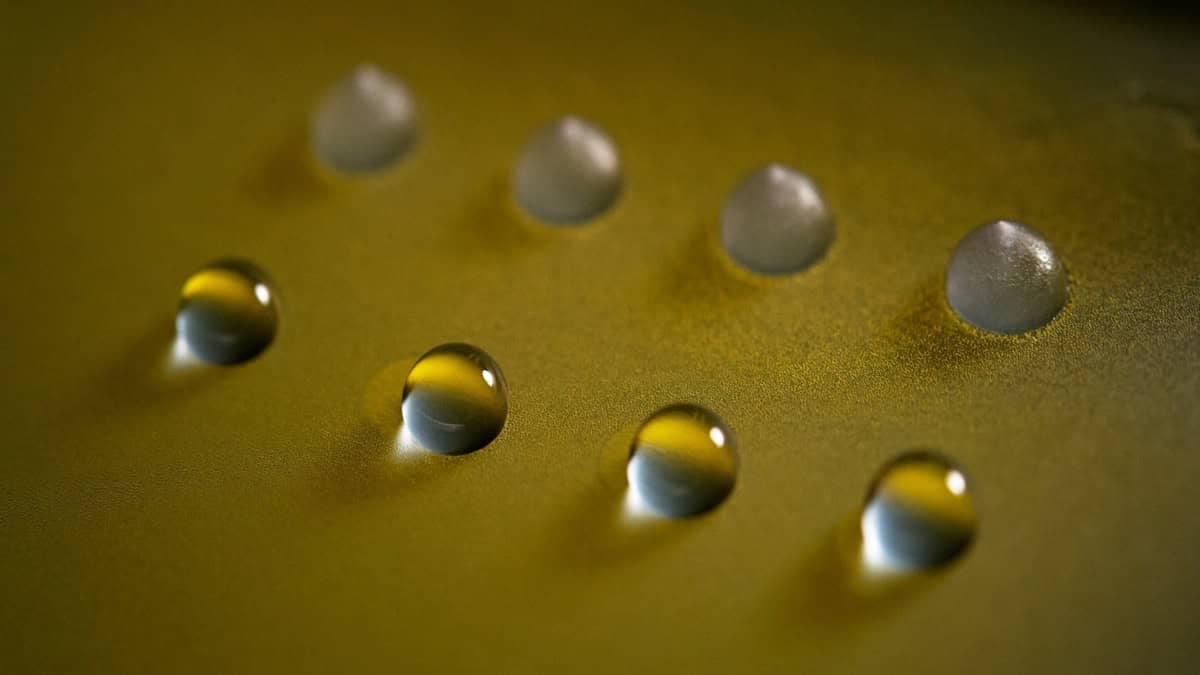
Water’s behavior at subzero temperatures is far more complex than the simple freezing point taught in high school. Pure water, unadulterated by impurities or surfaces, can remain in a liquid state even at -46°C (-50.8°F)—a phenomenon known as supercooling. Without a physical scaffold to initiate crystallization, water molecules resist organizing into ice crystals. This is where ice nucleators—microscopic particles that catalyze freezing—play a critical role. Traditionally, these nucleators have been inorganic, such as mineral dust, soot, or chemical compounds like silver iodide. When water molecules encounter these particles, they latch onto the surface, arranging themselves into a rigid crystal lattice that triggers a cascading freeze. However, nature often favors biological nucleators. Certain bacteria, for example, produce proteins that efficiently seed ice formation, enabling them to survive in freezing environments. The newly discovered fungal proteins represent a far more potent and versatile tool, capable of acting independently of cellular structures—a trait that sets them apart from their bacterial counterparts.
The Role of Ice Nucleators in Weather and Climate
Ice nucleators are not merely scientific curiosities; they are foundational to weather patterns and climate systems. In the atmosphere, these particles determine whether clouds produce rain, snow, or remain suspended as ice crystals. Their presence influences the reflective properties of clouds, known as albedo, which directly affects Earth’s energy balance. For decades, scientists have relied on silver iodide for cloud seeding—a process introduced in the 1940s to induce precipitation by mimicking the ice-nucleating properties of natural particles. While effective, silver iodide is toxic to aquatic life and raises environmental concerns. The fungal proteins discovered by the research team offer a biodegradable, non-toxic alternative, with the added advantage of operating at significantly warmer temperatures, making them more efficient for atmospheric applications.
The Fungal Ice Maker: How Soil Organisms Mastered the Art of Freezing
The story of these fungal ice nucleators begins not in a high-tech laboratory, but in the soil beneath our feet. Researchers from Virginia Tech, Boise State University, and international collaborators extracted samples from water and lichens during polar expeditions, focusing on fungi from the Mortierellaceae family—a group of common soil-dwelling organisms. By sequencing their DNA, the team identified genes strikingly similar to those found in bacterial ice nucleators, a discovery that initially baffled scientists. "It is known that fungi can acquire genes from bacteria, but it’s not something that is common," explained Boris A. Vinatzer, an environmental scientist at Virginia Tech and co-author of the study. "So I never expected that this fungal gene had a bacterial origin."
Horizontal Gene Transfer: When Fungi Borrowed Bacteria’s Freezing Blueprint
The genetic origin of these fungal ice nucleators traces back millions of years to a process called horizontal gene transfer—the movement of genetic material between organisms outside of parent-offspring inheritance. In this case, an ancient fungal ancestor likely acquired the ice-making genes from a neighboring bacterium. But fungi didn’t merely copy the bacterial blueprint; they evolved it. While bacterial ice nucleators are large, membrane-bound proteins that rely on the physical structure of the cell to function, fungi engineered a solution that operates independently. They evolved the protein to be secreted as a soluble, stable molecule, capable of freezing water without the need for cellular scaffolding. "Fungi use the same repetitive sequence architecture as bacteria for their ice-forming sites but have made them more soluble and stable, which probably benefits their ecological function," said Rosemary Eufemio, a biochemist at Boise State University and the study’s lead author. The result is a cell-free, highly efficient ice nucleator that can withstand harsh environmental conditions—a trait that makes it ideal for real-world applications.
From Cloud Seeding to Climate Models: The Broad Implications of Fungal Ice Nucleators
- A non-toxic alternative to silver iodide in cloud seeding, reducing environmental harm while improving precipitation efficiency.
- Potential to revolutionize frozen food production by enabling precise control over ice formation, preserving texture and nutritional value.
- Enhanced preservation of biological tissues and organs for medical applications by initiating freezing at higher temperatures.
- Improved accuracy of global climate models by accounting for the role of biological ice nucleators in cloud formation and albedo.
Replacing Toxic Chemicals in Weather Modification
For over 80 years, silver iodide has been the cornerstone of cloud seeding efforts, deployed in drought-stricken regions to induce rainfall or enhance snowpack. While effective, the chemical’s toxicity has long been a point of contention. Silver iodide can accumulate in ecosystems, posing risks to aquatic organisms and potentially entering the food chain. The fungal proteins discovered by the research team offer a compelling alternative. Because they are naturally occurring, biodegradable, and operate at warmer temperatures, they could significantly reduce the environmental footprint of weather modification. "If we learn how to cheaply produce enough of this fungal protein, then we could put that into clouds and make cloud seeding much safer," Vinatzer noted. The proteins’ stability in the atmosphere also makes them suitable for long-term deployment, addressing one of the key limitations of traditional cloud-seeding agents that degrade over time.
Frozen Food and Medical Preservation: The Cell-Free Advantage
The cell-free nature of fungal ice nucleators is a game-changer for industries reliant on controlled freezing. In food science, the ability to initiate ice formation at higher temperatures could prevent the cellular damage that occurs during conventional freezing processes. Strawberries, for example, often lose texture and flavor when frozen because ice crystals form slowly, rupturing cell walls. By introducing fungal proteins, food producers could achieve faster, more uniform freezing, preserving the integrity of the produce. Similarly, in medical applications, the preservation of biological tissues—such as organs for transplant or stem cell samples—requires extreme care. Traditional freezing methods risk ice crystal damage to delicate cellular structures. "Adding a fungal ice nucleator, which is a relatively small molecule, makes the water around the cell freeze much earlier before it gets very cold, to protect the delicate cell inside," Vinatzer explained. Unlike bacterial nucleators, which require live cells to be introduced into the system, fungal proteins can be isolated and purified, eliminating contamination risks.
Refining Climate Models: The Hidden Role of Fungi in Global Weather
Climate models are only as accurate as the data they incorporate, and one critical variable has long been overlooked: the role of biological ice nucleators in cloud formation. The proteins secreted by soil fungi are routinely swept into the atmosphere by wind, where they contribute to ice formation in clouds. Yet, their impact has historically been underestimated or ignored in climate simulations. "Now that we know this fungal molecule, it will become easier to find out how much of these kinds of molecules are in clouds," Vinatzer said. "And in the long run, this research could contribute to developing better climate models." By accounting for these biological nucleators, scientists could improve predictions of cloud behavior, precipitation patterns, and even global temperature trends. This discovery underscores the interconnectedness of Earth’s ecosystems, where soil microbes play an unsung role in shaping the climate.
The Future of Fungal Ice Nucleators: Challenges and Opportunities
While the potential applications of fungal ice nucleators are vast, significant hurdles remain before they can be widely deployed. One of the primary challenges is scalability—producing sufficient quantities of these proteins for commercial or environmental use will require advances in biotechnology. Current methods involve genetic engineering of organisms like yeast or bacteria to mass-produce the fungal proteins. Researchers are also exploring synthetic biology approaches to replicate the proteins in the lab. Another consideration is regulatory approval, particularly for applications like cloud seeding and food preservation, where safety and efficacy must be rigorously demonstrated. However, the scientific community is optimistic. "We’re just at the beginning of understanding the full potential of these molecules," said Eufemio. "As we uncover more about their properties and optimize their production, we could see them integrated into a range of technologies that rely on controlled ice formation."
A Paradigm Shift in Ice Science and Beyond
“This discovery challenges the way we think about ice formation in nature. We’ve long known that bacteria can nucleate ice, but fungi have now shown us that there are even more efficient, cell-free pathways to freezing. It’s a testament to the ingenuity of evolution—and a reminder that the solutions to our most pressing challenges may already exist in the natural world.” — Boris A. Vinatzer, Environmental Scientist, Virginia Tech
Key Takeaways: What You Need to Know About Fungal Ice Nucleators
- Fungi from the Mortierellaceae family secrete proteins that can freeze water at -2°C, far warmer than traditional nucleators, making them highly efficient for atmospheric applications.
- The fungal proteins are cell-free, stable, and biodegradable, offering a non-toxic alternative to silver iodide in cloud seeding and food preservation.
- Horizontal gene transfer between fungi and bacteria millions of years ago gave rise to these ice nucleators, which fungi further optimized for independent function.
- The discovery could improve climate models by accounting for biological ice nucleators in cloud formation and precipitation patterns.
- Applications extend to medical tissue preservation and frozen food production, where precise ice control is critical.
Frequently Asked Questions About Fungal Ice Nucleators and Their Applications
Frequently Asked Questions
- How do fungal ice nucleators compare to silver iodide in cloud seeding?
- Fungal proteins are biodegradable and non-toxic, unlike silver iodide, which can harm aquatic ecosystems. They also operate at warmer temperatures, making them more efficient for inducing precipitation. However, silver iodide has been used for decades and its behavior in the atmosphere is well-documented, whereas fungal proteins require further testing for large-scale deployment.
- Can fungal ice nucleators be used in food preservation today?
- The technology is still in the research phase, but the potential is significant. Fungal proteins could enable faster, more uniform freezing of foods like fruits and vegetables, preserving texture and nutritional value. Regulatory approval and scalable production methods would need to be established before commercial use.
- How do these fungal proteins affect climate change predictions?
- By accounting for biological ice nucleators in climate models, scientists can improve the accuracy of cloud behavior and precipitation forecasts. Since fungi are abundant in soils worldwide, their proteins likely play a larger role in atmospheric ice formation than previously recognized, which could refine long-term climate projections.