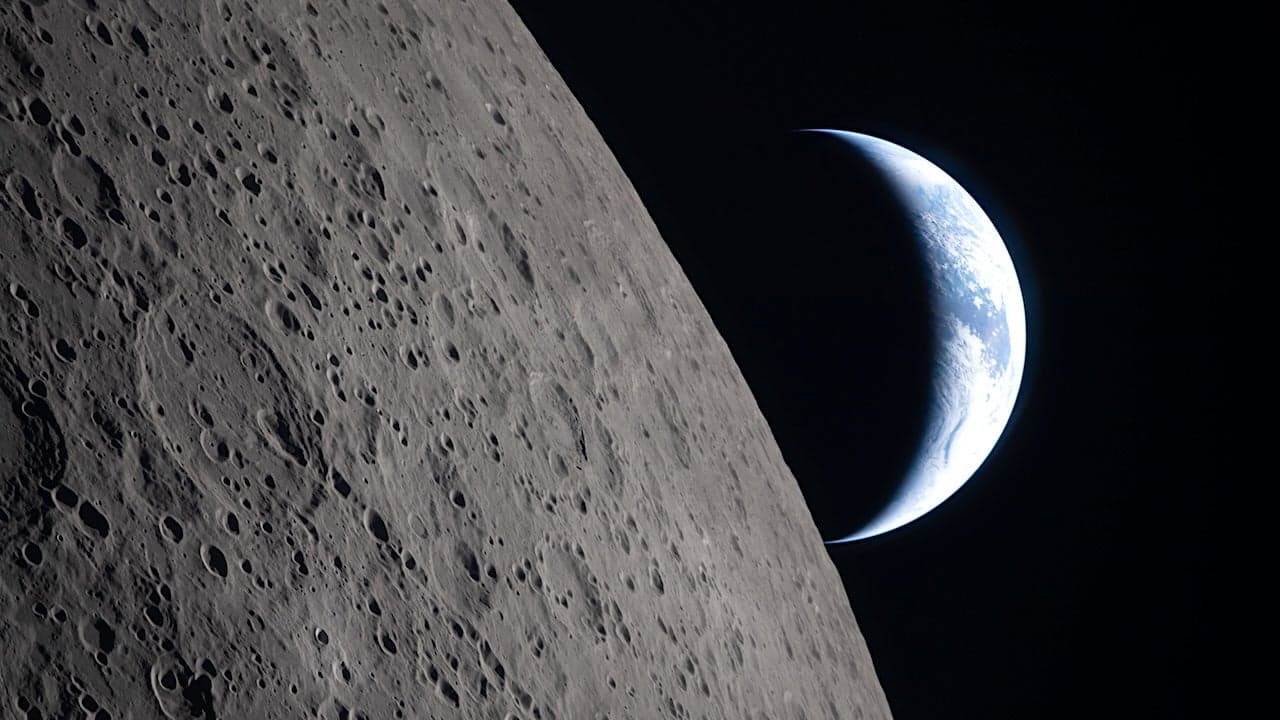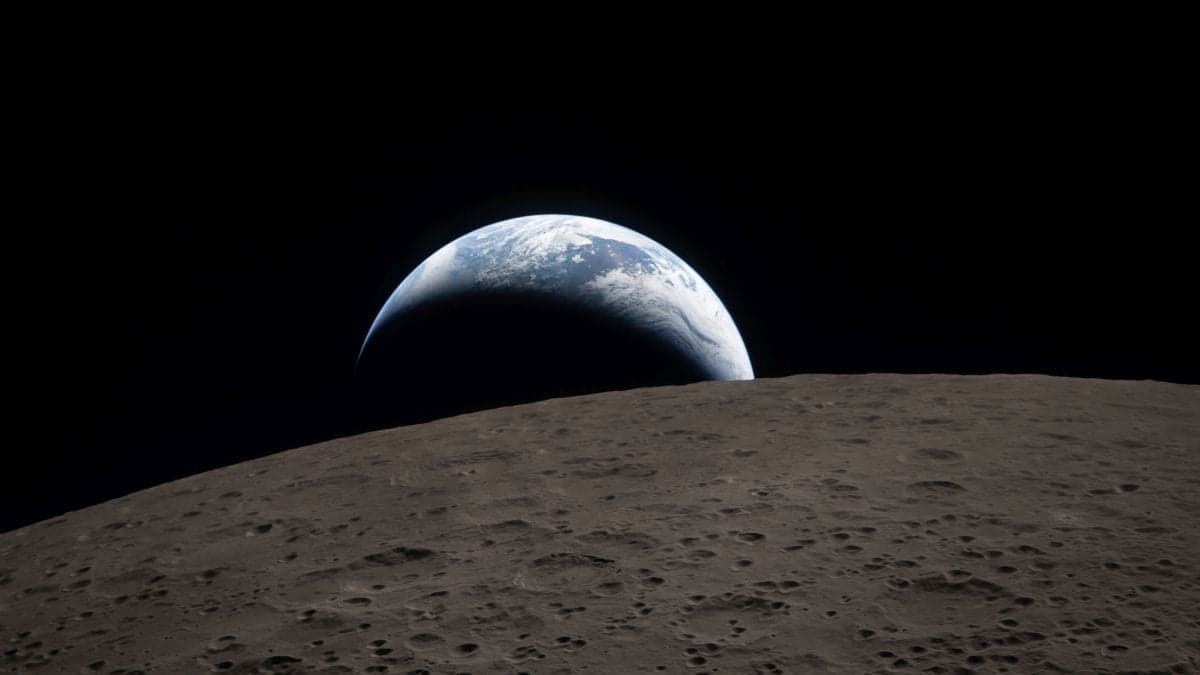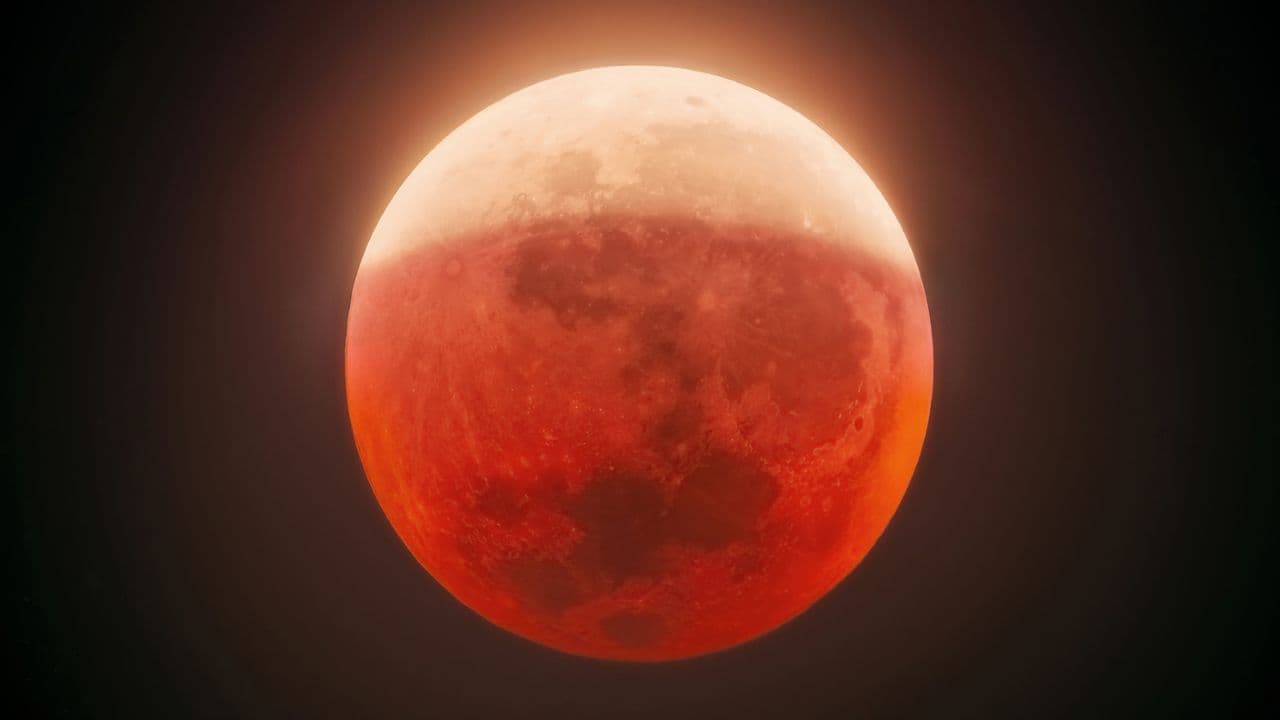
The final "blood moon" total lunar eclipse until 2029 is coming to North America this Tuesday (March 3). Here's how to watch it online.
When you purchase through links on our site, we may earn an affiliate commission. Here’s how it works.
Unlock instant access to exclusive member features.
By submitting your information you agree to the Terms & Conditions and Privacy Policy and are aged 16 or over. You are now subscribed
Once a week Life's Little Mysteries Feed your curiosity with an exclusive mystery every week, solved with science and delivered direct to your inbox before it's seen anywhere else.
Get full access to premium articles, exclusive features and a growing list of member rewards.
A total lunar eclipse will be visible from parts of North America on March 2-3, but not everyone is guaranteed to see it; daylight or clouds may obscure your view, depending on your location, and the moon’s low position to the horizon during the eclipse may also cause problems.
Thankfully, no matter where on Earth you are, you can still catch the "blood moon" online to savor the 58 minutes of lunar totality, when the moon moves completely into Earth's dark umbral shadow and turns red.
Here's a selection of astronomy organizations around the world that are planning to livestream the spectacular event, often using unique feeds from across the world. It will be the last total lunar eclipse until New Year's Eve 2028 and the last one visible from North America until June 25-26, 2029.
- The US will see a rare 'blood moon' eclipse before sunrise this March: Where and when to look
- Lucky few to see 'ring of fire' solar eclipse over Antarctica on Feb. 17
- How to photograph the moon: Tips on camera gear, settings and composition
The entire lunar eclipse on March 2-3 — from the point Earth's outer shadow creeps across the moon to the moment it leaves — lasts about 5.5 hours, from 3:44 a.m. to 9:23 a.m. EST Tuesday (March 3), according to Time and Date. With webcasts running on your phone, tablet and/or laptop, you can flip back and forth between shots of the eclipse in various regions of North America, as well as in Australia, New Zealand and East Asia.
Access to webcasts will be particularly important for skywatchers in Europe, Africa and most of Asia — where the eclipse won't be visible at all — or in the eastern time zones in North America. From the Midwest to the West Coast of North America, the totally eclipsed moon will be seen above the western horizon. However, from most of the East Coast, the moon will start to set just as it reaches totality.
Watch On Time and DateOne of the most reliable livestreamers of eclipses of all kinds, the Timeanddate.com team will once again be on hand with live feeds from around the world. Presenters Graham Jones and Anne Buckle will host, as always. This time, they will be joined by Preethi Krishnamoorthy and Avinash Surendran, aka the Starry Knights, who will join from Hawaii, with other feeds from Perth Observatory in Australia and the website's mobile observatory near Los Angeles.
Watch On Griffith ObservatoryTune in to the livestream from Griffith Observatory in Los Angeles from 12:47 a.m. to 6:25 a.m. PST on March 3, weather permitting. You can learn more about the broadcast on its homepage. Griffith's view will likely be among the finest in North America, perfectly poised to capture the entire event from start to finish, as is anywhere in California. (Note, this is an online-only event, with no on-site public viewing.)
Get the world’s most fascinating discoveries delivered straight to your inbox.
Astrophysicist Gianluca Masi, who founded The Virtual Telescope Project, will curate a broadcast of the live footage from astroimagers streaming live views of the total lunar eclipse across the globe, starting at 3:30 a.m. EST. North American coverage will include livestreams from Florida, Michigan, New Mexico and Montreal, while Australian locations will feature views from Queensland, New South Wales, Victoria and Western Australia.
Here are the times for lunar totality:
- Eastern time: 6:04-7:02 a.m. EST on March 3 (in most areas, moonset occurs during totality)
- Central time: 5:04-6:02 a.m. CST on March 3
- Mountain time: 4:04-5:02 a.m. MST on March 3
- Pacific time: 3:04-4:02 a.m. PST on March 3
- Alaska time: 2:04-3:02 a.m. AKST on March 3
- Hawaii time: 1:04-2:02 a.m. HST on March 3
Jamie Carter is a Cardiff, U.K.-based freelance science journalist and a regular contributor to Live Science. He is the author of\u00a0A Stargazing Program For Beginners\u00a0and co-author of\u00a0The Eclipse Effect, and leads international stargazing and eclipse-chasing tours. His work appears regularly in Space.com, Forbes, New Scientist, BBC Sky at Night, Sky & Telescope, and other major science and astronomy publications. He is also the editor of\u00a0WhenIsTheNextEclipse.com.","collapsible":{"enabled":true,"maxHeight":250,"readMoreText":"Read more","readLessText":"Read less"}}), "https://slice.vanilla.futurecdn.net/13-4-17/js/authorBio.js"); } else { console.error('%c FTE ','background: #9306F9; color: #ffffff','no lazy slice hydration function available'); } Jamie CarterSocial Links NavigationLive Science contributorJamie Carter is a Cardiff, U.K.-based freelance science journalist and a regular contributor to Live Science. He is the author of A Stargazing Program For Beginners and co-author of The Eclipse Effect, and leads international stargazing and eclipse-chasing tours. His work appears regularly in Space.com, Forbes, New Scientist, BBC Sky at Night, Sky & Telescope, and other major science and astronomy publications. He is also the editor of WhenIsTheNextEclipse.com.
You must confirm your public display name before commenting
Please logout and then login again, you will then be prompted to enter your display name.
- 1We now know why shoes squeak, and it involves miniature lightning bolts
- 2'Rare and enigmatic' structures found at the Milky Way's center in largest-ever map of its kind
- 3COVID-19 vaccination during pregnancy may cut risk of preeclampsia
- 4Follow the BBC's Kingdom and all your favorite natural history documentaries on your travels with this great deal on a top-rated VPN
- 5Can you crack our science word of the day puzzle?