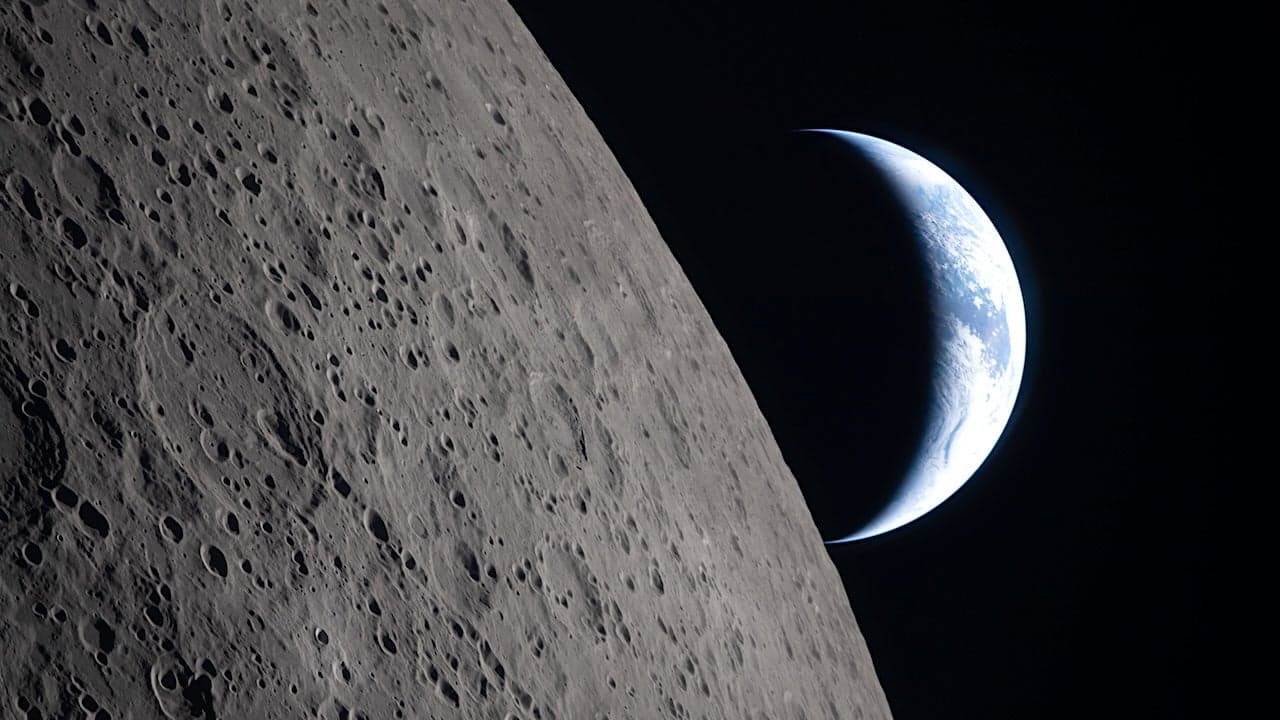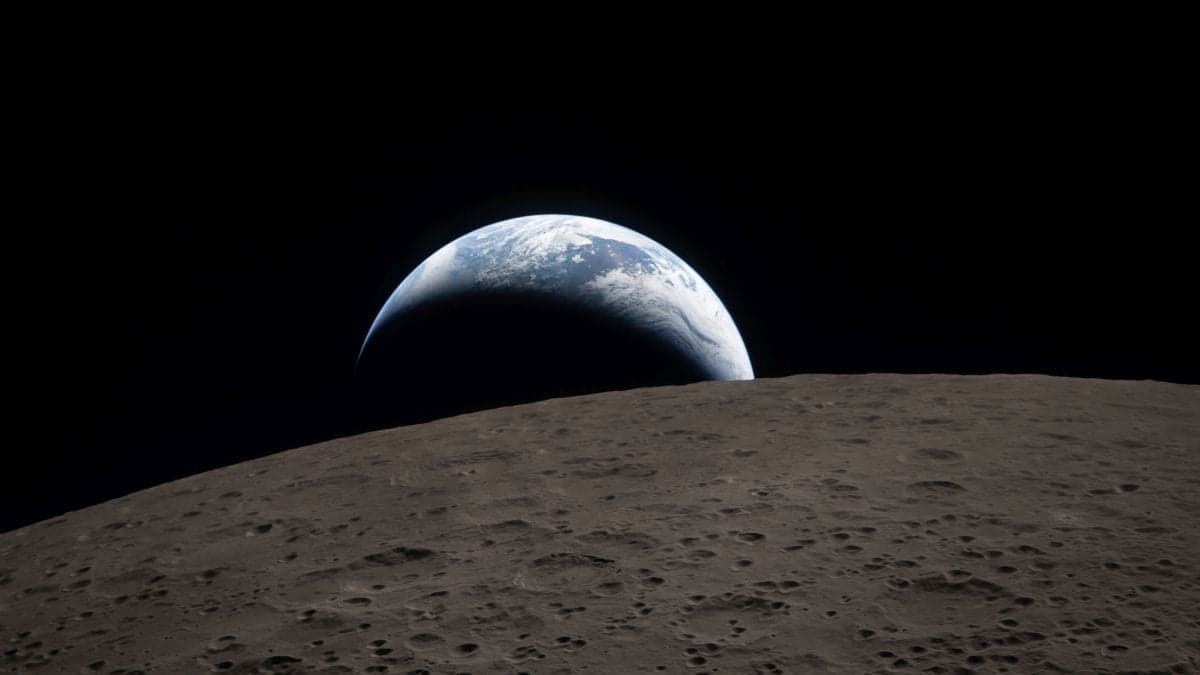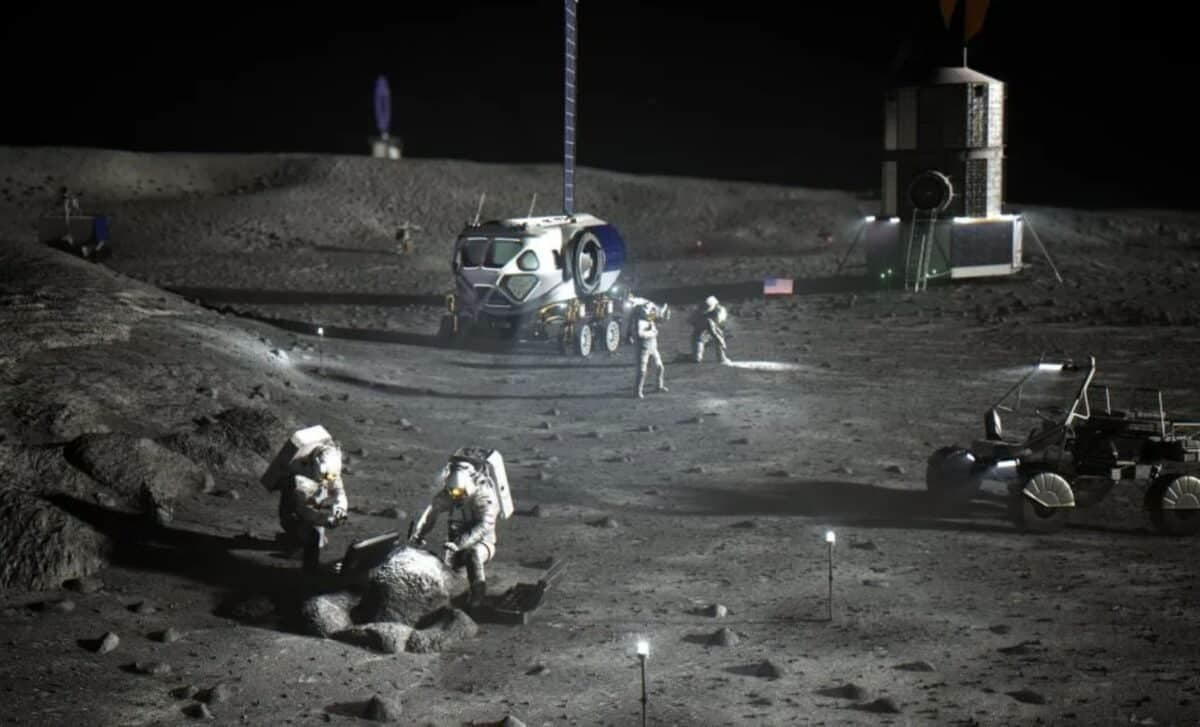
NASA is setting its sights on building a permanent base on the Moon, a huge step in humanity’s push to live and work in space for the long haul. With support from the U.S. Senate and a recent executive order, NASA is moving ahead with plans to lay the groundwork for a lunar base.
The base will be placed at the Moon’s south pole, an area rich in resources like water ice, which could support life and even be turned into rocket fuel. With growing competition from China and Russia, the U.S. is eager to maintain its leadership in space.
NASA has its eye on the Moon’s south pole for a very good reason: it could hold water ice, a vital resource for any long-term outpost. This ice could be used for drinking water or even converted into rocket fuel to support further exploration. The area also gets nearly constant sunlight, which is perfect for generating solar power. That’s not the case near the Moon’s equator, where temperatures swing wildly.
Finding the perfect spot is still a work in progress. According to NASA, locations like Shackleton Crater and Mons Mouton are strong candidates, but the final choice will depend on more than just resources; it’s all about ensuring a safe, stable location where astronauts can survive and thrive.
One of the biggest challenges of living on the lunar body is dealing with its long, harsh nights. With a 14-day day-night cycle, solar power won’t cut it for a permanent base. As stated in an executive order on the White House website, NASA is developing nuclear fission reactors to ensure the base has power during the lunar night.
with the goal of “enabling near-term utilization of space nuclear power by deploying nuclear reactors on the Moon and in orbit, including a lunar surface reactor ready for launch by 2030.”
The reactors would launch inactive and be activated on the Earth’s companion. They’d be buried or placed away from the habitat to shield astronauts from radiation. But this raises legal issues: the Artemis Accords promote safety and transparency, while the Outer Space Treaty grants all nations access to any part of the silver orb.
Building a lunar base isn’t as simple as landing and unpacking. It will take time and a lot of prep work. NASA plans to send robotic missions to study the lunar sphere’s surface, identify resources, and set up the infrastructure for the base. These missions will also prepare landing sites by clearing the ground and turning it into harder surfaces to avoid damage from the abrasive lunar dust.
Once on the Moon, astronauts will live in modules that can be expanded once they land. Down the line, NASA might even use the Moon’s own soil to build more permanent structures, protecting them from radiation and micrometeorites. But as with any big project, funding and international cooperation will be key to making this dream a reality.