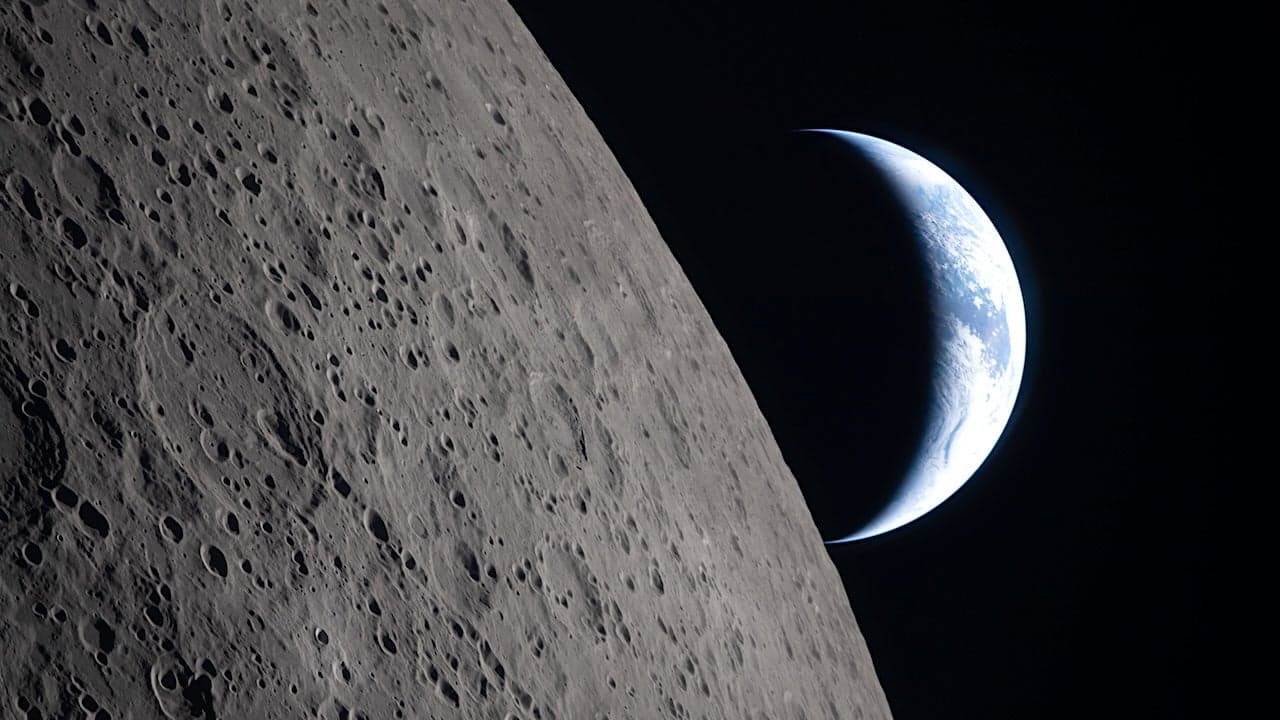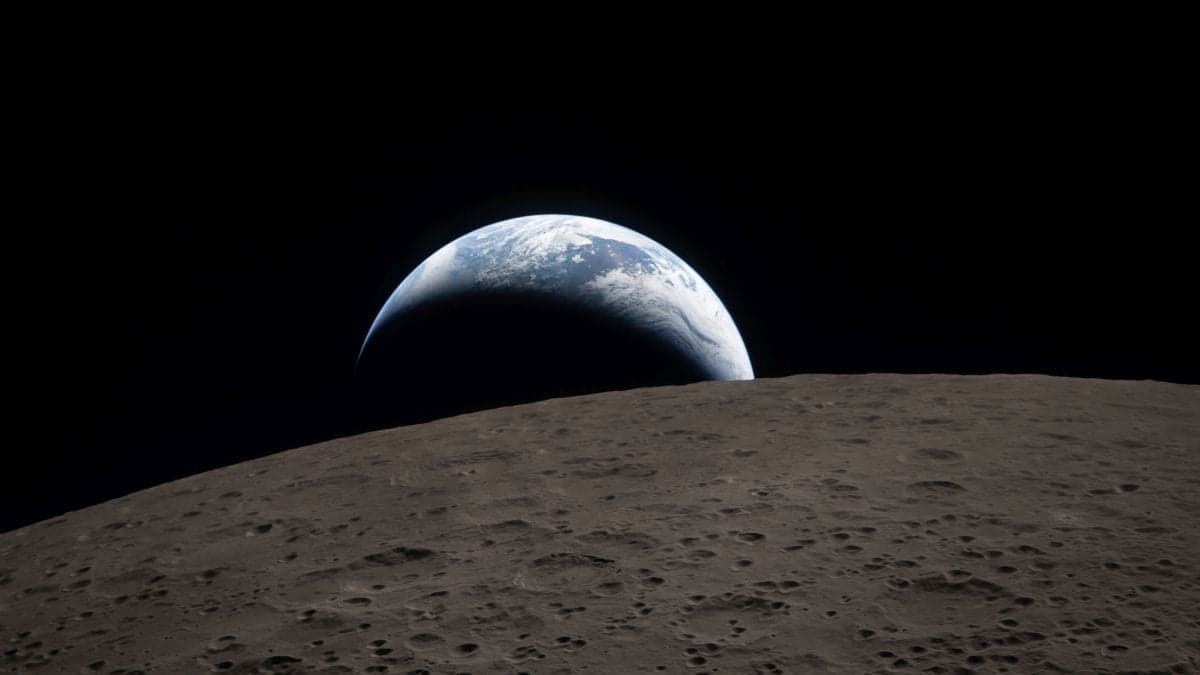
NASA’s Artemis I mission reached a historic milestone Sunday night as the uncrewed Orion spacecraft entered lunar orbit, marking the first time a human-rated capsule has circled the Moon since the Apollo era. At 6:44 p.m. ET, the spacecraft vanished behind the Moon’s far side, cutting off all radio and laser communications with Earth for exactly 40 minutes—a period of eerie silence that tested both the astronauts’ focus and ground controllers’ nerves.
- Artemis I is the first mission to orbit the Moon since Apollo 17 in 1972, using Orion’s advanced systems to capture unprecedented imagery of the lunar far side.
- The 40-minute communications blackout is a critical phase where Orion relies solely on autonomous systems, testing NASA’s preparedness for future crewed missions.
- Astronauts aboard Orion are conducting the first detailed observations of the Moon’s far side in daylight, revealing features like the Orientale Basin from a never-before-seen angle.
Why the 40-Minute Radio Blackout Is a Critical Test for NASA’s Artemis Program
For 40 minutes on Sunday evening, NASA’s mission control in Houston lost all contact with the Orion spacecraft as it slipped behind the Moon—a phenomenon known as lunar occultation. During this window, the Moon’s bulk blocked both radio waves and laser communications, forcing Orion to operate entirely on autopilot. This blackout is not just a technical challenge; it’s a psychological one. The last time humans experienced such isolation was during the Apollo missions, when astronauts like Michael Collins described the eerie solitude of being alone in lunar orbit. For Artemis, which aims to return humans to the Moon by 2025, this blackout is a rehearsal for the more complex communications gaps expected during crewed missions, particularly when astronauts land on the lunar surface.
The Science Behind the Communications Gap
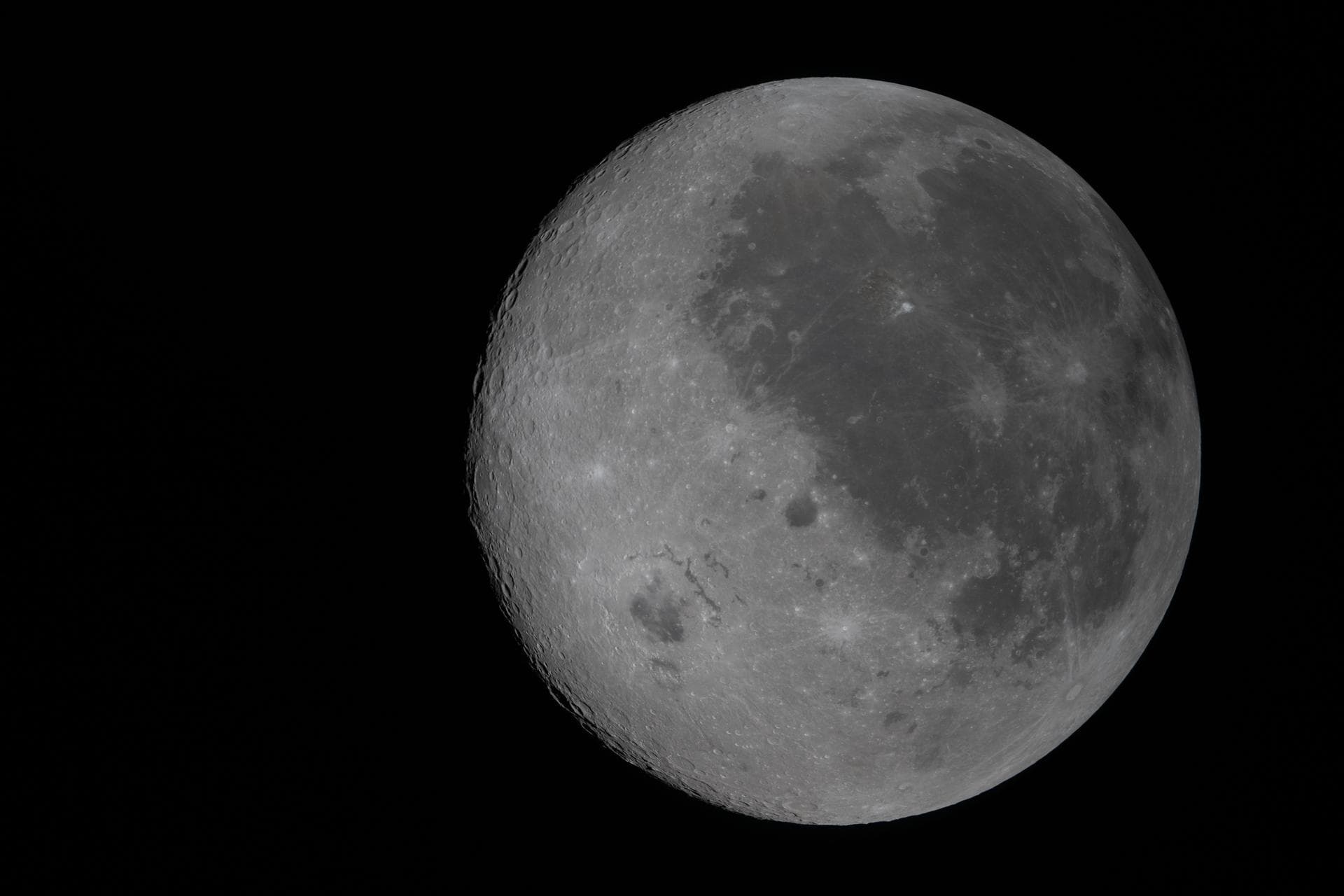
The blackout occurs because the Moon’s synchronous rotation means its far side always faces away from Earth. When Orion enters this region, its signal path to Earth is obstructed by the Moon itself. NASA’s Deep Space Network, a global array of giant radio antennas, must wait for the spacecraft to re-emerge before resuming contact. During this time, Orion’s onboard systems continue collecting data, including high-resolution images of the lunar surface. Pilot Victor Glover, one of the astronauts who will crew Artemis II, noted the unique perspective during a pre-mission briefing: 'It’s clear that we are not on Earth because that feature [the Orientale Basin] is not all visible from Earth.' These observations will help scientists refine maps of the Moon’s topography and identify potential landing sites for future Artemis missions.
Astronauts Face Isolation Few Have Experienced
The Artemis I mission is uncrewed, but it carries the hopes of a new generation of astronauts who will one day experience the solitude of lunar orbit. Only 24 humans have ever orbited the Moon, and just 12 have walked on its surface—all during the Apollo program between 1968 and 1972. Of those, only a handful, including Michael Collins (Apollo 11), Jim Lovell (Apollo 8 and 13), and Ken Mattingly (Apollo 16), have ventured behind the Moon alone. Collins, who described his experience as 'truly alone' in his memoir *Carrying the Fire*, later reflected on the paradox of isolation: it brought not fear, but 'awareness, anticipation, satisfaction, confidence, almost exultation.'
Not since Adam has any human known such solitude as Mike Collins is experiencing, during this 47 minutes of each lunar revolution when he's behind the Moon with no one to talk to except his tape recorder aboard Columbia.
How Apollo 13’s Crisis Foreshadowed Artemis I’s Challenges
The Apollo 13 mission, which aborted its lunar landing after an oxygen tank explosion, holds eerie parallels to Artemis I’s blackout phase. Stranded in a free-return trajectory around the Moon, the crew endured communications gaps while NASA scrambled to bring them home safely. Apollo 13 set a then-record for human distance from Earth (248,655 miles), a milestone Artemis I surpassed within hours of its blackout period. Jim Lovell, who orbited the Moon twice without landing, recorded a message for the Artemis crew, greeting them as they awoke on Monday: 'Welcome to my old neighborhood.' Lovell, who passed away in July 2023, left behind a legacy of resilience that Artemis astronauts now carry forward.
What the Orion Crew Is Doing During the Blackout
While Earth holds its breath, the Orion spacecraft is anything but idle. Equipped with 16 cameras and advanced imaging systems, the crew—though uncrewed for this test flight—is programmed to conduct a suite of scientific observations. These include mapping the lunar surface in unprecedented detail, studying the Moon’s gravitational effects, and capturing high-definition video of the far side. The data collected during the blackout will be transmitted once contact is restored, providing NASA with critical insights for future landings. Pilot Victor Glover emphasized the mission’s dual purpose: 'When we're behind the Moon, out of contact with everybody, let’s take that as an opportunity. Pray, hope, send your good thoughts and feelings that we get back in contact with the crew.'
The Far Side of the Moon: A Realm of Mystery and Opportunity
The Moon’s far side, often mistakenly called the 'dark side,' is neither dark nor permanently hidden—it receives sunlight just as the near side does, but its orientation means we never see it from Earth. This region is geologically distinct, with a thicker crust and a history of intense bombardment, making it a prime target for scientific exploration. The Artemis program aims to land the first woman and the next man near the lunar South Pole, an area rich in water ice that could support sustainable human presence. Orion’s flyby of the far side is the first step in unlocking these secrets, offering a glimpse into a landscape that has captivated humanity for millennia.
How Artemis I Paves the Way for Human Return to the Moon
Artemis I is more than a test flight—it’s the vanguard of NASA’s ambitious plan to establish a sustainable human presence on the Moon by the end of this decade. Following this uncrewed mission, Artemis II will carry astronauts on a similar trajectory, while Artemis III is slated to land the first crew near the lunar South Pole in 2025 or 2026. These missions will rely on lessons learned from Artemis I’s blackout phase, including how to maintain communications during critical operations. The program also serves as a stepping stone for Mars missions, with Orion designed to carry astronauts farther into deep space than ever before. As Glover noted, 'We are not on Earth' when viewing the far side—a humbling reminder of humanity’s place in the cosmos.
The Psychological Toll of Isolation in Space
The 40-minute blackout is a microcosm of the psychological challenges astronauts will face on longer missions, such as a journey to Mars. Studies of astronauts on the International Space Station (ISS) have shown that isolation can lead to stress, sleep disturbances, and a phenomenon known as 'Earth-out-of-view' effect, where crew members feel disconnected from their home planet. Michael Collins’ reflections on his Apollo 11 experience highlight the dual nature of solitude: while he felt 'truly alone,' he also described a profound sense of awe. For future missions, NASA is incorporating psychological support systems, including virtual reality experiences of Earth and structured communication schedules, to mitigate these effects.
What’s Next for Artemis I and the Future of Lunar Exploration
With the blackout phase complete, Orion is now preparing for its return journey to Earth, scheduled for December 11, 2022. The spacecraft will splash down in the Pacific Ocean off the coast of California, where a recovery team led by the U.S. Navy will retrieve the capsule and its payload of scientific data. Meanwhile, NASA and its international partners—including the European Space Agency (ESA), which provided Orion’s service module—are analyzing the data from this mission to refine plans for Artemis II. The next crewed mission will carry four astronauts, including the first woman and person of color to fly to the Moon. As the world watched Orion’s historic flyby, Glover’s words echoed the mission’s broader significance: 'Let’s take that as an opportunity'—an opportunity to push the boundaries of human achievement.
Frequently Asked Questions
- How long will the Artemis I mission last?
- The Artemis I mission is scheduled to last approximately 25.5 days, with Orion splashing down in the Pacific Ocean on December 11, 2022. During this time, the spacecraft will orbit the Moon multiple times before returning to Earth.
- What is the purpose of the communications blackout during lunar orbit?
- The blackout occurs when Orion passes behind the Moon, blocking all radio and laser communications with Earth. This 40-minute period tests the spacecraft’s autonomous systems and allows for uninterrupted scientific observations of the lunar far side.
- How does Artemis I compare to the Apollo missions?
- Artemis I is the first mission in NASA’s Artemis program, which aims to return humans to the Moon and establish a sustainable presence. While Apollo missions focused on landing astronauts on the Moon, Artemis I is an uncrewed test flight to validate Orion’s systems for future crewed missions, including landing the first woman and person of color on the lunar surface.