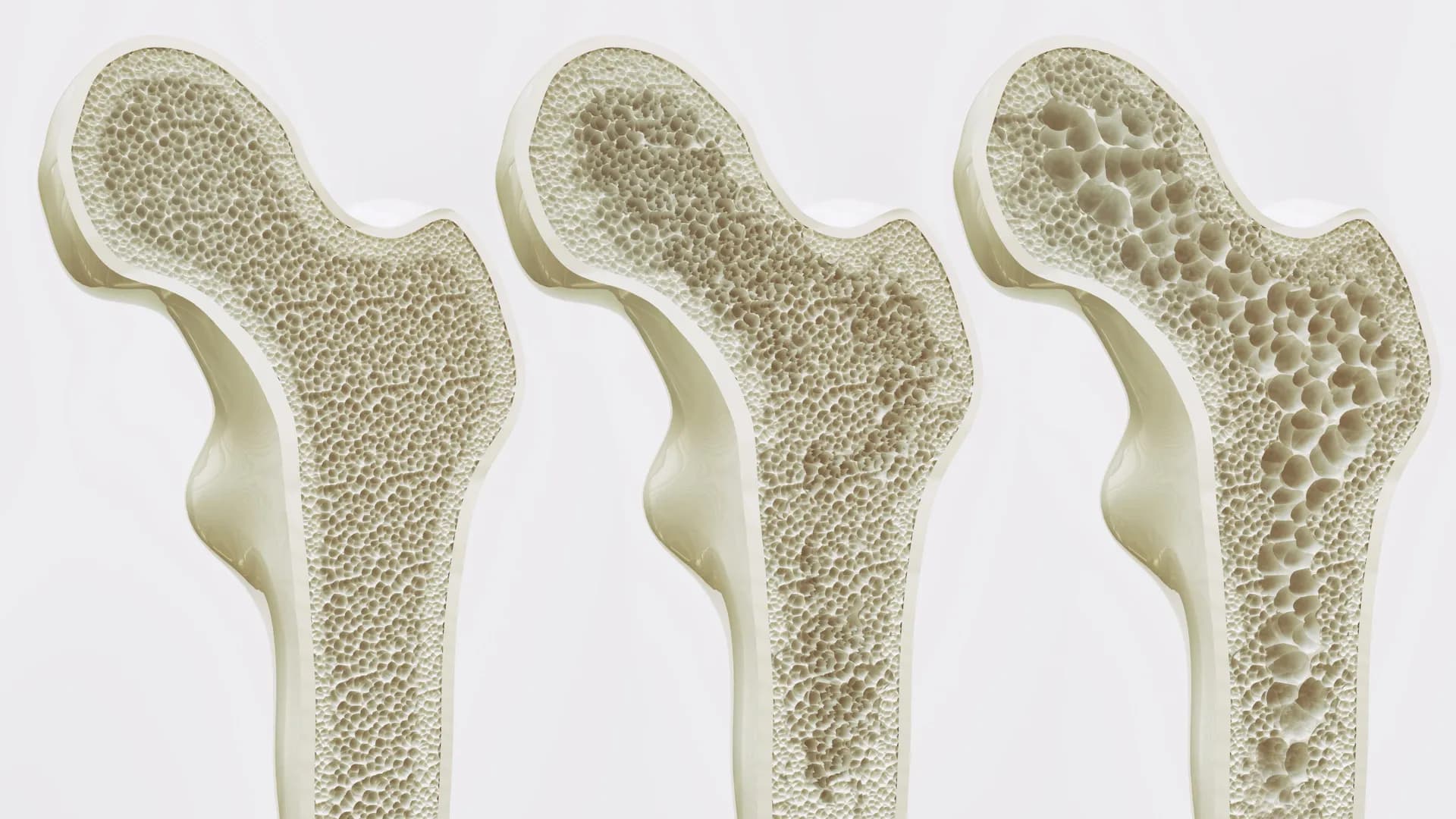
In a groundbreaking development that could transform osteoporosis care, a team of researchers at Leipzig University has identified a previously understudied receptor, GPR133, as a powerful regulator of bone strength. By activating this receptor with a novel compound called AP503, the scientists demonstrated the ability to significantly boost bone density in mice—even reversing osteoporosis-like damage—and potentially pave the way for treatments that maintain skeletal health across a lifetime. The findings, published in leading bone biology journals, mark a critical step toward addressing a condition that affects nearly 6 million people in Germany alone, disproportionately impacting aging women.
Why Osteoporosis Remains a Global Health Crisis
Osteoporosis is often described as a 'silent disease' because bone loss typically progresses without symptoms until a fracture occurs—often with devastating consequences. In Germany, an estimated 6 million people, the majority of them postmenopausal women, live with osteoporosis, while in the United States, over 10 million Americans are diagnosed with the condition and another 43 million are at high risk. The disease weakens bones, making them brittle and prone to fractures, even from minor falls. Hip fractures, a common consequence of osteoporosis, are linked to a 20% increased risk of death within one year for older adults. Current treatments, including bisphosphonates and hormone therapy, can slow bone loss but often come with side effects such as gastrointestinal issues, atypical fractures, or increased cancer risk. These limitations underscore the urgent need for safer, more effective therapeutic strategies.
The Hidden Costs of Bone Loss
Beyond individual suffering, osteoporosis imposes a staggering economic burden. In the U.S., annual direct healthcare costs related to osteoporotic fractures exceed $20 billion, with indirect costs like lost productivity and long-term care pushing the total even higher. In Europe, the annual cost is estimated at €25 billion. The personal toll is equally severe: one in three women and one in five men over age 50 will experience an osteoporotic fracture in their lifetime. As global populations age—with the number of people aged 65 and older projected to double by 2050—the prevalence and impact of osteoporosis are expected to grow, making innovative solutions like the GPR133-targeted therapy particularly vital.
GPR133: The Little-Receptor That Could Transform Bone Health
GPR133 belongs to the adhesion G protein-coupled receptor (aGPCR) family, a group of more than 30 receptors that sit on the surface of cells and regulate critical biological processes. Unlike well-studied GPCRs, such as those targeted by beta-blockers or antihistamines, aGPCRs like GPR133 have long been overlooked by medical researchers. This receptor is primarily expressed in bone-forming cells called osteoblasts and in cells involved in bone remodeling. Its role in bone metabolism was largely unknown until a decade of focused research at Leipzig University began to illuminate its function.
From Lab Discovery to Functional Breakthrough
The Leipzig team’s investigation into GPR133 began with genetic studies in mice. Researchers observed that mice with inactive GPR133 genes developed low bone density early in life, mirroring the skeletal frailty seen in human osteoporosis. These genetically modified mice exhibited reduced bone mass, weaker bone structure, and increased susceptibility to fractures—clear indicators that GPR133 plays a pivotal role in maintaining skeletal integrity. ‘If this receptor is impaired by genetic changes, mice show signs of loss of bone density at an early age—similar to osteoporosis in humans,’ explains Professor Ines Liebscher, lead investigator of the study from the Rudolf Schönheimer Institute of Biochemistry at Leipzig University’s Faculty of Medicine.
‘If this receptor is impaired by genetic changes, mice show signs of loss of bone density at an early age—similar to osteoporosis in humans. Using the substance AP503, which was only recently identified via a computer-assisted screen as a stimulator of GPR133, we were able to significantly increase bone strength in both healthy and osteoporotic mice.’ — Professor Ines Liebscher
How AP503 Turns On Bone-Building Pathways
AP503 was identified through a sophisticated computer-assisted screening process that analyzed millions of chemical compounds to find those capable of activating GPR133. Once administered, AP503 binds to the receptor and initiates a signaling cascade that enhances osteoblast activity—cells responsible for forming new bone—while simultaneously reducing the function of osteoclasts, the cells that break down bone tissue. This dual action restores balance to the bone remodeling process, which is disrupted in osteoporosis.
The Science of Bone Remodeling: Why Balance Matters
Bone is a dynamic tissue that undergoes constant renewal through a process called remodeling. This lifelong cycle involves two key cell types: osteoblasts, which synthesize new bone matrix and minerals, and osteoclasts, which resorb old or damaged bone. In healthy adults, these processes are carefully balanced, with about 10% of bone replaced annually. However, aging, hormonal changes (such as estrogen decline during menopause), and chronic conditions like diabetes can tip this balance toward bone loss. GPR133 activation by AP503 appears to recalibrate this system, promoting net bone formation without triggering harmful side effects seen in existing therapies.
A Drug with Dual Benefits: Strengthening Bone and Muscle
The potential benefits of targeting GPR133 extend beyond bone health. In earlier research, the Leipzig team discovered that AP503 also enhances skeletal muscle function, which is critically important for older adults. Muscle and bone work together as part of the musculoskeletal system; when one weakens, the other often follows. Falls—especially those caused by muscle weakness—are a leading cause of fractures in elderly individuals. ‘The newly demonstrated parallel strengthening of bone once again highlights the great potential this receptor holds for medical applications in an aging population,’ says Dr. Juliane Lehmann, lead author of the study and a researcher at the Rudolf Schönheimer Institute of Biochemistry. This dual-action therapy could significantly reduce the risk of falls and fractures, preserving independence and quality of life.
Key Takeaways: What This Discovery Means for Patients and Science
- GPR133 has been identified as a critical regulator of bone density, offering a new therapeutic target for osteoporosis.
- The compound AP503, which activates GPR133, increased bone strength by up to 20% in mouse models of osteoporosis.
- Unlike current treatments that primarily slow bone loss, GPR133-targeted therapy may help rebuild bone and restore strength.
- The receptor’s dual role in bone and muscle health could lead to integrated treatments for age-related frailty.
- Researchers are now advancing preclinical studies, with human trials expected within the next 3–5 years.
A Decade of Rigorous Research at Leipzig University
The discovery of GPR133’s role in bone health is the result of more than ten years of dedicated research at Leipzig University, conducted under the umbrella of Collaborative Research Centre 1423, titled ‘Structural Dynamics of GPCR Activation and Signaling.’ This interdisciplinary initiative brings together biochemists, structural biologists, and clinicians to unravel the complexities of GPCR function. Leipzig has emerged as a global leader in aGPCR research, with previous studies revealing connections between these receptors and conditions such as cancer, immune dysfunction, and metabolic disorders. The university’s focus on structural dynamics—how receptors change shape to transmit signals—has been instrumental in identifying AP503 as a viable activator of GPR133.
From Bench to Bedside: The Path to Human Trials
While the mouse studies are promising, translating these findings to human therapy will require rigorous preclinical and clinical testing. The research team is currently optimizing AP503’s drug-like properties to ensure it can be safely administered and effectively reach target tissues. Regulatory agencies such as the European Medicines Agency (EMA) and the U.S. Food and Drug Administration (FDA) will scrutinize safety profiles, dosing, and efficacy before approving any new osteoporosis drug. Early-phase human trials are expected to begin within the next three to five years, pending further funding and regulatory approval. ‘We are now continuing to study AP503 and GPR133 in greater detail,’ says Dr. Lehmann. ‘Ongoing projects aim to explore how this pathway might be used to treat other conditions and to better understand how the receptor functions throughout the body.’
Osteoporosis Today: Limitations of Existing Therapies
Current osteoporosis treatments fall into several categories, each with significant drawbacks. Antiresorptive drugs like bisphosphonates (e.g., alendronate) slow bone breakdown but can cause side effects such as jaw osteonecrosis or atypical femur fractures. Anabolic drugs, including teriparatide and romosozumab, stimulate bone formation but are typically limited to short-term use due to safety concerns and high costs. Hormone replacement therapy can prevent bone loss in postmenopausal women but increases risks of breast cancer and cardiovascular events. These gaps highlight the urgent need for safer, more sustainable interventions—making the GPR133 approach particularly compelling.
The Future of Bone Health: A Shift from Prevention to Regeneration
The identification of GPR133 as a bone-strengthening regulator represents a paradigm shift in osteoporosis treatment. Rather than merely slowing the progression of bone loss, researchers envision therapies that actively rebuild bone density and architecture, potentially reversing the damage caused by decades of aging or hormonal changes. This regenerative approach could transform osteoporosis from a lifelong management challenge into a condition that can be corrected. As Dr. Liebscher notes, ‘Instead of only slowing bone loss, future therapies could actively rebuild bone and restore strength.’ Such a breakthrough would not only improve patient outcomes but also reduce the staggering economic burden of osteoporosis-related fractures worldwide.
Beyond Bones: The Wider Implications of GPR133 Research
While the immediate focus is on osteoporosis, GPR133’s influence may extend to other aspects of health. Early studies suggest that aGPCRs are involved in tissue repair, immune response, and even cancer metastasis. Researchers are exploring whether GPR133 activation could aid in fracture healing, spinal cord injuries, or degenerative joint diseases like osteoarthritis. Additionally, the Leipzig team is investigating whether AP503 or related compounds could support bone health in astronauts—where microgravity accelerates bone loss—highlighting the receptor’s relevance in space medicine and extreme environments. ‘The potential of this receptor is vast,’ says Dr. Lehmann. ‘We’re only beginning to scratch the surface of what GPR133 can do.’
Frequently Asked Questions About GPR133 and AP503
Frequently Asked Questions
- What is GPR133 and why is it important for bone health?
- GPR133 is a member of the adhesion G protein-coupled receptor family found on bone-forming cells. It regulates the balance between bone formation and breakdown. Activating GPR133 with compounds like AP503 has been shown to increase bone density in animal models, offering a potential new treatment pathway for osteoporosis.
- How does AP503 work to strengthen bones?
- AP503 is a small molecule that binds to and activates the GPR133 receptor. This triggers signaling pathways that increase the activity of osteoblasts (bone-forming cells) and reduce the activity of osteoclasts (bone-resorbing cells), leading to stronger, denser bones.
- When will human trials for AP503 begin?
- The research team is currently conducting preclinical studies to optimize AP503 for human use. Early-phase clinical trials are expected to begin within the next 3 to 5 years, pending regulatory approval and funding.