When to Watch
Meteors will streak across the sky all night, but the real show starts around 11 p.m. local time. Activity climbs after midnight and keeps building until the predawn hours, when rates hit their highest.
Patient observers under dark, clear skies could see dozens of meteors every hour, with the best numbers coming just before dawn.
Why Before Dawn Is Best
Think of it like driving through rain. Your windshield catches more raindrops than the rear window because it faces the direction of travel. Before dawn, your spot on Earth has rotated to face directly into the stream of comet debris, so more meteoroids slam into the atmosphere overhead.
What Causes the Perseids
Every August, Earth plows through a trail of dust and rocky debris left behind by Comet 109P/Swift-Tuttle. Most of the fragments are no bigger than a grain of sand, but they hit the atmosphere at around 133,000 mph.
As each particle compresses and heats the air in front of it, it burns up high above the surface, producing the brilliant streaks we call shooting stars. The peak happens when Earth passes through the densest, dustiest part of the comet's trail.
How to See the Most Meteors
A few simple moves make a big difference:
Get away from city lights to the darkest sky you can reach
Give your eyes about 30 minutes to fully adjust to the dark
Resist checking your phone, the bright screen resets your night vision
Skip the telescope and binoculars, meteors are best enjoyed with the naked eye
The Perseids appear to radiate from the constellation Perseus, but do not stare straight at it. The longest, brightest meteors show up about 45 degrees away from the radiant, where you catch them side-on rather than head-on.
A Rare Double Sky Show
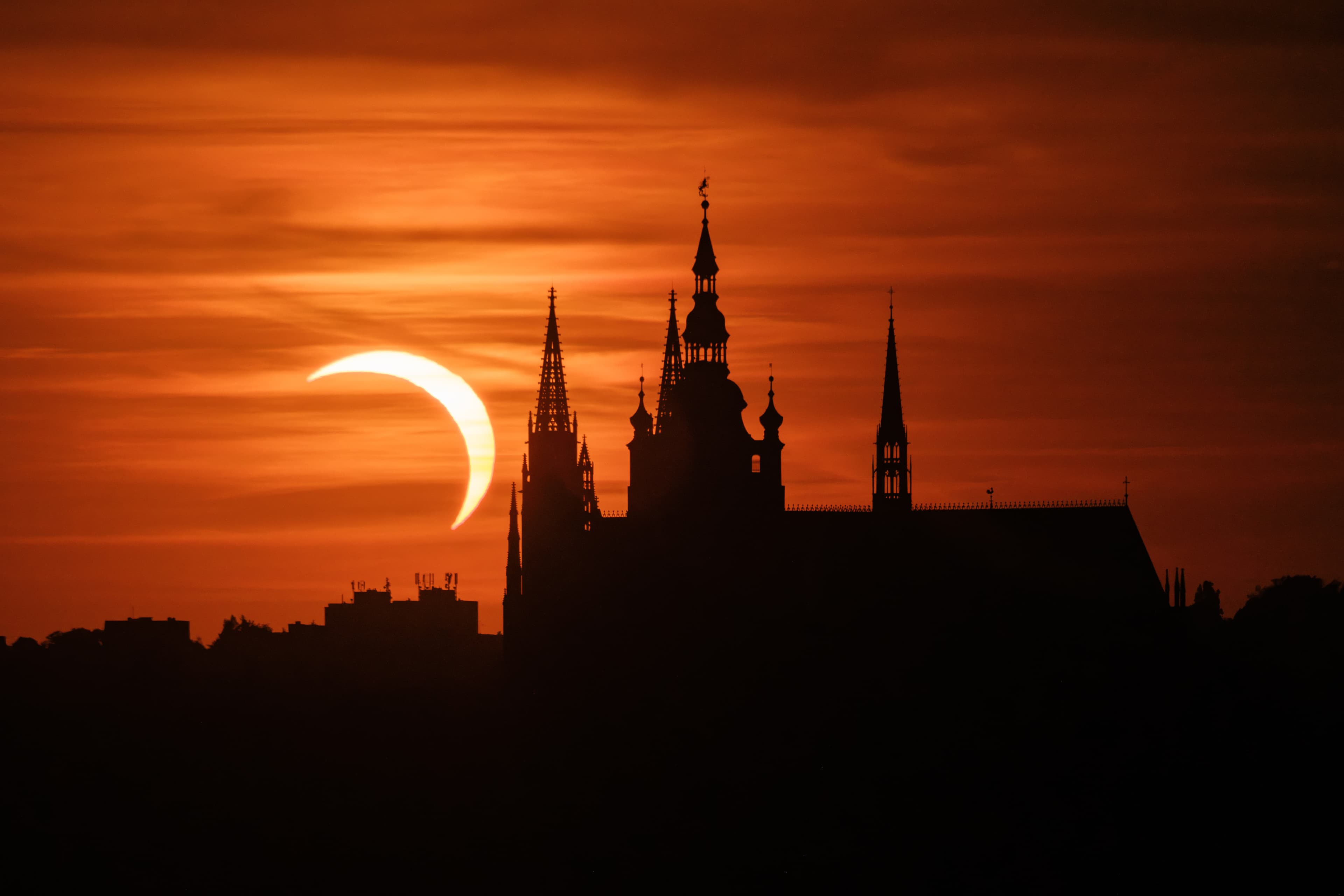
Tonight's peak follows today's total solar eclipse, which tracked across parts of Greenland, Iceland and Spain. That puts two of the year's most spectacular celestial events within a few hours of each other, a treat skywatchers rarely get.
Missed Tonight? You Have Until August 24
Meteor numbers will taper off after the peak, but the Perseids stay active through August 24. Clear, dark skies over the next week or two will still serve up plenty of shooting stars for anyone who cannot get out tonight.
FAQ
What time does the Perseid meteor shower peak tonight?
Viewing is best from about 11 p.m. local time, with activity building after midnight and the highest rates just before dawn.
How many meteors will I see?
Up to 100 per hour under ideal dark-sky conditions. Most observers away from city lights can expect dozens per hour.
Why is this year's Perseid peak special?
It falls on the night of the new moon, so there is no moonlight to wash out faint meteors, and it comes just hours after a total solar eclipse.
Do I need a telescope?
No. Meteors cover wide stretches of sky and are best seen with the naked eye.
How long does the meteor shower last?
The Perseids remain active through August 24, though rates decline after tonight's peak.