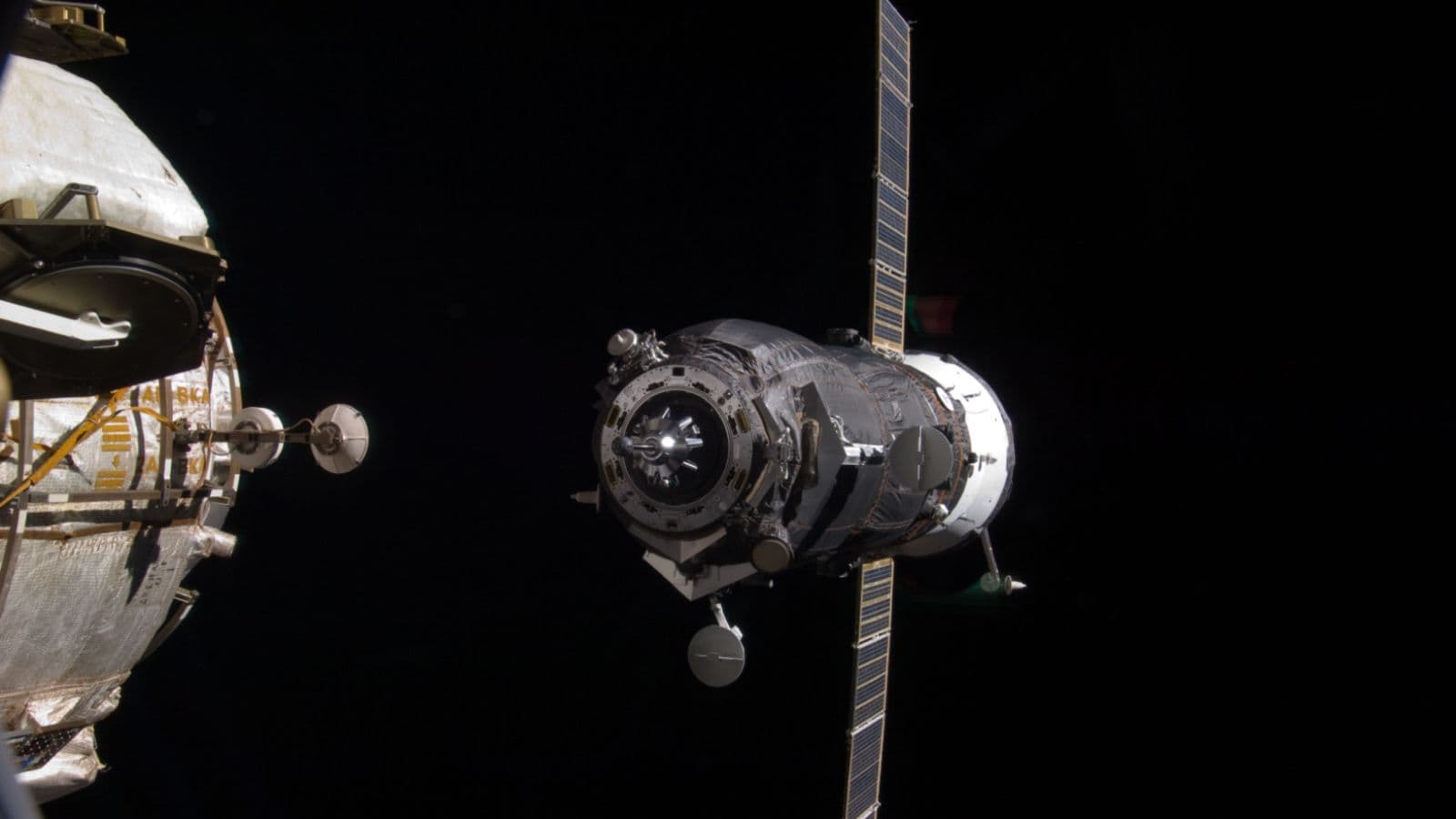
On March 24, a Russian rocket carrying vital supplies to the International Space Station (ISS) experienced a significant glitch after launch, rendering it unable to dock autonomously with the station, according to NASA. The Progress 94 spacecraft, which is carrying around 5,500 pounds of cargo, including food, water, fuel, oxygen, hardware, scientific equipment, and medical supplies, was scheduled to dock automatically with the ISS at 9:30 a.m. EDT. However, due to the antenna failure, a cosmonaut will now have to manually guide the spacecraft using a backup system, highlighting the importance of reliable communication systems in space exploration.
How the Antenna Glitch Affects the ISS Resupply Mission
The Progress 94 spacecraft is a crucial component of the ISS resupply mission, providing essential supplies to the astronauts on board. The antenna glitch has significant implications for the mission, as it may delay the delivery of critical cargo. NASA officials have confirmed that all other systems are operating as designed, and the docking attempt will continue as planned, either with the fixed antenna in place or with the cosmonaut at the controls.
The Role of Cosmonaut Sergey Kud-Sverchkov in the Backup Plan
Cosmonaut Sergey Kud-Sverchkov, who is part of the Expedition 73/74 crew, will play a critical role in manually piloting the spacecraft through the backup system. Kud-Sverchkov has extensive experience in space exploration, having spent six months living in space between October 2020 and March 2021. He has served as both flight engineer and commander on ISS missions, making him an ideal candidate to navigate this complex situation.
Recent Setbacks in Space Exploration
The antenna glitch is not the first setback for the Progress 94 mission. The freighter was originally scheduled to launch in mid-December 2025 but was postponed due to significant damage to the launchpad, Site 31. The damage was reportedly caused by a service platform falling into the flame trench below the pad after it was incorrectly secured in place before takeoff. This incident highlights the risks and challenges associated with space exploration, including the potential for mechanical failures and human error.
Other Recent Mishaps in Space Exploration
The Progress 94 mission is not the only recent space exploration endeavor to experience setbacks. In November last year, multiple Chinese astronauts were stranded in space for several weeks after their return capsule was hit by a piece of suspected space junk, triggering the launch of an uncrewed lifeboat rocket. Additionally, NASA's Artemis II mission, which aims to send humans back to the moon for the first time since 1972, has been repeatedly delayed due to mechanical issues. These incidents underscore the complexities and risks inherent in space exploration, emphasizing the need for robust backup systems and contingency planning.
Key Takeaways from the Antenna Glitch Incident
- The Progress 94 spacecraft experienced an antenna glitch, forcing a cosmonaut to manually dock the spacecraft with the ISS.
- The spacecraft is carrying 5,500 pounds of cargo, including essential supplies for the astronauts on board.
- The incident highlights the importance of reliable communication systems in space exploration and the need for robust backup systems.
Frequently Asked Questions
Frequently Asked Questions
- What caused the antenna glitch on the Progress 94 spacecraft?
- The exact cause of the antenna glitch is unclear, but it is believed to have occurred after the spacecraft separated from the Soyuz rocket. The antenna plays a critical role in helping the robotic freighter dock with the airlock on Russia's Poisk module.
- How will the cosmonaut manually dock the spacecraft with the ISS?
- The cosmonaut will use a backup system to manually pilot the spacecraft and dock it with the ISS. The exact details of the backup system are unclear, but it is designed to provide a reliable means of docking the spacecraft in the event of a malfunction.
- What are the implications of the antenna glitch for the ISS resupply mission?
- The antenna glitch may delay the delivery of critical cargo to the ISS, but NASA officials have confirmed that all other systems are operating as designed. The docking attempt will continue as planned, either with the fixed antenna in place or with the cosmonaut at the controls.