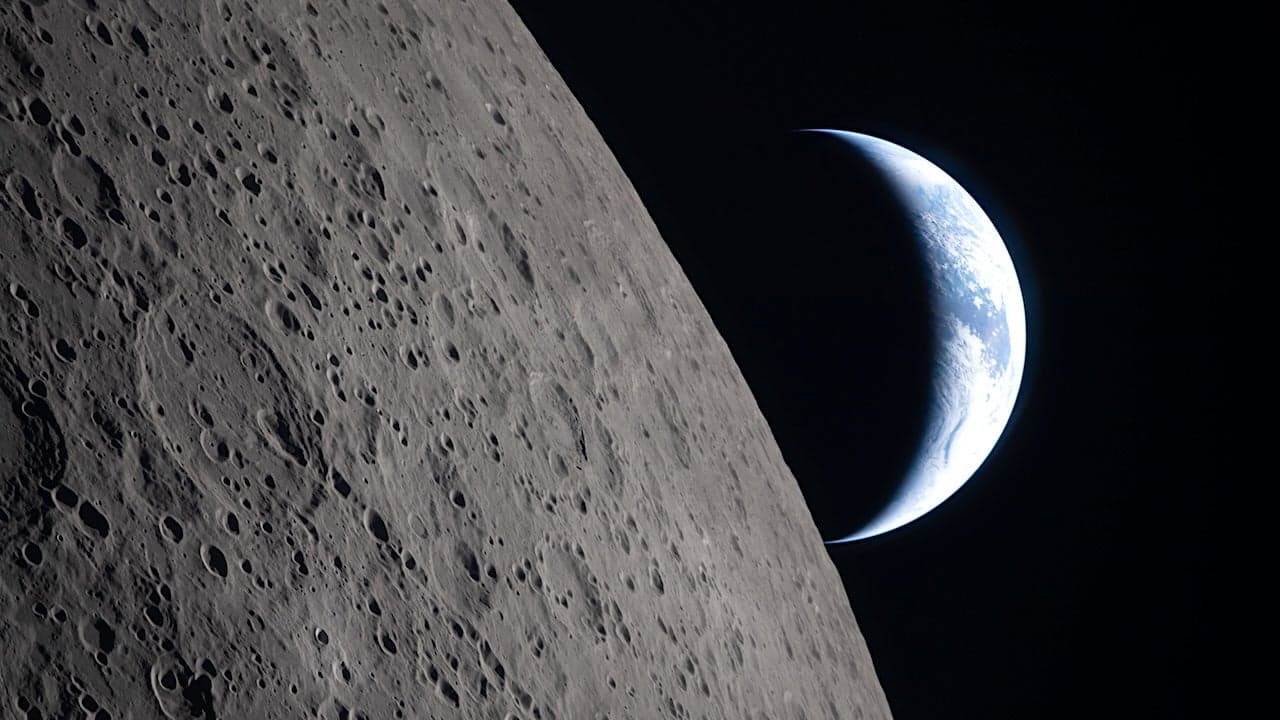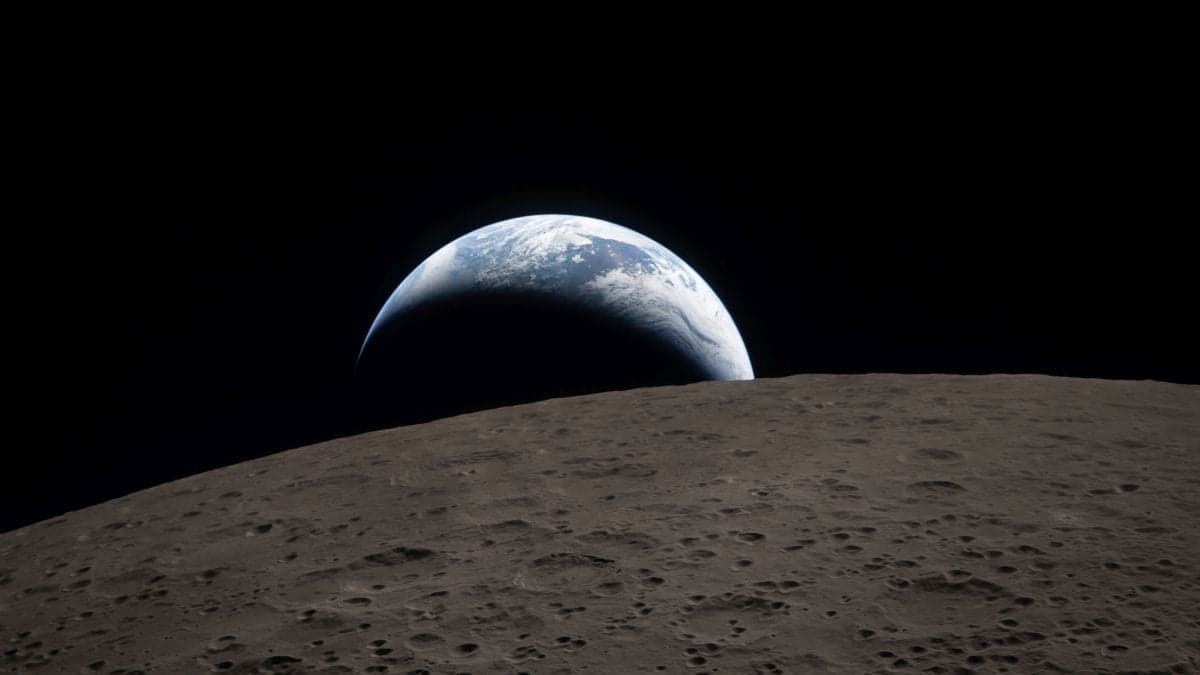
Science news this week was filled with stunning space discoveries, with the largest map of the chaotic gas clouds at the center of the Milky Way leading the pack.
New images, captured in stunning detail by the Atacama Large Millimeter/submillimeter Array (ALMA) radio telescope, show 650 light-years of gas structures that shroud our galaxy's central black hole. The stunning images could help scientists better understand how the Milky Way evolved.
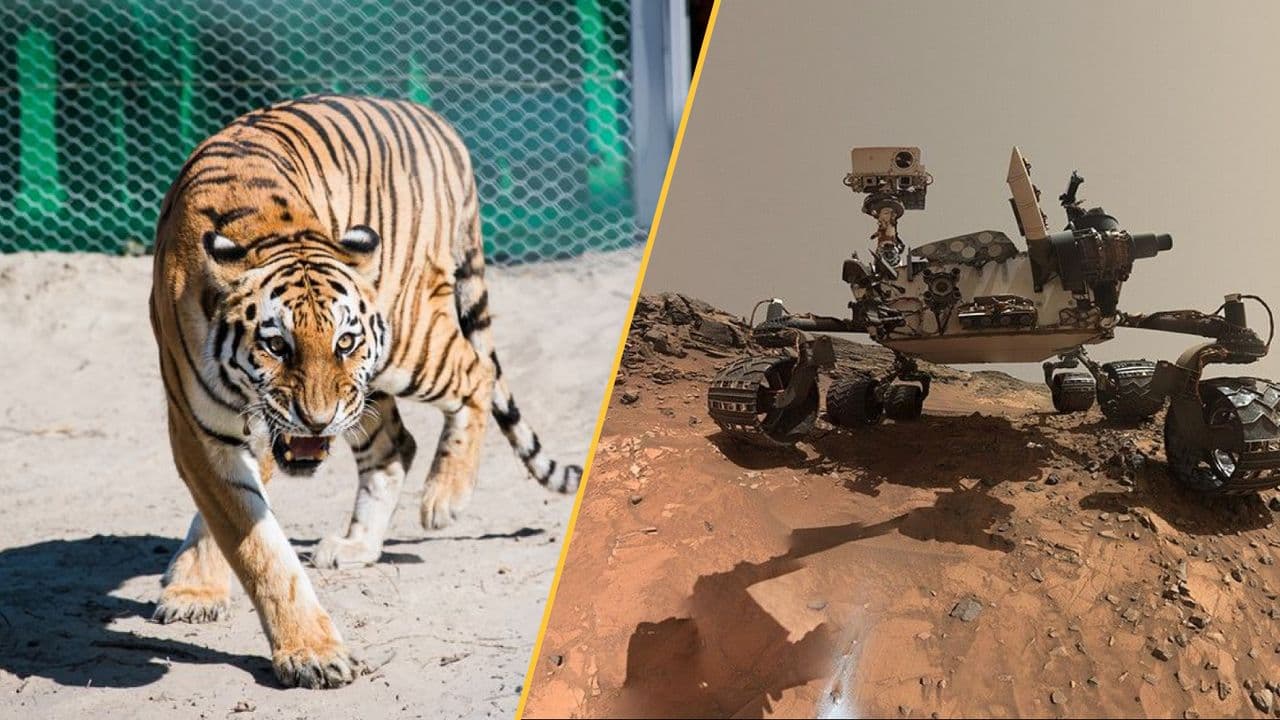
Kazakhstan plants tens of thousands of trees in giant effort to reintroduce tigers
Tigers are set to roam their historic Central Asian lands after more than 70 years of local extinction, with an initiative that plans to bring them back by the end of the year.
The ambitious program by the government of Kazakhstan has transformed the country's Lake Balkhash by planting just under 100,000 tree seedlings to recreate the tigers' lost habitat.
Get the world’s most fascinating discoveries delivered straight to your inbox.
The tigers themselves will likely be imported from Russia, as Siberian tigers were part of the same population as Kazakhstan's Amur tigers until they were separated in the 19th century. As for the big cats' food, the burgeoning ecosystem offered by the seedlings is already shaping up to be a home for boar and Bactrian deer. Though they're pretty cute, if they go unchecked by a predator, these herbivores could multiply until they destabilize their newly restored ecosystem. So, go get 'em, tiger.
Discover more animals and planet earth news
—Scientists find genetic 'switch' in mice that turns caring dads into violent brutes
—How can deserts form next to oceans?
—Incomplete remains of world's 'youngest' impact crater spotted lurking in Chinese forest — Earth from space
Lobster rolls, Moxie, rocky coasts, Stephen King and … Scandinavian invaders? Maine is known for many things, but an 11th-century silver Norse coin discovered there in the 1950s raises the question of whether it was a landing point for Viking seafarers. But did the Vikings actually make it to the Pine Tree State? Or did the coin take another route?
Black teeth were a fashion statement in ancient Vietnam
2,000-year-old skulls reveal people in ancient Vietnam permanently blackened their teeth — a stylish practice that persists today
In parts of Vietnam, permanently blackened teeth have been fashionable for centuries. The traditional practice involves using an iron-tannin mixture or chewing betel nuts to stain the teeth with a jet-black sheen.
Now, archaeologists have traced this practice all the way back to the Iron Age, 2,000 years ago. The excavation of skeletons from a site in northern Vietnam's Red River delta revealed that numerous individuals from that era also had Stygian-hued gnashers. Yet it remains unclear exactly why the practice arose — whether as a rite of passage or a way of hiding betel nut stains.
—Babies weren't supposed to be mourned in the Roman Empire. These rare liquid-gypsum burials prove otherwise.
—Humans and Neanderthals interbred — but it was mostly male Neanderthals and female humans who coupled up, study finds
—Far fewer people are related to Genghis Khan than previously assumed, new genomic study suggests
Also in science news this week
—Diagnostic dilemma: A parasite never before seen in humans was behind a woman's lung infection, organ damage and forgetfulness
—COVID-19 vaccination during pregnancy may cut risk of preeclampsia
—'Thermodynamic computer' can mimic AI neural networks — using orders of magnitude less energy to generate images
—Ultrafast quantum chemistry engine could speed up the development of new medicines and materials
Inherited diseases don't work like we thought they did
The genetic cause of "monogenic" diseases seemed fairly clear to scientists: A mutation in a single gene led to predictable, hereditary disease patterns that would be diagnosed as genetic disorders. But it turns out, that's not right at all.
According to a growing body of research, monogenic diseases aren't caused by single gene mutations, as many healthy people have them without showing any sign of illness. So what's the deal? Live Science contributor Stephanie Pappas investigated in this long read.
If you're looking for something a little longer to read over the weekend, here are some of the best skywatching guides, opinion pieces and word puzzles published this week.
Rare 'planetary parade' will return to the evening sky this week — but you'll have to look at exactly the right time [Skywatching]
How menopause affects the brain — and what we still don't know [Opinion]
Chain Word: Can you crack our science word of the day puzzle? [Word puzzle]
Closest baby nebula to Earth 'hatches' in strange new Hubble image — Space photo of the week
This stunning Hubble Space Telescope image, which looks like a cosmic lighthouse swinging its beams through wide arcs of space, shows the Egg Nebula — the first, youngest and closest pre-planetary nebula ever discovered.
The light in the dust cloud comes from its star, which spewed its dense disk of dust a few hundred years ago. This light now escapes through polar openings around this dust shield, creating twin beams.
Follow Live Science on social media
Want more science news? Follow our Live Science WhatsApp Channel for the latest discoveries as they happen. It's the best way to get our expert reporting on the go, but if you don't use WhatsApp we're also on Facebook, X (formerly Twitter), Flipboard, Instagram, TikTok, Bluesky and LinkedIn.
Ben Turner is a U.K. based writer and editor at Live Science. He covers physics and astronomy, tech and climate change. He graduated from University College London with a degree in particle physics before training as a journalist. When he's not writing, Ben enjoys reading literature, playing the guitar and embarrassing himself with chess.
You must confirm your public display name before commenting
Please logout and then login again, you will then be prompted to enter your display name.