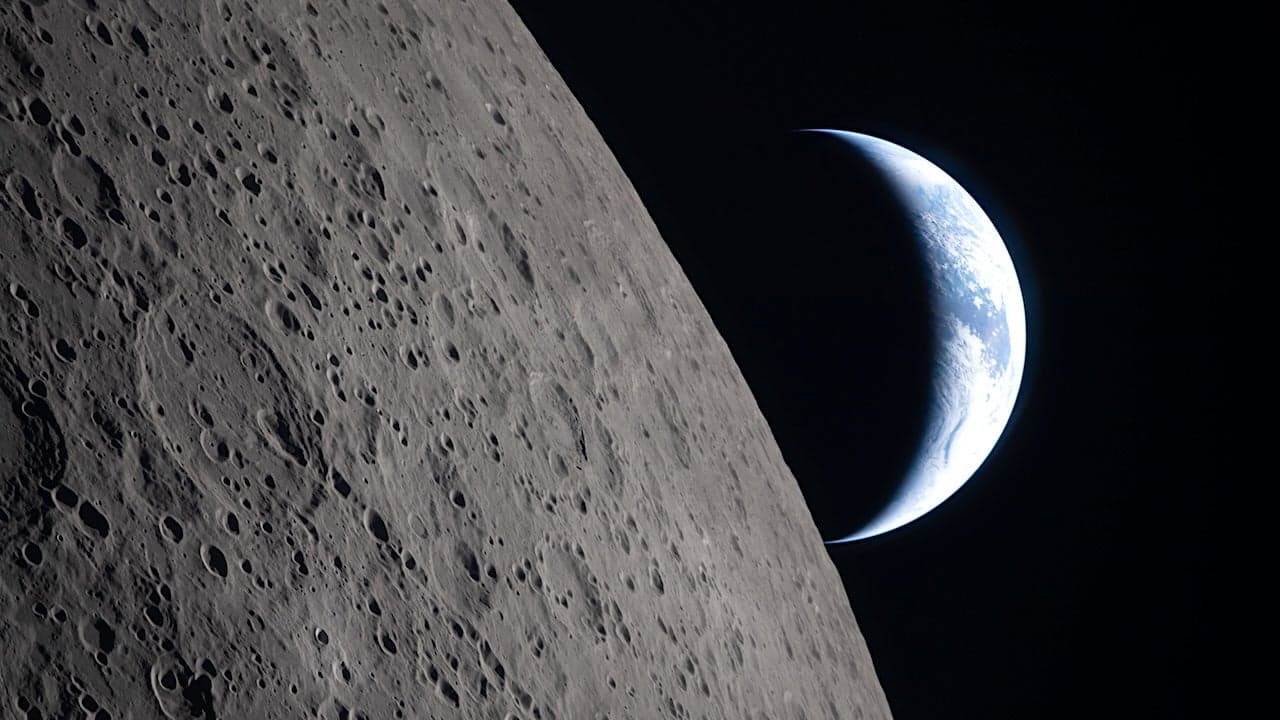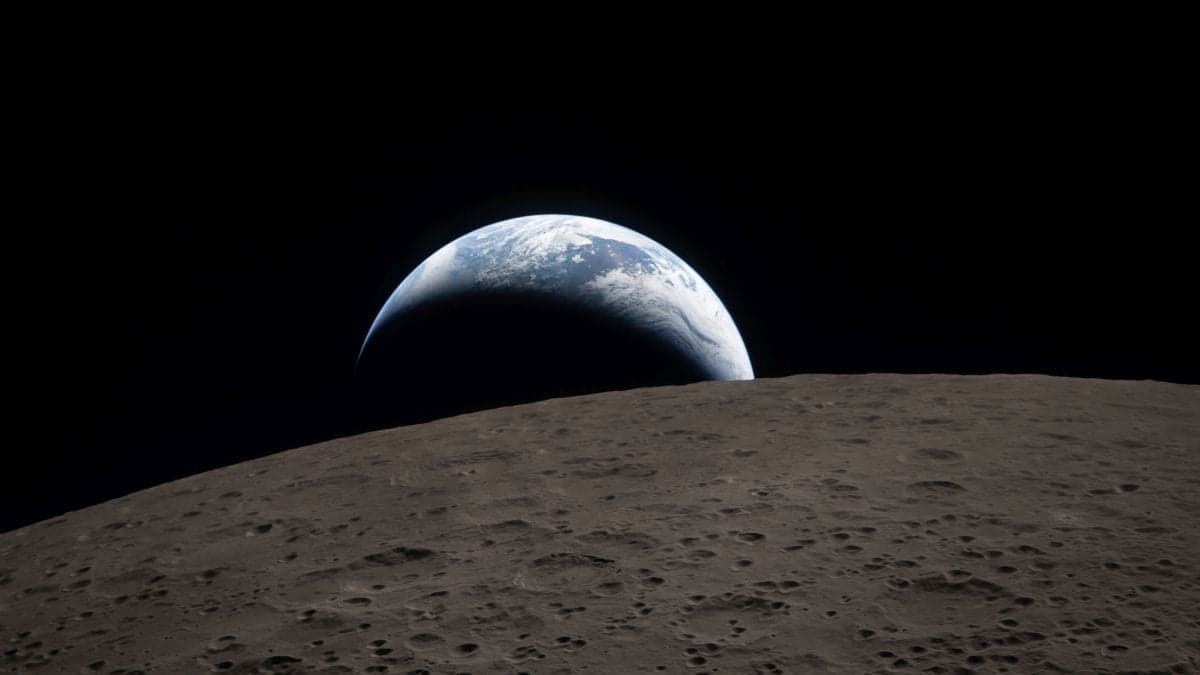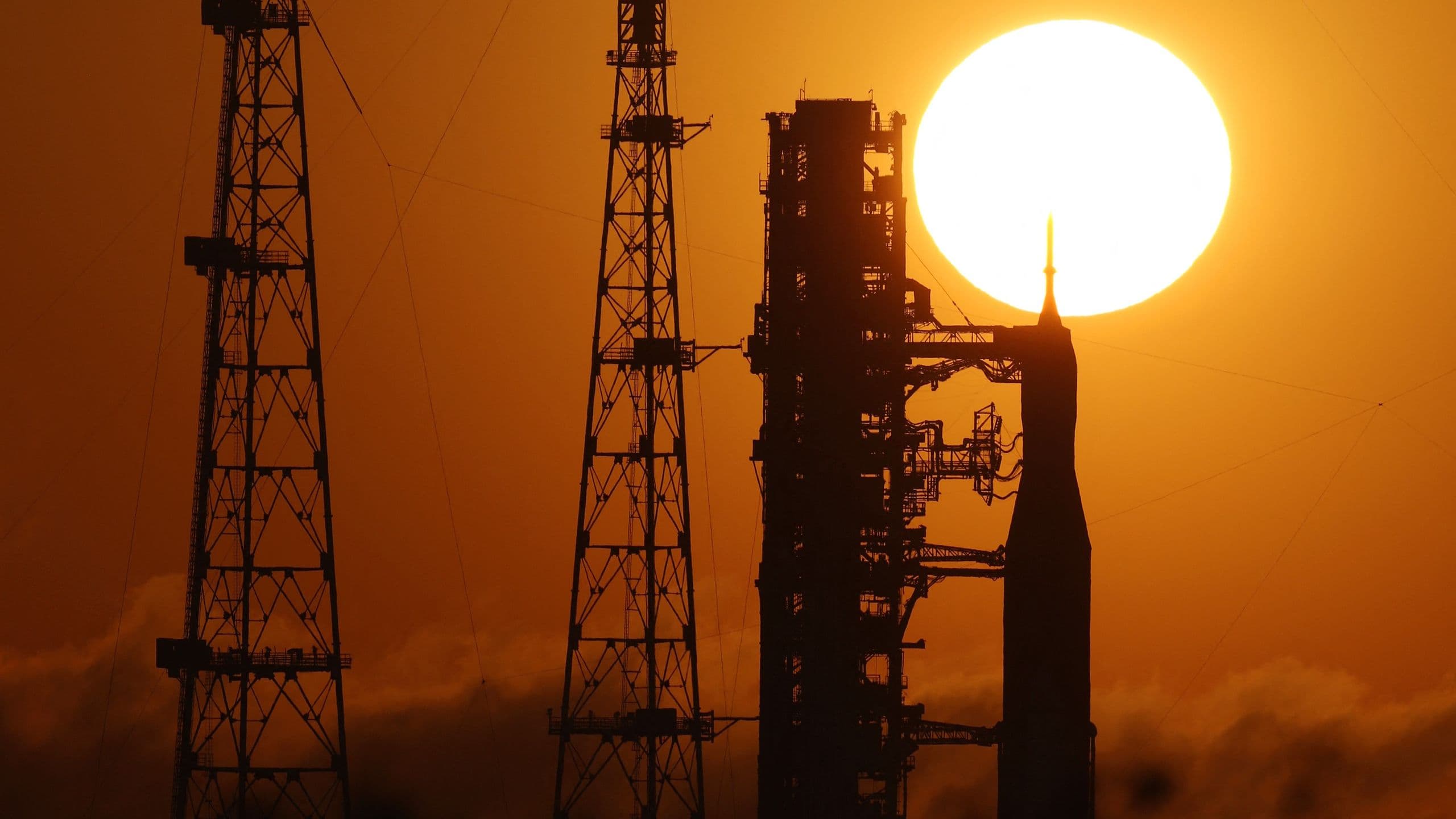
NASA’s Artemis II mission, set to launch in late 2024, will carry four astronauts on a historic journey around the moon during the sun’s solar maximum—a period of heightened solar activity. While this timing exposes the crew to increased solar radiation, space physicist Patricia Reiff, a professor at Rice University with over five decades of expertise in space plasma physics, argues that this window may actually offer some protective benefits. Reiff, who analyzed data from NASA’s Apollo era missions, explains how solar flares, coronal mass ejections (CMEs), and galactic cosmic rays could impact the astronauts—and why solar maximum might be the safest time for a lunar flyby in the current solar cycle.
- Artemis II launches during solar maximum, increasing exposure to solar radiation, including solar flares and energetic particles.
- Solar maximum also strengthens the solar wind, which helps deflect galactic cosmic rays—a constant background radiation hazard in deep space.
- The Orion spacecraft is better shielded than Apollo-era vehicles, with designated safe zones for astronauts during radiation events.
- NASA monitors radiation levels in real time, with astronauts wearing dosimeters to track cumulative exposure and enforce lifetime limits.
- Historical solar events, such as the 1972 solar flare, highlight the potential lethality of unshielded radiation exposure in space.
Understanding Space Weather: The Dual Threat of Solar Flares and Cosmic Rays
Space weather is a dynamic and often unpredictable force that poses significant risks to deep space missions. According to Reiff, it manifests in two primary forms: solar energetic particles (SEPs) from solar flares and galactic cosmic rays (GCRs), which originate from outside our solar system. SEPs are high-energy particles—often protons—accelerated to near-light speed during solar eruptions. These particles can penetrate spacecraft hulls, delivering concentrated doses of radiation to astronauts in minutes. In contrast, GCRs are a continuous, low-level radiation background, consisting of atomic nuclei traveling at relativistic speeds. While less intense in any given moment, GCRs are far more penetrating and difficult to shield against.
Solar Flares: The Immediate Radiation Hazard
Solar flares occur when magnetic energy stored in the sun’s atmosphere is suddenly released, accelerating particles to extreme velocities. These events can produce SEPs that reach Earth—or the moon—in as little as 15 minutes, providing little warning. "A solar flare can emit very energetic particles that come at nearly the speed of light," Reiff explains. "Those are ones that can harm astronauts on their way to the moon because they're so energetic that they can penetrate the hulls of spacecraft." The risk is acute but short-lived, typically lasting hours. NASA’s Orion spacecraft, designed for Artemis missions, has designated storm shelters—areas with enhanced shielding—where astronauts can take refuge during a flare event.
Galactic Cosmic Rays: The Silent, Persistent Threat
Unlike solar flares, GCRs are omnipresent. They originate from distant supernovae and other high-energy astrophysical events, raining down on the solar system continuously. "It's kind of like taking a chest X-Ray every day," Reiff says. "You don't want to do it for too long." These particles are so energetic that traditional shielding materials—even thick metal plates—are only partially effective. When a GCR strikes a spacecraft, it can produce secondary radiation, known as spallation, which may be nearly as damaging as the original particle. This makes GCRs a long-term concern for missions beyond Earth’s magnetic field, particularly those planning extended stays on the lunar surface or voyages to Mars.
Why Solar Maximum Might Be the Safest Time for Artemis II
At first glance, launching during solar maximum—the peak of the sun’s 11-year activity cycle—seems counterintuitive. After all, solar maximum is characterized by increased solar flares, CMEs, and other explosive events. However, Reiff notes that the stronger solar wind during this period actually provides a protective effect against GCRs. "One of the nice things about solar maximum is that the solar wind is stronger, and it helps keep those galactic cosmic rays from coming into the inner solar system," she says. "So, if I were going to do a long-term mission to the moon or to Mars, I would definitely go at solar maximum rather than solar minimum."
This paradox highlights the complexity of space weather planning. While solar maximum increases the risk of sudden, intense radiation events from flares, it simultaneously reduces the background radiation from GCRs. The current solar cycle, though stronger than the last, is not as intense as some historical cycles. Reiff emphasizes that the risks are manageable with proper precautions. "The sun has an 11-year cycle, and generally speaking, the biggest flares occur at the highest sunspot number," she explains. "But not every sunspot cycle is the same." The solar cycle’s strength varies, and while the current cycle is more active than its predecessor, it remains within historical norms.
Historical Precedents: Lessons from Apollo and Beyond
The specter of solar radiation has loomed over human spaceflight since the Apollo era. One of the most infamous examples occurred in August 1972, between the Apollo 16 and 17 missions. A massive solar flare erupted, producing a radiation storm so intense that Reiff’s early research, based on data from NASA’s first lunar missions, suggested astronauts in orbit or on the lunar surface at the time would have received a "nearly lethal dose." Fortunately, no crew was in space during the event. The incident underscored the need for better shielding and real-time monitoring—a lesson NASA has carried forward into the Artemis program.
The Orion spacecraft, built by Lockheed Martin, represents a significant leap in radiation protection compared to the Apollo command and lunar modules. Its shielding incorporates advanced materials, including polyethylene and aluminum layers, designed to absorb and deflect both SEPs and GCRs. During Artemis I, an uncrewed test flight in late 2022, NASA deployed radiation sensors throughout the spacecraft to map high-exposure zones. "One of the things they did for Artemis I was to put sensors in the various parts of the Orion spacecraft to find where the safest places were," Reiff notes. This data will inform the placement of storm shelters for Artemis II’s crew.
Monitoring and Mitigation: How NASA Protects Its Astronauts
NASA’s approach to managing radiation risks during Artemis II combines real-time monitoring, predictive modeling, and protective measures. Each astronaut wears a personal dosimeter, a device that tracks cumulative radiation exposure. These readings are closely monitored against two critical thresholds: an annual maximum dose and a lifetime maximum dose. Once an astronaut reaches their lifetime limit, they are grounded from further spaceflight—a policy designed to prevent long-term health consequences such as increased cancer risk or damage to the central nervous system.
The Role of Predictive Space Weather Models
Forecasting solar flares and CMEs is a critical component of NASA’s radiation safety strategy. Agencies like the National Oceanic and Atmospheric Administration (NOAA) and NASA’s Solar Dynamics Observatory (SDO) continuously observe the sun, tracking sunspot activity and magnetic field configurations. Reiff explains that solar flares are more likely to occur when sunspot groups have highly twisted magnetic fields. "When that magnetic field structure gets very tangled up, very torsioned, energy is building up in the magnetic field, kind of like winding up a rubber band on a paper airplane," she says. "And when a solar flare comes, that energy gets released." Advanced warning—even as little as 30 minutes—can allow astronauts to activate storm shelters or adjust mission timelines.
Designated Safe Zones in Orion
The Orion spacecraft is equipped with several areas designated as radiation shelters. These zones are lined with additional shielding materials and are positioned to minimize exposure during a solar particle event. During Artemis I, sensors identified the command deck’s lower level and the storage lockers near the hatch as the most protected areas. For Artemis II, NASA plans to optimize the placement of these shelters based on updated sensor data. "The very first paper I ever published, back when I was working on Apollo, was the solar flare that occurred in August of 1972," Reiff recalls. "That one was so intense that if any astronaut had been either in the command module or the lunar module, they would have had a nearly lethal dose." The lessons from that era have directly shaped the design of modern spacecraft.
Comparing Artemis II’s Radiation Risks to Apollo
The Apollo missions of the 1960s and 1970s faced similar radiation challenges, but with far fewer tools to mitigate them. The Apollo spacecraft relied primarily on aluminum shielding, which is effective against some solar particles but less so against GCRs. In contrast, Orion’s shielding incorporates polyethylene, a hydrogen-rich material that is particularly adept at slowing down and absorbing radiation particles. "The Orion spacecraft is much better shielded than the original Apollo spacecraft were," Reiff emphasizes. Additionally, NASA now has a robust network of space weather monitoring tools, including NOAA’s Deep Space Climate Observatory (DSCOVR) and the SDO, which provide real-time data on solar activity.
The Ongoing Debate: Should NASA Delay Artemis II?
Not all experts agree that solar maximum is the ideal time for Artemis II. A recent study published in *The Astrophysical Journal* suggested that the likelihood of superflares—extremely powerful solar eruptions—is higher during solar maximum. The study’s lead author recommended delaying Artemis II until later in the solar cycle to reduce radiation risks. However, Reiff cautions against overreacting to this advice. "The sunspot cycle we are in now is stronger than the one we had 11 years ago, but it is less strong than others," she says. "So, I don't necessarily see a particular additional risk of a superflare now than we would have had 20 years ago."
Reiff also points out that solar flares are inherently unpredictable, regardless of the solar cycle’s phase. While solar maximum increases the frequency of solar events, it does not guarantee a catastrophic flare. Conversely, solar minimum does not eliminate the risk of a surprise eruption. The key, she argues, is robust preparation and adaptability. "That's why we keep our eyes on the sun," she says. "We see those sunspot groups and look at the magnetic field structure on the sun."
The Broader Implications for Future Deep Space Missions
The lessons learned from Artemis II will extend far beyond lunar flybys. NASA’s Artemis program is a stepping stone toward establishing a sustainable human presence on the moon and eventually sending astronauts to Mars. Both destinations pose significant radiation challenges, particularly GCRs, which are impossible to avoid entirely. As Reiff notes, solar maximum may offer a temporary reprieve for lunar missions, but it will not solve the GCR problem for Mars-bound crews. "If I were going to do a long-term mission to the moon or to Mars, I would definitely go at solar maximum rather than solar minimum," she says. However, she adds, "The other form of radiation that is a danger to astronauts in deep space is the galactic cosmic rays. Those are much more energetic, but there are a lot fewer of them, and they're a constant background."
Future missions may require innovative solutions, such as active shielding—using magnetic or electrostatic fields to deflect radiation—or even pharmaceutical countermeasures to protect astronauts. For now, NASA’s strategy relies on a combination of shielding, monitoring, and real-time decision-making. The Artemis II mission will serve as a critical testbed for these systems, helping to refine protocols for crewed missions to Mars and beyond.
Patricia Reiff: A Lifetime of Space Weather Expertise
Patricia Reiff is a distinguished space physicist and a professor at Rice University’s Department of Physics and Astronomy. With over 50 years of experience in space plasma physics, she has contributed to numerous NASA missions, including Voyager, the International Solar-Terrestrial Physics program, and the Apollo program. Her early work on solar flares during the Apollo era provided foundational insights into the radiation risks facing lunar astronauts. Reiff’s research has also explored the sun-Earth connection, including the role of CMEs in generating geomagnetic storms and auroras. Today, she continues to advise NASA and other agencies on space weather preparedness, bridging the gap between cutting-edge science and practical mission planning.
Conclusion: Balancing Risk and Opportunity in Deep Space Exploration
NASA’s decision to launch Artemis II during solar maximum reflects a calculated balance between risk and opportunity. While the mission exposes astronauts to heightened solar radiation, it also offers a unique window to study space weather’s effects on human health and spacecraft systems. The Orion spacecraft’s advanced shielding, real-time monitoring, and designated safe zones provide a robust framework for managing these risks. As Reiff’s insights demonstrate, the solar cycle’s complexities mean that even during periods of heightened activity, careful planning can mitigate many of the dangers. For now, Artemis II stands as a testament to humanity’s ambition to explore beyond Earth’s protective magnetic field—and a reminder of the challenges that lie ahead as we reach for the stars.
Frequently Asked Questions
- What is solar maximum and how does it affect space missions?
- Solar maximum is the peak of the sun’s 11-year activity cycle, marked by increased solar flares, sunspots, and coronal mass ejections. While this period raises the risk of radiation exposure from solar events, it also strengthens the solar wind, which helps deflect galactic cosmic rays—a constant background radiation threat in deep space.
- How does NASA protect astronauts from radiation during Artemis II?
- NASA uses a multi-layered approach, including advanced shielding in the Orion spacecraft, designated storm shelters, real-time radiation monitoring with dosimeters, and predictive space weather models to provide advance warning of solar flares.
- What are the main sources of radiation in deep space?
- The two primary sources are solar energetic particles from solar flares and galactic cosmic rays from outside the solar system. Solar flares deliver intense but short-lived radiation, while galactic cosmic rays provide a constant, low-level background that is harder to shield against.