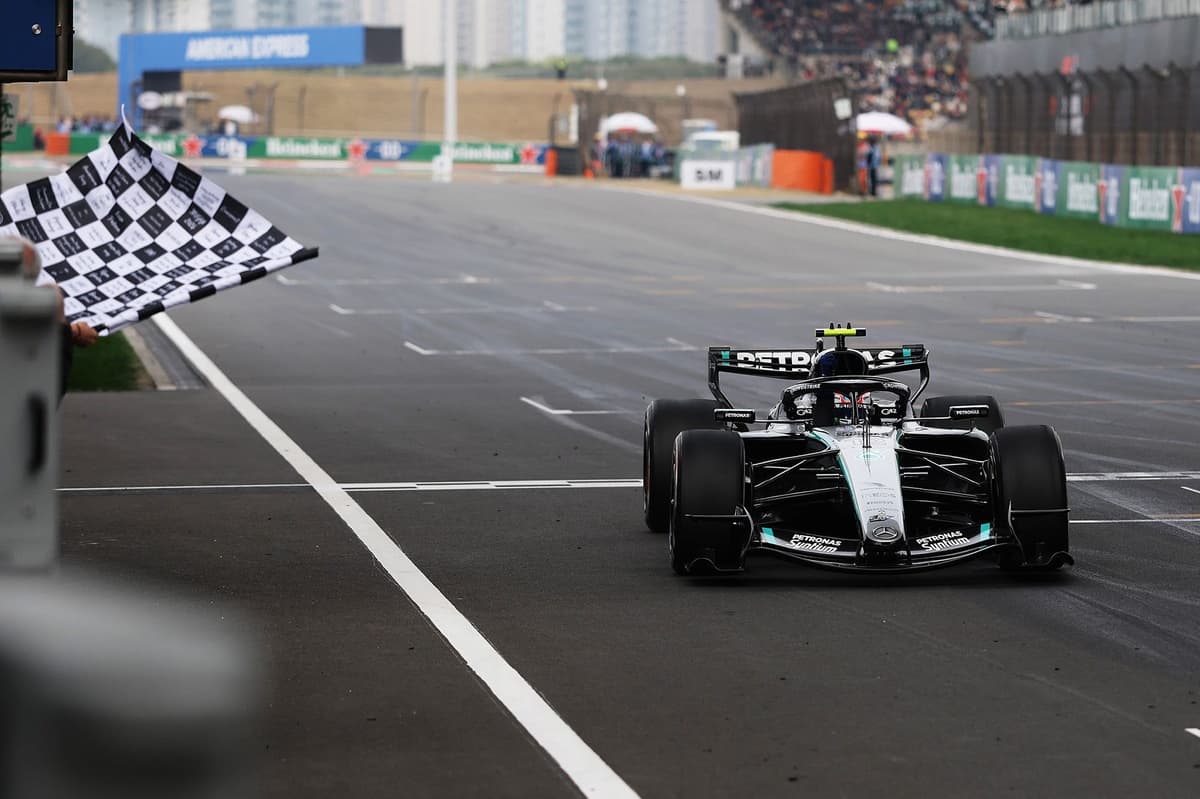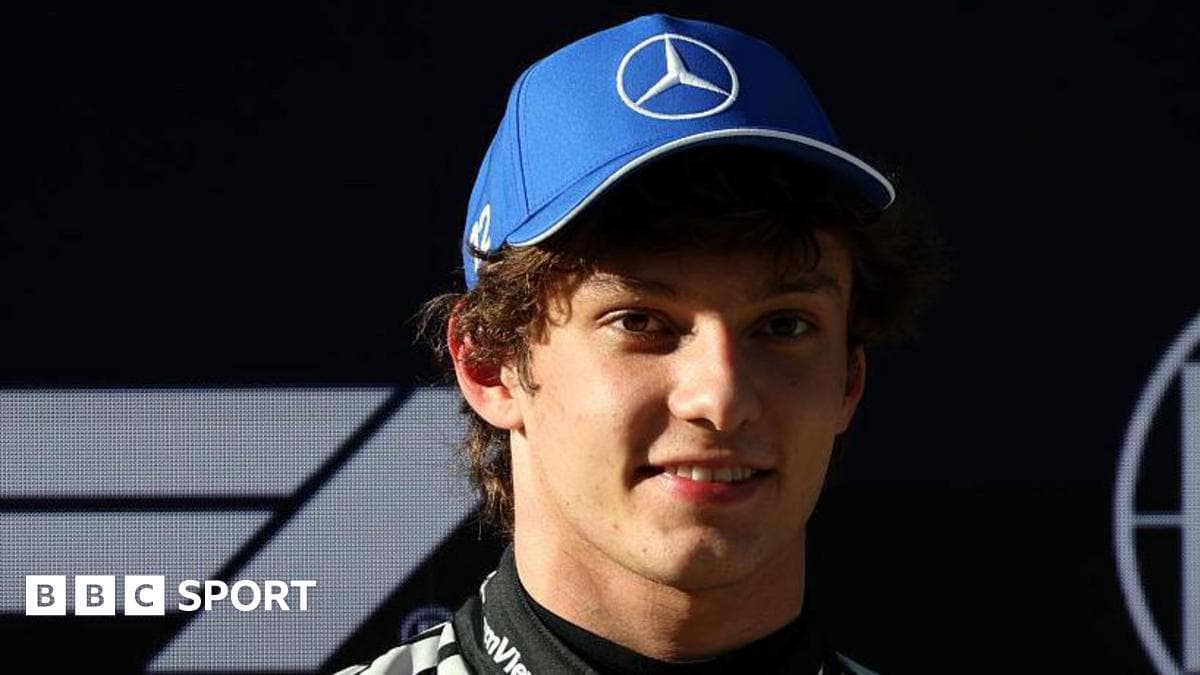
Shanghai, China – In a stunning display of talent and a qualifying session riddled with drama, Kimi Antonelli etched his name into Formula 1 history on Saturday. The 19-year-old Mercedes driver secured pole position at the Chinese Grand Prix, surpassing Sebastian Vettel’s long-standing record to become the youngest driver ever to achieve the feat. Antonelli’s time of 1:32.899 was enough to edge out his teammate, George Russell, who faced a series of mechanical setbacks throughout the session, highlighting a complex and unpredictable day for the Mercedes team.
Antonelli's Historic Pole Position: Breaking Vettel's Record
Antonelli’s remarkable achievement came at 19 years and 212 days old, eclipsing Sebastian Vettel’s previous record of 21 years and 72 days, set during his pole position at the 2008 Italian Grand Prix. The young driver’s performance underscores the rapid development and increasing competitiveness within Formula 1, where younger drivers are increasingly challenging established veterans. This marks Antonelli’s first-ever pole position in Formula 1, a significant milestone in his burgeoning career and a testament to his skill and composure under pressure.
The Context of Rising Young Talent in F1
The rise of young talent in Formula 1 has been a notable trend in recent years. Drivers are entering the sport at younger ages and demonstrating exceptional abilities, often challenging the established order. This shift is driven by advancements in driver training programs, simulator technology, and the overall evolution of the sport. Antonelli’s success is part of this broader narrative, showcasing the potential of the next generation of racing stars and adding another layer of excitement to the Formula 1 landscape.
Russell's Qualifying Nightmare: A Series of Mechanical Issues
While Antonelli celebrated a historic pole, his teammate, George Russell, the current championship leader, endured a frustrating and chaotic qualifying session. Russell’s struggles began in Q2 when he reported a broken front wing flap. Initially, the team was unsure of the extent of the damage, but Russell insisted on its presence. He then experienced further complications, becoming stranded on the track and barely making it back out in time to complete his lap. Despite these setbacks, Russell managed to secure second place, describing it as 'damage limitation' given the circumstances.
"It was a crazy session. Front wing broke at the end of Q2. The team weren't sure it had broken but I was sure it had. Then got stranded on track and just made it back out in time. It was more a case of just getting a lap done. P2 is better than I was expecting when I started the lap with no battery and tyre temperature. Really happy to be here because I could have been down in 10th."
The Competitive Landscape: Leclerc, Hamilton, McLaren, and Verstappen's Struggles
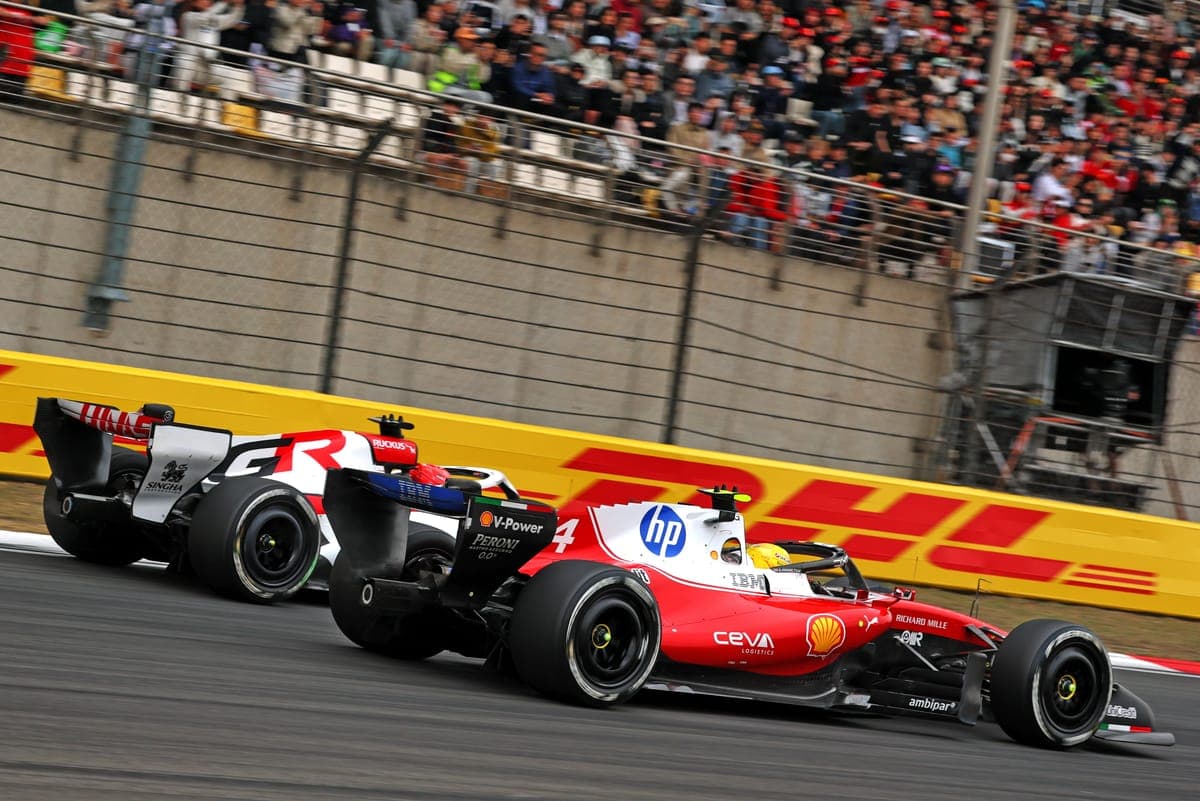
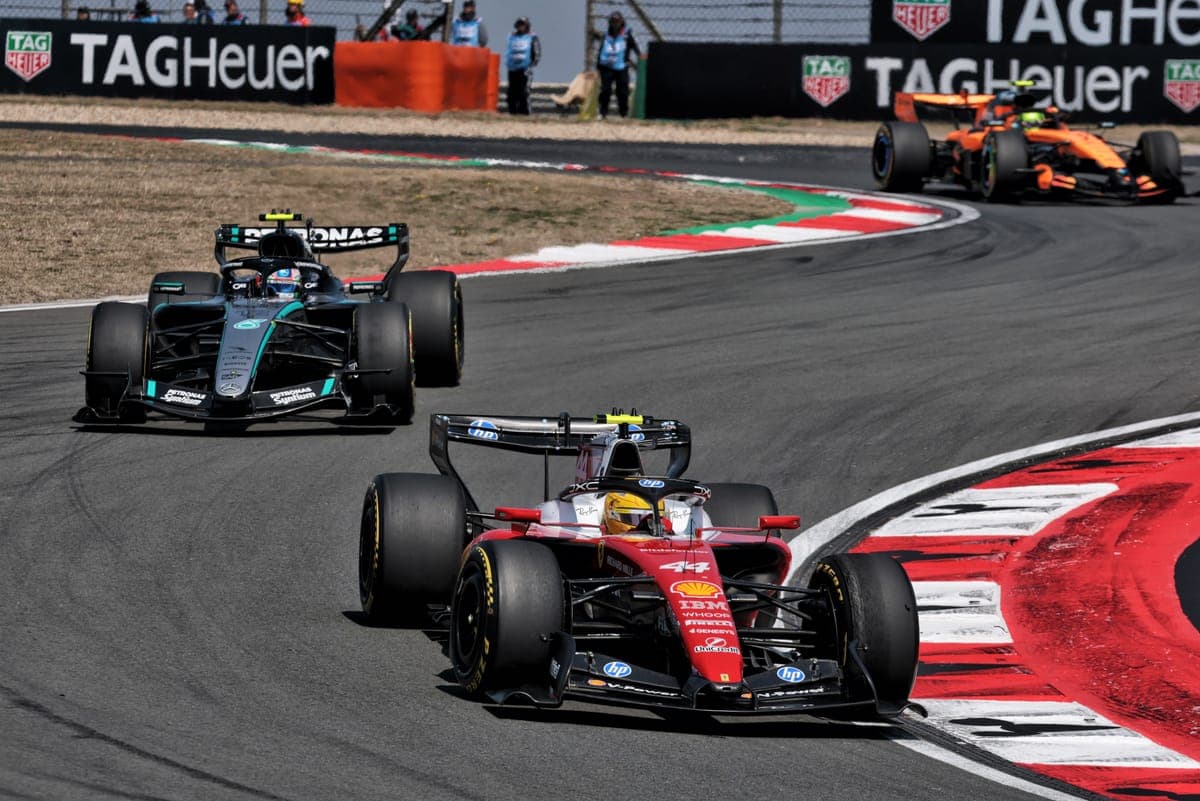
The qualifying session wasn't just defined by the Mercedes duo. Ferrari’s Charles Leclerc initially topped the first session, narrowly beating Russell by just under 0.1 seconds. However, he ultimately finished third behind Antonelli. Lewis Hamilton, who had a spirited battle with Russell during the sprint race, qualified third, 0.351 seconds off pole, expressing optimism about challenging Mercedes in the main race. McLaren’s Lando Norris was pleased with their proximity to Ferrari, suggesting a good chance for a strong performance on Sunday. In contrast, Max Verstappen, the four-time world champion and Red Bull driver, voiced significant frustration, stating his car was 'completely undriveable' and nearly a full second off the pace.
Verstappen’s comments highlighted a potential issue for Red Bull, suggesting a significant performance gap compared to Mercedes and Ferrari. He indicated that numerous changes to the car had yielded no positive results, leaving him struggling to find a competitive setup. This raises questions about Red Bull’s performance trajectory and their ability to challenge for the championship.
How the Federal Reserve Rate Decision Affects Mortgage Rates
While seemingly unrelated to Formula 1, the broader economic context, including factors like interest rates and inflation, can influence the sport through sponsorship deals and team budgets. A stable economic environment generally fosters greater investment in Formula 1, while economic uncertainty can lead to budget cuts and reduced sponsorship opportunities. The Federal Reserve's monetary policy decisions, particularly regarding interest rates, have a ripple effect throughout the global economy, impacting various sectors, including motorsport.
- Kimi Antonelli became the youngest driver to ever secure a Formula 1 pole position.
- George Russell faced multiple mechanical issues during qualifying, impacting his performance.
- Max Verstappen expressed significant concerns about his Red Bull car's performance, stating it was 'completely undriveable'.
- Mercedes demonstrated their dominance, securing the top two qualifying positions.
- The qualifying session highlighted the increasing competitiveness and rising talent within Formula 1.
Frequently Asked Questions
Frequently Asked Questions
- How old is Kimi Antonelli, and how does his record compare to Sebastian Vettel’s?
- Kimi Antonelli is 19 years and 212 days old. This surpasses Sebastian Vettel’s previous record of 21 years and 72 days, making Antonelli the youngest driver to ever achieve a Formula 1 pole position.
- What problems did George Russell encounter during qualifying?
- George Russell experienced a series of issues, including a broken front wing flap in Q2 and his car stopping on track due to a gearbox malfunction. These setbacks significantly hampered his qualifying performance.
- Why was Max Verstappen so critical of his Red Bull car’s performance?
- Max Verstappen expressed frustration, stating his Red Bull car was 'completely undriveable' and that numerous changes to the car had not improved its performance. He was nearly a full second off the pace, indicating a significant performance deficit.