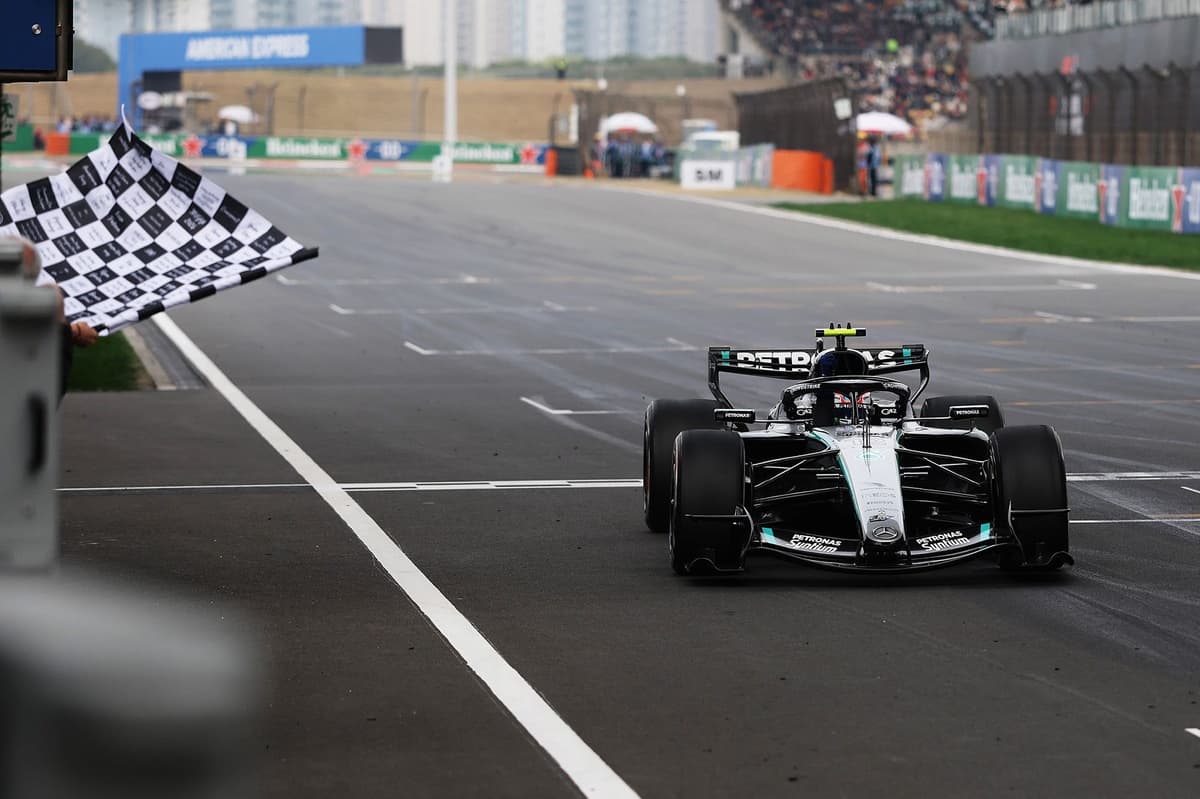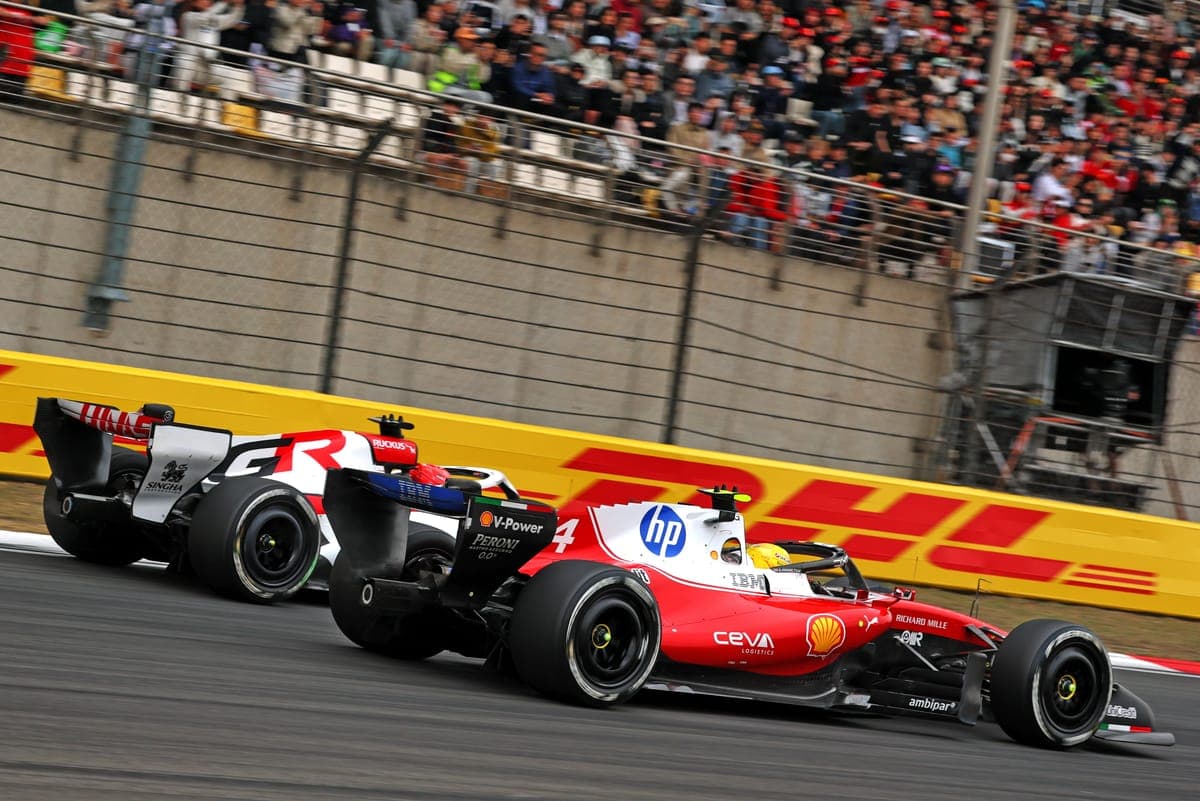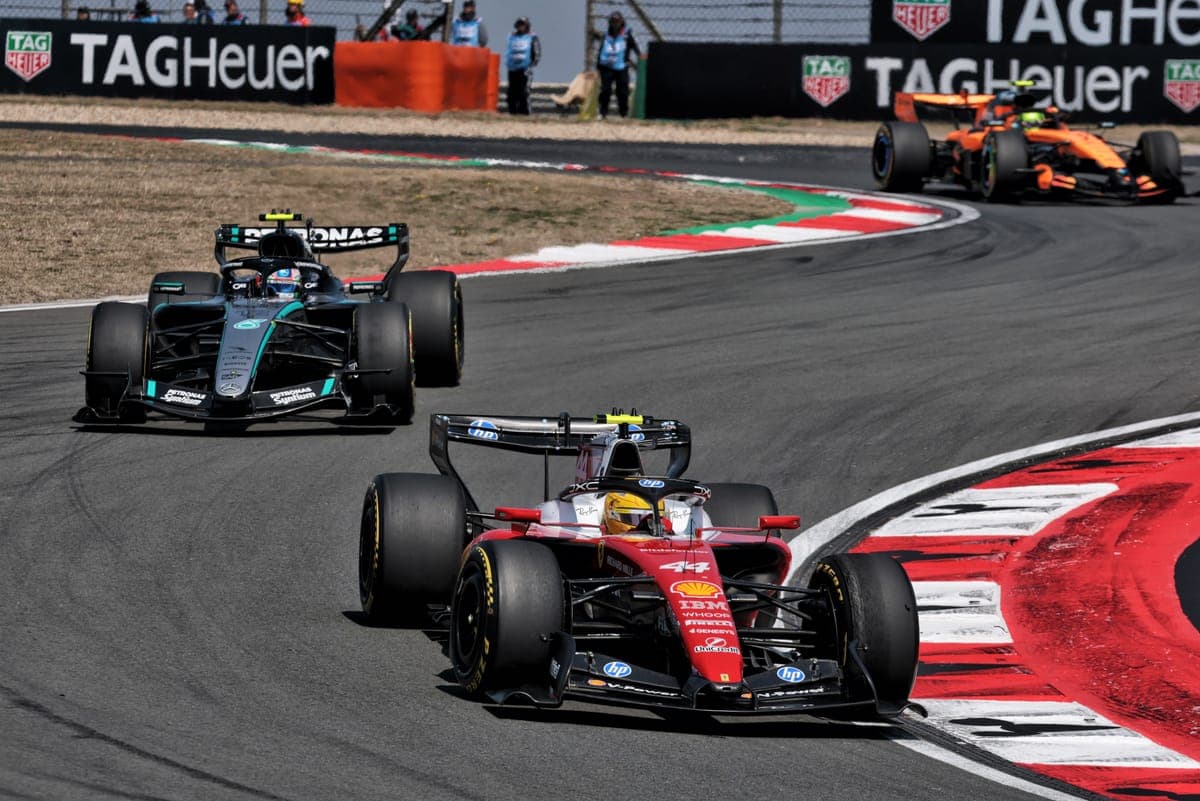
Shanghai, China – The 2026 Chinese Grand Prix delivered a weekend of high drama and revealing performance trends, marked by the inaugural sprint race and a grand prix qualifying session at a circuit seemingly better suited to the current generation of energy-conscious Formula 1 cars. The event underscored both the spectacle and the complexities of the sport's evolving regulations, leaving teams and drivers grappling with challenges related to energy management, overtaking, and car performance.
Midfield Mayhem and Concerns Over F1 Racing 'Chaos'
Saturday’s action-packed sprint race provided a thrilling spectacle, featuring intense battles between Mercedes and Ferrari at the front of the field and a congested midfield where overtaking proved exceptionally difficult. While the racing was visually engaging, many drivers expressed frustration with the current state of affairs, describing it as “chaos” and questioning the fairness of the battles.
“The early laps were good fun, and Charles [Leclerc] and I were just saying, it's pretty exciting racing,” remarked George Russell, acknowledging the initial excitement. However, this sentiment was not universally shared. Esteban Ocon, driving for Alpine, voiced his concerns, stating, “F1 isn’t go-karts, obviously we want a lot more overtakes, but it's just chaos. You can't really plan for any overtaking. If you do, you are going to get re-overtaken.” He further elaborated on the complexities, noting that differences in deployment strategies and cornering speeds between manufacturers create significant disparities, making overtaking a challenging prospect.
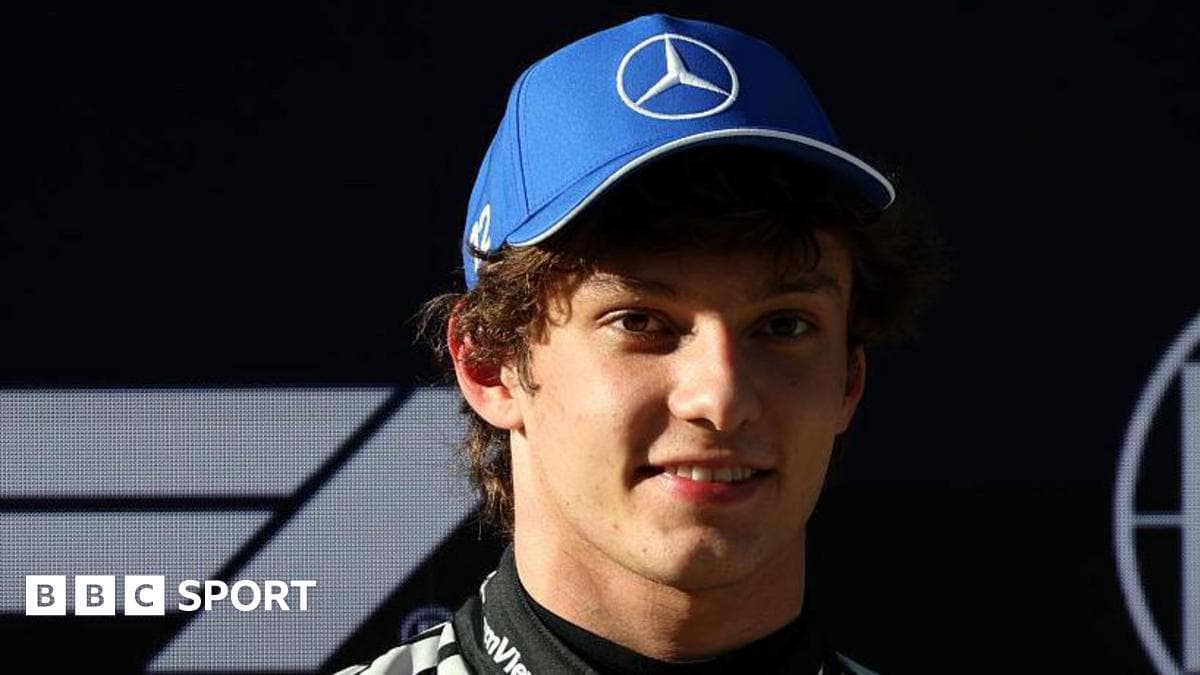
Haas driver Ollie Bearman echoed these sentiments, observing a large pack of cars separated by mere tenths of a second. He drew a comparison to past eras, referencing Kimi Räikkönen’s dominance and Max Verstappen’s comeback drives, contrasting them with the current situation where “when the pecking order is basically fastest car at the front and slowest car at the back, then nothing else can happen.” Liam Lawson, despite winning the midfield battle in the sprint, admitted his enjoyment was “not super high,” attributing it to the emphasis on energy management rather than traditional racing.
Red Bull's Engine Performance Under Scrutiny in China
While Red Bull’s new in-house engine had been generating positive reviews for the preceding two months, its performance in China appeared significantly limited. This marked the first time the engine seemed to lack its usual competitive edge. Although Isack Hadjar experienced an engine failure in the Australian Grand Prix, the overall impression of Red Bull’s engine had been positive until this weekend.
The performance deficit became apparent as Mercedes and Ferrari were able to maximize their engine capabilities, tapping into a performance ceiling that Red Bull struggled to reach. Liam Lawson, driving for Racing Bulls, highlighted this disparity, stating, “For us it's worse here. We struggle more at this track. It's quite an energy-rich track, and it definitely doesn't suit our car as much at the moment.” He acknowledged that while their energy management was relatively strong, the track’s demands exposed the car’s limitations.
Verstappen's Frustration: Chassis Issues Plague Red Bull
Max Verstappen’s frustration reached a boiling point after qualifying, delivering a scathing assessment of his Red Bull car, describing it as “every lap is like survival.” Following a disappointing Friday, Verstappen endured a further setback on Saturday, dropping out of the points during the sprint race start and struggling in qualifying, ultimately finishing eighth. Isack Hadjar placed ninth, trailing behind Alpine and only narrowly ahead of Haas.
Despite extensive setup changes, Verstappen reported no improvement, stating, “We changed a lot on the car to make zero difference.” He characterized the car as “completely undriveable” and “impossible to push,” pointing to a lack of grip and persistent balance issues. While Red Bull suspects cold temperatures are contributing to the problem, the root cause remains elusive. Verstappen expressed pessimism about the grand prix, warning, “It’s not going to be a fun race.”
The Evolving Nature of Qualifying and the Impact of Regulations
The current Formula 1 regulations, which emphasize energy management and lift-and-coast strategies, are fundamentally altering the nature of qualifying. Charles Leclerc, a driver known for his aggressive qualifying runs, noted that taking excessive risks now can be counterproductive, potentially disrupting the engine’s energy management system and leading to greater losses than gains. He explained, “In the past, one of my strengths was that come Q3 I was just taking massive risks to get something out more, and now when you do that…you start losing a lot more than what you gained.”
Leclerc now advocates for consistency, finding his rhythm throughout the qualifying sessions. Ollie Bearman, attempting a more aggressive approach in Q3, experienced the opposite, losing time on the straights despite faster cornering speeds. This highlights the delicate balance drivers must strike in the current regulatory environment.
Mercedes Maintains an Edge, Despite Qualifying Setbacks
While rivals initially perceived a narrowing of the gap to Mercedes after qualifying, the reality is more nuanced. The reduced margins may not reflect genuine progress from other teams, but rather the challenges faced by Mercedes themselves. George Russell’s car briefly entered anti-stall and was stuck on track, hindering his qualifying performance. The team’s subsequent efforts to reset the car ultimately prevented him from reaching his full potential.
- Red Bull's engine performance was notably weaker in China compared to previous races.
- Max Verstappen expressed significant frustration with his car's handling and lack of grip.
- The current F1 regulations are impacting qualifying strategies, favoring consistency over aggressive risk-taking.
- Mercedes maintained a performance advantage despite facing technical issues during qualifying.
Frequently Asked Questions
- Why is Red Bull's engine struggling at the Chinese Grand Prix?
- The Chinese Grand Prix circuit is particularly energy-rich, placing higher demands on the engine. This appears to expose a performance deficit in Red Bull's engine compared to Mercedes and Ferrari, who are better able to manage these energy demands.
- What are drivers saying about the current Formula 1 racing format?
- Several drivers have expressed concerns about the 'chaos' and lack of overtaking opportunities in the current racing format. They believe the emphasis on energy management and the resulting strategic considerations are hindering the natural flow of racing and creating a processional style of competition.
- How are the current regulations affecting qualifying?
- The regulations now prioritize energy management, making aggressive qualifying runs riskier. Drivers are finding that consistency and a measured approach are more effective than pushing the car to its absolute limit, as doing so can disrupt the engine's energy management system.