On a Saturday packed with intriguing pitching matchups across Major League Baseball, fantasy baseball managers were treated to a handful of standout performances that could shape roster decisions in the coming weeks. Rhett Lowder led the charge with a masterful 6.0 innings of no-hit ball for Cincinnati, while Clay Holmes and Bryce Elder continued to showcase their potential as reliable rotation anchors. From unexpected command outings to rookie sensations staking their claim, the weekend’s results offered both confirmation and surprises for those tracking pitching value in fantasy formats.
- Rhett Lowder delivered a 6.0 IP, 0 ER gem with elite command against Texas, signaling potential breakout status
- Bryce Elder’s improved slider and cutter command kept Atlanta’s rotation humming despite fastball concerns
- Clay Holmes leaned on his sinker to dominate San Francisco, reinforcing his role as a high-ratio fantasy asset
- Toby-type arms like Lowder showed why patience in the rotation can yield fantasy gold
- Matchup-dependent performances highlighted the importance of schedule analysis in weekly formats
Rhett Lowder’s Command Masterclass Positions Him as Fantasy Sleeper
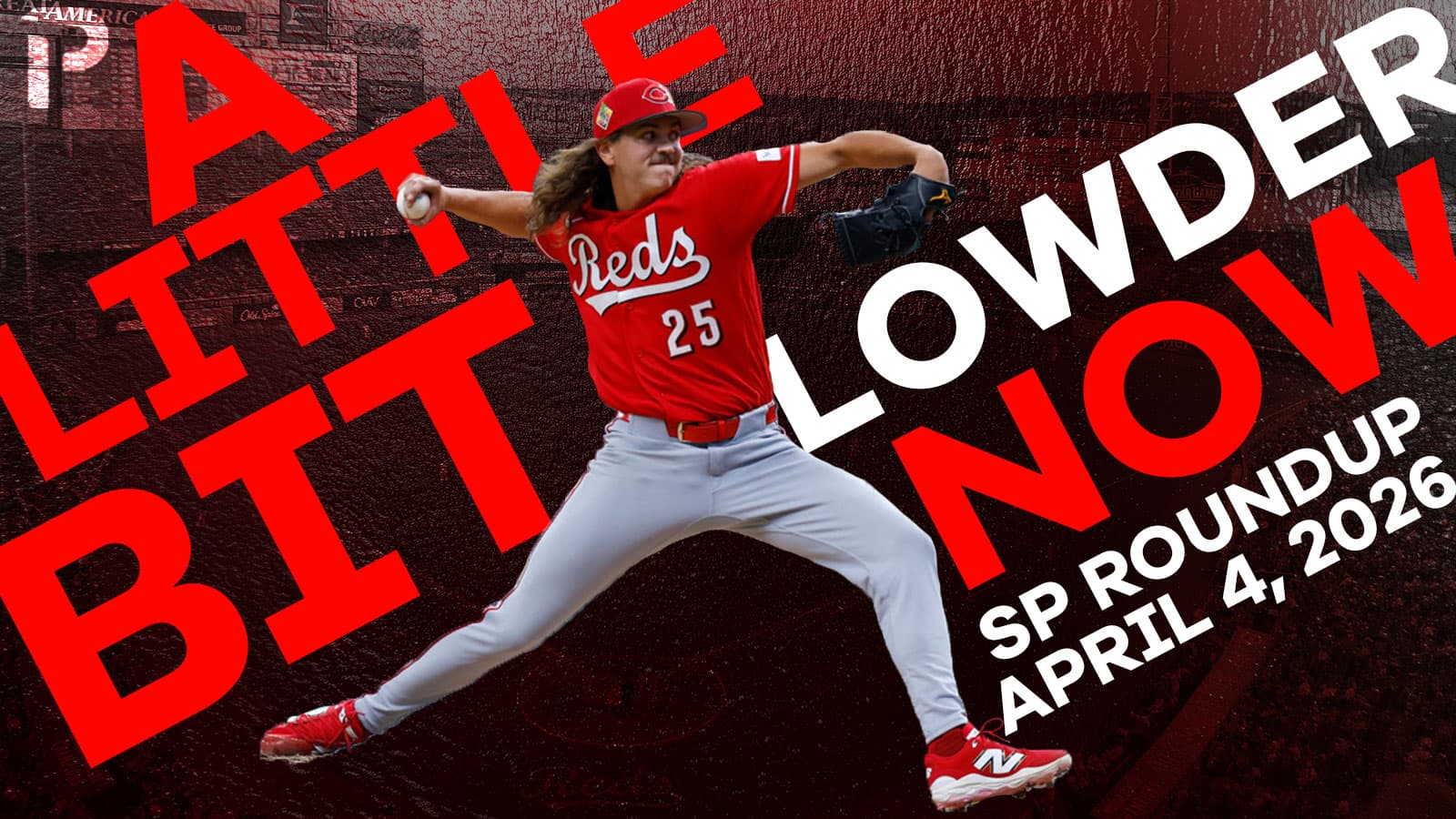
Cincinnati Reds rookie Rhett Lowder didn’t just deliver a strong start—he authored a performance that fantasy analysts are taking seriously as a potential turning point in his development. Facing the Texas Rangers on April 4, Lowder tossed 6.0 scoreless innings while allowing only three hits and two walks, striking out four batters on 82 pitches. His 29% called-strike-plus-whiff (CSW) rate underscored the deception in his arsenal, particularly against a lineup that entered the game with a .285 wOBA against right-handed pitching.
The Art of the Deceptive Arsenal
While Lowder’s pitch mix—featuring a 92 mph sinker with 19 inches of ride, an underwater changeup, and a gyro slider at 84 mph—lacks eye-popping velocity, his command profile tells a different story. The sinker induced 11 ground balls, including seven weak-contact events, while the changeup and slider generated six whiffs combined. What stands out is Lowder’s ability to sequence pitches in a way that disrupts batters’ timing. His low 31-degree arm angle, combined with a steeper horizontal approach angle (HAVAA) of 0.7, creates a tunneling effect that masks his fastball despite modest velocity.
Fantasy Implications and Upcoming Matchups
For fantasy managers, Lowder’s outing serves as a reminder that upside isn’t solely dictated by velocity or strikeout totals. Players like Noah Cameron and Merrill Kelly have carved out long-term value in the past by combining command, deception, and efficient pitch usage. Lowder’s next three starts (@MIA, vs. SFG, @TBR) present a favorable path to test his newfound form. The Marlins offense, while improved from a year ago, ranks 18th in baseball with a 109 wRC+ against right-handed starters, while San Francisco’s lineup shows vulnerability to sinker-heavy righties. Tampa Bay, meanwhile, features a .302 wOBA against right-handed pitching, making it a potential high-leverage spot for Lowder’s next appearance.
Clay Holmes Moves the Needle for New York with Sinker-Dominated Gem
New York Mets reliever-turned-starter Clay Holmes continues to defy expectations in his first full season as a rotation piece. Facing the San Francisco Giants on April 4, Holmes authored a 7.0-inning, zero-run performance while allowing just three hits and two walks, striking out four. His 90-pitch outing featured a sinker that averaged nearly two inches of extra ride, generating 14 ground-ball outs on 22 balls in play.
The Adobe’s Arsenal and Historical Comparisons
Holmes’ sinker, which sits in the mid-90s and features elite vertical movement, has become the cornerstone of his success. Since debuting as a starter in 2023, Holmes has posted a 3.12 ERA and 1.09 WHIP while ranking in the 90th percentile for ground-ball rate (58.3%) among qualified starters. His ability to induce weak contact—batters are hitting just .221 against his sinker in 2024—makes him a high-floor asset in fantasy formats, particularly in leagues that value innings and low run potential.
Bryce Elder’s Slider Revolution Carries Atlanta’s Rotation
Atlanta Braves left-hander Bryce Elder authored another gem on April 4, tossing 7.0 scoreless innings while striking out eight Rangers on 89 pitches. His performance underscored the strides he’s made with his slider, which now features 3-4 inches more drop and 1-2 inches more sweep compared to 2023. The pitch generated 13 whiffs at a 31% CSW rate, while Elder’s new cutter—a pitch he introduced to left-handed hitters—returned an 82% strike rate.
The Cutter’s Role in Elder’s Evolution
Elder’s cutter, thrown at 87 mph with late life, serves as a complementary weapon to his sinker (inside to right-handed batters) and slider (down and away). The pitch has been particularly effective against left-handed hitters, where Elder has historically struggled with fastball command. While his four-seamer still yields a 71% hard-contact rate, the cutter’s introduction may allow him to mitigate that vulnerability. Fantasy managers should monitor Elder’s next start against the Cleveland Guardians, where he’ll face a lineup that ranks 12th in baseball with a .321 wOBA against left-handed starters.
Spotlight on Other Notable Performances from Saturday
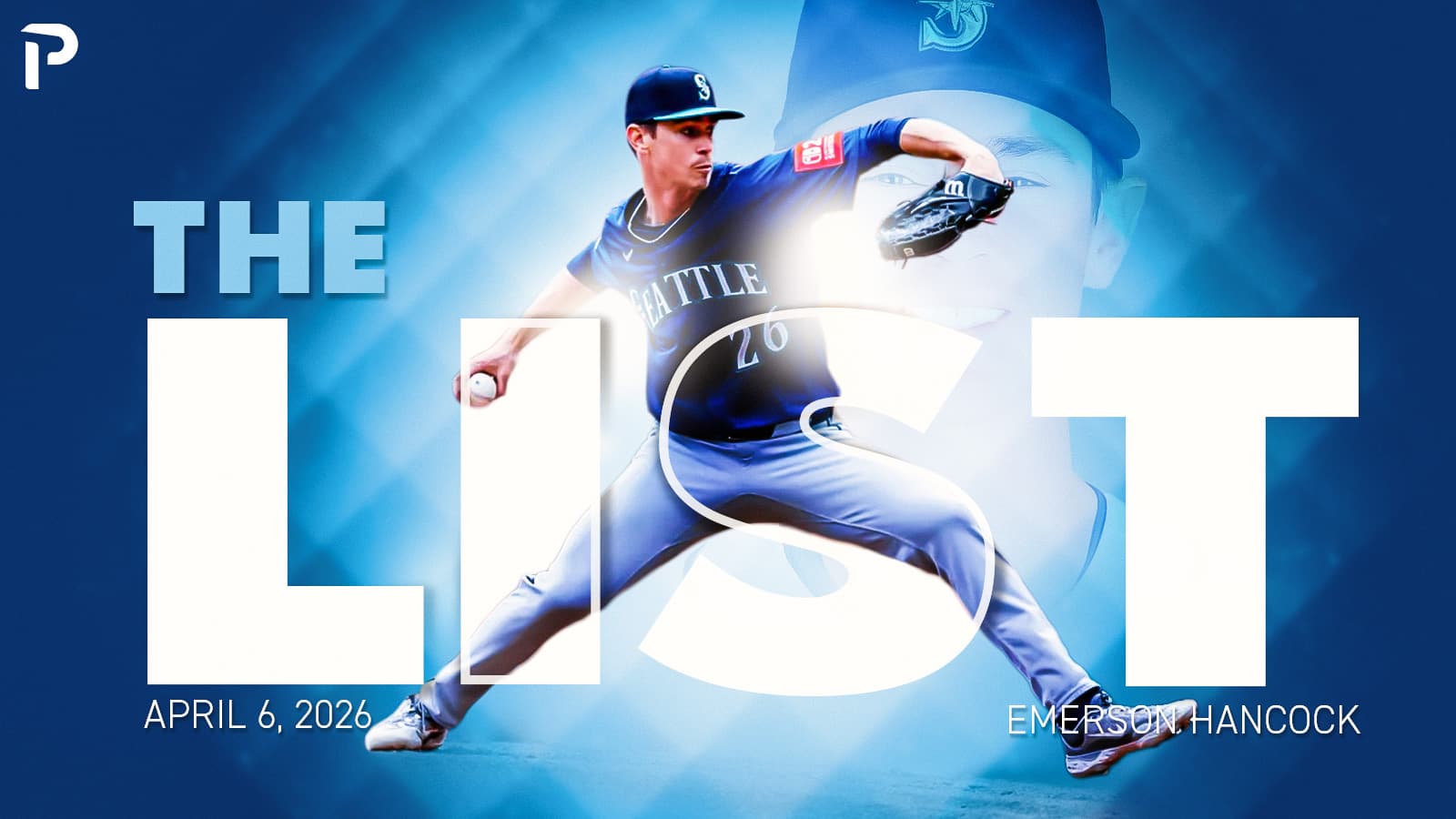
Beyond the headline acts, Saturday’s slate featured a mix of breakout moments, regression risks, and matchup-dependent performances that could influence fantasy decisions. Emerson Hancock of Seattle continued his strong start to the season with 6.2 innings of one-run ball, while Philadelphia’s Jesús Luzardo authored a career-high 11-strikeout outing in Colorado. Meanwhile, rookie Chase Dollander flashed upside in Coors Field, striking out six over 4.1 innings despite the altitude challenges.
Emerson Hancock’s Fastball Renaissance
Hancock’s 6.2-inning, one-run performance against the Los Angeles Angels marked his second consecutive start with strong fastball whiffs. His four-seamer generated 13 whiffs on the night, while his sinker induced eight ground-ball outs on nine balls in play. The improvement in Hancock’s fastball shape—his sinker now features -4 inches of drop compared to 2023—has translated to better results against both right- and left-handed hitters. His next start against Houston’s formidable lineup will serve as a critical test of his newfound command.
Jesús Luzardo’s Command Breakthrough in Colorado
Luzardo’s outing on Easter weekend was one of his cleanest of the season, as he carved up a Rockies lineup that entered the game with a .330 wOBA at Coors Field. His 6.2 innings of one-run ball included five hits allowed and 11 strikeouts, with his curveball and changeup generating 23 whiffs at a 38% CSW rate. Luzardo’s ability to locate his fastball in the upper third of the zone has been a key driver of his success, as he’s allowed a .190 batting average against the pitch in 2024.
Pitching Matchups and Fantasy Schedule Analysis
For fantasy managers, the weekend’s performances highlighted the importance of aligning pitching matchups with roster construction. Players like Guerrero, who faces a favorable slate of opponents in the coming weeks, can provide long-term value, while others like Randy Vásquez (whose fastball velocity dipped to 93-94 mph) may warrant a temporary benching in favor of higher-ceiling options.
The Reds Carpet and Pitching Schedules
Several pitchers, including Kumar Rocker and Max Meyer, are scheduled to face the Cincinnati Reds in their next starts. The Reds’ offense, which ranked 25th in baseball with a .298 wOBA in April of 2023, presents a prime opportunity for opposing pitchers to pad their stats. Rocker, who struggled with command in his outing against Cincinnati, will look to rebound, while Meyer’s slider command will be critical in his attempt to build on a solid start against New York.
Key Takeaways for Fantasy Baseball Managers
- Rhett Lowder’s command outing signals potential breakout status, making him a priority add in leagues that value innings and low run potential
- Clay Holmes’ sinker-heavy approach continues to yield elite ground-ball rates, reinforcing his role as a high-floor fantasy asset
- Bryce Elder’s slider and cutter improvements position him as a mid-rotation anchor in deeper leagues, provided his fastball command remains manageable
- Pitching matchups, particularly against the Reds’ lineup, should drive roster decisions in weekly formats
- Monitor velocity trends for pitchers like Randy Vásquez, whose fastball velocity dipped in his latest start
Pitching Arms to Watch and Avoid
While some pitchers flashed upside, others showed red flags that could impact their fantasy value. Michael Soroka’s curveball struggles and lack of whiffs from his primary secondary pitch raise concerns about his ability to sustain production. Conversely, Tatsuya Imai’s slider and splitter combination, which generated 18 whiffs in 5.2 innings, could make him a intriguing sleeper if his command continues to improve.
Expert Analysis: What Fantasy Managers Need to Know
Among all the explosive strikeout, high-velocity, and massive stuff arms, sometimes the real value comes in those Toby types, who quietly travel six frames without fanfare. Think Noah Cameron or Merrill Kelly of years past, and Rhett Lowder could join that club this season.
Frequently Asked Questions About Saturday’s Pitching Performances
Frequently Asked Questions
- Who had the best fantasy performance on Saturday?
- Rhett Lowder led the way with a 6.0 IP, 0 ER outing for Cincinnati, showcasing elite command and generating a 29% CSW rate against Texas.
- Should I pick up Rhett Lowder in my fantasy league?
- Given his command profile and favorable upcoming matchups, Lowder is worth a speculative add in deeper leagues. Monitor his next three starts (@MIA, vs. SFG, @TBR) for continued success.
- How important are matchups when evaluating starting pitchers in fantasy baseball?
- Matchups play a critical role in determining pitcher value, particularly in weekly formats. Facing lineups with lower wOBA or weaker platoon splits can significantly boost a pitcher’s chances of success.