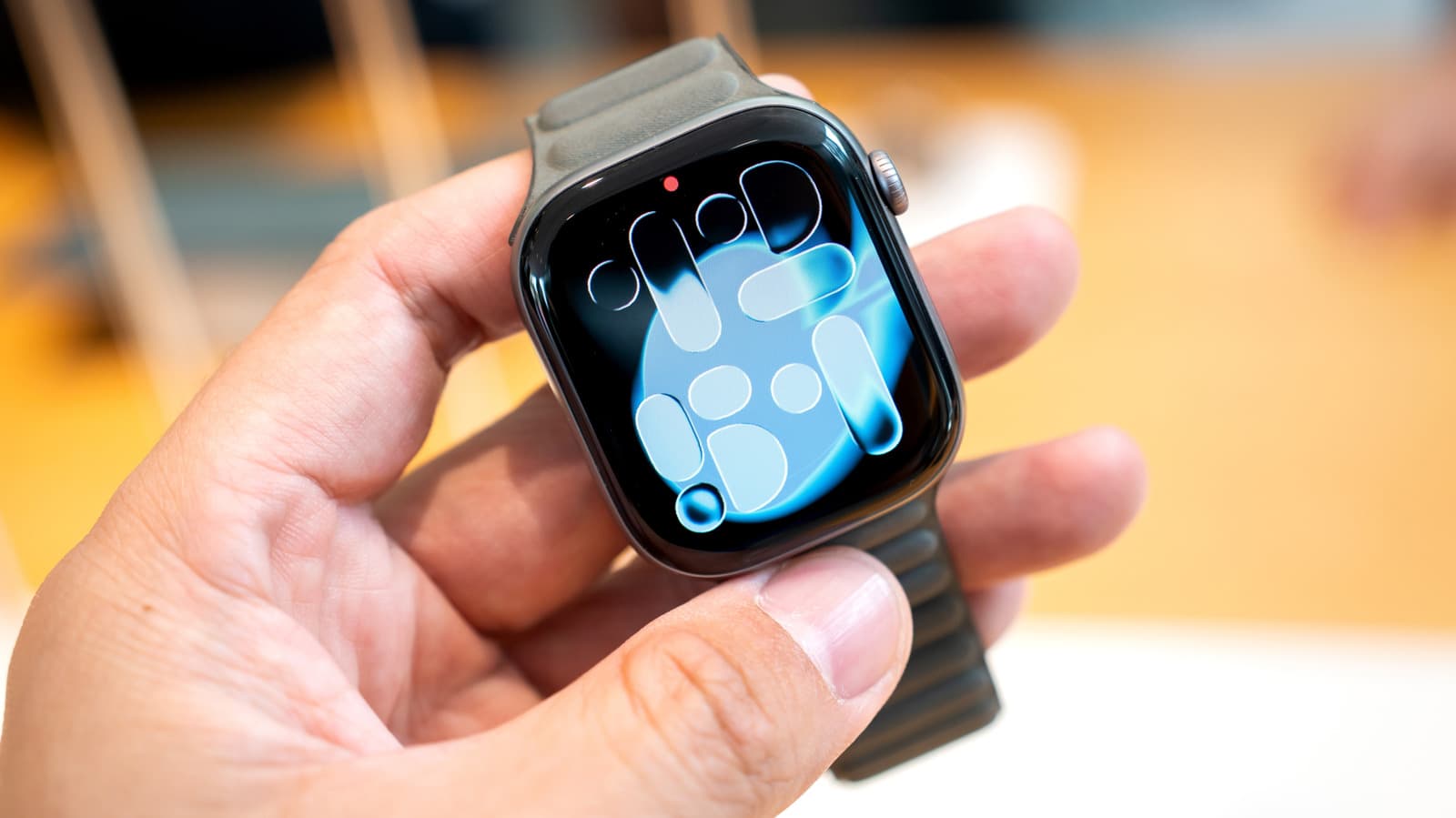
Since its debut in 2015, the Apple Watch has evolved from a simple fitness tracker to a medical-grade health monitor, a communication hub, and a pocket-sized AI assistant—all strapped to your wrist. As of 2026, the device’s latest models—the Series 11, SE 3, and Ultra 3—pack advanced features that go far beyond step counting and text replies. Whether you’re a long-time owner or new to the ecosystem, you’re likely overlooking tools designed to improve sleep health, accessibility, safety, and daily convenience. From detecting potentially life-threatening breathing irregularities during sleep to translating foreign languages in real time, these capabilities are built into the hardware and software of watchOS 26, but many users never activate them. Below, we unpack ten underutilized features that could transform how you use your Apple Watch this year.
How Apple Watch’s Sleep Apnea Detection Could Save Your Life in 2026
Sleep apnea, a condition marked by repeated interruptions in breathing during sleep, affects an estimated 30 million Americans—many of whom remain undiagnosed. Left untreated, it can lead to chronic high blood pressure, heart arrhythmias, stroke, and daytime fatigue so severe it mimics drunkenness. While a formal diagnosis requires a sleep study at a clinic or home testing kit, the Apple Watch is now equipped to flag potential red flags through its Sleep Apnea Notifications feature. This tool uses advanced respiratory sensors and machine learning to analyze breathing patterns over a 30-day period during sleep, providing early warning signs that may prompt users to seek medical attention.
Which Models Support Sleep Apnea Detection and How to Activate It
Sleep Apnea Notifications are available on Apple Watch Series 9 or later, Apple Watch Ultra 2, and Apple Watch SE 3. To begin tracking, users must update their iPhone to the latest iOS version and enable the Sleep Tracker in the Health app. Wearing the watch during sleep for a minimum of 10 nights over a 30-day window triggers the system’s analysis. Once activated, the feature can be found by navigating to the Health app, tapping Search, then Respiratory, and selecting Sleep Apnea Notifications. If the system detects irregularities, it sends a discreet alert to the user’s iPhone and watch, with an option to export the data as a PDF report for sharing with a healthcare provider.
Apple emphasizes that this feature is not a diagnostic tool, but rather a screening aid. Dr. Raj Dasgupta, a sleep medicine specialist at the University of Southern California, explains, 'While smartwatches can’t replace a polysomnography test, they can serve as a valuable first step in identifying people who may benefit from further evaluation. The key is consistent use over time and awareness that results should always be discussed with a clinician.'
Silent Mode Made Simple: Mute Alerts in Seconds Without Looking
In a world where notifications are relentless, Apple has equipped the Apple Watch with multiple ways to silence interruptions without fumbling for your phone or drawing attention. Two gesture-based options—already enabled by default—allow users to mute calls, texts, and app alerts instantly. The first is the Hand Cover Gesture: simply place your palm over the watch face for three seconds, and the device will vibrate to confirm the alert has been silenced. This method is ideal in meetings, theaters, or during lectures where noise is disruptive.
The Wrist Flick Trick: A Subtle Way to Dismiss Notifications
For an even stealthier approach, the Wrist Flick Gesture lets users flip their wrist upward, then back down, to mute active alerts. This feature is supported on Series 9, SE 3, and Ultra 2 models and beyond. Both gestures can be toggled on or off via the Settings app on the watch under Gestures. Users can also customize which types of notifications are muted this way, ensuring important alerts—like alarms or reminders—aren’t silenced accidentally. According to Apple’s usability studies, these features reduce the average time to silence a notification by nearly 70% compared to using the digital crown or button.
Apple Watch as a Hearing Aid: How Live Listen Transforms Real-Time Communication
For the nearly 40 million Americans living with hearing loss, the Apple Watch’s Live Listen feature turns the device into a portable hearing aid when paired with AirPods or Made-for-iPhone (MFi) hearing devices. Introduced with watchOS 26, Live Listen streams audio from an iPhone’s microphone directly to the user’s ears via Bluetooth, while also displaying real-time transcriptions on the watch screen. This can be a game-changer in noisy restaurants, family gatherings, or lecture halls where conversation clarity is compromised.
Setting Up and Using Live Listen in Real-World Scenarios
To activate Live Listen, users must first add the Hearing Controls button to their Control Center on the watch. Once configured, place the iPhone near the sound source—such as a speaker or a speakerphone—and open the Control Center on the watch. Tapping the Hearing Controls button reveals the Live Listen option, where users can start a session, rewind audio, view live captions, and stop the session. The feature supports multiple languages and regions, though accuracy varies by environment and clarity of speech. Apple advises that while Live Listen enhances communication, it should not be relied upon in emergencies due to potential transcription errors.
Say Goodbye to Humming: Instant Song Recognition Built Right Into Your Watch
Catching a tune on the fly has never been easier. In 2026, Apple has fully integrated Shazam’s music recognition technology into watchOS 26, eliminating the need to pull out your phone or shout lyrics to your friends. Simply open the Music Recognition app on the watch—depicted by a blue circle with a white ‘S’ logo—and tap once to begin listening. Within seconds, the watch displays the song title, artist, album art, and release date. Users can then play the track in Apple Music, add it to a playlist, or save it for later. The app also maintains a history of identified songs, making it easy to revisit tracks heard days or weeks ago.
How It Works Under the Hood and Regional Support
The integration leverages Apple’s on-device neural engine, ensuring song identification works even without an internet connection. Supported models include all Apple Watches running watchOS 26, such as Series 6 and later, SE 2 and later, and all Ultra models. While Shazam supports over 150 million songs globally, regional availability varies, and some less mainstream tracks may not be recognized. Apple claims an accuracy rate of over 90% in ideal conditions, with performance improving over time as the system learns from user interactions.
Break Language Barriers: Real-Time Translation Now Available on Your Wrist
With only about 23% of Americans fluent in more than one language, international travel or multilingual conversations can be daunting. Apple’s Live Translation feature, now fully integrated into the Translate app on watchOS 26, allows users to translate both spoken and written text into dozens of supported languages—directly on the watch. Whether ordering food in Tokyo, asking for directions in Rome, or chatting with a colleague in Berlin, your Apple Watch can act as a personal interpreter. The feature also supports offline translation, making it invaluable in areas with poor connectivity.
Using Translation in Conversations, Business, and Travel
To use Live Translation, open the Translate app on the watch and select the target language. For spoken translations, tap the microphone and speak a phrase; the watch displays the translation in real time. Users can play the audio translation aloud, save common phrases as favorites for quick access, and even choose between masculine or feminine translations for certain words. The app supports context-aware disambiguation—if a word has multiple meanings, the watch prompts the user to select the intended one. Offline translation is available on Series 9, SE 3, and Ultra 2 models and newer, with up to 20 languages supported offline.
Key Takeaways: 5 Ways Your Apple Watch in 2026 Can Enhance Your Life
- Sleep Apnea Notifications can alert you to potential breathing issues during sleep, prompting early medical consultation—especially useful for aging adults or those with risk factors like obesity or hypertension.
- Gesture-based muting (Hand Cover and Wrist Flick) lets you silence notifications in seconds without touching your phone, ideal for meetings, movies, and quiet settings.
- Live Listen transforms your watch into a hearing aid when paired with AirPods or hearing devices, streaming and transcribing conversations in real time for better accessibility.
- Built-in Shazam integration identifies songs instantly, building a personal history of identified tracks within the watch, eliminating the need to pull out your phone.
- Real-time translation supports dozens of languages and works offline on newer models, making travel and multilingual conversations seamless.
Security and Privacy Considerations for Health and Audio Features
With features like Sleep Apnea Detection and Live Listen handling sensitive health and audio data, Apple has implemented robust privacy protections. All health data collected by the watch is encrypted and stored locally on the device, with user consent required before sharing reports with healthcare providers. For Live Listen, audio streams are processed in real time and not stored unless explicitly saved by the user. Apple emphasizes that health data is not shared with third parties without user permission, aligning with its long-standing commitment to privacy.
Which Apple Watch Model Is Right for These Features in 2026?
Not all features are available across every model. The Series 11 offers the broadest compatibility, supporting Sleep Apnea Notifications, Live Listen, Music Recognition, and Translation—both online and offline. The SE 3 is a budget-friendly option that still includes Sleep Apnea Detection, Music Recognition, and Translation (with offline support), but lacks advanced sensors like the blood oxygen monitor found in Series models. The Ultra 3, designed for athletes and outdoor adventurers, includes all features plus extended battery life, dual-frequency GPS, and dive-ready durability. For users prioritizing health monitoring, the Ultra 3 or Series 11 are the top choices.
Looking Ahead: The Future of Smartwatch Health and Communication
Apple’s push into health diagnostics and accessibility reflects a broader trend in wearable technology: moving from fitness tracking to clinical-grade monitoring. In 2026, the Apple Watch is not just a smart accessory but a potential lifeline for aging populations, travelers, and people with disabilities. With ongoing advancements in AI and sensor technology, future iterations could introduce features like atrial fibrillation detection via ECG, blood glucose monitoring for diabetics, or even real-time fall detection with emergency call capabilities. As the device becomes more integrated into healthcare workflows, its role in preventive medicine is poised to expand significantly.
Frequently Asked Questions About Apple Watch Features in 2026
Frequently Asked Questions
- Can the Apple Watch really detect sleep apnea?
- The Apple Watch can detect potential signs of sleep apnea by analyzing breathing patterns over 30 days. While it’s not a diagnostic tool, it can flag irregularities and prompt users to consult a doctor for a formal sleep study. Accuracy improves with consistent wear and is best for screening, not treatment.
- Do I need an iPhone to use these features?
- Most features require an iPhone for initial setup and data synchronization, especially for health tracking and translations. However, Music Recognition and some gestures work independently once configured. Offline translation and Live Listen require pairing with an iPhone during setup.
- Which languages does the Apple Watch translate in real time?
- The Translate app supports over 50 languages in real time, including Spanish, French, German, Japanese, Mandarin, and Arabic. Offline translation is available for up to 20 languages, depending on the Apple Watch model. Language support continues to expand with software updates.