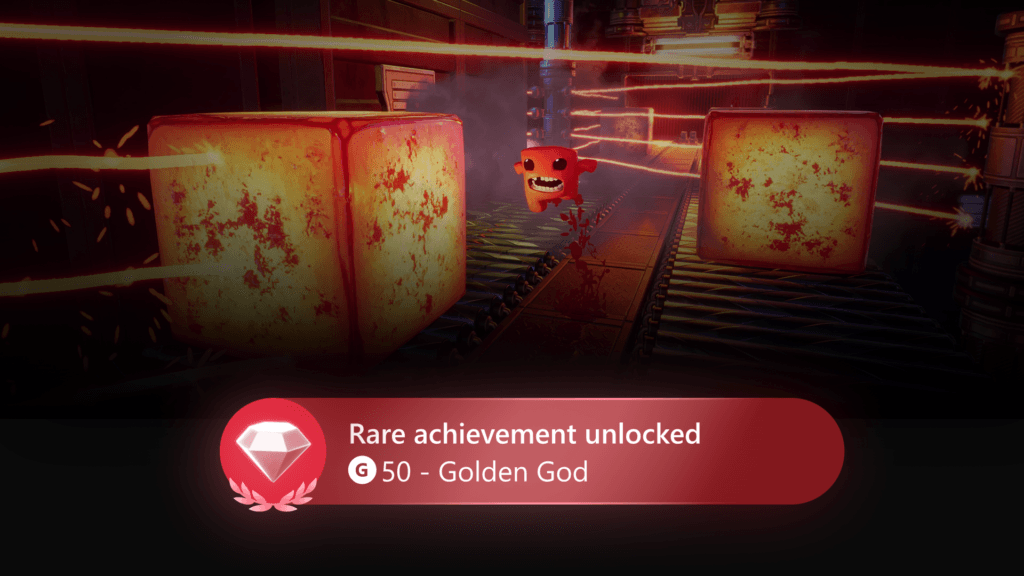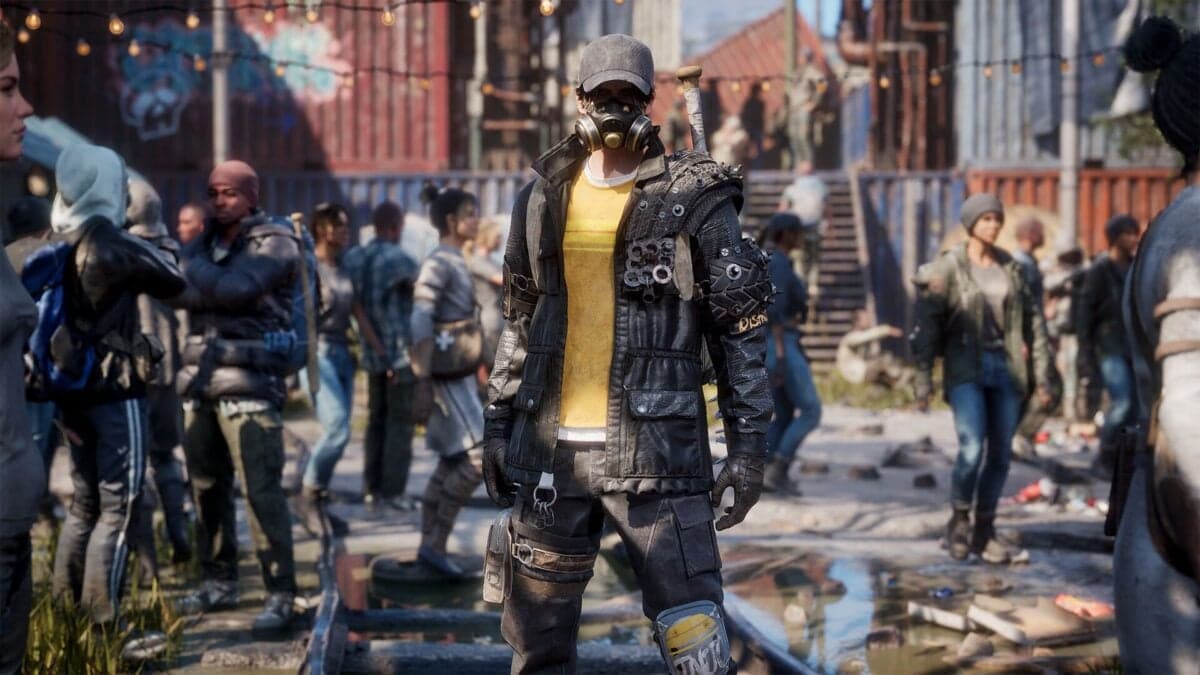
In a brutal reminder of the unforgiving realities of the modern gaming landscape, XLGAMES’ free-to-play extraction shooter *The Cube, Save Us*—launched on March 18, 2026—has announced it will shut down on May 8, 2026, just three weeks after its release. The announcement, delivered via a curiously upbeat Steam post titled “Survive the Wrath of the Cube!”, followed a wave of abysmal reviews and a rapid collapse in player numbers, exposing the fragile economics of live-service games in a market dominated by giants like *Arc Raiders* and *Fortnite*. Despite initial hype stemming from a standout performance in Steam Next Fest last October, the game failed to attract or retain an audience, revealing critical flaws in design, monetization, and player experience that proved fatal almost overnight.
Why The Cube, Save Us Collapsed in Weeks: A Postmortem of a Live-Service Flop
From Steam Next Fest Hype to Near-Zero Engagement
The Cube, Save Us entered the market with a modest but notable advantage: during Steam Next Fest in October 2025, its demo ranked among the ten most popular titles out of thousands, suggesting genuine player interest. The game was positioned as a post-apocalyptic extraction shooter in the vein of *Arc Raiders*, a 2023 title that had carved out a niche in the competitive live-service space. Developers XLGAMES, a Korean studio known for *ArchAge*, likely saw the demo’s performance as a green light to proceed with a full release. However, the transition from demo to full launch revealed a chasm between expectation and reality. On launch day, *The Cube, Save Us* peaked at just 5,177 simultaneous players on Steam—a figure that rapidly plummeted to the low hundreds within days. Unlike blockbuster titles such as *Fortnite* or *Call of Duty: Warzone*, which maintain tens or hundreds of thousands of concurrent players years after launch, *The Cube* never gained traction, failing to sustain even a fraction of its initial audience.
Critical Reviews and Player Backlash Doomed the Project
The game’s fate was sealed by a toxic combination of poor gameplay mechanics and aggressive monetization. On Steam, *The Cube, Save Us* currently holds a devastating 68% negative review rate, with players citing unpolished controls, lackluster combat mechanics, and a frustrating emphasis on microtransactions for cosmetic upgrades. The game’s monetization model—heavily reliant on selling skins and cosmetics to fund its free-to-play structure—alienated core players who expected a robust extraction shooter experience similar to *Escape from Tarkov* or *Hunt: Showdown*. One reviewer on Steam summed up the sentiment: “Not even jiggly boobs can save this one.” The absence of coverage from major gaming outlets or even a user rating on Metacritic underscored how quickly the title faded into obscurity, despite being free to play.
The Live-Service Graveyard: Why So Many Games Fail Almost Immediately
The collapse of *The Cube, Save Us* is not an isolated incident but part of a growing trend in the gaming industry where live-service titles—especially those launched by mid-tier or smaller studios—are failing at alarming rates. Recent high-profile casualties include *Concord* (Fireteam), *Highguard*, and *King of Meat*, each shuttered within months of release due to unsustainable player retention and financial losses. Even established franchises like *Battlefield* and *Dead Space* have faced severe layoffs and restructuring after scaling back live-service ambitions. The core issue lies in the live-service model’s reliance on continuous updates, community engagement, and monetization strategies that often prioritize revenue over gameplay quality. When a game fails to deliver on any of these fronts, disillusionment spreads rapidly, turning initial curiosity into permanent avoidance.
What Happens Now? Refunds and the Aftermath for XLGAMES
In its official announcement, XLGAMES confirmed that all legitimate purchases made via Steam will be automatically refunded starting April 9, 2026. The studio did not provide additional details on the causes of the shutdown, such as financial losses or internal disputes, but the lack of transparency is becoming a pattern in the industry. Many studios opt to quietly shut down projects without post-mortems, leaving players and investors in the dark. For XLGAMES, the failure of *The Cube, Save Us* represents not just a lost investment but a reputational hit, especially given the studio’s prior success with *ArchAge*, a long-running MMORPG. Whether this setback will derail future projects or prompt a strategic pivot remains to be seen, but the immediate consequence is clear: the game’s servers will go offline on May 8, 2026, bringing an abrupt end to a project that lasted less than a month in the public eye.
Lessons for the Gaming Industry: Can Live-Service Games Be Saved?
The failure of *The Cube, Save Us* raises urgent questions about the sustainability of the live-service model, particularly for extraction shooters and post-apocalyptic games competing in an oversaturated market. Industry analysts point to several recurring pitfalls: over-reliance on cosmetic monetization, poor onboarding experiences for new players, and a lack of meaningful content updates to sustain engagement. Extraction shooters, which require deep mechanics and high skill ceilings, may be especially vulnerable to player churn if they fail to deliver on core gameplay loops. Meanwhile, the rise of AI-driven procedural content and dynamic events—seen in games like *Helldivers 2*—suggests that studios must innovate beyond traditional grinds and loot boxes to retain audiences. For smaller studios, the lesson is stark: without a clear audience, a polished product, and a sustainable monetization strategy, the live-service path is a minefield.
- The Cube, Save Us shut down on May 8, 2026, just three weeks after launching on March 18, 2026.
- The game suffered from a 68% negative review rate on Steam and peaked at only 5,177 simultaneous players on launch day.
- Poor gameplay mechanics, unpolished controls, and aggressive microtransactions contributed to its rapid collapse.
- The failure reflects broader industry trends, with multiple live-service games shutting down within months of release.
- XLGAMES will issue automatic refunds for legitimate Steam purchases starting April 9, 2026.
The Broader Impact on Korean Game Development and Global Trends
XLGAMES’ *The Cube, Save Us* is the latest cautionary tale in a wave of closures affecting both Western and Asian studios. South Korea, in particular, has been a hotbed for MMORPGs and live-service experiments, with games like *Black Desert Online* and *Lost Ark* achieving long-term success. However, the sector is also known for high-risk ventures, where studios bet heavily on unproven concepts. The collapse of *The Cube, Save Us* may prompt Korean developers to reassess their strategies, particularly in genres like extraction shooters that require niche expertise. Globally, the trend underscores the increasing consolidation of power among a handful of mega-studios (e.g., EA, Activision, Tencent) capable of sustaining live-service games through massive budgets and established franchises. Independent and mid-tier studios now face a stark choice: innovate aggressively or risk joining the growing roster of failed live-service titles.
What’s Next for Extraction Shooters and Live-Service Games?
Despite the failures, the extraction shooter genre remains a high-value target, with games like *Escape from Tarkov*, *Hunt: Showdown*, and *Dark and Darker* proving there is a dedicated audience. The challenge for studios is differentiating their offerings in a crowded field. Some, like *Helldivers 2*, have succeeded by blending tight co-op gameplay with humorous tone and frequent updates. Others, such as *The Finals*, have focused on accessibility and high-energy action. For *The Cube, Save Us*, the opportunity to carve out a niche was squandered by fundamental flaws. Moving forward, analysts expect studios to double down on player retention mechanics, such as community events, cross-platform play, and player-driven economies—elements that can make or break a live-service game. Whether these strategies will prevent another rapid shutdown like *The Cube* remains an open question, but the industry’s willingness to experiment suggests that failure is as much a part of the process as innovation.
Key Takeaways: What Players and Developers Should Know
- Live-service games, especially by mid-tier studios, are increasingly vulnerable to rapid collapse due to poor reviews, low engagement, and unsustainable monetization.
- *The Cube, Save Us* failed despite initial hype from Steam Next Fest, highlighting the unpredictability of market success in gaming.
- Extraction shooters require deep gameplay mechanics and strong community engagement to survive long-term; cosmetic monetization alone is insufficient.
- Automatic refunds for failed games are becoming a standard practice, but they do little to salvage a studio’s reputation or recoup development costs.
- The live-service model’s future hinges on innovation beyond traditional grinds, with studios experimenting with AI, co-op dynamics, and dynamic content to retain players.
Frequently Asked Questions
Frequently Asked Questions
- Why did The Cube, Save Us shut down so quickly?
- The game suffered from abysmal reviews (68% negative on Steam), poor gameplay mechanics, and aggressive monetization that alienated players. It failed to attract or retain an audience, peaking at just 5,177 simultaneous players on launch day and rapidly declining afterward.
- Will players get refunds for purchases in The Cube, Save Us?
- Yes. XLGAMES has announced that all legitimate purchases made via Steam will be automatically refunded starting on April 9, 2026. The refund process will cover in-game purchases made before the shutdown announcement.
- Is XLGAMES going out of business after this failure?
- The studio has not announced any broader closures or business shutdowns. However, the failure of *The Cube, Save Us* represents a significant setback, particularly given XLGAMES’ prior success with *ArchAge*. The company’s future projects remain uncertain.