On April 1, 2026, the gaming industry—known for its elaborate April Fool’s Day traditions—unleashed a mix of clever satire, surreal humor, and outright absurdity. From Paradox’s AI-powered Crusader Kings III expansion to Blizzard’s diabolical Diablo IV chicken boss, developers spared no effort in crafting jokes that ranged from technically plausible to delightfully unhinged. Yet the most talked-about prank wasn’t a game mechanic or a fake trailer, but a simple offering: free Bubsy feet pics, with proceeds benefiting a wildcat rescue nonprofit.
- Gaming companies embraced April Fool’s Day with AI, strategy games, and surreal humor—from Crusader Kings III’s ‘CKSS’ to Diablo IV’s giant chicken boss.
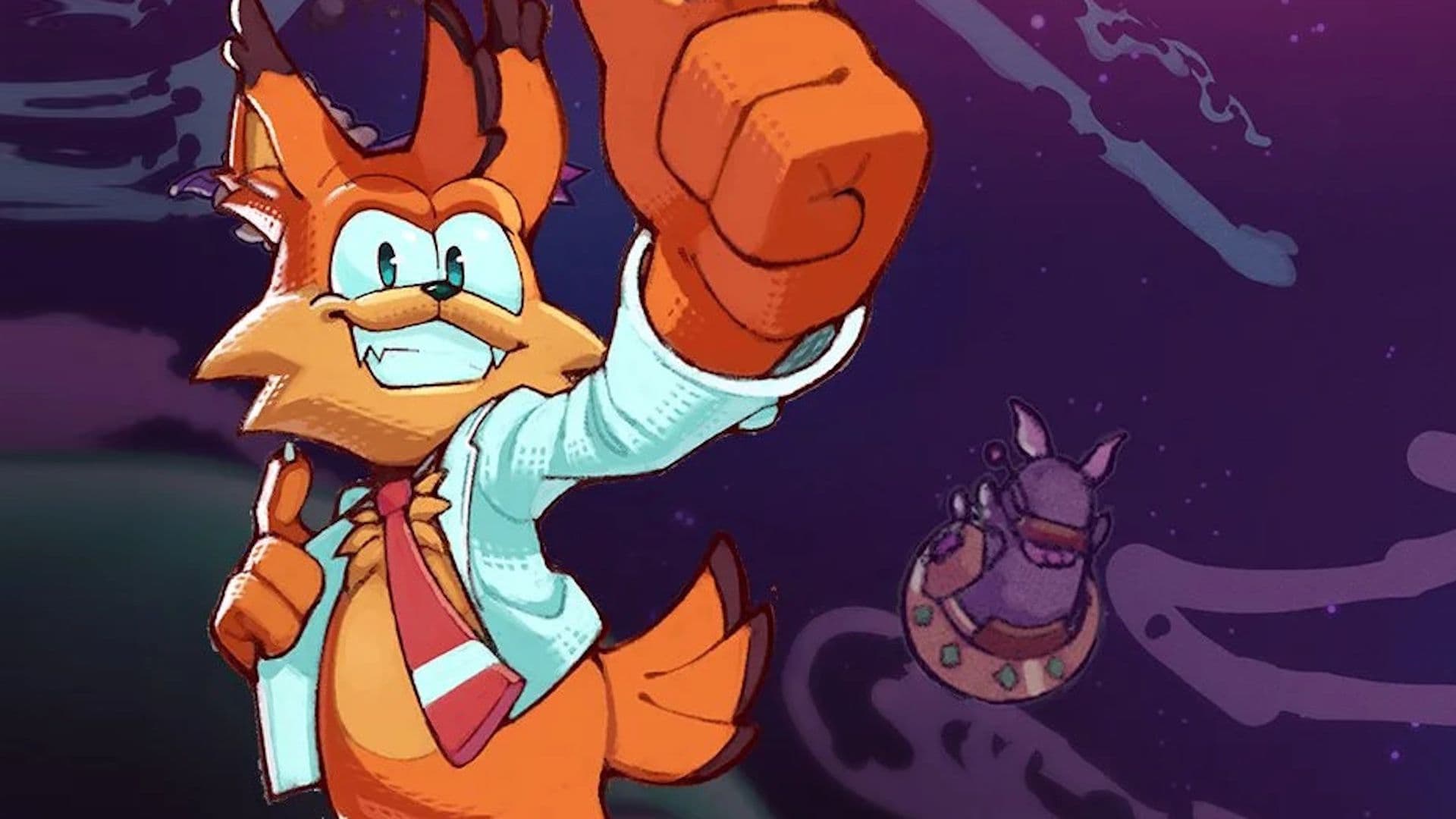
- Bubsy’s OnlyPaws account offered free ‘feet pics’ for charity, becoming the most viral joke of the day.
- Some pranks blurred the line between joke and reality, including PocketPair’s Palworld, which started as an April Fool’s gag in 2024 but became an actual game.
- Developers like CD Projekt Red and Razer leaned into meta-humor, satirizing AI trends and gaming tropes.
- The annual tradition reflects gaming’s culture of innovation—and its willingness to embrace absurdity.
Why April Fool’s Day Matters in the Gaming Industry: Tradition, Satire, and the Cost of Creativity
April Fool’s Day has long been a cultural touchstone for the gaming industry, where companies—from indie studios to AAA giants—compete to outdo one another with clever, often technically elaborate jokes. The tradition serves multiple purposes: it reinforces brand personality, generates organic social media buzz, and, in some cases, subtly critiques industry trends.
For developers, the day is a rare opportunity to break from the rigor of patch notes and marketing cycles, embracing humor as a form of engagement. ‘It’s a way to humanize the brand,’ said industry analyst and former game journalist Rachel Thompson. ‘Gamers don’t just want polished trailers—they want to feel like they’re in on the joke.’
The Evolution of Gaming April Fool’s Pranks: From Patch Notes to Full-Blown Satire
What began as simple fake announcements—like ‘Half-Life 3 confirmed’ memes—has evolved into elaborate, multimedia spectacles. Today, studios leverage YouTube trailers, Twitter threads, and even in-game events to sell their gags. The stakes are high: a poorly executed prank can backfire, while a viral one can boost engagement for weeks.
Consider the trajectory of PocketPair’s *Palworld*. In 2024, the studio’s absurd announcement that it was developing a game about ‘cute monsters that could be turned into weapons’ was written off as a joke. Yet, under immense fan pressure, PocketPair committed to the project, releasing a Steam page and teasing a 2026 launch. The reversal highlights how blurred the line between prank and reality has become.
The Best (and Strangest) April Fool’s Pranks of 2026: A Breakdown
This year’s crop of jokes spanned genres, platforms, and levels of plausibility. Some leaned into industry trends—like the rise of AI—while others zoned in on gaming’s obsession with representation, nostalgia, or sheer chaos. Below are the most notable entries, ranked by their ability to stop gamers in their tracks (if only to question reality).
Paradox’s Crusader Kings III Gets an AI Upgrade—With a Side of Meta-Humor
Paradox Interactive, known for its deep, complex strategy games, took aim at its own reputation for hyper-realistic simulations with *CKSS*—an AI companion for Crusader Kings III. The joke? A system that promises ‘previously unseen levels of visual fidelity’ by letting players ignore their AI-controlled characters entirely. ‘It’s like having a Roomba that also mansplains your dynasty’s succession crisis,’ quipped one Reddit user.
The prank played into broader industry anxieties about AI’s role in gaming. With tools like AI-generated art and NPC dialogue becoming commonplace, Paradox’s joke served as both a critique and a commentary on how far developers might go to automate player immersion.
Blizzard’s Diablo IV: The Giant Chicken Boss and the ‘Cluckonomicon’
Blizzard Entertainment doubled down on its annual tradition of fake patch notes with Diablo IV’s April Fool’s event, introducing a colossal chicken boss named *Bawk Bawk BAWK*. The creature, which spawned in a tweet accompanied by the sound of clucking, dropped unique loot like the *Cluckonomicon* staff—a staff that granted players the *Henlightenment* buff after lifting loose stones.
‘I always appreciate when April Fool’s jokes transcend fake patch notes,’ wrote *PC Gamer*’s Tyler Colp. ‘The fact that the Diablo chicken drops entirely unique items—and might inspire an entire build—shows how far developers are willing to go to deliver a laugh.’ The joke’s success lay in its absurdity: a demonic chicken in a dark fantasy game is exactly the kind of surreal humor that resonates with Diablo’s fanbase.
Razer’s AVA Mini: The AI Companion for Your AI Companion
Razer’s entry into the April Fool’s fray was a meta-commentary on the gaming industry’s obsession with AI companions. The *AVA Mini* was billed as ‘the AI companion for your AI companion,’ a device that promised to let players ignore their existing AI helpers without guilt. The joke landed because it mirrored real-world concerns about AI fatigue—particularly as companies like Microsoft and Nvidia push AI-augmented peripherals.
‘What a world we live in,’ tweeted one user, ‘where the only thing more absurd than an AI sidekick is a sidekick for your sidekick.’ Razer’s prank was a sharp reminder that even hardware manufacturers are in on the AI hype.
CD Projekt Red’s Witcher 3 ‘Horse Controller’ Trailer: A Nostalgic Nod to Gaming’s Past
Few things cause a gaming panic like a surprise Witcher 3 trailer—especially one that suggests a ‘horse-as-controller’ mechanic. The joke, titled *Project R.O.A.C.H.*, played on the community’s endless speculation about next-gen *Witcher* content. ‘Still waiting for that surprise new content,’ joked the *PC Gamer* team, before reminding readers that *Roach* has long been a beloved (if overworked) mount in *The Witcher 3*.
The trailer’s absurdity—complete with a callback to *Roach on a roof*—highlighted how deeply embedded nostalgia is in gaming culture. Even as studios chase next-gen graphics, players still crave callbacks to beloved franchises.
The Viral King: Bubsy’s OnlyPaws Feet Pics for Charity
No April Fool’s joke in 2026 captured the internet’s imagination quite like Bubsy’s *OnlyPaws* account, which offered ‘free Bubsy feet pics’—a reference to the long-running joke about the 1990s mascot’s infamous digitigrade legs. The twist? The account was real, and proceeds went to *The Wildcat Sanctuary*, a nonprofit rescuing exploited and illegally owned wild cats.
‘Bubsy feet pics are real, and they’re free—but you can donate to a good cause while you’re at it,’ read the account’s bio. The joke’s simplicity and heartwarming twist made it an instant viral sensation, with gamers and non-gamers alike sharing the link. It also underscored how April Fool’s traditions have evolved: what began as a prank has become a low-stakes charity fundraiser.
‘It’s a brilliant example of how gaming culture can merge humor with genuine goodwill,’ said charity advocate and streamer Maria Lopez. ‘The internet loves a meme, but it loves a meme with a purpose even more.’
When a Joke Becomes Reality: Palworld and the Blurring Lines of April Fool’s Day
Few pranks in gaming history have had the staying power of *Palworld*. When PocketPair announced in 2024 that its game about ‘cute monsters that can be turned into weapons’ was an April Fool’s joke, fans refused to let it die. The backlash was so intense that PocketPair eventually greenlit the project, releasing a Steam page and teasing a 2026 launch.
‘We underestimated how much people wanted this game to exist,’ said PocketPair co-founder Takuro Mizobe in a 2025 interview. ‘The joke became a self-fulfilling prophecy.’ The saga highlights how April Fool’s Day can serve as a litmus test for fan demand—sometimes, the punchline writes itself.
Palworld’s evolution also reflects broader industry trends. As live-service games dominate the market, studios are increasingly turning to community-driven development, where fan feedback directly shapes roadmaps. April Fool’s Day, in this context, becomes a form of crowd-sourced market research.
The Smaller Pranks That Stole the Show: Satisfactory’s ‘Jason,’ SEGA’s Blue Logo, and Call of Duty’s Micro-Map
Not every joke required a trailer or a Steam page. Some of the most effective pranks were the simplest—and the most meta. Take *Satisfactory*, whose developers joked that the game’s female protagonist wasn’t ‘fair’ to male players, promising a new male avatar named *Jason*. The tweet, paired with a YouTube video, played into ongoing debates about representation in gaming.
SEGA, meanwhile, took aim at its own branding with a 3% bluer logo—a joke about the company’s infamous blue hues. The announcement, posted on April 1 at 9:47 PM ET, read: ‘We’re excited to announce that we’re making our SEGA logo 3% more blue. Please take a moment to familiarize yourself with the new look.’
Then there was Treyarch’s *Call of Duty* prank: a tweet suggesting *Black Ops 7* would feature a map contained entirely within a single room. The studio went a step further, actually developing the micro-map—dubbed *Peak*—where players spawn, fire blindly, and hope for the best. ‘The best strategy is to start firing as soon as you spawn,’ wrote *PC Gamer*’s Morgan Park. ‘One could argue this is *Call of Duty* distilled to its purest form: a performative battle where nobody cares about the outcome.’
Why These Pranks Matter: Beyond the Laughs
At first glance, April Fool’s Day in gaming may seem like little more than an annual exercise in absurdity. But the tradition serves deeper purposes. For developers, it’s a low-risk way to experiment with new ideas—whether that’s AI integration, representation, or meta-commentary. For players, it’s a chance to engage with brands in a way that feels personal and playful.
‘It’s a cultural reset,’ said game designer and industry veteran David Cage. ‘For one day, we’re not selling games—we’re selling joy. And in an industry often criticized for its toxicity or crunch, that’s no small thing.’
The Future of April Fool’s Day in Gaming: Will the Jokes Get Bigger—or Fade Away?
As AI, virtual worlds, and immersive tech reshape gaming, one question looms: Will April Fool’s Day pranks become more elaborate—or will the line between joke and reality disappear entirely? Already, some studios are treating their April Fool’s announcements as previews for actual features, blurring the line between satire and serious development.
PocketPair’s *Palworld* is the most prominent example, but it’s not alone. Rumors persist that other ‘jokes’—like a rumored *Half-Life 3* ARG or a fake *Elden Ring* expansion—might one day become reality. If the trend continues, April Fool’s Day could evolve from a day of pranks into a de facto reveal season for experimental projects.
Frequently Asked Questions
- Why do gaming companies participate in April Fool’s Day pranks?
- Gaming companies use April Fool’s Day to humanize their brands, generate organic social media engagement, and experiment with humor as a form of marketing. It’s a low-risk way to connect with players outside of traditional advertising cycles.
- Has any April Fool’s joke in gaming ever become a real game?
- Yes. PocketPair’s *Palworld*, originally an April Fool’s prank in 2024, became an actual game with a Steam page and a planned 2026 launch after fans demanded it.
- What’s the most viral gaming April Fool’s joke of 2026?
- Bubsy’s OnlyPaws account, which offered free ‘feet pics’ for charity, went viral due to its simplicity and heartwarming twist. The account raised awareness for The Wildcat Sanctuary while delivering a classic internet meme.