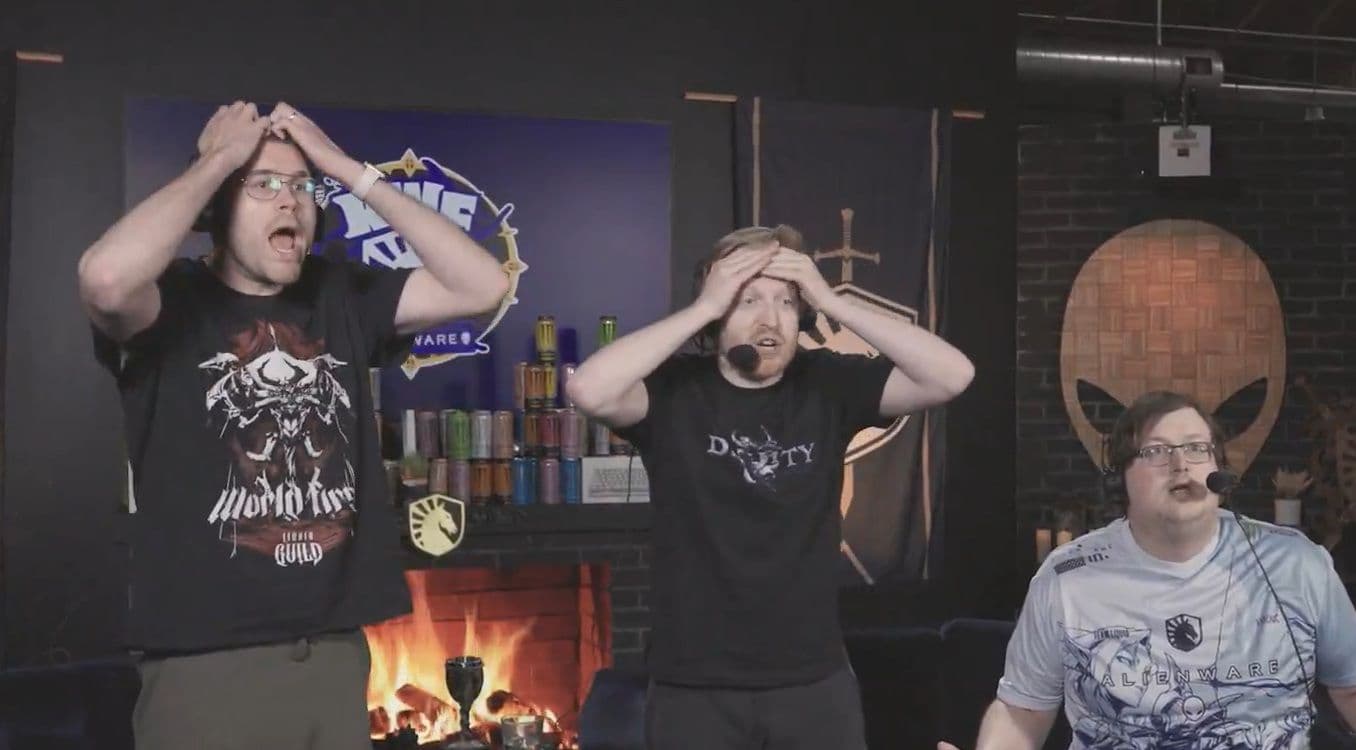
On Easter Sunday, April 5, 2026, the gaming world witnessed one of the most audacious live operations in esports history. As the U.S.-based Liquid guild stood on the precipice of victory against Europe’s Echo in *World of Warcraft*’s Race to World First event, their celebrations were abruptly halted—not by defeat, but by a revelation. The fallen Naaru boss L’ura, seemingly slain, unleashed a hidden final phase that no dataminer, beta tester, or rival guild had anticipated. What followed was a cascade of stunned reactions from players, streamers, and even Blizzard’s own developers, cementing this moment as a masterclass in game design and live event execution.
How the Secret Final Phase of L’ura Redefined Live MMO Raid Design
The reveal of L’ura’s secret phase wasn’t just a twist—it was a defiance of modern gaming norms. In an era where dataminers dissect every line of code and beta tests leak boss mechanics weeks in advance, Blizzard’s ability to keep such a pivotal feature hidden until live airtime is nearly unheard of. The last comparable instance occurred in 2017 with Argus the Unmaker’s secret Mythic phase in *Legion*, a feat that had faded from memory as developers increasingly prioritized polish over surprise.
The Risk Behind the Gamble: Why Blizzard Bet on Unpredictability
For Blizzard Entertainment, the decision to introduce an untested, secret final phase in a high-stakes esports event was a calculated gamble with high stakes. Had the phase contained game-breaking bugs, server crashes, or balance issues, the fallout could have been catastrophic—not just for the Race to World First event, but for *World of Warcraft*’s reputation as a stable, polished live-service game. Yet the development team rolled the dice, trusting in their QA processes and the unpredictability of live gameplay to pull off something extraordinary.
The payoff was immediate. Tens of thousands of viewers witnessed Liquid’s elation turn to bewilderment as L’ura’s true final phase activated, plunging the raid into darkness and bombarding players with void entities. The moment became an instant meme, with reactions flooding social media under tags like *#LuraHasRisen* and *#WorldFirstTroll*. Players and critics alike praised the audacity, with one X user writing, *"Man, if the reaction to this doesn’t show that secret mythic phases are worth it, nothing will."* Another quipped, *"To: Blizzard & Warcraft Dev team. We were too fast to judge. Thank you for one of the coolest moments in recent WoW history."
The Evolution of World of Warcraft’s Live Operations and Esports Dominance
*World of Warcraft* has long been the gold standard for live-service MMOs, but its recent seasons have pushed boundaries in ways few expected. The *Race to World First* event, a staple of the *WoW* esports calendar, has evolved from a niche guild competition into a global spectacle, drawing hundreds of thousands of concurrent viewers on Twitch. This year’s event, however, marked a turning point—not just for its competitive drama, but for its sheer unpredictability.
From Beta Leaks to Live Surprises: The Changing Landscape of Raid Design
Historically, *World of Warcraft* has balanced secrecy with community engagement. Public test realms (PTRs) and beta tests allow players to preview new content, but they also strip away the element of surprise that made classic *WoW* raids legendary. Blizzard’s decision to reintroduce surprise mechanics—even if only for a select few—signals a shift toward reclaiming the magic of discovery that defined the game’s early years. As one longtime player noted, *"It’s moments like these that remind me why I still love this game after over two decades."* This nostalgia is no accident; it’s a deliberate callback to *WoW*’s roots as an unpredictable, player-driven experience.
The Role of Esports in Modern WoW: Why High-Stakes Moments Matter
The *Race to World First* isn’t just about bragging rights—it’s a proving ground for *WoW*’s live operations. Esports events like this one serve multiple purposes: they showcase the game’s technical prowess, highlight the skill of top guilds, and generate organic hype that fuels player retention. For Blizzard, the L’ura reveal was more than a viral moment; it was a demonstration that *WoW* can still deliver surprises in an age of algorithmic spoilers and replayability fatigue. "This could’ve all gone very, very badly," one analyst noted, "but the team rolled the bones, and the gamble absolutely paid off."
What Makes World of Warcraft: Midnight Stand Out in 2026
*World of Warcraft: Midnight*, the expansion released in late 2025, has been a contentious but ambitious entry in the franchise’s storied history. While critics have debated its pacing and narrative choices, the expansion’s design philosophy aligns perfectly with the game’s live-service ethos: cater to every type of player, from casual explorers to hardcore raiders. Key additions include Player Housing, a revamped Silvermoon City, the Zul’Aman return, and the new Haranir race, alongside gameplay innovations like Apex talents and bounty-hunting *Prey* objectives.
Content for Every Player: The Blizzard Multiplayer Masterclass
One of *WoW*’s greatest strengths has always been its ability to appeal to diverse audiences. *Midnight*’s slate of content reflects this philosophy. For players who crave social interaction, the revamped Silvermoon City and Player Housing offer fresh avenues for creativity and community-building. Meanwhile, Mythic+ dungeons, Delves for solo progression, and the new *Prey* system cater to those seeking challenge and progression. Even the game’s default UI received overhauls to streamline the experience for veterans and newcomers alike. "It’s hard to deny the team’s ongoing passion and ambition," one editor remarked, "for one of the industry’s most legendary and iconic live service games."
The Broader Implications: Can Live Ops Still Surprise in 2026?
The success of L’ura’s secret phase raises a critical question for the gaming industry: Is it still possible to surprise players in an era of datamining and instant spoilers? Blizzard’s gamble suggests the answer is a resounding *yes*—but only if developers are willing to take risks. The fallout from this moment extends beyond *WoW*; it’s a blueprint for how live-service games can balance polish with unpredictability. As one developer commented, *"The sheer risk factor of launching an untested, secret boss phase in such a high-stakes esports event is truly difficult to overstate."* This philosophy could redefine expectations for future MMO and live-service titles.
- Blizzard’s secret final phase for L’ura in *World of Warcraft*’s Race to World First stunned players and streamers alike, proving that live ops risks can still pay off in 2026.
- The reveal marked the first full secret boss phase since Argus the Unmaker in 2017, signaling a potential shift toward rediscovering unpredictability in raid design.
- *World of Warcraft: Midnight* continues to push boundaries with content catering to casual and hardcore players, reinforcing the game’s dominance in the MMO genre.
- The esports success of Race to World First highlights how high-stakes moments can drive engagement, retention, and organic hype for live-service games.
- Industry analysts argue that Blizzard’s gamble with L’ura’s secret phase sets a new standard for balancing polish with player surprise in modern gaming.
Reactions and Memes: How the Gaming Community Celebrated L’ura’s Rise
The internet erupted in response to L’ura’s secret phase, with memes, reactions, and tribute posts flooding social platforms within hours. The hashtag *#LuraHasRisen* trended globally, with streamers and players sharing clips of the moment alongside their own stunned reactions. One Twitch viewer wrote, *"I was not prepared for that. Blizzard just gave us a masterclass in trolling."* Another joked, *"Easter Sunday just got a whole lot more chaotic."* Even Blizzard’s own social media team leaned into the moment, sharing an official tweet that read, *"L’ura has been reborn."* The sheer volume of engagement underscored how rare—and how impactful—such surprises have become in gaming.
The Future of World of Warcraft: What’s Next for Live Ops and Esports?
With *WoW*’s 30th anniversary on the horizon and *Midnight* still in its early stages, the future looks bright for Blizzard’s flagship MMO. The success of the L’ura reveal has likely emboldened the development team to take more risks in future raid designs, whether through hidden phases, dynamic events, or unannounced mechanics. For esports, this could mean even more high-stakes moments tailored for live audiences. As one industry insider noted, *"This game means so much to so many different types of people—casual players, esports fans, speedrunners—and moments like these remind us why it still matters."
Why This Moment Matters Beyond Gaming
The ripple effects of L’ura’s secret phase extend beyond *World of Warcraft*. In an era where consumer attention spans are fleeting and content saturation is rampant, moments of genuine surprise are increasingly valuable. Brands and developers across entertainment are grappling with how to recapture audience engagement, and Blizzard’s gamble offers a lesson: unpredictability, when executed flawlessly, can create memories that last for years. For *WoW*, it’s a reminder that even a 30-year-old game can still innovate—and for the industry, it’s proof that risk-taking isn’t dead.
Frequently Asked Questions
- How often does Blizzard introduce secret boss phases in World of Warcraft?
- Blizzard has historically introduced secret phases sparingly. The last major instance before L’ura’s reveal was Argus the Unmaker in 2017 during the *Legion* expansion. These surprises are rare due to the high risk of bugs or balance issues.
- What is the Race to World First in World of Warcraft?
- The Race to World First is an esports event where top *WoW* guilds compete to be the first to defeat new raid bosses on the hardest difficulty setting. It’s a cornerstone of *WoW*’s competitive scene and draws tens of thousands of viewers.
- Why did Blizzard take the risk of adding a secret phase to L’ura?
- Blizzard likely took the risk to recapture the element of surprise that defined classic *WoW* raids. In an era of datamining and spoilers, reintroducing unpredictability can generate organic hype and engagement, as seen with the viral reaction to L’ura’s reveal.