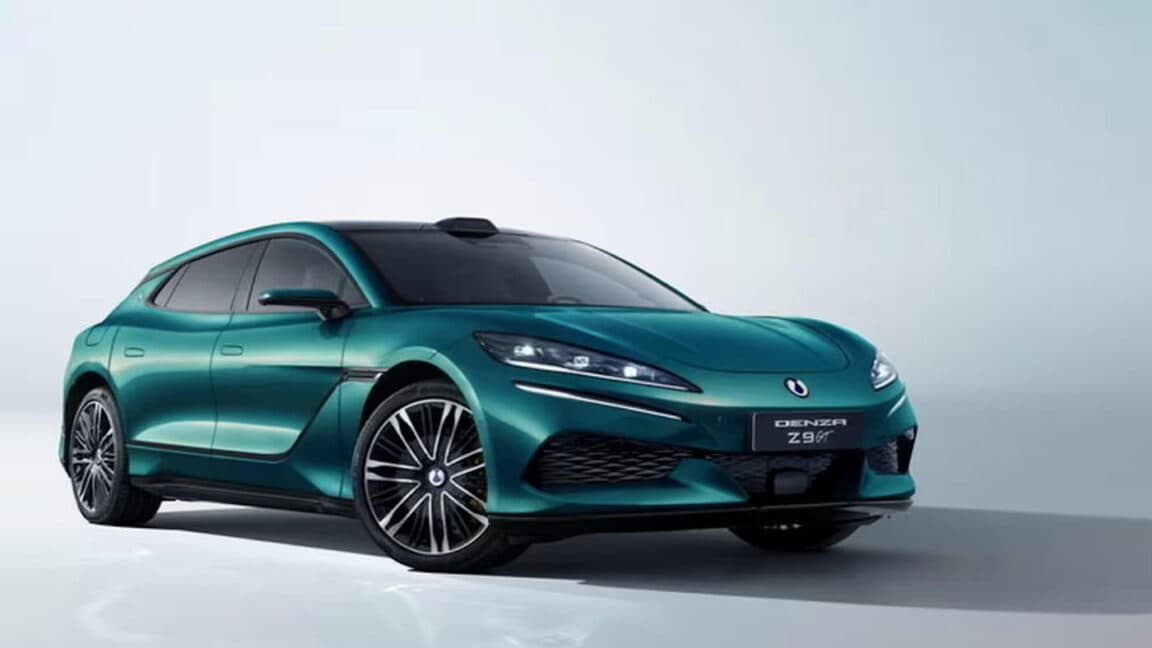
Chinese automaker BYD has unveiled a transformative advancement in electric vehicle charging technology that promises to address one of the most persistent barriers to EV adoption: charging time. The company's latest generation of vehicles can achieve a near-complete charge in approximately 12 minutes, a breakthrough that substantially narrows the gap between electric vehicles and traditional gasoline-powered cars in terms of refueling convenience. This technological milestone represents BYD's aggressive push into the premium vehicle segment, directly competing with established luxury brands including Porsche, BMW, and Mercedes-Benz, while simultaneously expanding the company's charging infrastructure across Europe and worldwide.
BYD's Strategic Expansion Into Premium EV Market and Luxury Segment
BYD's entry into the high-end automotive market represents a significant strategic shift for the Chinese manufacturer, which has traditionally dominated the mass-market electric vehicle segment. The company's ambitions in the premium tier are bolstered by its ownership of the Denza brand, a luxury electric vehicle line established through a joint venture with Mercedes-Benz in 2010. A pivotal moment in this expansion occurred in 2024 when BYD acquired full control of Denza, eliminating the German automaker's stake and positioning the brand as a wholly owned subsidiary capable of directly challenging established luxury EV manufacturers in Europe and globally.
This vertical integration strategy allows BYD to leverage its proprietary battery technology and manufacturing expertise while building a premium brand identity. By combining cutting-edge charging infrastructure with luxury vehicle offerings, BYD aims to create an integrated ecosystem that enhances customer experience and brand loyalty—a playbook that has proven successful for Tesla in the American market and increasingly in Europe.
Explosive Growth in European EV Sales and Market Penetration
BYD's expansion into Europe comes at a moment of unprecedented growth for the electric vehicle sector on the continent. According to the European Automobile Manufacturers' Association (Acea), BYD's sales across the United Kingdom and European markets experienced remarkable growth, increasing more than threefold to nearly 190,000 vehicles during the previous year. This surge reflects both the company's aggressive expansion strategy and the broader shift toward electrification among European consumers and policymakers.
As of January, BYD had captured 1.7 percent of the European Union's total automotive market share, while commanding a more substantial 2.4 percent slice of the United Kingdom market in the most recent reporting month. These figures underscore BYD's growing competitive presence in markets traditionally dominated by established European and American manufacturers. The company's rapid market penetration is particularly notable given that it entered many European markets only within the past few years, demonstrating the speed at which Chinese EV manufacturers can scale operations and capture market share.
Flash Charging Infrastructure Deployment and Global Expansion Strategy
Central to BYD's competitive strategy is the deployment of its proprietary "flash stations"—ultra-rapid charging facilities designed to complement its vehicle offerings and create a seamless charging ecosystem. The company announced plans to install hundreds of these charging stations throughout Europe during the current year, significantly expanding access to fast-charging technology for European EV owners. This infrastructure investment is particularly important given the continent's fragmented charging landscape and the varying levels of charging infrastructure development across different regions.
BYD's existing charging infrastructure footprint is already substantial: the company operates more than 4,200 flash charging sites across China, where it has achieved dominant market share in the world's largest EV market. Looking ahead, the company has established an ambitious global expansion target, aiming to have 20,000 flash charging stations operational worldwide by the end of the current year. This expansion would represent a nearly fivefold increase from current levels and would position BYD as a major player in global charging infrastructure—a sector increasingly recognized as critical to accelerating EV adoption.
Competitive Comparison: BYD Flash Stations Versus Tesla Supercharger Network
BYD's charging strategy directly mirrors the approach that has contributed significantly to Tesla's brand strength and customer loyalty: the development of proprietary, high-speed charging networks that create competitive advantages and enhance the ownership experience. Tesla's Supercharger network has been instrumental in alleviating consumer "range anxiety"—the concern that vehicles cannot travel sufficient distances between charging sessions—and has become a powerful marketing tool and customer retention mechanism for the American electric vehicle manufacturer.
Tesla's Supercharger stations can provide up to 200 miles (approximately 321 kilometers) of driving range in approximately 15 minutes, a capability that has made long-distance EV travel more practical and appealing to consumers. BYD's flash charging technology, which achieves near-complete charges in 12 minutes, represents a marginal but meaningful improvement over Tesla's timeline. While the difference may appear modest, reducing charging time from 15 to 12 minutes could provide psychological and practical advantages that influence consumer purchasing decisions, particularly in markets where charging time remains a significant consideration in EV adoption decisions.
European EV Market Growth and Shifting Consumer Preferences
The broader context for BYD's European expansion is the continent's dramatic shift toward electrified transportation. Electric vehicle sales surged during the previous year to represent 17.4 percent of total European Union vehicle sales, a substantial increase from 13.6 percent in 2024. This upward trajectory reflects a combination of factors: increasingly stringent European emissions regulations, declining battery costs making EVs more price-competitive, growing consumer environmental consciousness, and expanding charging infrastructure.
A particularly significant milestone occurred in December when battery-powered electric vehicles overtook petrol-powered vehicles in monthly sales across the European continent for the first time in history. This symbolic crossover point indicates a fundamental shift in consumer preferences and market dynamics, with electric vehicles transitioning from niche products to mainstream transportation options. Sales momentum has continued to accelerate into the current year, suggesting that the 17.4 percent market share figure may be exceeded in coming months.
Infrastructure Challenges and Regional Disparities in EV Adoption Across Europe
Despite the encouraging overall growth statistics, significant disparities exist in EV adoption and charging infrastructure development across different European regions. Many areas of Eastern Europe continue to lack adequate public and private charging infrastructure, creating barriers to EV adoption and perpetuating consumer concerns about range anxiety. These infrastructure gaps reflect historical differences in economic development, investment patterns, and energy infrastructure across the continent.
The uneven distribution of charging infrastructure has important implications for EV market development. Consumers in regions with limited charging access face genuine practical obstacles to EV ownership, regardless of improvements in charging speed or vehicle technology. This reality has prompted industry analysts and policymakers to emphasize that widespread deployment of both home charging infrastructure and public charging networks may ultimately prove more important to accelerating EV adoption than incremental improvements in ultra-fast charging speeds.
Expert Perspectives on Charging Infrastructure Priorities
Industry experts have articulated an important counterpoint to the focus on ultra-rapid charging technology. While flash charging stations and similar technologies capture attention and generate marketing appeal, some analysts argue that the foundational infrastructure requirements—reliable home charging for residential users and accessible public charging in underserved regions—may ultimately exert greater influence on EV adoption rates. This perspective emphasizes that the majority of vehicle charging occurs at home overnight, where charging speed is less critical than availability and reliability. The strategic importance of comprehensive infrastructure development suggests that while BYD's flash charging technology represents a genuine competitive advantage, broader infrastructure expansion will remain essential for sustained EV market growth across diverse European markets.
- BYD's ultra-fast charging technology enables near-complete vehicle charges in approximately 12 minutes, improving upon Tesla's 15-minute Supercharger capability
- The Chinese automaker plans to deploy hundreds of flash charging stations across Europe in 2025 and reach 20,000 global locations by year-end
- BYD's European sales more than tripled to nearly 190,000 vehicles, capturing 1.7% of EU market share and 2.4% of UK market share
- Electric vehicles now represent 17.4% of EU sales, with battery-powered models overtaking petrol vehicles for the first time in December
- Regional infrastructure disparities across Eastern Europe highlight that comprehensive charging networks may be more critical to EV adoption than ultra-fast charging speeds alone
Frequently Asked Questions
- How fast can BYD's new electric vehicles charge to full capacity?
- BYD's latest electric vehicles can achieve a near-complete charge in approximately 12 minutes using the company's flash charging technology. This represents a modest improvement over Tesla's Supercharger network, which provides up to 200 miles of range in 15 minutes, making BYD's solution one of the fastest charging options available for consumer electric vehicles.
- How many BYD flash charging stations will be available globally by the end of 2025?
- BYD aims to have 20,000 flash charging stations operational worldwide by the end of the current year. The company currently operates more than 4,200 sites in China and plans to install hundreds of additional stations across Europe during 2025, representing a significant expansion of its global charging infrastructure.
- What percentage of European vehicle sales are now electric vehicles?
- Electric vehicles accounted for 17.4 percent of European Union vehicle sales during the previous year, up from 13.6 percent in 2024. Battery-powered vehicles overtook petrol-powered vehicles in monthly sales for the first time in December, indicating a fundamental shift in the European automotive market toward electrification.