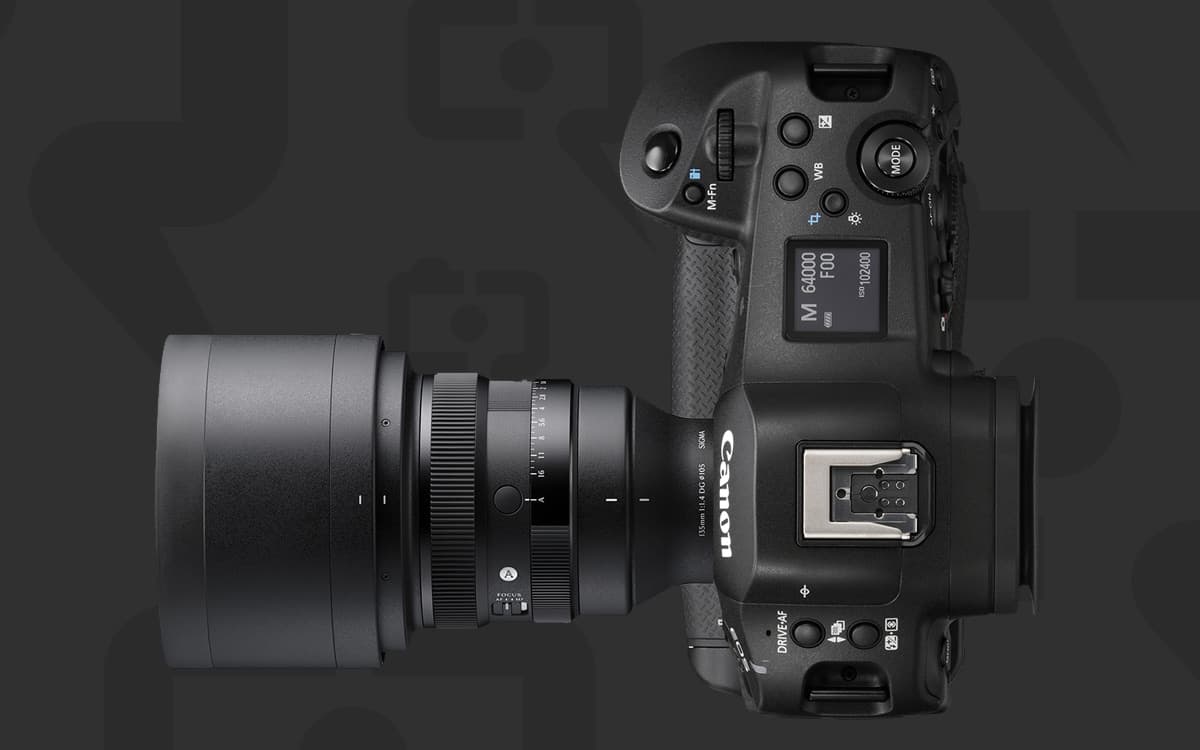
In a rare public statement from the company, Canon has directly addressed the long-standing frustration among photographers over the absence of full-frame third-party autofocus lenses for its RF mount system. Go Tokura, a Canon executive, confirmed in an interview with French tech publication Phototrend.fr that the camera maker does not impede third-party manufacturers—including industry leaders like Sigma and Tamron—from developing and releasing full-frame RF mount lenses. The statement, delivered in response to questions about the slow adoption of third-party options, effectively shifts the responsibility to Sigma and other manufacturers, who have yet to announce any full-frame RF autofocus lenses despite the growing demand for such products.
- Canon confirms it does not restrict third-party lens makers from creating full-frame RF mount lenses, contrary to long-held suspicions.
- Sigma, Tamron, and other manufacturers have yet to release full-frame RF autofocus lenses, leaving Canon’s RF ecosystem dependent on first-party glass.
- The RF mount’s technical advantages—such as faster communication speeds and auto-iris compatibility—may be factors in why third-party brands have not yet fully embraced it.
Why the RF Mount Lacks Third-Party Full-Frame Lenses: A Deep Dive
Since Canon unveiled its EOS R system in 2018, the RF mount has been praised for its innovative design, including a shorter flange distance, improved electronic communication, and the potential for features like auto-iris control—something not possible with traditional mechanical aperture rings. Yet, despite these advancements, the ecosystem remains dominated by Canon’s own lenses, with only a handful of third-party options available, and most of those are APS-C or manual-focus lenses. The lack of third-party full-frame RF autofocus lenses has frustrated professional and enthusiast photographers alike, many of whom rely on brands like Sigma for high-quality, affordable alternatives to proprietary glass.
The History of Third-Party Lenses in the RF Ecosystem
The RF mount’s early years were marked by a conspicuous absence of third-party support. While Canon’s EF mount enjoyed decades of third-party lens development—from Tamron’s Adaptall-2 system to Sigma’s Global Vision line—RF’s transition has been slower. In 2019, Samyang briefly offered autofocus full-frame RF lenses, but these were essentially repackaged EF lenses with modified mounts, a workaround Canon quickly moved to shut down. Since then, only APS-C RF lenses, such as Sigma’s RF-S primes, have entered the market, leaving full-frame shooters with limited choices beyond Canon’s own offerings.
We don't really differentiate between full-frame and APS-C in this regard, and we don't communicate publicly on this subject. I think this observation comes from an outside perspective, based on the fact that third-party lens manufacturers are currently only involved with APS-C.
Tokura’s remarks underscore a key point: Canon’s approval process for third-party lenses is not inherently exclusive to full-frame RF mounts. The company does not impose formal restrictions, nor does it require licenses or partnerships to enable third-party development. Instead, the bottleneck appears to lie with manufacturers like Sigma, which must decide whether to invest in reverse-engineering the RF mount’s proprietary features or wait for Canon to provide technical assistance—a scenario Tokura explicitly ruled out.
Sigma’s Strategic Dilemma: Why No Full-Frame RF Glass Yet?
Sigma’s decision to avoid full-frame RF autofocus lenses is likely influenced by a combination of technical, financial, and strategic factors. While the company has excelled in producing high-quality third-party lenses for Canon’s EF mount—including its Art and Contemporary lines—it has yet to commit to RF’s full-frame ecosystem. One possible reason is the RF mount’s unique technological underpinnings. Unlike EF, which relied on mechanical linkages, RF uses electronic communication for features like auto-iris, which requires deep integration with the camera body. Sigma may be waiting to see how Canon’s own lenses leverage these features before committing to a full lineup.
Manufacturing and Market Considerations
Another critical factor is demand. Canon dominates the full-frame mirrorless market, with the EOS R5, R6, and R3 series selling briskly since their launches. While Sigma’s Global Vision lenses have been a staple for EF users, the RF ecosystem’s relatively smaller user base may not yet justify the massive R&D and production costs required to develop a full line of RF mount lenses. Sigma’s annual revenue, estimated at around $500 million in recent years, pales in comparison to Canon’s annual R&D budget of over $2 billion, which funds innovations like the RF mount itself. For Sigma, investing in RF full-frame glass without guaranteed market demand would be a high-risk proposition.
The Reverse-Engineering Challenge
Unlike the EF mount, which was more forgiving in terms of third-party compatibility, the RF mount’s advanced features present a steeper learning curve. Tokura’s statement that Canon does not provide technical assistance or intellectual property to third-party manufacturers means that companies like Sigma must reverse-engineer the mount’s specifications—a process that could take years and require significant trial and error. This is not merely a matter of swapping an EF mount for an RF one; it involves decoding proprietary communication protocols, autofocus algorithms, and electronic aperture controls that differ from other mounts.
How the RF Mount’s Features May Be Holding Back Third-Party Adoption
The RF mount’s technical advantages are a double-edged sword for third-party manufacturers. On one hand, features like the 12-pin electronic contact system and the ability to control aperture electronically via the camera body offer unprecedented flexibility. On the other, these innovations complicate third-party development. For example, the auto-iris feature—where the camera can adjust the lens aperture without mechanical linkage—requires precise coordination between the lens and body, something Sigma would need to perfect independently. Meanwhile, competitors like Nikon have seen more success with third-party Z-mount lenses, including from brands like Tamron and Viltrox, which have released full-frame autofocus options. Nikon’s more open approach to third-party collaboration may be one reason for this disparity.
The Broader Implications for the RF Ecosystem
The absence of third-party full-frame RF lenses has ripple effects across the photography industry. For Canon, it reinforces the perception that its RF ecosystem is proprietary and controlled, which could deter some photographers who prefer the flexibility of third-party options. For Sigma and Tamron, the delay in entering the RF market risks ceding market share to Canon’s first-party lenses, which often command premium prices. Meanwhile, photographers who rely on specific focal lengths or price points may find themselves locked into Canon’s ecosystem—or forced to consider alternatives like Sony’s E-mount or Nikon’s Z-mount, both of which boast robust third-party support.
What’s Next for Sigma and the RF Mount?
Speculation abounds about Sigma’s plans. One possibility is that the company is waiting for a critical mass of RF users before committing to a full line of lenses. Another is that Sigma is developing RF lenses in secret, with an eye toward a major announcement. Tokura’s comments suggest that Canon is not standing in Sigma’s way, but the ball is firmly in Sigma’s court. If Sigma were to release a line of RF mount lenses—especially ones that leverage the mount’s unique features—it could significantly expand the RF ecosystem’s appeal. Until then, photographers will have to rely on Canon’s own lenses or consider APS-C RF options, which, while excellent, do not cover the full-frame market.
Why This Matters for Photographers and the Industry
For working professionals and enthusiasts, the lack of third-party RF lenses is more than an inconvenience—it’s a barrier to flexibility. Many photographers prefer third-party lenses for their affordability, unique focal lengths, or specialized features. The RF mount’s current limitations force these users to either invest in Canon’s expensive proprietary glass or switch systems entirely. From an industry perspective, Canon’s dominance in the full-frame mirrorless market could face challenges if Sigma or Tamron eventually enter the RF space with compelling alternatives. The longer the delay, the more Canon risks alienating a segment of its user base that values third-party innovation.
The Future of Third-Party Lenses in Mirrorless Systems
The RF mount’s situation reflects a broader trend in the mirrorless era, where camera manufacturers are increasingly prioritizing proprietary ecosystems to drive sales of their own accessories. This shift mirrors the early days of the smartphone industry, where closed ecosystems like Apple’s iOS initially struggled with third-party hardware support. Over time, however, third-party adoption tends to grow as the market matures. Whether the RF mount follows this trajectory or remains dominated by Canon’s own lenses will depend on Sigma’s next moves—and whether other manufacturers see an opportunity to fill the gap.
Key Takeaways
- Canon executive Go Tokura confirmed the company does not restrict third-party manufacturers like Sigma from developing full-frame RF mount lenses, shifting responsibility to Sigma and others.
- The RF mount’s advanced features, such as auto-iris and electronic communication, present technical challenges for third-party manufacturers aiming to reverse-engineer the system.
- Sigma’s hesitation may stem from high development costs, uncertain demand, and the need to perfect RF-specific features like electronic aperture control.
- The lack of third-party full-frame RF lenses limits photographer choice and could push some to consider competing systems like Nikon’s Z-mount or Sony’s E-mount.
- Canon’s proprietary approach to the RF ecosystem risks alienating users who prefer the flexibility and affordability of third-party glass.
Frequently Asked Questions
Frequently Asked Questions
- Why doesn’t Canon make third-party RF lenses itself?
- Canon does not manufacture third-party lenses; it only produces its own proprietary glass. The company’s role is to approve or deny third-party manufacturers’ requests to use the RF mount, but Tokura’s statements confirm they do not restrict such requests.
- Will Sigma ever release full-frame RF lenses?
- Sigma has not announced any full-frame RF autofocus lenses, but the company has released RF-S lenses for APS-C sensors. Whether it will expand into full-frame RF depends on market demand and Sigma’s ability to reverse-engineer the mount’s advanced features.
- How does the RF mount compare to Nikon’s Z-mount in terms of third-party support?
- Nikon’s Z-mount has seen more third-party full-frame autofocus lenses from brands like Tamron and Viltrox, likely due to Nikon’s more open approach to collaboration. The RF mount’s advanced features may present a steeper challenge for third-party developers.