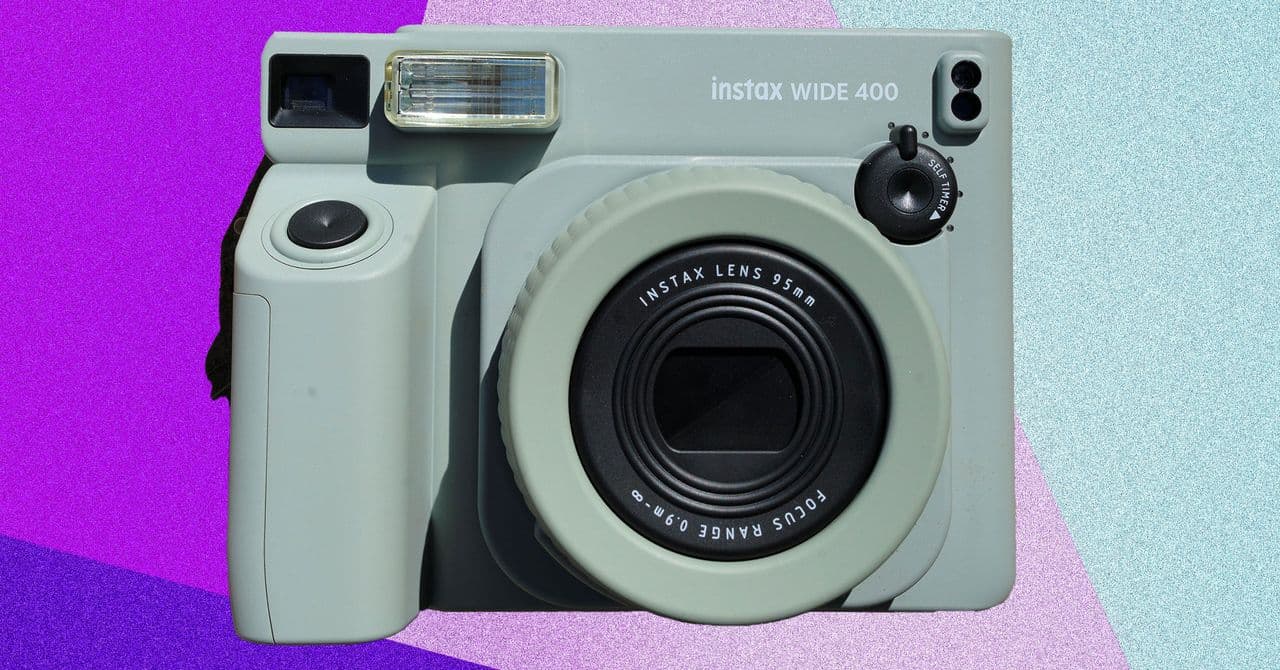
The Instax camera market has evolved significantly since the 1940s, when Polaroid introduced the first instant-printing technology. Today, Fujifilm's Instax line remains a leader in the instant camera niche, offering a range of models for different use cases. In 2026, the best choice depends on your priorities: whether you need a budget-friendly option, a model with manual controls, or a high-end camera with advanced features. This guide breaks down the key models, their pros and cons, and how to choose the right one for your needs.
The Instax Lineup: A Legacy of Instant Photography
A History of Instant Printing
The Instax camera was born from Fujifilm's 1960s innovation, a direct descendant of the Polaroid brand. While Polaroid's early models were popular for their instant results, Instax has since become the go-to choice for photographers seeking reliable, high-quality instant prints. The 1960s saw the rise of the Instax Mini, a compact camera that became a staple for casual users. Over the decades, Instax has evolved, adding features like parallax correction, faster charging, and digital integration, all while maintaining its core mission: to provide a tangible, immediate connection between the camera and the image.
The Instax Ecosystem: From Film to Digital
Fujifilm's Instax line has expanded beyond traditional film cameras, now including models that pair with smartphones. The Instax Mini Evo Cinema, for example, allows users to create vintage-style videos that can be printed as instant photos. This blend of analog and digital technology reflects a broader trend in photography: the desire to preserve the tactile experience of instant prints while leveraging modern convenience. The Instax Mini 13, a budget-friendly option, exemplifies this balance, offering a simple, user-friendly design without sacrificing print quality.
Key Models: Which Instax Camera Is Right for You?
The Instax Mini Evo Cinema: A High-End Option
The Instax Mini Evo Cinema is the most advanced model in the lineup, featuring a 28mm f/2.0 lens with autofocus and face recognition. Its 'Decades dial' allows users to simulate the look of film from different eras, from 1930s black-and-white footage to 1990s Handycam-style video. While the camera is expensive ($410), it offers a unique blend of vintage aesthetics and modern technology. The Evo Cinema is ideal for users who want to experiment with historical film styles or create a nostalgic, artistic effect in their photos.
The Instax Mini 99: Best for Manual Controls
The Instax Mini 99 is a standout for photographers who prefer manual adjustments. Unlike the Evo Cinema, the Mini 99 offers manual focus and exposure controls, allowing users to simulate light leaks or adjust color effects. This model is particularly popular among enthusiasts who want to fine-tune their shots. While it lacks the autofocus of the Evo Cinema, its manual features make it a favorite for those who value creative control over automation.
The Instax Mini 12 and 13: Budget-Friendly Options
The Instax Mini 12 and 13 are the most affordable models in the lineup, priced at $94 and $135 respectively. Both feature a 60mm f/12 lens with automatic exposure and focus, making them ideal for casual users. The Mini 13 adds a timer feature, which is useful for capturing moments without missing the shot. While the Mini 12 is slightly more affordable, the Mini 13 offers a slight edge in functionality. Both models are excellent for beginners or those who want a simple, reliable camera without the complexity of manual controls.
Avoiding Outdated Models: What to Skip
The Instax Pal: A Digital Dilemma
The Instax Pal is a digital camera that pairs with an Instax Mini Link 2 printer, but it lacks a built-in printer. This makes it a poor choice for users who want to print photos without a separate device. The Pal is also more expensive than other models, and its lack of a printer makes it a less practical option. If you're looking for a budget-friendly option, the Pal is not the best choice, as it doesn't offer the same value as the Mini 12 or 13.
The Instax Mini 11: A Discontinued Model
The Instax Mini 11 is a discontinued model that is no longer available for sale. While it was once a popular choice, it has been replaced by the Mini 12 and 13, which offer better features and performance. The Mini 11 is not recommended for new buyers, as it lacks the modern updates and improvements found in newer models. If you're looking for a reliable, up-to-date camera, the Mini 12 or 13 are the better choices.
Key Takeaways: Choosing the Right Instax Camera
- The Instax Mini Evo Cinema is best for users who want advanced features like vintage film effects and autofocus.
- The Instax Mini 99 is ideal for photographers who prefer manual controls and creative adjustments.
- The Instax Mini 12 and 13 are the most affordable options, perfect for beginners or casual users.
- Avoid the Instax Pal and Mini 11, as they lack modern features and are no longer available.
Frequently Asked Questions
- Which Instax camera is best for a budget?
- The Instax Mini 12 or 13 are the most affordable options, offering reliable performance at a low cost. The Mini 13 adds a timer feature, making it slightly more convenient for casual use.
- Why is the Instax Mini Evo Cinema so expensive?
- The Evo Cinema is the most advanced model in the lineup, featuring a 28mm f/2.0 lens with autofocus and a 'Decades dial' for vintage film effects. Its higher price reflects these advanced features and the premium materials used in its construction.
- Should I buy the Instax Mini 99 or the Mini 13?
- The Mini 99 is best for users who want manual controls and creative adjustments, while the Mini 13 is ideal for beginners who prefer a simple, automated camera. If the price is the same, the Mini 13 is slightly better due to its added timer feature.