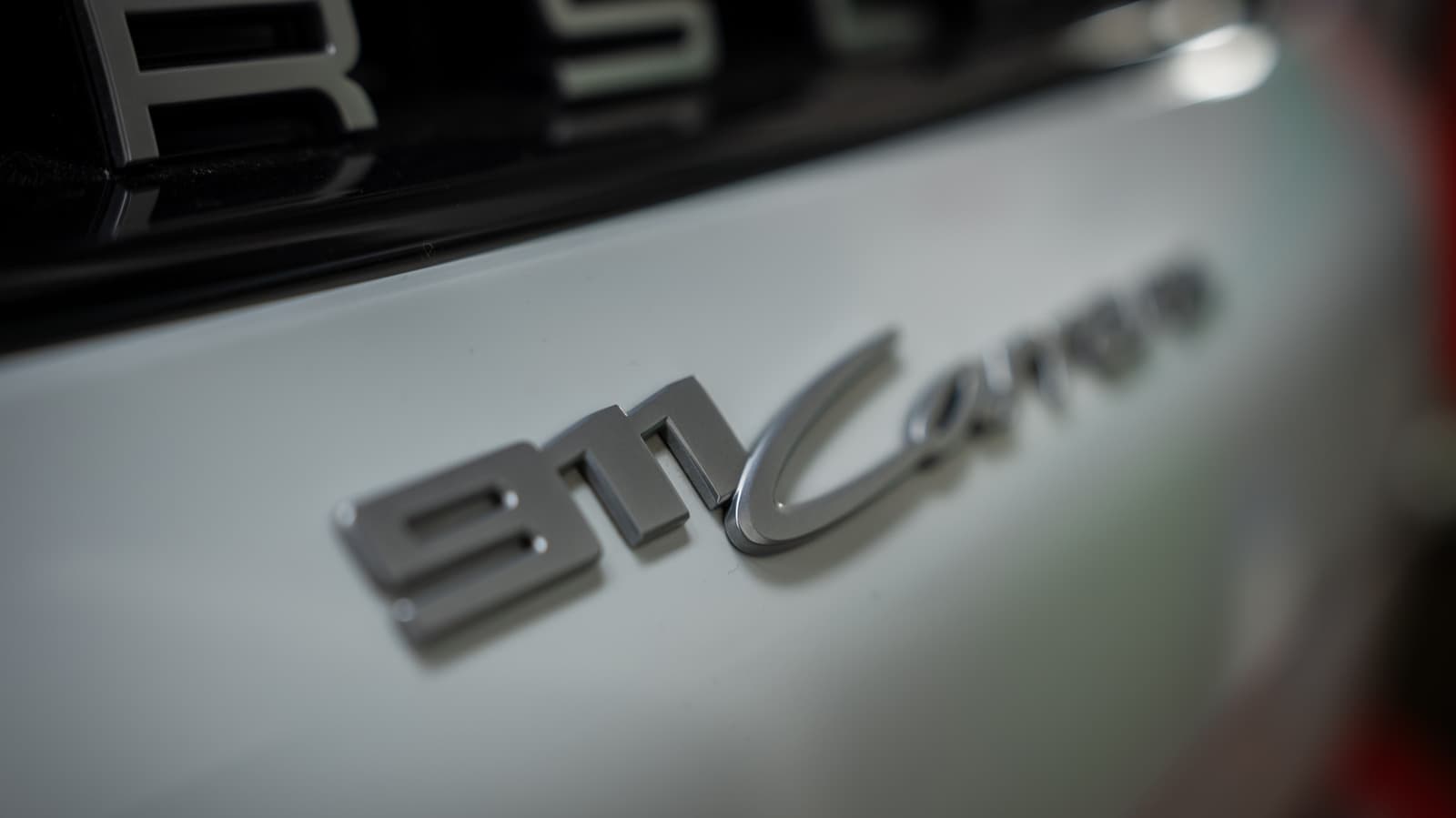
On a sleek Stuttgart production line in 1963, a prototype with the unassuming badge ‘901’ rolled off the assembly line, destined to become one of the most legendary cars in automotive history. Yet instead of securing its place in Porsche’s lineup, the number sparked a legal showdown with a French automaker that would reshape the brand’s identity forever. That car, originally labeled the 901, was renamed the 911 just weeks before its debut at the Frankfurt Motor Show after Peugeot claimed exclusive rights to all three-digit model names featuring a zero in the middle—a quirk of trademark law that forced Porsche to innovate not just in engineering, but in branding. Today, the Stuttgart-based automaker’s three-digit naming system—from the timeless 911 to the electric 718—remains a riddle for enthusiasts and casual buyers alike, masking a rich history of project numbering, corporate strategy, and even wartime heritage.
- Porsche’s three-digit model names originated from sequential project numbering introduced in 1931, where every engine, chassis, or prototype received the next available number.
- The iconic 911 name was nearly 901, but Peugeot’s 1963 trademark claim over three-digit names with a zero in the middle forced Porsche to change the middle digit to a '1'.
- The 900-series includes not just the 911 but also models like the 924, 944, 928, and 968—each representing different engine layouts, eras, and market strategies.
- Porsche’s naming conventions are not purely numerical; the brand also uses names like Boxster, Cayenne, and Panamera, while reviving older race-inspired numbers such as 718 for modern models.
- Understanding Porsche’s naming helps decode the brand’s evolution from air-cooled classics to high-performance EVs, reflecting engineering priorities and branding shifts.
The Origins of Porsche’s Project Numbering System and the Birth of the 356
Porsche’s journey into automotive naming began long before the first 356 rolled onto German roads. Founded in Stuttgart in 1931 by Ferdinand Porsche, the company initially operated as an engineering consultancy, designing everything from engines to water pumps for clients across Europe. Each project—whether it was a race car, an aircraft component, or a consumer product—was assigned the next available sequential number, creating a vast internal catalog of innovations. This system was practical, systematic, and entirely devoid of marketing flair, reflecting the company’s technical focus in its early decades.
The 356: Porsche’s First Production Car and the 356th Project
The first automobile to bear a Porsche badge was the 356, introduced in 1948. Though it marked Porsche’s debut as a car manufacturer, it was officially the company’s 356th engineering project. The number wasn’t chosen for prestige—it simply followed the firm’s long-standing internal naming protocol. The 356 was a rear-engine, air-cooled coupe with a four-cylinder boxer engine, built in Gmünd, Austria, due to post-war restrictions in Germany. Its success established Porsche as a serious sports car manufacturer and set the stage for a naming tradition that would outlast the Cold War.
Why the 901 Became the 911: A Trademark Battle That Shaped an Icon
By the early 1960s, Porsche was ready to replace the aging 356 with a modern grand tourer. The company planned to debut the new model at the 1963 Frankfurt Motor Show, and under its internal numbering system, it was designated as Project 901. The car featured a flat-six engine mounted at the rear, a design language that would define Porsche’s identity for decades. However, Ferdinand Porsche—who had previously worked closely with Volkswagen—wanted to avoid any naming conflicts with his former employer, which primarily used two-digit numbers for its models like the Beetle and Type 2 van.
Porsche’s decision to start its new model line with ‘901’ was strategic: the 900-series was unclaimed territory in Volkswagen’s numbering scheme, offering a clean slate. But just weeks before the Frankfurt debut, disaster struck—not in Stuttgart, but in Paris. Peugeot’s legal team argued that under French trademark law, any three-digit automobile name with a zero in the middle was legally protected to Peugeot, which had used such names since 1929. Peugeot had no interest in building a 901, but it fiercely defended its right to the naming convention.
“We had to change the number. It wasn’t about the car—it was about the name. Peugeot had the rights in France, and we couldn’t risk a legal battle over a number.” — Former Porsche executive, interviewed by Automotive News, 2018
In a swift and pragmatic move, Porsche changed the middle digit from ‘0’ to ‘1’, birthing the 911. The name stuck, not just as a legal workaround, but as a symbol of continuity and evolution. The 911 went on to become Porsche’s most famous model, selling over a million units and defining the brand’s image as a builder of driver-focused sports cars. Ironically, the 911’s success helped cement the three-digit naming system in the public consciousness, even as Porsche continued to use numbers across its lineup.
The 900-Series Beyond the 911: Front-Engined Sports Cars and Their Roles
While the 911 dominates the 900-series in cultural memory, Porsche has produced a dozen other models under this naming umbrella, each serving a distinct purpose in the brand’s lineup. These cars—ranging from the 914 to the 968—demonstrate how Porsche used the 900-series to experiment with engine layouts, market positioning, and technological transitions during the 1970s through the 1990s.
The 914: Porsche’s Mid-Engine Experiment and a Joint Venture with Volkswagen
Launched in 1969, the Porsche 914 was a mid-engine sports car developed in collaboration with Volkswagen. Designed to be an accessible entry point into Porsche ownership, the 914 used a Volkswagen-developed four-cylinder engine and shared mechanical underpinnings with the VW-Porsche 914/6. Though not a commercial success in its original form, the 914 is now revered as a bold engineering experiment and a bridge between Porsche’s high-performance ethos and mass-market accessibility. Its mid-engine layout was rare for Porsche at the time and foreshadowed the Boxster’s design philosophy decades later.
The 924, 944, and 968: Water-Cooled Revolution and Front-Engine Grand Tourers
In the late 1970s, facing financial pressures and a need to modernize, Porsche launched the 924 in 1976. Powered by a water-cooled four-cylinder engine sourced from Audi, the 924 was a front-engine, rear-wheel-drive grand tourer designed to attract younger buyers. It was a commercial triumph, selling over 150,000 units and helping Porsche survive a difficult decade. The 924 was followed by the 944 in 1982, which used a more powerful four-cylinder derived from Porsche’s 928 V8 and a design inspired by the 928’s aggressive stance. The 944 became one of Porsche’s best-selling models of the 1980s, bolstering the brand’s bottom line during a time when the 911 was seen as a niche product.
The 944’s success led to the 968 in 1992, which featured an updated version of the 944’s engine and improved aerodynamics. Though often overshadowed by the 911, the 924, 944, and 968 collectively represented Porsche’s push into water-cooled engines and broader market appeal. These models are now celebrated by enthusiasts for their reliability, affordability, and role in preserving Porsche as an independent automaker during a turbulent era.
The 928: Porsche’s V8 Grand Tourer and a Dream Unfulfilled
Introduced in 1978, the Porsche 928 was a front-engine, V8-powered grand tourer designed to eventually replace the 911. With a 4.5-liter V8 producing up to 288 horsepower, the 928 was luxurious, fast, and technologically advanced, featuring a transaxle layout and all-aluminum construction. It earned Motor Trend’s Car of the Year award in 1978—a rare honor for a sports car. Despite critical acclaim, the 928 never outsold the 911, and Porsche discontinued it in 1995, leaving many to wonder what might have been had the global oil crisis not dampened demand for high-performance V8s.
When Numbers Don’t Tell the Whole Story: Porsche’s Non-Numeric Models
While the 900-series captures much of Porsche’s numeric heritage, the brand has frequently deviated from the pattern to create more memorable, brandable names. These models—often designed for broader market segments—reflect Porsche’s shift from pure sports car manufacturer to a luxury performance brand with SUVs, sedans, and convertibles in its lineup.
The Boxster and Cayman: Reviving Race Heritage with the 718 Name
In 1996, Porsche introduced the Boxster, a mid-engine roadster that revived the brand’s traditional layout and brought Porsche ownership within reach of a new generation of buyers. The name ‘Boxster’ was a portmanteau of ‘boxer’ (referencing the flat engine) and ‘roadster.’ In 2016, Porsche rebranded the Boxster and its coupe sibling, the Cayman, with the ‘718’ suffix—a nod to the legendary Porsche 718 race car that competed at Le Mans in the 1950s and early 1960s. The 718 name signaled a return to racing roots and a focus on driving purity, while the models themselves became technological showcases with turbocharged engines and advanced driver-assistance systems.
Today, the 718 Boxster and 718 Cayman represent Porsche’s entry-level sports cars, offering a blend of classic Porsche driving dynamics and modern performance. Their naming reflects a deliberate strategy to connect new buyers to the brand’s illustrious racing pedigree.
The Cayenne, Macan, and Panamera: Porsche’s SUV and Sedan Revolution
Porsche expanded its lineup dramatically in the 21st century with the introduction of the Cayenne SUV in 2002, the Panamera sedan in 2009, and the Macan compact SUV in 2014. These models abandoned numeric naming entirely, opting for sleek, globally recognizable names that aligned with luxury branding conventions. The Cayenne, for instance, helped Porsche double its global sales within a decade and established the brand in the high-volume SUV market. The Macan, named after the Indonesian word for ‘tiger,’ targets younger, more diverse buyers while maintaining Porsche’s performance DNA. The Panamera, meanwhile, competes in the luxury sedan segment, offering V8 power and four-door practicality without sacrificing driving excitement.
Why the Naming System Still Matters in the Age of Electric and Autonomous Cars
As Porsche navigates the transition to electric mobility with models like the Taycan and future all-electric SUVs, the brand’s naming conventions have become even more nuanced. While traditionalists may mourn the loss of numeric identity, Porsche has shown a willingness to blend old and new: the Taycan, for example, borrows from the ‘Tay’ in ‘Targa’ (a classic Porsche body style) and ‘Can’ as a nod to electric innovation, while the upcoming Macan EV continues the SUV line’s humanized naming.
Yet the 900-series numbers remain iconic, serving as a bridge between Porsche’s past and present. The 911, now in its ninth generation, continues to evolve with hybrid and electric variants, proving the durability of a name rooted in a legal loophole. For Porsche, naming is not just about identity—it’s about legacy, heritage, and the unspoken promise of engineering excellence that defines every model, whether it’s called a 911, a Cayenne, or a Taycan.
Common Misconceptions and Confusions in Porsche’s Naming Logic
Despite decades of evolution, Porsche’s naming system remains a source of confusion for enthusiasts and newcomers alike. One persistent myth is that all 900-series cars are rear-engine sports cars. While the 911 is famously rear-engined, most other 900-series models—such as the 924, 944, 928, and 968—are front-engined grand tourers. Another misconception is that the numbers correspond to engine displacement. For example, the 911’s original 2.0-liter engine did not inspire the ‘911’ name, nor did the 944’s 2.5-liter engine justify its ‘944’ badge. The numbers are purely sequential, with occasional legal and branding twists.
There’s also the confusion around the 930—a nickname for the turbocharged variant of the 911 during the 1970s and 1980s. Known as the ‘Widowmaker’ for its unpredictable handling at high speeds, the 930 designation was never an official model name but a colloquial term born from its performance characteristics. Similarly, the 917, Porsche’s legendary 1970s race car, has no connection to the 900-series road cars despite sharing the same initial digit.
The Future of Porsche’s Naming: Tradition Meets Innovation
As Porsche accelerates toward an all-electric future, the brand faces a delicate balance between honoring its numeric heritage and embracing modern naming trends. The Taycan, for instance, breaks from tradition entirely, using a coined word that suggests speed and innovation. Meanwhile, future electric models like the Macan EV and potential all-electric 911 variants may continue this trend, relying on brand recognition rather than numerical logic. Yet Porsche has not abandoned its roots entirely: the 718 name was revived for combustion models, and rumors persist that future high-performance electric models could borrow from the 900-series legacy to signal continuity.
For now, the 911 remains the crown jewel of Porsche’s lineup, its name unchanged since 1964. Whether through legal necessity, branding genius, or sheer luck, the 911’s three-digit identity has become synonymous with performance, precision, and prestige. As Porsche moves forward, its naming conventions will continue to evolve—but the story behind each number will always be a testament to the brand’s ingenuity, resilience, and unyielding pursuit of automotive excellence.
Frequently Asked Questions
- Why did Porsche change the 901 to 911?
- Porsche was forced to rename the 901 after Peugeot claimed trademark rights to all three-digit car names with a zero in the middle. To avoid legal conflict, Porsche changed the middle digit to a '1', resulting in the iconic 911 name.
- What do the numbers in Porsche models like 911 or 944 mean?
- The numbers in Porsche’s 900-series models are sequential project numbers from the company’s internal engineering system, not indicators of engine size or model year. The 911, for instance, was the 901st project but became the 911 due to legal reasons.
- Is the Porsche 928 related to the 911?
- No, the 928 is not related to the 911 despite sharing the 900-series prefix. The 928 was a front-engine, V8-powered grand tourer designed as a potential 911 replacement, featuring a transaxle layout and all-aluminum construction.