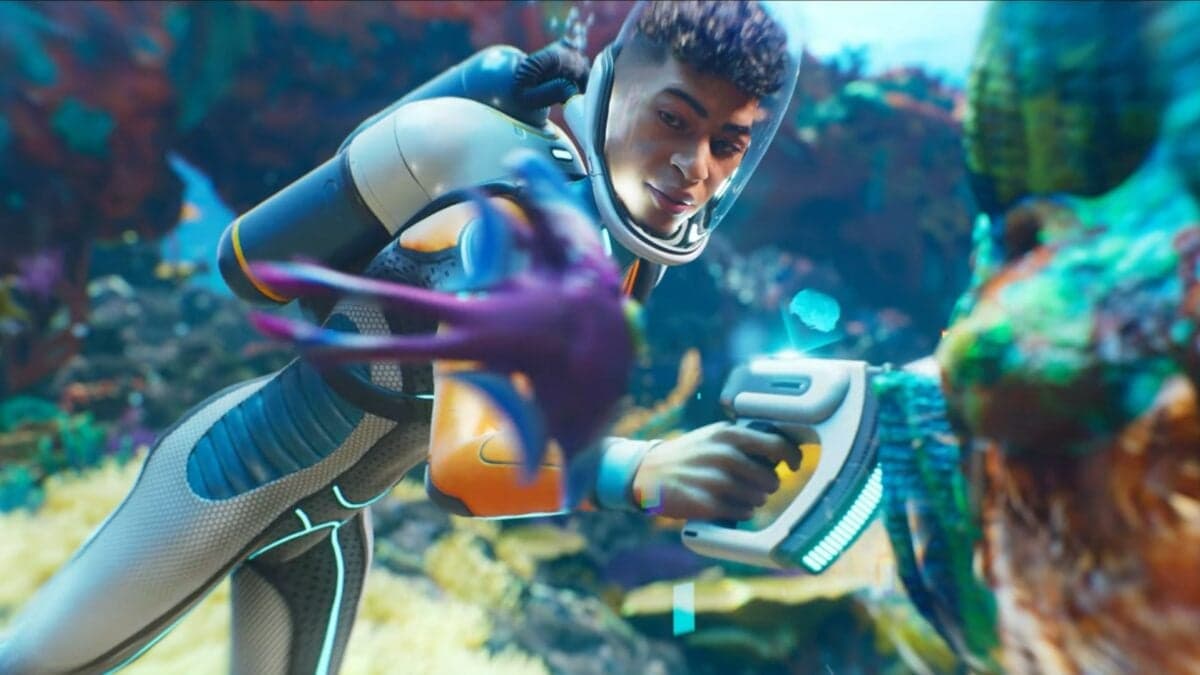
In a decisive legal blow to South Korean gaming giant Krafton, a Delaware judge has ordered the publisher to immediately reinstate Ted Gill as CEO of Unknown Worlds, the studio behind the blockbuster submarine survival game Subnautica. Vice Chancellor Lori W. Will of the Delaware Chancery Court ruled on March 16, 2026, that Krafton breached its contract with the studio’s cofounders by terminating Gill and other key executives without valid cause—effectively rendering the July 2025 firings null and void. The decision not only restores Gill’s authority over Subnautica 2’s highly anticipated Early Access launch but also extends the window for Unknown Worlds to earn a potential $250 million bonus, a provision tied to the studio’s sale to Krafton in 2021. The ruling marks a dramatic turn in one of the gaming industry’s most closely watched corporate disputes, with implications for how major publishers manage studio acquisitions and earnout agreements in the future.
How a Delaware Court Upheld Contractual Rights in the Unknown Worlds vs. Krafton Dispute
The Delaware Chancery Court’s 20-page ruling in *Fortis Advisors LLC v. Krafton, Inc.* dismantles Krafton’s justification for terminating Gill and two other Unknown Worlds cofounders—Charlie Cleveland and Max McGuire—in July 2025. The court found that Krafton’s stated reasons for the firings—including claims of poor performance on Subnautica 2 and unauthorized data downloads—were "pretextual," meaning they were fabricated to mask the publisher’s true motive: avoiding a lucrative earnout payment. This is the first significant legal ruling in a dispute that has roiled the gaming industry, raising questions about corporate accountability in studio acquisitions and the enforceability of performance-based bonuses in M&A deals.
The Earnout Agreement: How a $250 Million Bonus Became a Point of Contention
Krafton acquired Unknown Worlds in 2021 for an initial $500 million equity stake, with an additional $250 million earnout tied to the studio’s financial performance. Under the terms, Krafton would pay $3.12 for every dollar of revenue generated above $69.8 million, up to the $250 million cap. By mid-2025, internal projections indicated Subnautica 2’s Early Access launch could generate between $191.8 million and $242.2 million in revenue by the end of 2025 alone—well within range to trigger the full bonus. The court’s decision notes that Krafton CEO Changhan Kim, who led the acquisition, expressed concern that paying the earnout would damage his reputation as a "pushover" within the company. This admission, along with Krafton’s shifting justifications for the firings, was central to the court’s finding of bad faith.
Subnautica 2’s Delayed Launch: A Timeline of Krafton’s Controversial Moves
The seeds of the legal battle were planted in May 2025, when Krafton conducted a milestone review of Subnautica 2’s progress ahead of its planned August Early Access launch. According to the court’s findings, Krafton’s financial models predicted the launch would exceed 1.67 million copies sold by Q4 2025, triggering the earnout. Fearing the payout, Krafton allegedly initiated "Project X," a month-long campaign to manufacture reasons to fire the studio’s leadership. The plan included consulting ChatGPT to craft messaging for fans—a detail that has since become a symbol of the publisher’s perceived desperation. The firings followed in July 2025, but the court ruled they were not only unjustified but also a breach of contract.
Krafton’s ‘Pretextual’ Justifications Rejected by the Court
Krafton’s legal team argued that Gill and the cofounders were fired for failing to meet Subnautica 2’s development milestones and for attempting to "steal" studio materials. The court dismissed both claims outright. Regarding the development delays, the ruling states that Cleveland and McGuire’s reduced roles were "long known to and accepted by Krafton" prior to the firings. As for the data downloads, the court found that the cofounders were acting to protect Unknown Worlds’ intellectual property amid Krafton’s aggressive takeover, not to abscond with proprietary assets. The judge’s language was scathing: "Krafton’s newly manufactured justifications for the terminations are pretextual."
“Krafton’s newly manufactured justifications for the terminations are pretextual. Cleveland and McGuire had taken on limited roles, but that was long known to and accepted by Krafton. As for the data downloads, the former employees were acting to protect the studio’s work product amid Krafton’s takeover attempt. They kept the data confidential and promptly returned it.”
The Ruling’s Immediate Impact on Subnautica 2 and Unknown Worlds
The Delaware court’s decision has immediate consequences for Subnautica 2’s development and release. Judge Will ordered Krafton to cease impeding Gill’s authority over the game’s Early Access launch and to restore his access to the Steam platform, where the game’s wishlist count has ballooned to over 2 million. The ruling also extends the earnout period through September 15, 2026, and potentially beyond, giving the studio additional time to hit the revenue thresholds required for the $250 million payment. However, the litigation is not over. The court has yet to rule on damages related to the firings, leaving open the possibility of further financial penalties for Krafton.
Krafton Responds: ‘Respectful Disagreement’ and a Focus on the Game
In an emailed statement to *Kotaku*, Krafton reiterated its commitment to delivering a high-quality Subnautica 2 experience, framing the legal battle as a distraction from the game’s development. “Krafton puts players at the heart of every decision, and that will never change,” the statement read. “Over the past several months, Krafton and the Unknown Worlds team have worked tirelessly to strengthen the game and prepare it for an Early Access release, with a continued focus on delivering the best possible experience for the Subnautica community.” The publisher added that it plans to appeal the ruling while continuing to push for an Early Access release “as soon as possible.” The statement also emphasized that the court’s decision does not resolve the cofounders’ claims for damages or the earnout, with further litigation pending.
Broader Implications: What This Ruling Means for the Gaming Industry
The Delaware court’s decision sends a strong message to major publishers about the enforceability of earnout agreements and the risks of manufacturing justifications for terminations. It also highlights the growing scrutiny over how studios are managed post-acquisition, particularly when performance-based bonuses are involved. For Unknown Worlds, the ruling is a major victory, restoring its leadership and extending its financial runway. But the litigation is far from concluded, with phase two of the lawsuit still pending. Legal experts suggest the case could set a precedent for how M&A disputes are resolved in the gaming industry, where earnout agreements are increasingly common but rarely tested in court.
- A Delaware judge ordered Krafton to reinstate Unknown Worlds CEO Ted Gill, ruling the publisher breached contract by firing him without cause.
- The court found Krafton’s justifications for the firings—including development delays and data theft—were "pretextual" and motivated by a desire to avoid a $250 million earnout payment.
- The earnout agreement, tied to Subnautica 2’s revenue, could now be triggered through September 2026, giving the studio additional time to meet performance targets.
- Krafton plans to appeal the ruling while continuing to develop Subnautica 2, but the legal battle is not over—damages and earnout claims remain unresolved.
- The case underscores the risks publishers face when managing studio acquisitions, particularly when financial incentives are involved.
What’s Next for Subnautica 2 and the Unknown Worlds Legal Battle?
With Gill reinstated and his authority over Subnautica 2’s launch restored, the immediate focus shifts to the game’s development and release timeline. Unknown Worlds can now proceed with plans for Early Access without interference from Krafton, though the publisher’s appeal could delay the process. Meanwhile, the cofounders—Cleveland, McGuire, and Gill—are eligible to pursue damages for the wrongful terminations, as well as the earnout payment if revenue thresholds are met. The court has yet to rule on these claims, meaning the legal saga is far from over. For Subnautica fans, the ruling is a hopeful sign that the sequel’s development is back on track, but the uncertainty surrounding its release date remains.
A Deep Dive into the Earnout Agreement: How the $250 Million Bonus Worked
The earnout agreement between Krafton and Unknown Worlds was structured as a highly leveraged incentive, designed to reward the studio’s cofounders for exceeding specific revenue targets. The deal stipulated that Krafton would pay $3.12 for every dollar of revenue generated above $69.8 million, up to a cap of $250 million. This structure meant that even modest revenue growth could trigger significant payouts. By mid-2025, Krafton’s internal projections suggested Subnautica 2’s Early Access launch alone could generate between $191.8 million and $242.2 million in revenue by the end of 2025—figures that would have necessitated a $250 million payout. The court’s decision to extend the earnout period through 2026 gives the studio a fighting chance to hit these targets, though it remains unclear whether Subnautica 2 will ultimately surpass them.
The Role of Krafton CEO Changhan Kim in the Controversy
Changhan Kim, Krafton’s CEO and the architect of the Unknown Worlds acquisition, played a central role in the legal dispute. According to the court’s findings, Kim became concerned about the earnout’s potential payout after reviewing financial projections for Subnautica 2 in mid-2025. Fearing that paying the bonus would harm his reputation within Krafton, Kim allegedly greenlit "Project X," a covert plan to manufacture reasons to fire the studio’s leadership. The court’s ruling explicitly mentions Kim’s stated fear of being seen as a "pushover" if the earnout was triggered, a comment that has since drawn criticism from industry observers. Kim’s involvement raises questions about the ethical implications of corporate decision-making in the gaming industry, particularly when financial incentives are at stake.
Frequently Asked Questions
- What does the Delaware court’s ruling mean for Subnautica 2’s release date?
- The ruling reinstates Ted Gill’s authority over Subnautica 2’s development and Early Access launch, removing a major obstacle to the game’s release. Krafton must now allow Gill to proceed with plans for the launch without interference, though the publisher’s appeal could delay the process.
- Could Krafton still avoid paying the $250 million earnout to Unknown Worlds’ cofounders?
- The earnout period has been extended through September 2026, giving the studio additional time to meet revenue targets. However, if Subnautica 2 fails to generate enough revenue, Krafton could avoid the payout. The cofounders could also pursue damages for wrongful termination if the firings are deemed unlawful.
- What happens next in the legal battle between Unknown Worlds and Krafton?
- The court has yet to rule on damages related to the firings or the earnout payment. Phase two of the lawsuit will address these claims, and Krafton has indicated it plans to appeal the recent ruling. The legal saga is far from over.