A federal judge has delivered a decisive blow to Musi, a free music-streaming app that gained tens of millions of downloads over a decade despite legal controversies, after Apple removed it from the App Store in September 2024. In a pair of rulings issued on Tuesday, U.S. District Judge Eumi Lee of the Northern District of California dismissed Musi’s lawsuit against Apple with prejudice and sanctioned its legal team for fabricating facts to support its claims. The decision reinforces Apple’s expansive authority to delist apps under its Developer Program License Agreement (DPLA), while also highlighting the severe consequences for attorneys who violate ethical and procedural rules in high-stakes intellectual property disputes.
- A federal judge dismissed Musi’s lawsuit against Apple, ruling the streaming app’s removal from the App Store complied with the company’s Developer Program License Agreement.
- The court sanctioned Musi’s law firm, Winston & Strawn, for fabricating evidence under Federal Rule of Civil Procedure 11, ordering the firm to pay Apple’s litigation costs.
- Judge Lee ruled Apple can delist apps "with or without cause" under the DPLA, rejecting Musi’s argument that the company was required to conduct a human review of copyright claims.
- Musi’s legal team falsely claimed Apple "admitted" to relying on false evidence from the National Music Publishers Association, despite no factual basis for the allegation.
- The case underscores the risks for app developers challenging Apple’s App Store policies, particularly when copyright infringement allegations are involved.
Apple’s App Store Policy Takes Center Stage in Musi’s Defeat
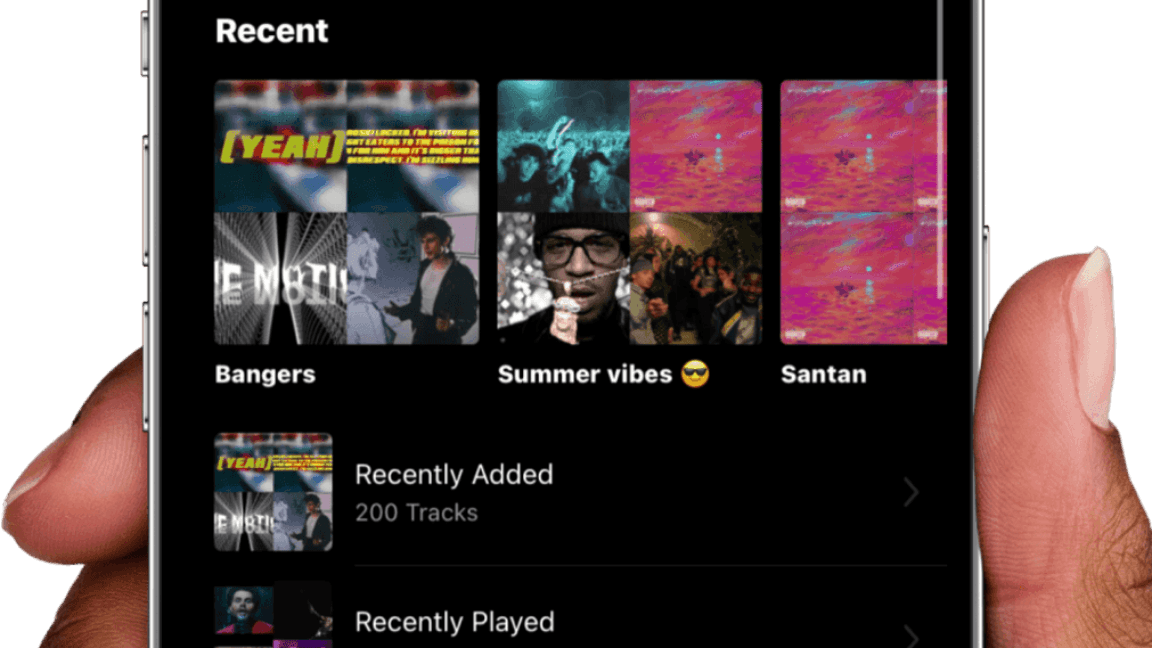
At the heart of the dispute is Apple’s Developer Program License Agreement, a contract that governs the terms under which developers can distribute their apps on the App Store. Musi, a free music-streaming service launched in 2013 by two Canadian teenagers, built its platform by streaming music directly from YouTube, a practice that drew scrutiny from copyright holders and prompted multiple takedown requests. Unlike traditional streaming services, Musi did not secure licensing agreements with record labels or artists. Instead, it relied on YouTube’s public content, embedding videos within its own minimalist interface and displaying ads—removable for a $5.99 one-time fee—to generate revenue. The app amassed over 66 million downloads during its decade-long existence, but its business model rested on shaky legal ground, as many copyright holders viewed Musi’s service as a circumvention of YouTube’s terms of service.
Musi’s legal strategy hinged on the argument that Apple’s removal of its app in September 2024 violated the DPLA, which Musi claimed required Apple to conduct a "human and/or systematic review" of copyright infringement claims before taking action. However, Judge Lee rejected this interpretation, stating that the agreement’s plain language explicitly grants Apple the right to delist apps "with or without cause," provided the company gives notice of termination. In her 12-page ruling, Lee wrote, "The plain language of the DPLA governs because it is clear and explicit: Apple may 'cease marketing, offering, and allowing download by end-users of the [Musi app] at any time, with or without cause, by providing notice of termination.'" Since Apple complied with the notice requirement, the court found no breach of contract.
The Copyright Conundrum: How Musi’s Business Model Collided with YouTube’s Terms
Musi’s legal troubles stemmed from its reliance on YouTube’s content without adhering to the platform’s terms of service, particularly its API (Application Programming Interface) restrictions. The National Music Publishers Association (NMPA) and other copyright holders alleged that Musi violated YouTube’s API terms by scraping or embedding content in ways that bypassed YouTube’s intended monetization pathways. Musi countered that it did not use YouTube’s API, arguing instead that it accessed content through other technological means. However, the court found this distinction unconvincing, noting that Musi’s own description of its service—"the Musi app plays or displays content based on the user’s own interactions with YouTube"—implied a direct dependency on YouTube’s platform.
A May 2024 profile in Wired described Musi’s interface as barebones, with users able to stream audio while video ads played silently in the background. Some videos carried watermarks from YouTube or Vevo, further linking Musi’s service to the original platform. While Musi claimed it enhanced user experience through proprietary technology, critics argued the app essentially repackaged YouTube’s content without compensating rights holders, a model that had drawn repeated legal challenges. For example, Sony Music Entertainment previously collaborated with YouTube to revoke Musi’s API access, though the company later disputed that this action fully resolved the issue.
Sanctions Levied Against Musi’s Law Firm for Fabricated Evidence
Beyond dismissing Musi’s lawsuit, Judge Lee imposed sanctions on Musi’s legal team, Winston & Strawn, under Federal Rule of Civil Procedure 11(b). This rule requires attorneys to ensure their factual contentions are supported by evidence or have a reasonable basis for future discovery. The court found that Musi’s complaint not only lacked factual support but actively misrepresented evidence uncovered during the discovery process. Specifically, Musi’s lawyers claimed in their amended complaint that Apple "admitted" to relying on false evidence from the NMPA regarding Musi’s alleged copyright infringement. This allegation was entirely baseless, according to the judge, who wrote, "Musi’s counsel was not at liberty to make up facts to fill the perceived gaps in Musi’s case."
After taking two months of discovery, including deposing Apple witnesses and reviewing Apple documents, Winston & Strawn was not at liberty to make up facts to fill the perceived gaps in Musi’s case.
The court’s sanctions order revealed that Musi’s legal team had misrepresented an email from Sony Music Entertainment as evidence that Apple knew YouTube API claims were false. Judge Lee clarified that the email did not state Musi stopped using YouTube’s API, nor did it prove Apple had knowledge of any falsehoods. Instead, Musi’s attorneys inferred Apple’s intent—a leap the court deemed unsupported by the record. "Apple may have credited one piece of evidence over the other, or it may have determined that the presence of some evidence of intellectual property infringement was sufficient to remove the Musi app," Lee wrote. The court ordered Winston & Strawn to pay Apple’s costs related to the sanctions motion and struck the offending passage from Musi’s complaint.
Why Rule 11 Sanctions Are Rare—and Why This Case Warranted Them
Federal Rule of Civil Procedure 11 is designed as a safeguard against frivolous or misleading legal filings. Courts rarely impose sanctions under this rule, as they typically apply when attorneys press novel legal theories that fail or when factual support becomes evident only after discovery. However, Judge Lee determined that Musi’s case crossed a clear line. "This is not a case where counsel merely pressed a novel but unsuccessful legal position, or where a lack of factual support became clear in hindsight," she wrote. "Here, Musi had the benefit of two months of discovery to develop a factual basis for its claims," yet its legal team advanced allegations that were "factually baseless" and required "several inferential steps" unsupported by evidence.
The court’s decision to sanction Winston & Strawn rather than Musi itself reflects a legal principle that attorneys bear primary responsibility for ensuring their filings comply with ethical standards. Musi’s legal team, including attorneys Jennifer Golinveaux, Samantha Looker, and Jeff Wilkerson, had argued against sanctions directed at their client, but Lee rejected this plea. The judge also dismissed Musi’s request for attorneys’ fees to defend against Apple’s sanctions motion, calling the request "audacious" given Musi’s lack of prevailing status in the case. While Lee found some of Musi’s allegations were not in violation of Rule 11, she concluded that each challenged claim "was on the verge of baselessness."
What’s Next for Musi and the Broader App Store Ecosystem?
Despite the legal setback, Musi’s app remains accessible to some users through workarounds or those who downloaded it before its removal from the App Store, according to discussions on the app’s dedicated Reddit community. The service’s future, however, appears uncertain. Without an Android version or licensing agreements with rights holders, Musi’s ability to operate legally—let alone profitably—is severely constrained. The case serves as a cautionary tale for other app developers who rely on third-party content or operate in legal gray areas. It also underscores Apple’s unilateral authority over the App Store, a power that has drawn regulatory scrutiny in recent years, including from the U.S. Department of Justice in its antitrust lawsuit against the company.
The ruling may embolden other platform holders, such as Google (which owns YouTube), to take more aggressive action against similar services that repurpose copyrighted content without authorization. For developers, the case highlights the importance of securing proper licenses or risking removal—and potential legal liability. As Judge Lee’s decision makes clear, Apple’s terms are not merely boilerplate; they are enforceable contracts that give the company broad discretion to control its ecosystem. This power, while beneficial for consumers in terms of security and consistency, places significant responsibility on developers to ensure their apps comply with both Apple’s rules and external laws.
The Legal Landscape: How This Case Fits Into Broader Tech and Copyright Battles
The Musi v. Apple case is the latest in a series of legal battles pitting app developers against platform holders over control of the digital marketplace. Apple’s App Store has faced criticism for years over its 30% commission (often called the "Apple tax"), its ban on alternative payment systems, and its delisting of apps for alleged violations of terms. Regulators and lawmakers have taken notice: The DOJ’s antitrust lawsuit against Apple, filed in March 2024, alleges the company engages in anti-competitive practices by restricting app distribution and enforcing restrictive contracts. Meanwhile, the European Union’s Digital Markets Act (DMA), which took full effect in March 2024, requires Apple to allow third-party app stores and alternative payment methods in the EU, a change that could reshape the App Store’s dominance.
Copyright enforcement has also intensified as platforms like YouTube and Apple face pressure to curb piracy and unauthorized content use. The NMPA, which represented rights holders in the Musi case, has been vocal about protecting intellectual property in the digital age. Its involvement in Musi’s removal underscores the collaborative efforts between platforms and industry groups to police copyright infringement. However, critics argue that such enforcement can stifle innovation, particularly for startups that lack the resources to navigate complex licensing agreements. The Musi case may serve as a precedent for how courts balance these competing interests—protecting intellectual property while avoiding overreach that chills legitimate competition.
Key Takeaways for Developers and Platform Holders
- Apple’s Developer Program License Agreement grants it broad discretion to delist apps "with or without cause," provided proper notice is given—a point reaffirmed by Judge Lee’s ruling.
- App developers cannot rely on speculative or fabricated evidence when challenging platform decisions; courts will sanction attorneys who misrepresent facts under Rule 11.
- Relying on third-party content without securing proper licenses is a high-risk strategy that can lead to removal from app stores and legal exposure.
- The case highlights the tension between platform control and developer autonomy, a debate that is intensifying with new regulations like the EU’s Digital Markets Act.
- Copyright holders and platforms are increasingly collaborating to enforce IP rights, increasing pressure on apps that operate in legal gray areas.
Frequently Asked Questions
Frequently Asked Questions
- Can Apple remove an app from the App Store without a valid reason?
- Yes, under its Developer Program License Agreement, Apple can delist apps "with or without cause" as long as it provides notice to the developer. The Musi case reaffirmed this broad discretion, though Apple’s actions are still subject to antitrust scrutiny in some jurisdictions.
- What are Rule 11 sanctions, and why were they imposed in this case?
- Rule 11 sanctions are penalties imposed on attorneys for filing frivolous or factually unsupported legal claims. In the Musi case, the court found that Winston & Strawn fabricated evidence and misrepresented facts in its complaint, warranting sanctions and payment of Apple’s litigation costs.
- How does Musi’s business model differ from licensed music streaming services?
- Unlike platforms like Spotify or Apple Music, Musi did not secure licensing agreements with rights holders. Instead, it streamed music directly from YouTube, embedding videos in its own interface. This model allowed it to operate without licensing fees but exposed it to copyright infringement claims and removal from app stores.