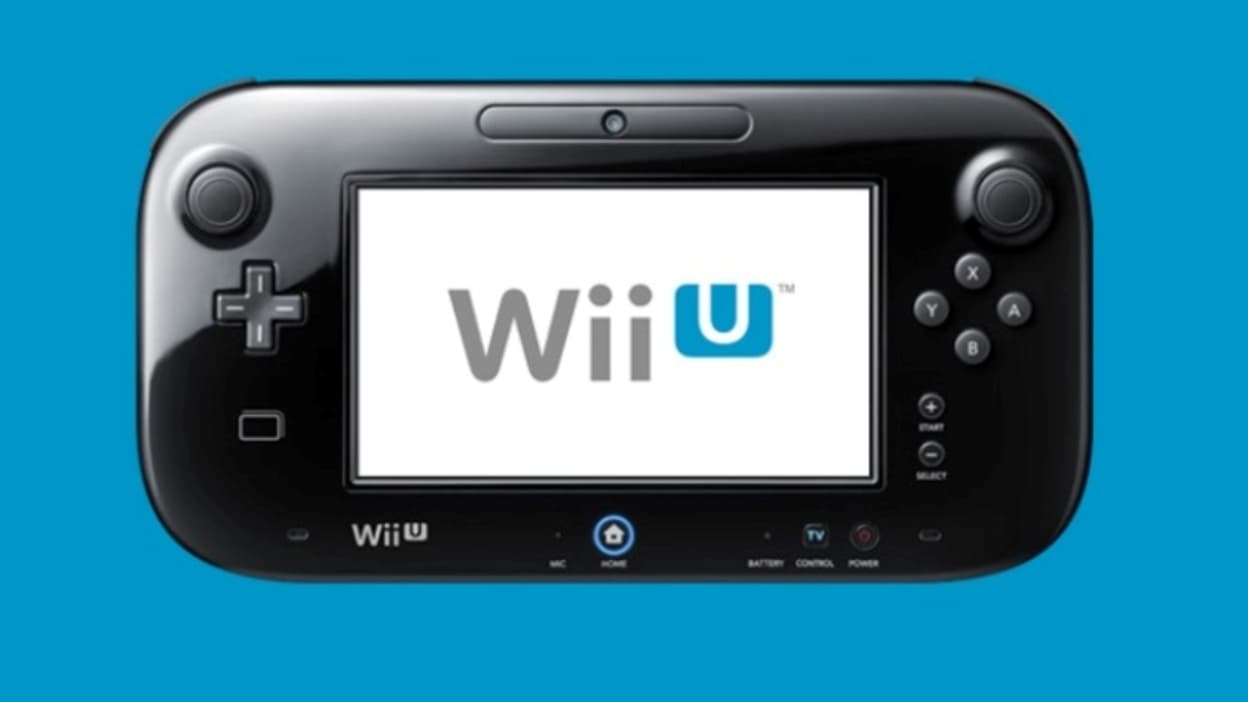
GameStop has officially classified the Nintendo Wii U, Sony PlayStation 3, and Microsoft Xbox 360 as retro consoles, marking the end of an era for three iconic gaming platforms that defined a generation. In an announcement released today, the retailer revealed that these systems now meet its internal ‘Retro Classification Standard,’ a move that comes with a 10% trade-in credit bonus and relaxed acceptance policies—even for non-functional units. The decision reflects the rapid evolution of gaming technology and the shifting cultural perception of what constitutes a ‘retro’ system, as manufacturers focus on newer hardware like the PlayStation 5 and Xbox Series X|S. For collectors, nostalgic players, and budget-conscious gamers, this announcement opens new doors to liquidating old inventory while preserving gaming history.
Why GameStop’s Retro Console Declaration Matters for Gamers and Collectors
GameStop’s retro classification is more than a marketing gimmick—it’s a practical response to the realities of the used gaming market. The Wii U launched in 2012, the Xbox 360 in 2005, and the PS3 in 2006, placing them squarely in an ambiguous zone between modern and vintage. While some enthusiasts argue that ‘retro’ should apply only to systems released before the 2000s, GameStop’s move reflects a broader industry trend: as consoles age and new hardware dominates sales, older systems are increasingly treated as collectibles or nostalgia-driven purchases rather than everyday gaming devices.
The Criteria Behind GameStop’s Retro Classification
GameStop’s announcement included a tongue-in-cheek breakdown of its ‘Retro Classification Standard,’ which hinges on three key indicators: the presence of component cables (a hallmark of older systems), the absence of modern titles like *Fortnite* (which launched on these platforms but has since moved on), and the systems’ original release dates during the presidency of George W. Bush. While presented humorously, the criteria underscore a genuine shift in hardware lifecycle management. Unlike the Nintendo DS or Sega Saturn—both long considered retro—the Wii U, PS3, and Xbox 360 were still being actively sold as recently as the early 2020s. GameStop’s decision effectively fast-tracks their transition into legacy status, aligning with the company’s growing emphasis on retro gaming sections in stores.
The New Retro Trade-In Bonus: How It Works and What It Covers
Starting today and running through March 31, GameStop is offering a 10% bonus on trade-in credit for customers who bring in eligible retro consoles, games, or accessories. This applies not only to the newly classified Wii U, PS3, and Xbox 360 but also to older systems like the original Xbox, GameCube, and even the Atari 2600. Perhaps most notably, GameStop is relaxing its trade-in policies for retro hardware: defective consoles are now accepted as long as they power on, and systems missing accessories or in less-than-pristine condition are eligible for credit. This change reflects the growing demand for retro gaming inventory, where even broken units can hold value for parts or repair purposes.
What’s Eligible for the Bonus?
- Nintendo Wii U systems, games, and accessories
- Sony PlayStation 3 consoles, games, and peripherals
- Microsoft Xbox 360 units, games, and add-ons
- Other retro consoles (e.g., PS2, Xbox, GameCube)
- Retro games and accessories (controllers, memory cards, etc.)
How the Bonus is Applied
The 10% bonus is applied to the standard trade-in value of eligible items. For example, if a customer trades in a Wii U console worth $50 in base credit, they would receive an additional $5, bringing their total to $55. This bonus does not stack with other promotions and is limited to one per customer per transaction. GameStop’s trade-in calculator, available on its website, provides estimated values based on condition and market demand.
The Broader Implications for Retro Gaming and the Used Market
GameStop’s retro classification is a microcosm of a larger trend in the gaming industry: the commodification of nostalgia. As physical media declines and digital storefronts dominate, the used market for older consoles has surged, driven by collectors, speedrunners, and players seeking rare titles. The PS3, for instance, has seen a resurgence in popularity due to its backward compatibility with PS2 games and a robust library of exclusive titles like *The Last of Us* and *Metal Gear Solid 4*. Similarly, the Wii U’s limited commercial success has paradoxically boosted its retro appeal, with rare games like *The Legend of Zelda: Breath of the Wild* (which launched on Wii U before becoming a Switch exclusive) now fetching high prices on secondary markets.
Impact on Collectors and Resellers
For collectors, GameStop’s announcement signals an opportunity to liquidate aging inventory before prices potentially drop further. The PS3, for example, launched with a base model priced at $599 in 2006—a figure that now seems extravagant given today’s trade-in values of $50–$100 for standard editions. Meanwhile, resellers who once stockpiled Wii U systems at clearance prices ($299 at launch, now often under $50) may see renewed interest in the platform. The 10% bonus could also incentivize gamers to part with complete-in-box (CIB) copies of games, which are already fetching premium prices on eBay and other platforms.
The Role of Retro Sections in Modern GameStop Stores
GameStop has steadily expanded its retro gaming offerings over the past five years, dedicating shelf space to classic consoles and hosting events like retro game tournaments. The retro classification formalizes this shift, giving stores a clear mandate to prioritize older hardware in trade-ins and sales. This aligns with the company’s broader strategy to diversify revenue streams amid declining new game sales. In 2023, GameStop reported that retro gaming accounted for 12% of its total merchandise sales—a figure that is expected to grow as the used market continues to thrive.
How Industry Trends Are Shaping the Perception of Retro Consoles
The gaming industry’s relationship with retro hardware is complex. On one hand, manufacturers like Nintendo and Sony have capitalized on nostalgia by re-releasing classic systems (e.g., the NES Classic Edition, PlayStation Classic) and offering remasters of beloved franchises. On the other hand, the rapid pace of technological advancement means that consoles once considered cutting-edge are now obsolete. The PS3, for instance, was revolutionary for its Cell processor and Blu-ray drive, but its architecture has since been surpassed by more efficient designs. The Xbox 360’s online services, including backward compatibility, have also become a point of contention as Microsoft shifts focus to Game Pass and cloud gaming.
The Discontinuation Factor
All three consoles—Wii U, PS3, and Xbox 360—have been discontinued for years. The Wii U was discontinued in January 2017, the PS3 in 2017 (with limited production continuing until 2021), and the Xbox 360 in 2016. Their discontinuation, combined with the lack of new software support, has cemented their status in the gaming zeitgeist. While modern consoles receive regular firmware updates and new titles, these retro systems are frozen in time, making them prime candidates for preservation efforts by museums and archives.
Key Takeaways for Gamers and Investors
- GameStop now classifies Wii U, PS3, and Xbox 360 as retro consoles, making them eligible for a 10% trade-in bonus through March 31.
- Defective retro consoles are now accepted for trade-in as long as they power on, expanding opportunities for gamers to liquidate old hardware.
- The retro classification reflects the growing demand for older consoles in the used market, driven by collectors and nostalgia-driven purchases.
- This move aligns with GameStop’s broader strategy to expand its retro gaming offerings and diversify revenue streams.
- The decision could influence the resale market for these consoles, potentially boosting values for complete-in-box copies and rare games.
GameStop today issued an official declaration that the Sony PlayStation 3, Xbox 360, and Nintendo Wii U are, for all practical purposes, now officially retro consoles. The ruling was reached following careful analysis of multiple indicators including the presence of component cables, the lack of Fortnite, and the realization that they launched when George W. Bush was still president.
What This Means for the Future of Retro Gaming
GameStop’s retro classification is likely just the beginning of a wave of formal recognition for aging consoles. As the gaming industry continues to prioritize newer hardware, older systems will increasingly be treated as historical artifacts rather than functional gaming devices. This shift could lead to more partnerships between retailers and preservation organizations, such as the Video Game History Foundation, which advocates for the archiving of gaming history. It also raises questions about the long-term viability of backward compatibility in modern consoles, as manufacturers balance innovation with nostalgia.
Frequently Asked Questions
Frequently Asked Questions
- Does GameStop’s retro classification apply to other consoles?
- Currently, GameStop’s retro classification applies to the Wii U, PS3, and Xbox 360, as well as other older systems like the PS2, GameCube, and original Xbox. The company’s retro section includes a full list of eligible items on its website.
- Can I still get trade-in credit for a non-working retro console?
- Yes. GameStop now accepts defective retro consoles for trade-in as long as they power on. Non-functional units without power-on capability are not eligible.
- How long will the retro trade-in bonus last?
- The 10% trade-in bonus for retro consoles runs from the announcement date through March 31. After this period, standard trade-in values will apply.