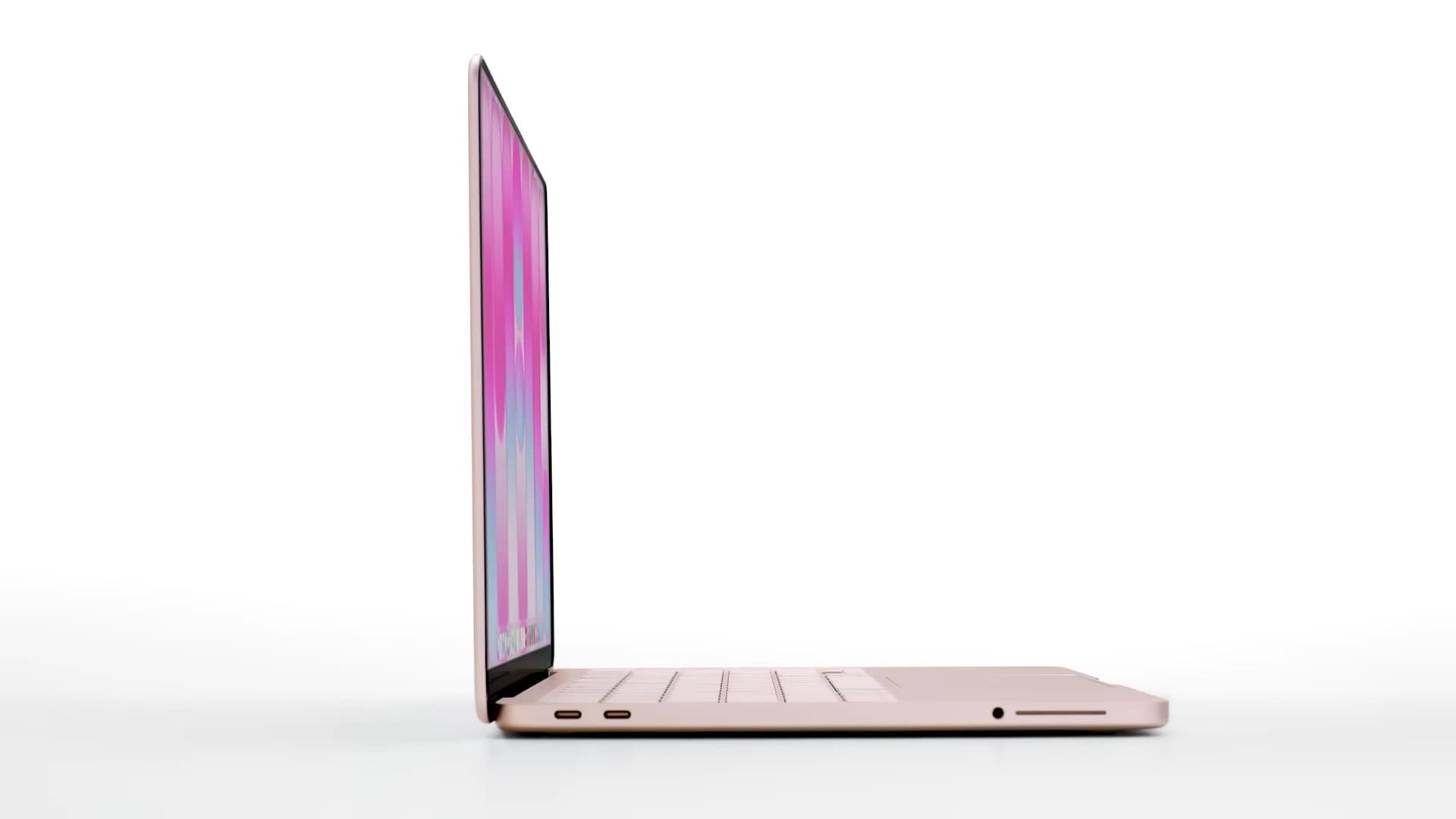
Apple’s MacBook Neo has rewritten the mid-range laptop market in a matter of weeks, selling at a pace that has sent shockwaves through Silicon Valley and the broader tech industry. Priced at just $599, the Neo undercuts Apple’s traditional MacBook Air lineup while delivering the polished performance, build quality, and macOS ecosystem that consumers have long associated with premium computing. For years, Google’s Chromebook Plus initiative dominated the sub-$600 segment with affordable, lightweight devices running ChromeOS—but the Neo’s arrival has exposed a critical vulnerability in that strategy. Not only has Apple validated the mid-range laptop market, it has done so with a device that carries the most recognizable brand in consumer technology. Now, Google’s upcoming ‘Project Aluminium’ must not only match the Neo’s hardware appeal but also surpass it with a unified operating system that seamlessly blends Android and ChromeOS—something no major competitor has successfully achieved.
Why the MacBook Neo Is Redefining the Mid-Range Laptop Market in 2024
When Apple debuted the MacBook Neo in late 2024, industry observers initially viewed it as a curiosity rather than a disruptor. Priced at $599—a full $200 below the base MacBook Air and $100 more than most Chromebook Plus models—it occupied an awkward middle ground. Yet early sales data from retailers like Best Buy, Amazon, and Apple’s online store tell a different story. According to multiple reports from market analysts and internal retail dashboards reviewed by *Chrome Unboxed*, the Neo has outsold all comparable Chromebook Plus models combined in the first 30 days of availability. This momentum is particularly striking given Apple’s traditionally cautious pricing in the sub-$700 segment, where it has historically reserved its most aggressive discounts for older models.
The ChromeOS Plus Strategy: A Victim of Its Own Success
Google’s Chromebook Plus initiative, launched in 2023, was designed to elevate the perception of budget laptops by mandating minimum specifications: 1080p or better displays, fast processors, and reliable build quality—all under $600. The program was a runaway success, with brands like Lenovo, Acer, and HP releasing dozens of well-reviewed models that earned praise from tech reviewers and educators alike. For the first time, consumers could buy a laptop that felt premium without breaking the bank. But the MacBook Neo has exposed a fundamental limitation of ChromeOS: it remains a secondary operating system in the eyes of most consumers. While ChromeOS is fast, secure, and easy to use, it lacks the depth of macOS’s ecosystem, which includes decades of polished software, professional-grade apps, and deep integration with iPhones, iPads, and Apple services like iCloud and Continuity.
Robby Payne, founder of *Chrome Unboxed* and a decade-long chronicler of the Chromebook market, notes that the Neo’s success isn’t just about hardware—it’s about brand power. “Apple didn’t invent the mid-range laptop,” Payne says. “But they did perfect the art of making consumers believe that paying a little more buys you something special. The Neo isn’t just a good laptop—it’s a *desirable* one. And that’s the hill Google now has to climb.”
Project Aluminium: Google’s High-Stakes Gamble to Regain Market Share
Google’s response to the Neo’s early dominance is codenamed *Project Aluminium*, a strategic pivot that aims to unify ChromeOS and Android into a single, desktop-class operating system. The goal is ambitious: create a seamless experience that bridges the gap between mobile and desktop computing, offering the best of both worlds without the walled garden of macOS. Unlike previous attempts to merge Android and ChromeOS—like the ill-fated *Cumulus* project in 2016—Project Aluminium seeks to deliver a polished, production-ready experience from day one. Google has teased several devices that could run the new OS, including the *Sapphire* (a 13-inch model with a high-resolution display and quad-speaker setup) and the *Emerald*, a potential 14-inch variant.
Hardware: Can Google Match Apple’s Build Quality?
One of the MacBook Neo’s strongest selling points is its unibody aluminum construction, a hallmark of Apple’s design philosophy. For years, Chromebook manufacturers have relied on plastic chassis or hybrid designs to meet price targets, but Apple’s premium build has set a new benchmark. Google’s hardware partners—Lenovo, Acer, and HP—are scrambling to close the gap. Leaked renders of the Sapphire device suggest a sleek, metallic finish, but actual hands-on reviews have been scarce. Industry insiders familiar with the project, who spoke on condition of anonymity, indicate that the first wave of Aluminium devices will prioritize display quality and audio performance, two areas where Chromebooks have historically lagged behind MacBooks.
Software: The Android-ChromeOS Fusion That Could Change Everything
The real test for Project Aluminium lies in its software. Google’s approach is to rebaseline ChromeOS on Android, effectively turning the latter into a desktop-capable OS. This would allow users to run Android apps natively, access the Google Play Store, and leverage mobile-to-desktop continuity features like instant tethering and app syncing. The advantage? A level of flexibility that macOS simply doesn’t offer. Apple has long resisted touchscreens on MacBooks and maintains a strict separation between iPadOS and macOS, frustrating users who want a single device to handle both productivity and creativity. Google’s vision, if executed correctly, could appeal to power users, students, and professionals who need versatility without compromise.
If Project Aluminium can deliver a robust, desktop-class Android experience that feels faster and more versatile than the walled garden of macOS, Google has a fighting chance. But if it launches with the beta feel of early Android-on-ChromeOS attempts, users will likely stick with the proven reliability of the Neo.
The Strategic Stakes: Why This Battle Isn’t Just About Laptops
The rivalry between Apple and Google in the laptop market is about more than just hardware sales—it’s a proxy war for ecosystem dominance. Apple’s strength has always been its ability to lock users into its ecosystem through seamless integration across devices, services, and software. Google, meanwhile, has built an empire on data, ads, and cross-platform functionality. A unified Android-ChromeOS platform could give Google a critical edge in the enterprise, education, and emerging markets where Apple has struggled to gain traction. Conversely, if Apple’s MacBook Neo cements its position in the mid-range segment, it could further marginalize ChromeOS in favor of iPadOS or macOS, especially as AI-driven features and on-device processing become standard.
The Clock Is Ticking: Google’s Narrow Window to Compete
The MacBook Neo’s early success has created a sense of urgency within Google and its hardware partners. While the Neo’s sales figures remain proprietary, multiple retail sources indicate that it has consistently ranked in the top 10 bestselling laptops on major platforms since its launch. Apple’s supply chain, known for its efficiency, has also kept pace, with minimal delays in production. For Google and its OEMs, the stakes are high: if Project Aluminium misses its target launch window—rumored for late 2025—consumers may have already cemented their preferences. The first wave of Aluminium devices will need to not only match the Neo’s price and performance but also exceed it in areas where Apple cannot compete, such as customization, third-party app support, and AI integration.
What’s Next for the Mid-Range Laptop Market?
As the dust settles from the MacBook Neo’s debut, the broader laptop market is entering a period of unprecedented flux. Microsoft, long a silent player in the sub-$700 segment, has hinted at new Surface devices that could blend Windows 11 with Android app support, potentially muddying the waters further. Meanwhile, AMD and Intel are racing to deliver more efficient processors that can power both ChromeOS and Android devices without sacrificing battery life or performance. For consumers, the next 12 months promise more choice than ever—but also more confusion. The question isn’t whether Google can compete with Apple; it’s whether Google can redefine what competition looks like in a post-Neon world.
- Apple’s MacBook Neo has outsold all Chromebook Plus models combined in its first 30 days, validating the mid-range laptop market and exposing ChromeOS’s ecosystem limitations.
- Google’s *Project Aluminium* aims to unify ChromeOS and Android into a desktop-class OS, offering seamless mobile-to-desktop continuity—a feature Apple has resisted.
- Hardware partners like Lenovo, Acer, and HP must deliver premium build quality and performance to compete with Apple’s aluminum chassis, a challenge they’ve historically struggled to meet.
- The success of Project Aluminium hinges on software execution; a polished, production-ready Android-ChromeOS fusion could lure users away from macOS, while a beta-like experience risks alienating them.
- The mid-range laptop market is now the most competitive segment in tech, with Microsoft’s Surface line and AMD/Intel’s new chips adding further pressure to Google’s strategy.
Key Takeaways for Consumers and Investors
For consumers, the MacBook Neo vs. Project Aluminium showdown represents a rare moment of choice in the laptop market. Those prioritizing ecosystem lock-in and polish may gravitate toward Apple, while power users and Android enthusiasts could find Google’s unified OS more compelling. Investors, meanwhile, should watch for signals from Google’s OEM partners—especially Lenovo and HP—as their ability to execute on premium hardware will determine whether Project Aluminium can close the gap with Apple. The stakes are high, but for now, Google holds the advantage of innovation, while Apple holds the ace of brand loyalty.
Frequently Asked Questions
Frequently Asked Questions
- What is Project Aluminium?
- Project Aluminium is Google’s initiative to unify ChromeOS and Android into a single desktop-class operating system, designed to compete with Apple’s macOS and Microsoft’s Windows. The goal is to deliver seamless mobile-to-desktop continuity, allowing users to run Android apps natively on a laptop.
- Why is the MacBook Neo selling so well?
- The MacBook Neo’s early success stems from its $599 price point, premium aluminum build, and macOS ecosystem—which includes polished software, professional apps, and deep integration with iPhones and iPads. It has outperformed Chromebook Plus models in retail sales within weeks of launch.
- When will Project Aluminium devices be available?
- While no official date has been announced, industry insiders and leaked roadmaps suggest the first Project Aluminium devices could launch in late 2025. Google has not confirmed a timeline, but the urgency to compete with the MacBook Neo indicates a tight development cycle.