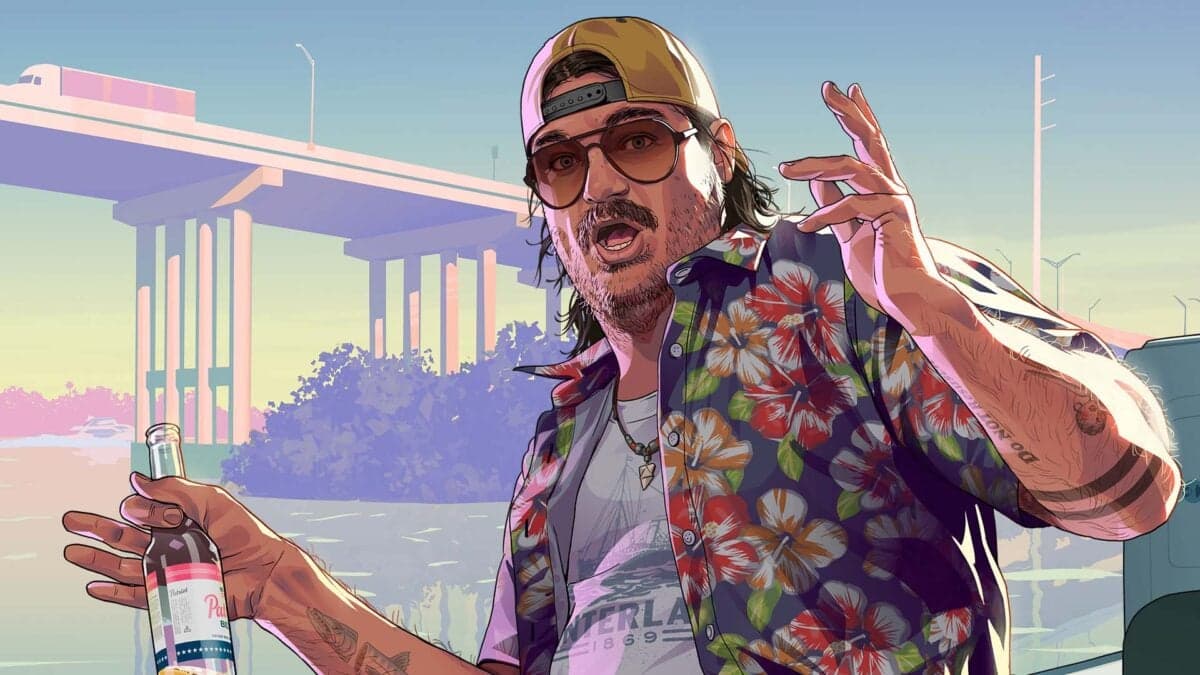
In a dramatic break from one of the internet’s most dominant fan platforms, the GTA Wiki—home to more than 20,000 articles and the largest independent database of the Grand Theft Auto franchise—has officially left Fandom. Editors behind the project announced the move on March 15, 2026, describing a growing frustration with intrusive advertisements, overly restrictive content policies, and limited editorial control. The timing could not be more critical: with Rockstar Games’ highly anticipated GTA 6 set for release in November 2026, the migration represents not just a technical shift, but a cultural one for the franchise’s global community of millions of fans.
- The GTA Wiki has migrated from Fandom to gta.wiki, citing excessive ads, content censorship, and restrictive policies as the primary reasons for leaving.
- Over 20,000 articles from the original Fandom-based wiki have been preserved on the new standalone platform.
- The move reflects a broader trend among gaming and entertainment wikis abandoning Fandom due to concerns over ad overload, content restrictions, and corporate editorial control.
- The decision comes less than eight months before the launch of GTA 6, a game expected to drive massive traffic to fan-maintained resources.
- GTA Wiki joins other major wikis like Minecraft, Balatro, and League of Legends in migrating to independent platforms.
Why the GTA Wiki Left Fandom: Ads, Censorship, and Loss of Control
The GTA Wiki’s decision to depart Fandom was rooted in a growing sense of frustration among its volunteer editors and administrators. In a detailed blog post published on March 15, 2026, the team outlined three core grievances: increasingly aggressive advertising, tightening content censorship policies, and loss of customization and editorial autonomy. While logged-in users may not notice the impact of ads, the post emphasized that over 60% of the site’s visitors—many on mobile devices—access content without logging in, exposing them to obtrusive pop-ups, auto-play videos, and full-screen interstitials.
The Ad Overload Problem: From Annoyance to Accessibility Barrier
According to the GTA Wiki’s leadership, Fandom’s ad strategy had evolved into a major usability issue. While ads may generate revenue for the platform, they degrade the user experience, especially on mobile devices where screen real estate is limited and bandwidth can be constrained. The editors noted that intrusive video ads—often placed at the top of articles—had become particularly problematic. These ads, which began appearing in 2017, are not controlled by wiki editors and frequently contain outdated or inaccurate information. For a reference site like the GTA Wiki, where accuracy and clarity are paramount, such interruptions undermine the platform’s credibility.
Content Censorship and the ‘Communication Creation Policy’
Another major concern cited by the GTA Wiki team was Fandom’s increasingly strict ‘Communication Creation Policy’ (CC Policy), which governs offensive language and graphic media. Editors argued that enforcement had become overly zealous, leading to the removal or suppression of legitimate content, including images of in-game advertisements and audio clips of character dialogue. The policy’s vagueness and inconsistent application were singled out as particularly problematic, with even harmless historical references being flagged. This level of restriction, the editors wrote, was incompatible with the open, informative mission of a fan-maintained encyclopedia.
Loss of Customization and Creative Expression
The GTA Wiki also lamented the erosion of creative and functional customization options available on Fandom’s platform. Over time, Fandom had limited the ability of wiki communities to modify site design, navigation, and user interface elements. A notable example: the iconic middle-finger cursor—a playful but widely recognized feature of the GTA Wiki—was removed due to Fandom’s restrictions on offensive imagery. For a community that prides itself on authenticity and fan expression, such limitations felt like an imposition rather than a safeguard.
The Role of Weird Gloop and the Rise of Independent Wiki Hosting
The GTA Wiki’s migration is part of a broader movement toward independent hosting platforms, facilitated in large part by Weird Gloop, a small company founded in 2018 to help the RuneScape wiki escape Fandom’s ecosystem. Weird Gloop provides the technical infrastructure and support for wikis seeking full editorial control, faster performance, and an ad-free experience. Since its inception, Weird Gloop has assisted multiple high-profile wikis—including those for Balatro and Minecraft—in severing ties with Fandom. The company’s rise reflects growing disillusionment with Fandom’s corporate approach, particularly in the gaming and entertainment sectors where fan-driven content is both creative and commercially valuable.
A Pattern of Exit: How Other Major Wikis Left Fandom
The GTA Wiki is not alone in its critique of Fandom. In October 2024, the official League of Legends wiki announced its departure, citing similar concerns over ad policies and lack of control. The Minecraft Wiki followed in 2025, citing frustration with Fandom’s restrictions on customization and ad intrusiveness. These departures signal a broader pattern: as gaming communities grow in size and sophistication, they increasingly demand platforms that prioritize editorial freedom, user experience, and long-term sustainability over monetization and corporate oversight. The timing of these migrations—many occurring within one to two years of major game releases—suggests that fan communities are becoming more strategic about the platforms they rely on during periods of peak engagement.
Fandom’s Response: A Balancing Act Between Creators and Corporate Growth
“With more than 250,000 wiki communities across entertainment and gaming, Fandom works with thousands of admins and editors around the globe to create positive, robust online communities for the millions of fans who visit our platform each month. The relationships we have with our creators are extremely important and built upon mutual respect and close collaboration. As the world’s leading platform for fans, we continue to invest in new features, products, and dedicated community support while regularly reviewing policies and best practices based on community feedback.”
In a statement provided to media outlets on March 16, 2026, a Fandom spokesperson acknowledged the departure but emphasized the platform’s commitment to creator collaboration and continuous improvement. The company highlighted its role as “the world’s leading platform for fans,” with over 250,000 active wiki communities and millions of monthly visitors. While the statement expressed disappointment over the GTA Wiki’s decision, it also framed the move as an exception rather than a trend. Fandom noted that the GTA Wiki remains accessible to the more than 9 million fans who visit it monthly, suggesting confidence in its ability to retain other large communities despite growing dissatisfaction.
The AI Concerns That Accelerated the Exodus
An often-overlooked factor in the GTA Wiki’s decision was the February 2026 appointment of a new CEO at Fandom, widely reported to be pro-AI. This shift raised alarms across the wiki community, with many editors fearing that Fandom might begin integrating AI-generated content into wiki pages without clear disclosure or editorial oversight. Rumors circulated that Fandom could begin feeding wiki data into AI training models, potentially compromising the integrity of fan-maintained knowledge bases. While Fandom has not confirmed such plans, the perception of corporate overreach—combined with the new leadership’s stated enthusiasm for AI—accelerated the timeline for several wikis to seek independence.
What the GTA Wiki’s Move Means for the Franchise and Its Fans
For the Grand Theft Auto community, the migration to gta.wiki represents more than just a technical upgrade—it signals a new era of fan autonomy. With GTA 6 on the horizon, the demand for reliable, up-to-date information will surge, and the GTA Wiki aims to be the go-to destination for players seeking lore, walkthroughs, character profiles, and historical context. The new platform promises faster load times, a cleaner interface, and a mobile-optimized experience, all without the distractions of third-party ads or corporate censorship. For longtime contributors, many of whom have volunteered for years, the move is a vote of confidence in community-driven knowledge and a rejection of corporate gatekeeping.
The Bigger Picture: Is Fandom Losing Its Grip on Fan Communities?
The GTA Wiki’s departure is not an isolated incident but part of a broader reckoning within the fan-content ecosystem. Fandom, once the dominant platform for user-generated wikis, now faces criticism from communities that once thrived within its walls. The company’s monetization strategies—designed to maximize revenue per user—have clashed with the expectations of volunteer editors who prioritize accuracy, accessibility, and fan experience. As gaming and entertainment franchises continue to expand, and as AI-generated content becomes more prevalent, the demand for transparent, community-controlled platforms will only grow. Whether Fandom can adapt to these changing expectations remains an open question.
What’s Next for the GTA Wiki and Other Migrating Communities
With its new domain and hosting infrastructure in place, the GTA Wiki is now focused on growth and stability as it prepares for the GTA 6 launch. Editors are actively recruiting contributors, optimizing search engine visibility, and refining the site’s architecture to handle increased traffic. Meanwhile, Weird Gloop continues to onboard other wikis seeking independence, potentially positioning itself as the de facto alternative to Fandom. For communities still on Fandom, the GTA Wiki’s success may serve as a blueprint for future migrations—one that prioritizes user trust, editorial freedom, and long-term sustainability over short-term monetization.
Key Takeaways: Why the GTA Wiki’s Migration Is a Turning Point
- The GTA Wiki, the largest fan-created database for the Grand Theft Auto series, has left Fandom amid complaints about intrusive ads, censorship, and loss of editorial control.
- Over 60% of the wiki’s visitors are mobile users who encounter ads and videos without logging in, degrading the user experience.
- The move reflects a growing trend among gaming wikis to migrate to independent platforms like Weird Gloop’s hosting service to regain control over content and design.
- Concerns about Fandom’s new pro-AI leadership and potential AI integration into wiki content accelerated the decision to leave.
- The migration comes ahead of GTA 6’s November 2026 release, positioning gta.wiki as a key destination for franchise information and community engagement.
Frequently Asked Questions About the GTA Wiki’s Move from Fandom
Frequently Asked Questions
- Will the GTA Wiki still have all the same articles after moving off Fandom?
- Yes. The migration preserved over 20,000 articles, images, and references. All existing content has been transferred to the new gta.wiki domain with improved navigation and mobile performance.
- Why did the GTA Wiki leave Fandom?
- Editors cited excessive ads, aggressive content censorship under Fandom’s policies, loss of customization options, and concerns about new AI-focused leadership as the main reasons for leaving.
- What is Weird Gloop, and why is it helping wikis leave Fandom?
- Weird Gloop is a company founded in 2018 that provides hosting and technical support to help wikis migrate away from Fandom. It offers faster performance, ad-free experiences, and full editorial control to communities seeking independence.