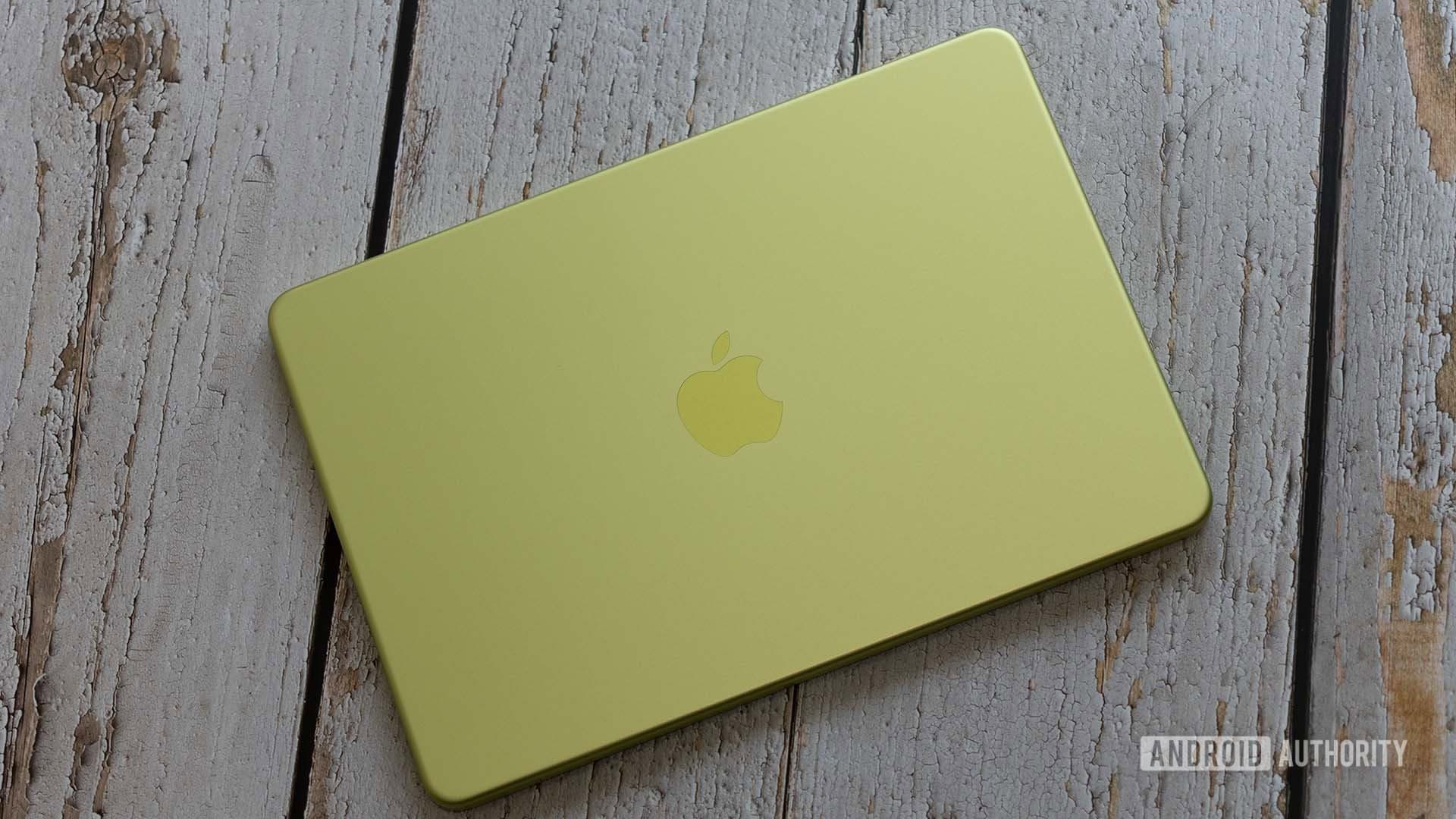
In a tech industry obsessed with benchmarks and top-tier specifications, Apple’s new MacBook Neo and Google’s Pixel 10 series are quietly rewriting the rules. These devices—priced at $599 for the MacBook Neo and starting at $599 for the Pixel 10—aren’t chasing the highest possible performance metrics. Instead, they’re prioritizing what most consumers actually need: smooth performance for everyday tasks, intuitive software, and seamless integration with broader digital ecosystems. For critics who’ve long dismissed Google’s Pixel phones as underpowered and Apple’s lower-end MacBooks as ‘compromised,’ the arrival of these devices signals a fundamental shift. The message is clear: raw power isn’t the only path to success—sometimes, the right experience is enough.
Why the MacBook Neo and Google Pixel Strategy Are Redefining Affordable Tech
For years, tech enthusiasts and critics alike have fixated on hardware specifications as the ultimate measure of a device’s worth. Megahertz, gigabytes, pixel counts—these numbers dominated product reviews and buying guides. But Apple’s $599 MacBook Neo and Google’s Pixel 10 series are challenging that paradigm. Both devices deliberately dial back on raw performance in favor of what matters most to the average user: reliability, ease of use, and ecosystem cohesion. The MacBook Neo, for instance, runs on Apple’s A18 Pro chip—typically found in iPhones—rather than a cutting-edge M-series processor. Similarly, the Pixel 10 relies on Google’s Tensor chip, which lags behind Qualcomm and MediaTek flagships in benchmark scores but excels in delivering fluid software experiences and AI-driven features. This strategy isn’t about catering to power users; it’s about serving the 80% of consumers who prioritize functionality over firepower.
The Rise of the ‘Good Enough’ Revolution in Hardware
The tech industry’s obsession with ‘peak specs’—where devices are engineered to handle tasks far beyond the needs of most users—has reached a tipping point. Consider this: the average American spends over 5 hours per day on their smartphone, primarily for texting, social media, and streaming videos. Rarely do these activities require a processor capable of 4K video rendering or a display with 120Hz refresh rates. Apple and Google have taken note. The MacBook Neo, priced at $599, omits the Liquid Retina XDR display and advanced cooling systems found in pricier MacBook models. Instead, it focuses on delivering a crisp, bright screen, responsive keyboard, and all-day battery life—features that align with how most people actually use laptops. Similarly, the Pixel 10 eschews the multi-lens camera systems and high-refresh-rate displays of its Pro siblings in favor of a simpler, more intuitive user interface and a camera that consistently delivers high-quality photos on the first try. ‘Good enough’ isn’t a compromise; it’s a deliberate design philosophy aimed at meeting real-world needs without unnecessary complexity.
How Apple and Google Are Leveraging Ecosystems to Lock In Users
Neither the MacBook Neo nor the Pixel 10 exists in isolation. Both devices are Trojan horses—gateway products designed to nudge users deeper into their respective ecosystems. Apple and Google understand that the true value of these devices isn’t just in the hardware itself, but in the services and subscriptions that follow. The MacBook Neo, for example, ships with just 128GB of storage, a deliberate limitation that pushes users toward iCloud subscriptions. Similarly, the Pixel 10 starts at 128GB, with the Pixel 10 Pro offering 256GB—a clear incentive for users to upgrade to Google One for additional cloud storage. These strategies aren’t new; Apple has long used iCloud storage caps to encourage subscription uptake, and Google’s Pixel lineup has always been a conduit for services like Google Photos, YouTube Premium, and Google AI Pro. The goal isn’t merely to sell a device; it’s to cultivate lifelong habits. Once users are invested in an ecosystem—whether through iCloud backups, Google Photos storage, or Apple Music subscriptions—the ‘switching cost’ becomes prohibitively high. In this light, the MacBook Neo and Pixel 10 aren’t just affordable devices; they’re strategic plays to ensure customer retention for years to come.
The Chip Conundrum: Why Raw Performance Isn’t Everything
At the heart of the debate between Apple’s A-series chips and Google’s Tensor processors lies a fundamental question: Does raw performance matter if it doesn’t translate to a better user experience? Benchmark scores tell one story—Google’s Tensor chip has consistently lagged behind Qualcomm’s Snapdragon and Apple’s M-series in CPU and GPU performance. Yet, in real-world usage, the differences are often negligible for the average user. The Pixel 10’s Tensor G4 chip, for instance, powers features like Call Assist, Call Screen, and Hold for Me—tools that enhance daily productivity and security. Meanwhile, Apple’s A18 Pro chip in the MacBook Neo may not rival the M3 in the MacBook Air, but it delivers more than enough power for web browsing, document editing, and video streaming. ‘Powerful enough’ is a phrase both companies have embraced. It’s a recognition that most users don’t need a device capable of rendering 8K video or running AAA games at max settings. What they need is a device that feels fast, responsive, and reliable—qualities that transcend raw numbers on a spec sheet.
Google’s Tensor: A Chip Built for Software, Not Benchmarks
Google’s Tensor chip has faced criticism for its performance deficits, but the company’s vertical integration strategy has turned these weaknesses into strengths. Tensor isn’t designed to compete with Qualcomm’s top-tier chips in raw speed; it’s engineered to excel in areas where traditional processors fall short. Features like real-time language translation in Google Translate, advanced call screening, and AI-powered photo editing rely on the chip’s strengths in machine learning rather than sheer computational power. The Pixel 10’s Tensor G4, for example, includes a dedicated AI accelerator that enhances on-device tasks like Magic Editor and Circle to Search. While Qualcomm’s Snapdragon 8 Gen 3 might score higher in synthetic benchmarks, Tensor’s focus on practical, user-centric features has carved out a niche for Google in the smartphone market.
Apple’s A18 Pro: A Mobile Chip’s Surprising Role in a Laptop
Apple’s decision to use the A18 Pro chip—originally designed for the iPhone 16 Pro—in the MacBook Neo is a bold experiment in reusing hardware across product lines. The A18 Pro is a powerhouse in its native environment, but its capabilities in a laptop are less about absolute performance and more about delivering a consistent, lag-free macOS experience. The chip’s efficiency ensures the MacBook Neo remains quiet and cool under load, while its compatibility with macOS means users get the full suite of Apple ecosystem features, from AirDrop to Handoff. It’s a testament to Apple’s ability to maximize the potential of existing hardware, a strategy that aligns perfectly with the MacBook Neo’s mission: to provide a premium-feeling laptop at an accessible price point. Critics may scoff at the idea of a mobile chip in a laptop, but for the average student or casual user, the trade-offs are minimal—and the benefits, like battery life and affordability, are substantial.
The Aesthetic Divide: Fun Colors and Lifestyle Accessories
Apple and Google’s approach to product design extends beyond hardware and software—it’s woven into the very identity of their devices. Google has long embraced vibrant colors for its base Pixel models, reserving muted tones like Obsidian Black for higher-end Pro variants. This isn’t just a stylistic choice; it’s a signal to consumers about who these devices are for. The Pixel 10a, with its cheerful hues, is marketed as a lifestyle accessory, a statement piece for students and young professionals who value personality as much as performance. Apple has adopted a similar strategy with the MacBook Neo, offering it in a range of pastel colors like pink and blue, while the MacBook Pro and MacBook Air stick to more subdued, professional tones. These design choices reflect a broader trend in tech: devices are no longer just tools; they’re extensions of personal identity. For a generation that communicates through memes, filters, and aesthetic preferences, a device’s color can be as important as its specs.
Key Takeaways: Why Experience Beats Specs in Today’s Tech Market
- Apple’s $599 MacBook Neo and Google’s Pixel 10 series prove that seamless user experience and ecosystem integration often outweigh raw hardware specifications for mainstream consumers.
- Both companies are prioritizing ‘good enough’ performance—devices that handle everyday tasks without unnecessary complexity or cost—to appeal to the majority of users who don’t need top-tier power.
- Storage limitations on these devices are strategic, pushing users toward subscription services like iCloud and Google One, which lock them into long-term ecosystems.
- Chips like Google’s Tensor and Apple’s A18 Pro are designed for practical, user-centric features rather than benchmark dominance, reflecting a shift toward real-world utility.
- Vibrant colors and playful designs in base models signal a focus on lifestyle and identity, appealing to younger, more style-conscious consumers.
The Broader Implications: What This Means for the Future of Tech
The success of the MacBook Neo and Pixel 10 series has implications that extend far beyond their individual product lines. It signals a broader industry shift away from the ‘spec wars’ that have defined tech for decades—away from the relentless pursuit of more megahertz, more pixels, and more cores. Instead, we’re entering an era where coherence, reliability, and ecosystem integration take center stage. For consumers, this is a win. It means more affordable devices that actually meet their needs without breaking the bank. For companies, it’s a high-stakes gamble. Apple and Google are betting that users will prioritize seamless experiences and long-term ecosystem loyalty over the allure of cutting-edge specs. If they’re right, we may see a ripple effect across the industry, with more manufacturers following suit and designing products that prioritize practicality over performance porn.
Frequently Asked Questions
Frequently Asked Questions
- Is the MacBook Neo powerful enough for everyday use?
- Yes. The MacBook Neo uses Apple’s A18 Pro chip, which provides more than enough power for web browsing, document editing, video streaming, and light multitasking. Benchmark scores may lag behind M-series chips, but real-world performance is smooth and responsive for most users.
- How does Google’s Tensor chip compare to Qualcomm’s Snapdragon in real-world use?
- Google’s Tensor excels in AI-driven features like call screening, real-time translation, and photo editing, but it lags behind Snapdragon in raw CPU and GPU performance. For most users, the differences are negligible in daily use, though power users or gamers may prefer Qualcomm’s top-tier chips.
- Why do the MacBook Neo and Pixel 10 have limited storage options?
- Limited storage is a deliberate strategy to encourage users to subscribe to cloud services like iCloud or Google One. Apple and Google know that users who run out of local storage will eventually pay for additional cloud space, turning a one-time hardware sale into a recurring revenue stream.