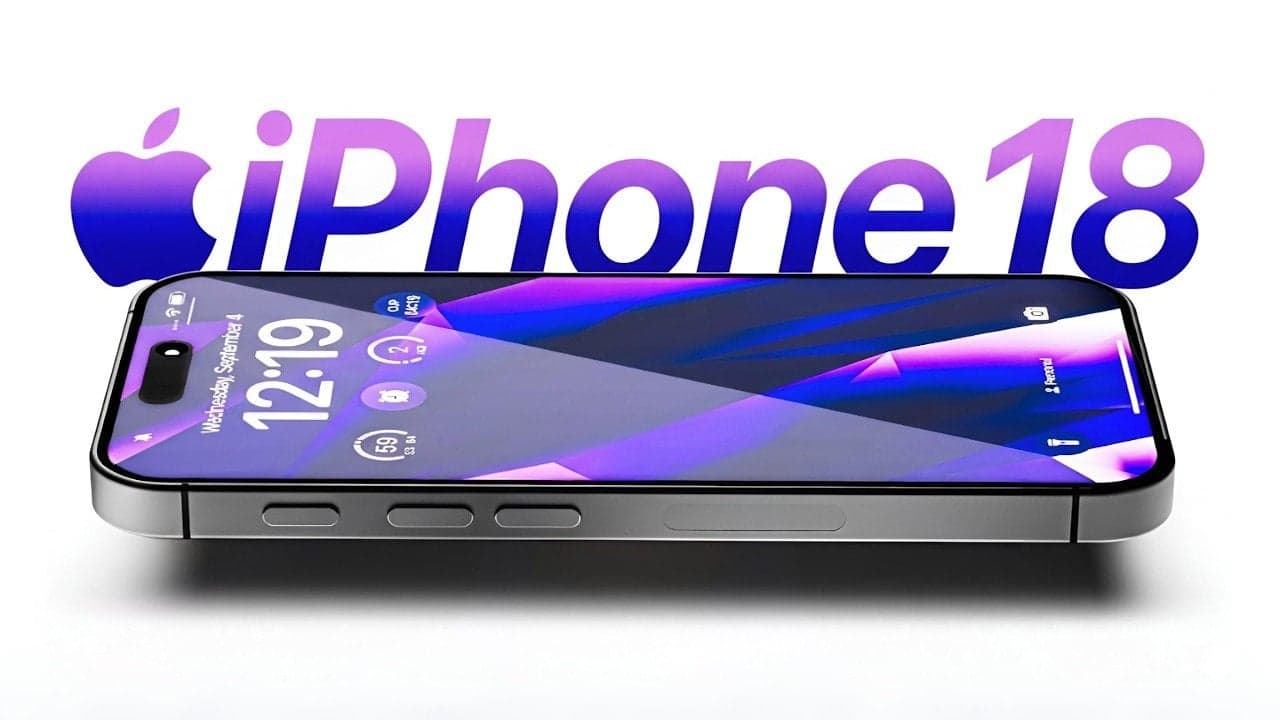
Apple’s upcoming iPhone 18 Pro Max is poised to deliver a refined yet understated evolution of the Pro lineup, according to fresh leaks from industry insiders. Rather than chasing headline-grabbing innovations like under-display Face ID or a dramatically smaller Dynamic Island, the tech giant appears to be prioritizing tangible improvements that address core user frustrations—namely battery life, processing power, and everyday usability. Analysts tracking supply chain and prototype developments suggest the new flagship will retain the Dynamic Island, a signature feature since the iPhone 15 Pro, while postponing the highly anticipated under-display biometric technology. This strategic pivot underscores Apple’s broader philosophy of incremental, reliability-focused enhancements over flashy, unproven leaps—a pattern that has defined its recent product cycles.
Why Apple’s iPhone 18 Pro Max Focuses on Practical Upgrades Over Radical Design Shifts
Apple’s approach to the iPhone 18 Pro Max reflects a deliberate departure from the industry’s recent trend of dramatic redesigns and experimental features. While competitors like Samsung and Google have introduced radical changes—such as foldable displays or under-display cameras—Apple has consistently favored evolutionary improvements that enhance real-world performance. According to reports from analyst Ming-Chi Kuo and supply chain checks, the Cupertino-based company is prioritizing battery longevity, processing efficiency, and thermal management over visual or hardware novelty. This strategy is particularly evident in the device’s retention of the Dynamic Island, a polarizing but functional interface element introduced with the iPhone 14 Pro in 2022. Kuo noted in a recent investor note that Apple’s decision to delay under-display Face ID—an innovation rumored since 2020—stems from persistent challenges in integrating the technology without compromising camera performance or sensor accuracy.
A Slightly Thicker Design Delivers a Major Battery Boost
One of the most tangible enhancements in the iPhone 18 Pro Max is its revised chassis, which measures 8.8 millimeters thick—just 0.05 mm thicker than its predecessor. While this adjustment may seem negligible to casual observers, it represents a critical trade-off for Apple engineers. The additional millimeter of depth allows for a substantially larger battery, estimated by multiple sources to range between 5,100 mAh and 5,200 mAh, up from the iPhone 17 Pro Max’s 4,850 mAh unit. Despite the increased capacity, the device’s total weight is expected to hover around 240 grams, up from the 238 grams of the iPhone 17 Pro Max, a trade-off that analysts argue is justified by the promise of all-day battery life even under heavy usage.
Balancing Form and Function: Why Size Matters
The decision to slightly increase the iPhone 18 Pro Max’s thickness is not arbitrary. Apple’s design teams have long faced a fundamental challenge: how to deliver longer battery life without resorting to external battery packs or sacrificing the sleek profile that defines its premium smartphones. By opting for a marginally thicker device, Apple is able to integrate a higher-capacity battery while maintaining the phone’s overall aesthetic and ergonomic balance. Ming-Chi Kuo, in a recent report for TF International Securities, emphasized that this approach aligns with Apple’s broader strategy of ‘user-centric innovation,’ where practical benefits outweigh cosmetic considerations. The move also reflects lessons learned from previous generations, such as the iPhone 17 Pro Max, where battery life improvements were limited by space constraints.
The A20 Chip: Apple’s Leap to 2nm Processing for Unmatched Efficiency
At the heart of the iPhone 18 Pro Max is the A20 system-on-a-chip (SoC), a groundbreaking processor built using TSMC’s second-generation 2nm process technology. This advanced manufacturing node represents a significant leap over the 3nm process used in the A18 Pro chip found in the iPhone 17 series. According to Apple’s own benchmarks and third-party analyses, the A20 delivers up to 15% faster CPU performance and 30% improved GPU efficiency, all while consuming less power. This efficiency is critical for extending battery life, particularly during resource-intensive tasks such as video editing, real-time ray tracing in games, or running multiple AI-driven applications simultaneously.
How the 2nm Process Translates to Real-World Benefits
The shift to a 2nm process isn’t just a technical milestone—it’s a game-changer for mobile computing. TSMC’s 2nm technology reduces transistor leakage by nearly 40% compared to 3nm, which directly translates to lower power consumption without sacrificing speed. For the iPhone 18 Pro Max, this means that tasks like 4K video recording, AR/VR applications, or prolonged gaming sessions can now be sustained for significantly longer periods. AppleInsider’s analysis of prototype units suggests that the A20 chip’s efficiency gains could extend daily usage by up to two hours under mixed workloads, a substantial improvement over the iPhone 17 Pro Max’s performance.
Display and Dynamic Island: Refining Familiar Features
The iPhone 18 Pro Max will continue to feature a 6.9-inch Super Retina XDR display, maintaining the same screen size as its predecessor. However, Apple is implementing subtle enhancements to brightness, color accuracy, and touch responsiveness. Reports from Display Supply Chain Consultants (DSCC) indicate that the peak brightness could increase to 2,800 nits—a 20% boost from the iPhone 17 Pro Max’s 2,300 nits—making it more comfortable to use in direct sunlight. Meanwhile, the Dynamic Island, a hallmark of the Pro lineup since 2022, will remain unchanged in size, defying expectations of a scaled-down version.
“Apple’s decision to keep the Dynamic Island is a nod to user familiarity and ecosystem integration,” said Carolina Milanesi, president of Creative Strategies. “While some may criticize it as a holdover from the notch era, the Dynamic Island has become a functional part of iOS, housing Face ID sensors, notifications, and even interactive widgets. Rushing to remove it could disrupt the user experience more than the visual trade-off.”
Under-Display Face ID: Why Apple is Playing the Long Game
One of the most anticipated yet elusive features of recent iPhone generations has been under-display Face ID, a technology that would eliminate the front-facing camera notch in favor of a seamless biometric solution. However, multiple sources, including analyst Ross Young and supply chain reports, confirm that Apple has pushed back the introduction of this feature to at least the iPhone 19 cycle. The delay stems from persistent technical hurdles, including sensor placement, optical clarity, and the need to maintain the high bar for biometric security that Apple demands. In a statement to The Verge, a spokesperson for Apple reiterated its commitment to delivering under-display Face ID ‘when it meets our standards for reliability and performance.’
Key Takeaways: What the iPhone 18 Pro Max Leaks Mean for Consumers
- The iPhone 18 Pro Max will retain the Dynamic Island and delay under-display Face ID, focusing instead on practical upgrades like battery life and performance.
- A slightly thicker design (8.8 mm) allows for a 5,100–5,200 mAh battery, promising extended usage without significant weight penalties.
- The A20 chip, built on TSMC’s 2nm process, delivers 15% faster CPU performance and 30% better GPU efficiency while consuming less power.
- Display improvements include a 20% brightness boost to 2,800 nits, enhancing outdoor visibility and color accuracy.
- Apple’s strategy prioritizes reliability and user experience over flashy innovations, a trend likely to continue in future iPhone models.
How Apple’s Strategy Compares to Industry Trends
Apple’s cautious approach to the iPhone 18 Pro Max stands in stark contrast to the rapid iteration seen in other smartphone ecosystems. Samsung, for instance, has aggressively pushed foldable designs and under-display cameras, while Google’s Pixel lineup has experimented with AI-driven features and computational photography. However, Apple’s focus on refining existing technologies rather than chasing trends reflects its long-term strategy of building devices that ‘just work.’ According to Counterpoint Research, Apple’s iPhone upgrades typically focus on incremental improvements in areas like battery life, camera systems, and chip efficiency, which resonate more with its core user base than headline-grabbing but unproven features.
What’s Next for the iPhone Lineup? Speculation and Upcoming Features
While the iPhone 18 Pro Max is shaping up to be a refinement of existing ideas, industry analysts are already speculating about what Apple might introduce in the iPhone 19 series. Rumors suggest that under-display Face ID could finally debut, potentially in a revised form factor that addresses the technical challenges faced in earlier prototypes. Additionally, there are whispers of a ‘ProMotion Ultra’ display with a 120Hz–165Hz adaptive refresh rate, though such a feature would likely be reserved for high-end models. For now, Apple’s focus remains squarely on delivering a device that excels in the fundamentals—battery life, performance, and reliability—setting a high bar for competitors in the premium smartphone segment.
Frequently Asked Questions
Frequently Asked Questions
- Will the iPhone 18 Pro Max have under-display Face ID?
- No, Apple has delayed under-display Face ID, likely until the iPhone 19 series, due to ongoing technical challenges related to sensor placement and biometric accuracy.
- How much larger is the iPhone 18 Pro Max battery compared to its predecessor?
- The iPhone 18 Pro Max is expected to feature a 5,100–5,200 mAh battery, up from the iPhone 17 Pro Max’s 4,850 mAh, representing a roughly 6–7% increase in capacity.
- What is the A20 chip, and how does it improve performance?
- The A20 chip is Apple’s next-generation SoC built on a 2nm process, offering up to 15% faster CPU performance and 30% better GPU efficiency while consuming less power than the A18 Pro chip in the iPhone 17 series.