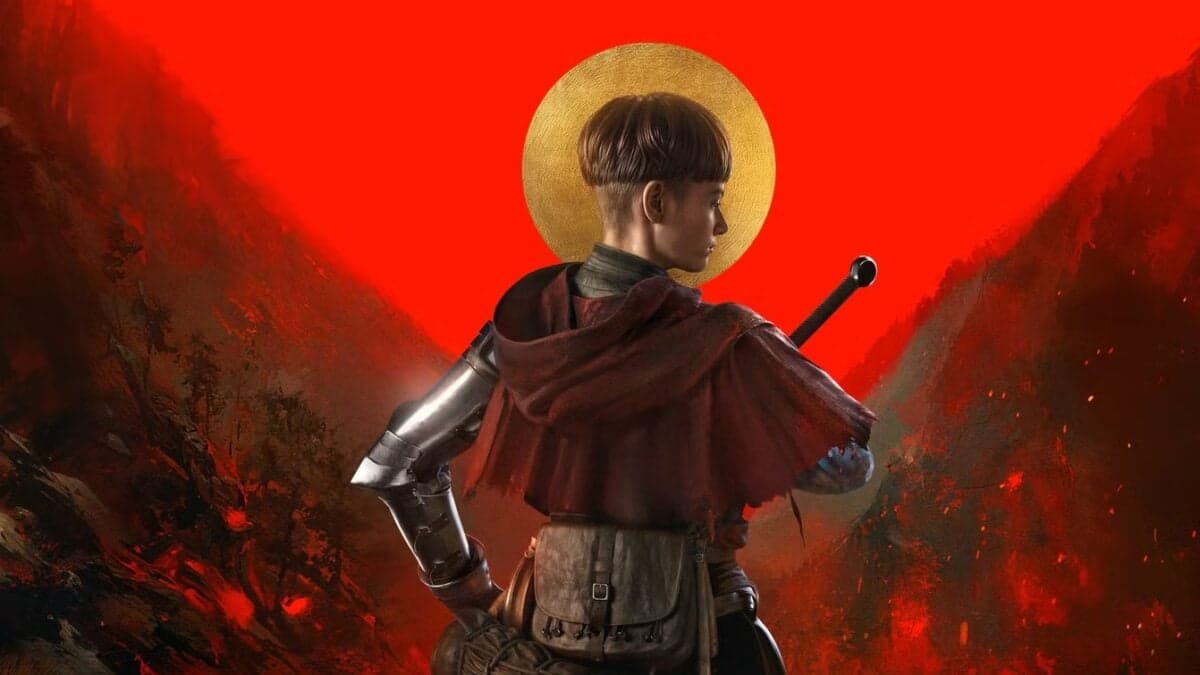
When 1348 Ex Voto, a third-person action-adventure game set in 14th-century Italy, launched on March 12, critics panned it with a 54 Metacritic score. Yet, the game’s 1.1 user score—far worse than its professional reviews—stems not from its gameplay flaws but from an absurd online conspiracy claiming Italian taxpayers funded 'lesbian propaganda' through government grants. The controversy highlights how misinformation distorts discussions about video game funding, LGBTQ+ representation, and government incentives for the creative industries.
- 1348 Ex Voto received €656,131 in Italian tax relief, sparking false claims of government-funded LGBTQ+ propaganda.
- The game’s minimal LGBTQ+ content—including no explicit romantic scenes—was exaggerated by online critics.
- Italy’s Video Games Tax Relief program awards funding based on cultural value, not content themes.
- The controversy reflects broader tensions over LGBTQ+ representation in media and government funding for creative industries.
How a Mediocre Game Became a Target for Online Outrage
1348 Ex Voto, developed by Sedleo and published by Dear Villagers, struggled to impress critics and players alike. Its low Metacritic score and abysmal user rating suggest a game with significant flaws—yet the online furor centered not on its gameplay but on its inclusion of LGBTQ+ themes. The controversy erupted after users discovered the game had received €656,131 (approximately $752,000) in tax credits and grants from the Italian Ministry of Culture’s Video Games Tax Relief program between 2021 and 2024.
The Origins of the Conspiracy
The conspiracy gained traction when X (formerly Twitter) user Pirat_Nation posted, 'Turns out Ex Voto 1348 was funded through the Italian grants system, so Italian taxpayers funded propaganda.' The claim spread rapidly, despite the game’s minimal LGBTQ+ representation. As PCGamesN’s Nat Smith noted, the game features no explicit romantic scenes, let alone 'forced DEI' (Diversity, Equity, and Inclusion) messaging.
Why Italy Funds Video Games—and What the Criteria Actually Are
Italy’s Video Games Tax Relief program, established to boost the domestic gaming industry, awards grants based on cultural value rather than content themes. To qualify, a game must score at least 70 out of 100 points across categories like historical significance, originality, and linguistic diversity. For example, a game based on European heritage earns 15 points, while featuring two European languages (one of which must be Italian) adds 5 more.
Other Games That Received Italian Tax Relief
The program has funded a variety of titles, including Nacon Studio Milan’s TT Isle of Man: Ride on the Edge 3 (€306,352 in 2023) and Ubisoft’s Star Wars Outlaws (€463,045 in 2024). Even Bud Spencer & Terence Hill – Slaps and Beans 2, a game with no LGBTQ+ content, received €52,179 in 2022. These examples underscore that the grants prioritize economic and cultural benefits, not ideological agendas.
The Broader Implications of the Conspiracy
The backlash against 1348 Ex Voto reflects a growing trend of misinformation targeting LGBTQ+ representation in media. Critics often frame inclusive content as 'propaganda,' ignoring historical evidence of queer relationships in medieval Europe. The controversy also highlights the importance of government funding for creative industries, especially as rising development costs threaten smaller studios.
Frequently Asked Questions
Frequently Asked Questions
- Did the Italian government fund 1348 Ex Voto to promote LGBTQ+ themes?
- No. Italy’s tax relief program awards grants based on cultural value, not content themes. The game’s LGBTQ+ representation was minimal and unrelated to funding.
- Why do some critics claim the game is 'propaganda'?
- The claim stems from a misunderstanding of the game’s content and the Italian government’s funding criteria. Critics often conflate LGBTQ+ representation with ideological messaging.
- How does Italy’s tax relief program benefit the gaming industry?
- The program encourages domestic game development by offering financial incentives, creating jobs, and boosting Italy’s creative economy.