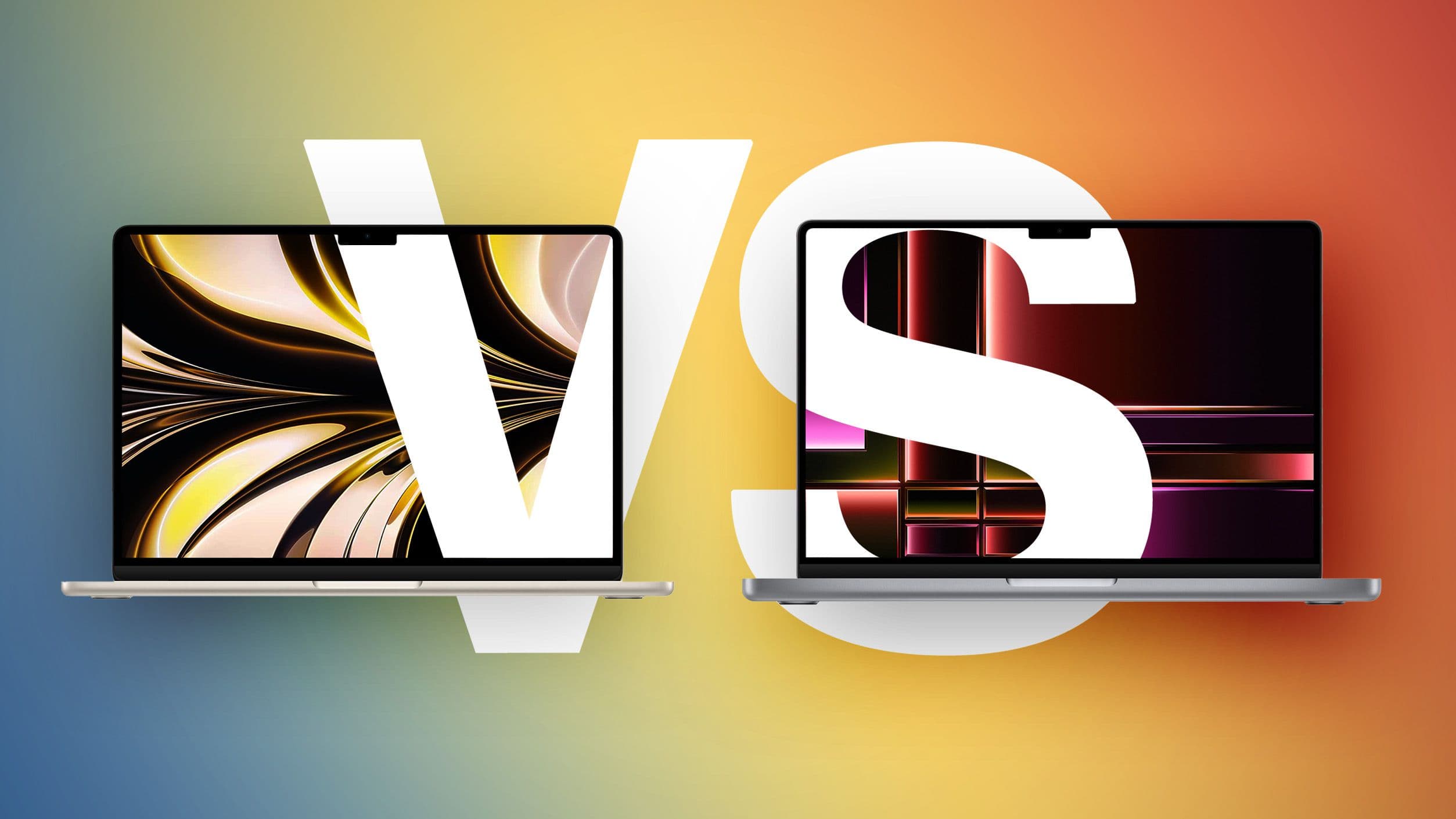
Apple’s latest lineup of Mac laptops has introduced a new tier of affordability with the introduction of the MacBook Neo, while the M5 MacBook Air and Pro continue to dominate the market. The 13-inch MacBook Air now starts at $1,099, while the 15-inch model is priced at $1,299. The 14-inch MacBook Pro, however, requires an additional $300, offering a more robust set of features for users who prioritize performance and longevity. This guide explores the key differences between the two models, helping buyers determine which option aligns with their needs and budget.
M5 Chip Performance: How the M5 Drives the New Mac Laptops
Balanced Power for Everyday Use
Both the M5 MacBook Air and Pro benefit from Apple’s latest M5 chip, which delivers improved efficiency and performance over previous generations. The Air’s M5 chip is sufficient for most tasks, including web browsing, document editing, and light multimedia consumption. However, the Pro model’s M5 Pro chip (available in higher-end configurations) offers enhanced thermal management and sustained performance, making it ideal for users who require extended workloads. The Air’s fanless design, while convenient for portability, can become a limitation in high-intensity tasks like video editing or 3D rendering.
Longevity and Reliability
The MacBook Air’s design prioritizes durability and energy efficiency, with a thin chassis, silent fanless design, and a 12MP Center Stage camera. These features make it a solid choice for users who plan to keep their laptop for several years. In contrast, the Pro model’s active cooling system and expanded I/O options ensure consistent performance even under heavy use. For professionals who require long-term reliability, the Pro’s advanced features and sustained performance make it a more resilient investment.
Pricing and Value: Navigating the M5 Mac Lineup
Affordability vs. Advanced Features
The MacBook Neo, Apple’s new entry-level model, offers the lowest price point at $999, making it ideal for budget-conscious buyers. However, its limitations in performance and expandability make it less suitable for long-term use. The MacBook Air, priced at $1,099 for the 13-inch model, strikes a balance between affordability and capability, while the Pro model’s $1,599 starting price reflects its advanced features. For users who prioritize performance and versatility, the Pro is the clear choice, but the Air remains a strong option for those who need a reliable, portable machine.
Cost-Benefit Analysis for Professionals
For professionals who require sustained performance, the Pro model’s expanded I/O ports, higher-quality speakers, and ProMotion display make it a superior choice. The Pro’s ability to handle intensive tasks like video editing or AI-driven processing without thermal throttling is a significant advantage. However, for users who prioritize portability and budget, the Air’s 18-hour battery life and lightweight design make it a more practical option. The decision ultimately depends on whether the additional $300 is worth the enhanced features and long-term reliability.
Display and Design: The Visual and Physical Differences
Display Quality and Brightness
The 14-inch MacBook Pro features a mini-LED Liquid Retina XDR display with ProMotion, offering higher brightness, contrast, and motion fluidity compared to the Air’s standard Retina display. This makes the Pro model ideal for users who need accurate color representation or work in low-light environments. The Air’s display, while still excellent for general use, is less suited for professional-grade tasks that require precise color calibration.
Physical Design and Portability
The Pro model is noticeably thicker and heavier than the Air, which is a trade-off for its advanced features. The Air’s lightweight design and 12MP Center Stage camera make it a better choice for travel and casual use. However, the Pro’s expanded I/O ports, including HDMI, SDXC, and additional Thunderbolt ports, make it more versatile for professional environments. The Air’s fanless design also ensures quieter operation, which is a benefit for users who value noise-free performance.
Key Takeaways: Choosing the Right Mac Laptop
- The MacBook Air is ideal for budget-conscious users who prioritize portability and energy efficiency.
- The MacBook Pro is best suited for professionals who require sustained performance and advanced features.
- The MacBook Neo is the most affordable option but lacks the performance and expandability of the Air and Pro.
FAQ: Common Questions About M5 MacBook Air vs. Pro
Frequently Asked Questions
- Which model is better for everyday use?
- The MacBook Air is ideal for everyday tasks like web browsing and document editing, while the Pro is better suited for intensive workloads like video editing and 3D rendering.
- Is the Pro worth the extra $300?
- The Pro’s advanced features and sustained performance make it a better long-term investment for users who require reliability and versatility over several years.
- Can the Air be used for professional work?
- The Air is capable of handling most professional tasks, but the Pro’s expanded I/O and advanced display make it the better choice for high-end work environments.