In an unexpected twist, four previously delisted Xbox and Xbox 360 titles—Aegis Wing, Prince of Persia: The Sands of Time, and Mars: War Logs—briefly reappeared on the Xbox Store in early April 2026, reigniting fan speculation about Microsoft’s long-anticipated revival of its Backwards Compatibility Program. The sudden relisting of these games, some of which had been unavailable for over a year, has left gamers and industry observers questioning whether the tech giant is preparing to expand its library of playable legacy titles on modern Xbox consoles—and potentially beyond.
- Four delisted Xbox and Xbox 360 titles briefly reappeared on the Xbox Store in early April 2026.
- The relistings coincide with Microsoft’s revival of its Backwards Compatibility Program and the upcoming launch of Project Helix.
- Industry analysts suggest the errors may signal broader plans to expand backward compatibility to PC and hybrid devices.
- Microsoft has not officially confirmed whether new games will be added to the existing 600+ backwards-compatible titles.
- Project Helix, expected in 2027 or 2028, could enable Xbox games to run on PC and handheld devices like the Xbox Ally.
Why Xbox Backwards Compatibility Matters: A Brief History of Microsoft’s Gaming Legacy
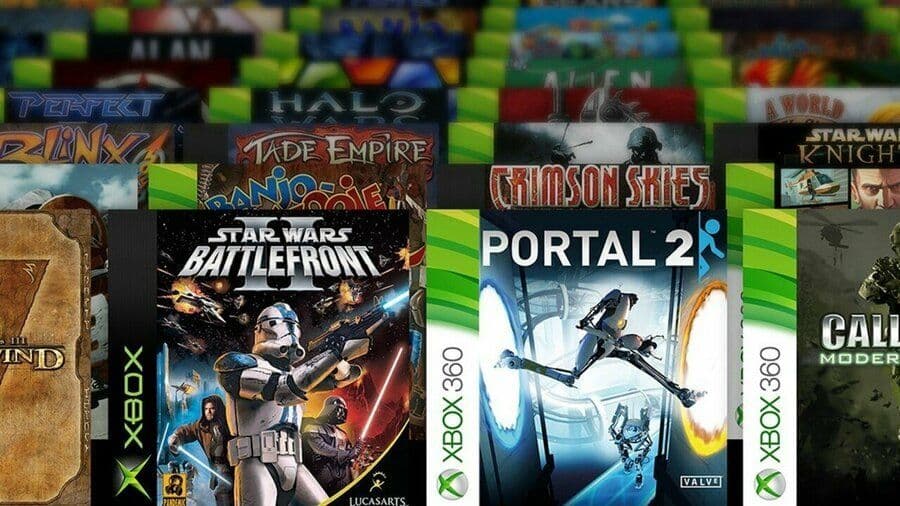
Microsoft’s Backwards Compatibility Program, launched in 2015, represented a turning point for Xbox enthusiasts. Before its introduction, playing older Xbox and Xbox 360 games on modern consoles was nearly impossible without emulation—a process fraught with compatibility issues and legal gray areas. The program allowed players to purchase or digitally own select titles from Microsoft’s digital storefront and play them on Xbox One, Xbox Series X, and Series S consoles through digital emulation technology developed in partnership with the Xbox hardware team. Over the course of six years, Microsoft added more than 600 games to the program, including fan favorites like *Fable II*, *Mass Effect 2*, and *Gears of War 3*. The initiative was widely praised for preserving gaming history and offering players a unified experience across generations of consoles.
The Golden Age of Backwards Compatibility (2015–2021)
During its peak, the Backwards Compatibility Program became one of Microsoft’s most beloved features. It bridged generational gaps, allowing players to continue enjoying their favorite titles without needing to maintain older consoles. The program also had commercial benefits: many players re-purchased older games they already owned physically or digitally, generating additional revenue for Microsoft. The initiative was particularly significant for titles that had been delisted from the Xbox Store due to licensing expirations—such as *Too Human* and *Banjo-Threeie*—which became playable again through the program. However, in 2021, Microsoft abruptly halted new additions to the program, citing licensing and rights management challenges. This decision left hundreds of beloved Xbox 360 and original Xbox titles in limbo, stranded outside the library without a path to backward compatibility.
The Mystery of the Relisted Games: Is Microsoft Preparing a Revival?
The reappearance of delisted games like *Aegis Wing*, *Prince of Persia: The Sands of Time*, and *Mars: War Logs* has sent ripples through the gaming community. While storefront errors are not uncommon—often caused by server-side glitches or misconfigured metadata—these relistings occurred in rapid succession and involved titles with recent delisting histories. *Mars: War Logs*, for example, was quietly removed from the Xbox Store in late 2025 without public announcement, leaving many players confused about its availability. Such errors typically last only a few hours before being corrected, as was the case here. But the timing of these events has led to widespread speculation that Microsoft may be testing a limited rollout of new backward-compatible titles, possibly in preparation for a formal announcement.
These aren’t isolated incidents. The fact that four titles reappeared in such a short window suggests something more deliberate is happening. Whether it’s a technical preview, a content pipeline test, or a soft launch of new additions to the Backwards Compatibility Program, the signs point to movement.
Beyond Consoles: How Project Helix Could Redefine Backward Compatibility
While the immediate focus is on Xbox consoles, Microsoft’s long-term strategy appears to extend backward compatibility far beyond its dedicated hardware. In October 2025, the company announced that it would bring an "Xbox mode" to Windows 11 PCs starting in March 2026—a feature designed to allow players to stream or run Xbox games directly on PC. This initiative, codenamed Project Helix, is expected to launch in 2027 or 2028 and represents a major evolution in Microsoft’s gaming ecosystem. Project Helix is rumored to be a hybrid platform combining cloud streaming, local emulation, and enhanced controller support, enabling Xbox and Xbox 360 games to run natively on Windows PCs and handheld devices like the upcoming Xbox Ally.
Xbox Ally and the Future of Handheld Gaming
The Xbox Ally, a Windows-based handheld gaming device expected to release in late 2026, could become a primary platform for backward-compatible games. Unlike traditional handhelds, the Ally runs a full Windows 11 environment optimized for Xbox gaming. If Project Helix includes native support for backward compatibility, players could potentially play *Halo: Combat Evolved*, *Psychonauts*, or *Viva Piñata* on the go—something currently impossible without physical discs or complex emulation setups. This would mirror Sony’s PS5’s limited backward compatibility but with a much broader scope, thanks to Microsoft’s PC-centric approach.
Licensing Hurdles and Why Microsoft Stopped in 2021
Microsoft’s decision to pause new additions to the Backwards Compatibility Program in 2021 was not made lightly. The primary obstacle was licensing. Many Xbox 360 and original Xbox titles were developed by third-party studios, and rights to publish or emulate those games often rested with publishers, not Microsoft. For example, *Perfect Dark Zero* and *Crackdown* required separate agreements with their publishers to be included. Additionally, some games utilized middleware or proprietary engines that were no longer supported, making emulation technically unfeasible. Microsoft also faced challenges with digital rights management (DRM) and anti-piracy measures, which complicated the emulation of games purchased through the Xbox Store. These issues forced Microsoft to reevaluate its approach, leading to a temporary halt in new additions.
What’s Next for Xbox Gamers? Possible Scenarios and Fan Hopes
Gamers remain hopeful that Microsoft will not only revive the Backwards Compatibility Program but expand it significantly. Among the most requested titles are *Star Wars: Knights of the Old Republic*, *Fable: The Lost Chapters*, *Dragon Age: Origins*, and *Viva Piñata*. Many of these games have been delisted from digital storefronts due to licensing expirations, leaving players with no legal way to play them on modern hardware. Microsoft’s recent actions—including the relisting of delisted games and the introduction of Xbox mode on Windows—suggest that a broader revival is in motion. However, the company has not provided official confirmation. In a statement released in March 2026, a Microsoft spokesperson said only that the company was "exploring new ways to play" older Xbox titles, without specifying whether new games would be added to the existing library.
The Role of Xbox Game Pass in the Backward Compatibility Revival
Xbox Game Pass, launched in 2017, has become a cornerstone of Microsoft’s gaming strategy. The service offers access to hundreds of games, including many older titles that have been added to the Backwards Compatibility Program. If Microsoft expands backward compatibility, Game Pass could serve as the primary distribution and access platform for these games, allowing subscribers to stream or download them at no additional cost. This would mirror the approach taken by Xbox Game Pass Ultimate, which already includes cloud streaming for many Xbox One titles. A backward compatibility expansion could also strengthen Game Pass’s value proposition, making it a one-stop shop for gaming history.
Industry Reactions: Analysts Weigh In on Microsoft’s Strategy
Industry analysts see Microsoft’s recent moves as part of a broader push to unify its gaming ecosystem across consoles, PCs, and cloud. Major Nelson, a prominent Xbox community manager, acknowledged the relistings in a tweet but declined to comment on their significance. Analysts from firms like Newzoo and IDC suggest that Microsoft is positioning itself for a major announcement at an upcoming event, possibly tied to E3 2026 or a dedicated Xbox showcase. "Microsoft is clearly testing the waters," said Dr. Lisa Chen, senior gaming analyst at IDC. "The relisting of delisted games is a low-risk way to gauge player reaction before making a formal commitment."
How to Check if Your Favorite Old Xbox Game Is Backwards Compatible
For gamers eager to see if their favorite titles have been added to the Backwards Compatibility Program, Microsoft maintains an official list on its support website. Players can also check the Xbox Store by searching for a game and looking for a "Backwards Compatible" badge. Alternatively, the Xbox app on Windows 11 includes a library section that filters games by compatibility status. However, with the program currently paused, updates have been rare. The recent relistings have caused some confusion, as games that were previously delisted may briefly reappear without being playable on modern consoles.
What Gamers Can Do While They Wait
In the absence of official updates, gamers can take several steps to preserve their access to older titles. Purchasing physical copies of Xbox 360 games, which are region-free and compatible with all Xbox consoles, remains the most reliable method. Alternatively, players can use third-party emulators like Xenia or CXBX-Reloaded for Xbox 360 games, though these require technical knowledge and may not offer the same performance as Microsoft’s emulation. Microsoft also encourages players to keep their digital purchases active and to store game files on external drives to prevent loss in case of delisting.
The Broader Implications for Gaming Preservation
Microsoft’s Backwards Compatibility Program has been praised as a model for digital preservation in gaming. Unlike physical media, which can degrade or become unplayable due to hardware limitations, digital emulation allows older games to be preserved and enjoyed for decades. The revival of this program could set a precedent for other publishers, encouraging them to invest in similar initiatives. It also highlights the importance of digital rights management and licensing agreements in preserving gaming history. As more games are delisted from digital storefronts, the need for robust backward compatibility solutions grows.
Conclusion: A Glimmer of Hope for Xbox Legacy Games
While the reappearance of delisted Xbox 360 titles on the Xbox Store remains unexplained, the timing and context strongly suggest that Microsoft is preparing to revive and expand its Backwards Compatibility Program. Whether this expansion includes new games, broader platform support, or a combination of both, the potential benefits for gamers are immense. From preserving gaming history to enabling play on PC and handheld devices, Microsoft’s next moves could redefine how players experience their favorite titles across generations. For now, fans can only wait—and hope that the next official announcement brings good news.
Frequently Asked Questions
- Which Xbox 360 games recently reappeared on the Xbox Store?
- Four delisted titles briefly relisted in early April 2026: Aegis Wing, Prince of Persia: The Sands of Time, Mars: War Logs, and an unconfirmed fourth game mentioned in social media posts.
- Will more Xbox 360 games become backwards compatible soon?
- Microsoft has not confirmed new additions, but the relistings and recent hints about "new ways to play" suggest a revival of the Backwards Compatibility Program is likely in development.
- Can I play Xbox 360 games on a Windows 11 PC now?
- Starting in March 2026, Xbox mode on Windows 11 allows players to stream or run Xbox games. Project Helix, expected in 2027–2028, may enable native backward compatibility on PC and handhelds.