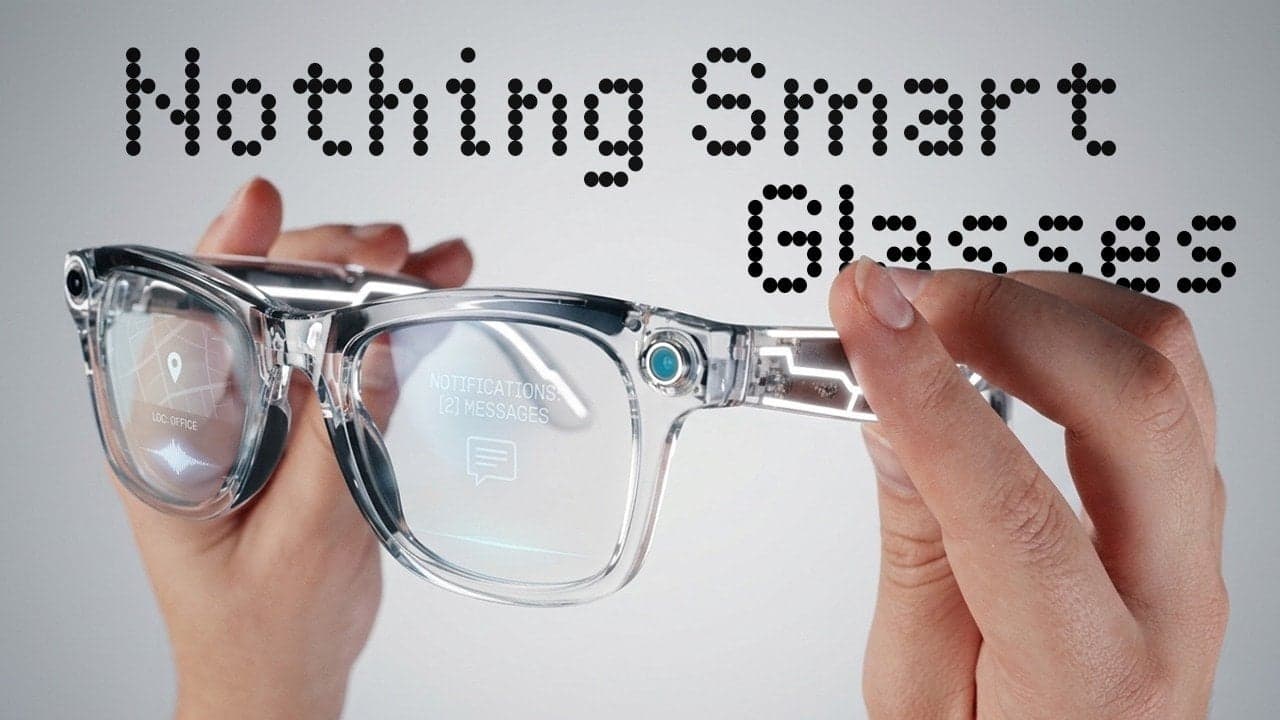
London-based consumer tech innovator Nothing is poised to disrupt the wearables market with its upcoming AI-powered smart glasses, slated for a 2027 debut. The company, founded by ex-Bose and OnePlus executive Carl Pei, is taking direct aim at the dominance of Meta’s Ray-Ban Stories and Samsung’s expanding portfolio of smart eyewear by prioritizing minimalist design, smartphone-centric functionality, and competitive pricing. Unlike standalone AR headsets such as Apple Vision Pro, Nothing’s approach leverages the processing power of paired smartphones to deliver augmented reality overlays, real-time notifications, and hands-free communication—all while maintaining a featherweight frame and all-day comfort.
- Nothing’s AI smart glasses are scheduled for release in 2027, positioning the brand in a rapidly growing $50 billion wearable tech market.
- The device integrates cameras, microphones, and speakers but relies on smartphone processing to stay lightweight and energy-efficient.
- Competing against Meta, Samsung, and rising Chinese brands, Nothing emphasizes minimalist design, signature glyph lighting, and accessible pricing.
- By offloading heavy computation to smartphones, the glasses aim to deliver premium AR features without the bulk of standalone devices.
Why Nothing’s AI Smart Glasses Could Be a Game-Changer in the Wearable Tech Space
The global smart glasses market is projected to expand from $3.2 billion in 2023 to over $10 billion by 2027, according to data from Grand View Research. Within this crowded arena, Meta (formerly Facebook) has established a strong foothold with its Ray-Ban Stories, which combine fashion-forward design with voice assistant integration and audio recording. Samsung, meanwhile, is rumored to be developing next-generation smart glasses with holographic displays and deeper Android integration. Chinese brands like Rokid and Nreal have carved out a significant share in the budget segment, offering AR experiences at lower price points. Against this backdrop, Nothing’s entry is less about reinventing the wheel and more about reshaping the user experience through thoughtful design and ecosystem synergy.
A Strategic Pivot from Smartphones to Smart Eyewear
Founded in 2020 by Carl Pei and Tobias Ljunggren, Nothing emerged as a challenger to Apple and Samsung with its emphasis on transparency, simplicity, and community-driven design. The company first made waves with the Nothing Phone (1) in 2022, which featured a unique glyph interface and a transparent back design—an aesthetic that has since become a signature of its brand identity. This design philosophy now extends to the AI smart glasses, where Nothing aims to blend aesthetic appeal with functional ergonomics. Pei has emphasized in recent interviews that wearable technology should be 'invisible'—integrated seamlessly into daily life without drawing attention or causing discomfort.
How Smartphone Integration Defines the Smart Glasses Experience
Unlike standalone AR headsets such as the Meta Quest or Apple Vision Pro, which rely on internal processors, Nothing’s smart glasses are expected to function as peripheral displays and input devices. According to industry analysts at Counterpoint Research, this approach can reduce the weight of the glasses by up to 40% while extending battery life significantly. The smartphone acts as the computational engine, running AI models for object recognition, voice processing, and AR rendering. This design choice not only lowers manufacturing costs but also allows Nothing to deliver high-end features—such as real-time translation, navigation overlays, and AI-powered photo capture—without requiring complex onboard hardware.
Key Features Anticipated in the AI Smart Glasses
- Dual high-resolution cameras for photo and video capture with AI stabilization and low-light enhancement.
- Bone conduction speakers and dual microphones for crystal-clear calls and voice commands via Google Assistant or Nothing’s custom AI assistant.
- Glyph lighting system—a signature Nothing design element—used for notifications, battery status, and visual feedback without obstructing the user’s view.
- Augmented reality overlays for navigation, social media feeds, and interactive widgets, all streamed from the connected smartphone.
- Lightweight titanium or magnesium alloy frame with adjustable nose pads and temple tips for personalized comfort.
By making the glasses dependent on the smartphone, we’re not just reducing weight and cost—we’re creating a more intelligent system where the device learns from your habits and adapts over time. This is the future of wearables: not standalone computers, but extensions of what you already carry in your pocket. — Carl Pei, Co-founder and CEO of Nothing (interview with The Verge, March 2024)
Design Philosophy: Merging Nothing’s Signature Aesthetic with Wearable Practicality
Nothing has cultivated a distinct visual identity centered on translucency, symmetry, and user-centric functionality. The glyph lighting system—first introduced on the Nothing Phone (1)—uses an array of LEDs to create ambient notifications, battery alerts, and visual cues without traditional screen glare. In the smart glasses, this feature could double as a subtle indicator for incoming calls, messages, or navigation directions, ensuring users remain aware of their surroundings. The frame design is expected to draw inspiration from luxury eyewear, with a focus on rounded edges and thin bezels to reduce bulkiness.
Balancing Style and Substance in Everyday Wear
For smart glasses to achieve mainstream adoption, they must be as comfortable to wear for eight hours as they are stylish in a business meeting or casual outing. Nothing’s engineering team has reportedly conducted ergonomic studies using pressure-sensitive molds and real-time user testing to refine the fit. Early prototypes suggest a weight target of under 50 grams—lighter than most sunglasses—to prevent fatigue during prolonged use. The inclusion of prescription lens compatibility is also under consideration, which would expand the potential user base beyond tech enthusiasts to include those with vision correction needs.
Pricing Strategy: Can Nothing Make Smart Glasses Affordable Without Sacrificing Quality?
Current smart glasses on the market range widely in price: Meta’s Ray-Ban Stories retail between $150 and $299, while higher-end models like the Vuzix M4000 can exceed $2,000. Chinese brands such as XReal offer AR glasses starting at $500, targeting developers and early adopters. Nothing has signaled its intent to position its AI smart glasses in the $300 to $500 range—a strategic middle ground that balances affordability with premium perception. This pricing tier would place it directly between Meta’s consumer-focused offerings and the more technical devices aimed at developers and enterprises.
The Risks and Rewards of a Competitive Pricing Model
A mid-range price point could broaden appeal, particularly among younger consumers and lifestyle users who value design and integration over raw performance. However, pricing too aggressively could undermine the brand’s premium positioning, especially given Nothing’s existing association with high-quality electronics. The company may also explore subscription models for advanced AI features, cloud storage, or premium app integrations—a strategy similar to that used by Apple and Sonos to monetize software beyond hardware.
The Broader Implications for the Smart Glasses Market
The success of Nothing’s AI smart glasses could signal a major shift in how consumers interact with augmented reality. By decoupling processing power from the device itself, the company is aligning with a broader industry trend toward cloud-connected wearables. Analysts at IDC predict that by 2026, over 60% of smart glasses will rely on companion apps or cloud processing—a move that reduces hardware complexity and accelerates software updates. This model also opens the door for Nothing to integrate with its existing ecosystem, including the Nothing Ear (a) and Nothing Phone (3), creating a cohesive digital experience across devices.
Challenges Ahead: Will Consumers Embrace AR-Enabled Eyewear?
Despite the hype surrounding AR, consumer adoption of smart glasses has been slow due to factors like limited battery life, social stigma, and unclear use cases beyond novelty. A 2023 survey by Deloitte found that only 12% of U.S. consumers had tried smart glasses, with privacy concerns cited as a top barrier. Nothing’s strategy to mitigate these issues includes robust privacy controls, on-device processing for sensitive data, and a focus on ‘ambient computing’—where the technology fades into the background of daily life. The brand has also emphasized that the glasses will prioritize passive use cases, such as notifications and audio feedback, over active AR experiences that require constant attention.
What’s Next for Nothing and the Wearable Tech Ecosystem
With a launch window of late 2026 to early 2027, Nothing is in a critical phase of development. The company has begun filing patents for novel camera placements, audio transmission methods, and energy-efficient display technologies. Industry insiders suggest that a beta testing program may launch in late 2025, targeting select developers and content creators to refine the user experience. Analysts at Counterpoint Research believe that if Nothing succeeds in delivering a comfortable, stylish, and functionally integrated device, it could pressure Apple and Samsung to rethink their own wearable strategies—particularly in the AR glasses category, where Apple’s Vision Pro and rumored Apple Glasses remain niche and expensive.
Frequently Asked Questions
- How will Nothing’s AI smart glasses differ from Meta’s Ray-Ban Stories?
- While both devices are lightweight and designed for everyday wear, Nothing’s glasses are expected to rely heavily on smartphone processing to deliver AR overlays and AI features, whereas Meta’s Ray-Ban Stories are more focused on audio capture, voice commands, and social sharing. Nothing also emphasizes minimalist design and a unique glyph lighting system as key differentiators.
- Will the glasses have prescription lens compatibility?
- Nothing has not officially confirmed prescription lens support, but industry reports and patent filings suggest the feature is under development. This would significantly expand the potential user base beyond tech enthusiasts to include those with vision correction needs.
- What is the expected battery life of the AI smart glasses?
- Exact battery specifications have not been disclosed, but given the reliance on smartphone processing, the glasses themselves are likely to have a small internal battery focused on standby and low-power tasks. The primary power source will be the connected smartphone, with the glasses designed to operate efficiently through extended use.