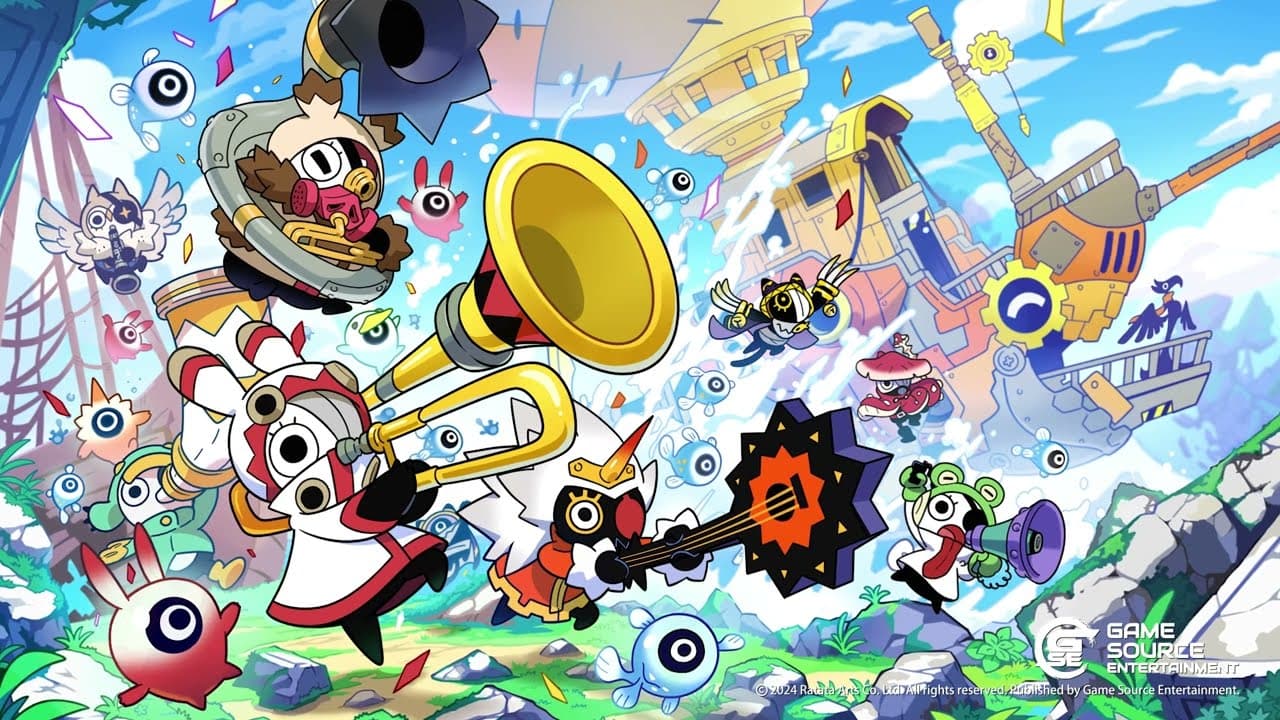
In a move that has left many backers disappointed, the indie multiplayer action game Ratatan has officially cancelled its Nintendo Switch version, citing prohibitive licensing fees and a strategic pivot toward next-generation platforms. The announcement, delivered via an update on the game’s official Kickstarter page, follows months of speculation after the game’s initial showcase in an Indie World presentation earlier this year. While a Nintendo Switch 2 version was teased during this reveal, the absence of the original Switch build has now been explained—and the developers have framed it as a necessary sacrifice for quality and financial feasibility.
- Ratatan’s Nintendo Switch and PS4 versions have been officially cancelled due to unsustainable licensing fees and limited projected sales.
- The game will launch exclusively on Nintendo Switch 2, PS5, Xbox Series X, and Steam on July 16, 2026.
- Developers emphasized the need to focus resources on fewer platforms to ensure 'maximum quality' for the full online multiplayer experience.
Why Ratatan’s Nintendo Switch Version Was Cancelled: Licensing Fees and Strategic Priorities
The decision to drop support for legacy hardware—specifically the Nintendo Switch and PlayStation 4—stems from a sobering financial reality: the projected revenue from those platforms would not cover the licensing and development costs required to bring Ratatan to market on them. In a detailed statement shared on the Kickstarter page, the development team, in collaboration with publisher Game Source Entertainment, explained that the licensing fees for older consoles were simply too high relative to the expected return on investment. For an independent studio, such costs can balloon into the tens or even hundreds of thousands of dollars, especially when factoring in certification, compliance, and compatibility testing across multiple legacy systems.
The Cost of Console Licensing: A Barrier for Indie Developers
Indie game development is a high-risk, high-reward endeavor, but licensing fees for major console platforms can pose existential threats to smaller studios. Nintendo, Sony, and Microsoft each charge licensing fees for developers to publish games on their platforms. While these fees are generally lower for indie titles through programs like Nintendo’s Indie World or Sony’s ID@PS4 initiative, they still represent a significant upfront cost—especially when multiplied across multiple legacy platforms. According to industry estimates, licensing for a single console can cost between $5,000 and $20,000, with additional fees for multi-platform releases. For Ratatan’s team, the math simply didn’t add up when weighed against the anticipated sales volume on the Nintendo Switch and PS4.
‘In deciding the best way to use limited money to make a full online title, sometimes you have to prioritize different platforms,’ the team wrote. ‘After lengthy discussions with our publisher Game Source Entertainment, we have decided that the projected number of units we could sell for legacy hardware would not justify the licensing fees necessary to complete those SKUs.’ This candid admission underscores a harsh truth in the modern gaming landscape: even well-funded indie projects must make tough choices about where to deploy finite resources.
From Multi-Platform Ambition to Next-Gen Focus: The Evolution of Ratatan’s Release Plan
Ratatan’s journey began as a Kickstarter project with broad platform ambitions, aiming to reach as many players as possible across PC and consoles. The game was highlighted in Nintendo’s Indie World Showcase in early 2025, where a Nintendo Switch 2 version was announced, but the original Switch version was notably absent. This omission sparked early confusion, but the Kickstarter update has now clarified the developer’s trajectory. The team has confirmed that Ratatan will launch exclusively on four platforms: Nintendo Switch 2, PlayStation 5, Xbox Series X, and Steam. This marks a significant narrowing of scope, a strategic shift that prioritizes quality, performance, and long-term player experience over broad accessibility.
Why Switch 2? The New Console’s Role in Ratatan’s Future
The Nintendo Switch 2, slated for release in late 2025, represents a key pillar in Ratatan’s new release strategy. As the spiritual successor to the original Switch, the Switch 2 promises enhanced hardware capabilities, including improved processing power, better online infrastructure, and support for modern multiplayer features—all of which align closely with the game’s full online requirements. By targeting the Switch 2, the developers are ensuring that Ratatan can leverage the console’s advanced hardware and software ecosystem, delivering smoother gameplay, faster matchmaking, and more stable connections. This decision also reflects the realities of the console market, where older hardware generations are increasingly seen as less viable for new multiplayer titles due to fragmentation and declining user bases.
What About PS4 and Original Switch Players? Potential Workarounds and Support Options
For the many backers who invested in Ratatan with the hope of playing it on their Nintendo Switch, PlayStation 4, or PC via older systems, the news has been met with disappointment. The developers have acknowledged this sentiment, stating, ‘We know there are a lot of backers who looked forward to this on their platform of choice and we are deeply sorry for being able to do everything.’ However, they have also indicated that they are exploring ‘support ticket options’ to evaluate whether alternative solutions—such as backward compatibility, cloud gaming, or future ports—might be feasible. While no concrete plans have been announced, the team has committed to continuing dialogue with the community to explore possibilities.
The Broader Implications for Indie Game Development and Console Strategy
Ratatan’s cancellation of its Switch and PS4 versions is more than just a setback for its backers—it’s a microcosm of a growing trend in the gaming industry. As hardware cycles shorten and development costs rise, indie studios are increasingly forced to make difficult trade-offs between platform reach and project sustainability. This trend is particularly pronounced in multiplayer titles, where online functionality requires robust backend infrastructure, regular updates, and long-term server support—all of which are easier to manage on fewer, more modern platforms.
The Rise of Platform Fragmentation and Its Impact on Indie Studios
The gaming landscape is more fragmented than ever, with active players spread across multiple generations of consoles, handhelds, and PCs. According to data from the NPD Group, the Nintendo Switch remains the best-selling console of the 2020s, but its user base is aging alongside the hardware. Meanwhile, PlayStation 4 sales have plateaued, and Xbox Series X|S adoption is growing but still lags behind legacy systems. For indie developers, this fragmentation creates a dilemma: do they chase the largest possible audience, even if it means higher costs and diluted quality, or do they focus on a smaller set of platforms where they can deliver a polished, high-performance experience?
Ratatan’s decision reflects the latter approach—a recognition that, for a full online game, quality and stability are paramount. By limiting its platform scope, the team hopes to avoid the pitfalls that have plagued other multiplayer titles, such as server shutdowns, poor optimization, or inconsistent performance. This strategy mirrors that of successful indie multiplayer games like *Sea of Stars* and *PlateUp!*, which prioritized a select few platforms to ensure a seamless player experience.
What’s Next for Ratatan? A Timeline and Community Response
Looking ahead, Ratatan’s development team has set a firm launch date: July 16, 2026. This timeline provides a clear roadmap for backers and the broader gaming community, though it also underscores the lengthy development cycle for modern indie titles, particularly those with ambitious online features. The team has emphasized that this delay is not merely a result of the platform pivot but also reflects the complexities of building a full online multiplayer experience from scratch.
Community Reaction: Disappointment Meets Understanding
The response from the gaming community has been mixed. While some players expressed frustration over the cancellation of the Switch and PS4 versions, others have rallied behind the developers’ decision, acknowledging the financial and logistical challenges of supporting multiple legacy platforms. On Reddit and Kickstarter comment threads, many backers have called the move ‘pragmatic’ and ‘necessary,’ even as they mourn the loss of access on their preferred devices. One Kickstarter backer wrote, ‘I get it—licensing costs are brutal, and no one wants a half-baked online game. I’d rather wait for a great experience than play a broken one.’ Such sentiments reflect a growing maturity in the gaming community’s understanding of the economics of game development.
Lessons for Indie Developers: Balancing Ambition and Feasibility
Ratatan’s story serves as a cautionary tale—and a case study—for indie developers navigating the modern gaming landscape. The challenges faced by the team highlight the importance of early platform strategy, realistic financial planning, and clear communication with backers and players. For studios considering multi-platform releases, the Ratatan experience underscores the need to evaluate licensing costs, hardware trends, and player demographics before committing to a release plan.
Key Strategies for Indie Studios in 2025 and Beyond
- Focus on a core set of platforms where your game can shine, rather than spreading resources thin across legacy systems.
- Engage with your community early and transparently about platform decisions to manage expectations and build trust.
- Leverage next-generation hardware features and modern online infrastructure to enhance gameplay and longevity.
- Consider alternative distribution models, such as cloud gaming or backward compatibility, to extend reach without incurring high licensing fees.
The Future of Ratatan: Beyond the Switch and PS4
While the original platform plans for Ratatan have been scrapped, the game’s future remains bright. By focusing on next-generation consoles and PC, the developers are positioning Ratatan for long-term success in a market that increasingly values performance, stability, and player experience. The July 2026 launch date provides ample time to refine the game’s online systems, optimize performance, and build hype within the community. Additionally, the developers’ commitment to exploring ‘support ticket options’ for legacy platform users offers a glimmer of hope for those who may still want to experience Ratatan on their older devices—whether through future ports, emulation, or other technical workarounds.
Conclusion: A Strategic Pivot or a Missed Opportunity?
Ratatan’s decision to cancel its Nintendo Switch and PS4 versions is a stark reminder of the financial and technical hurdles that indie developers face in today’s gaming ecosystem. While the move may disappoint some players, it reflects a pragmatic approach to game development—one that prioritizes quality, stability, and long-term viability over broad accessibility. As the gaming industry continues to evolve, stories like Ratatan’s will become increasingly common, challenging both developers and players to rethink how we define success in the world of video games.
Frequently Asked Questions
- Will Ratatan ever come to the original Nintendo Switch?
- The developers have not ruled out future versions for the original Switch but have stated they are exploring ‘support ticket options’ to evaluate possibilities. No official plans have been announced.
- Why did Ratatan cancel its PlayStation 4 version?
- The team cited unsustainable licensing fees and low projected sales for legacy hardware. The costs of bringing Ratatan to PS4 did not justify the financial investment for the indie studio.
- When will Ratatan be released?
- Ratatan is scheduled to launch exclusively on Nintendo Switch 2, PS5, Xbox Series X, and Steam on July 16, 2026. This timeline reflects the team’s focus on next-generation platforms.