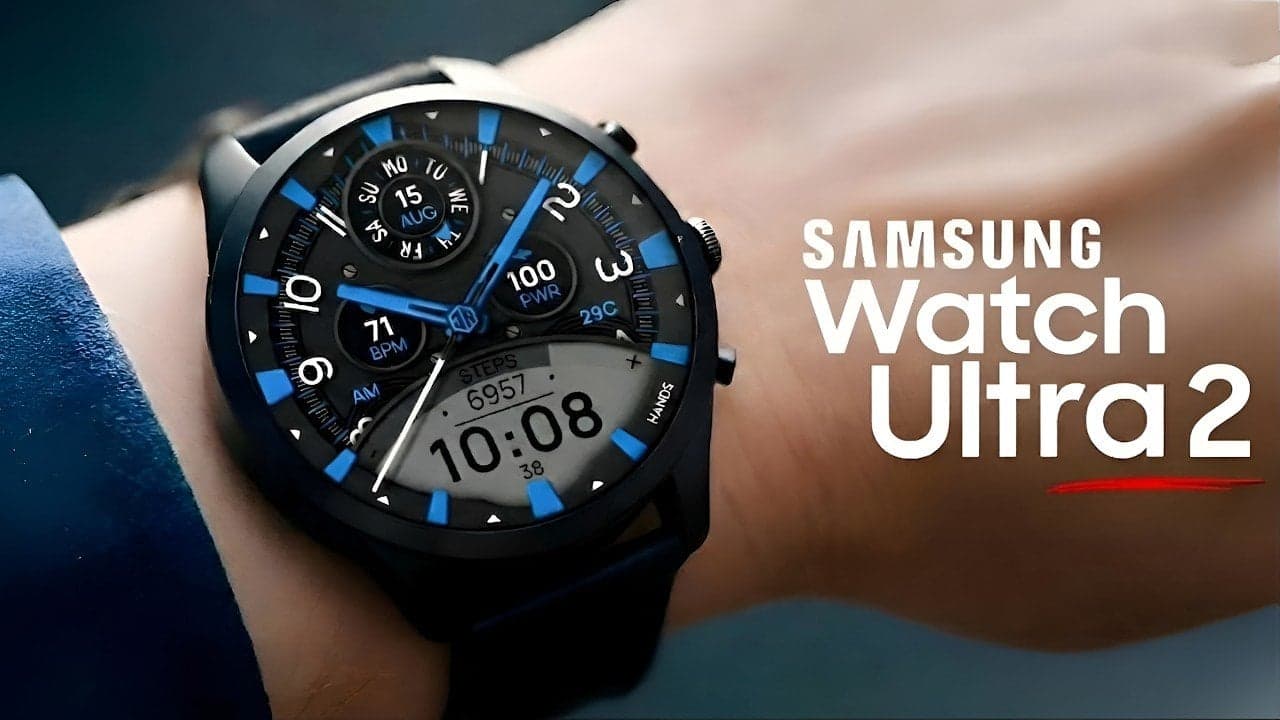
Samsung is poised to disrupt the smartwatch market with the Galaxy Watch Ultra 2, its first wearable to feature full 5G connectivity. Scheduled for a summer 2026 release, this premium device will enable standalone calls, media streaming, and internet browsing without requiring a paired smartphone. As tech giants like Apple and Google push the boundaries of wearable technology, Samsung’s latest offering raises critical questions about performance, battery life, and market positioning.
How 5G Connectivity Transforms Smartwatch Independence
The Galaxy Watch Ultra 2 marks a significant milestone in Samsung’s wearable lineup by introducing comprehensive 5G support. This feature allows users to stream music during workouts, send messages on the go, and access apps directly from their wrist—all without relying on a smartphone or Wi-Fi. Samsung has confirmed this capability will remain exclusive to the Ultra series, distinguishing it from standard models like the Galaxy Watch 9.
Why 5G Matters for Smartwatches
5G’s ultra-low latency and high-speed connectivity address long-standing limitations of smartwatches, such as delayed notifications and buffering during media playback. For fitness enthusiasts and professionals, this means seamless integration of health tracking data with cloud services, real-time coaching, and uninterrupted entertainment. However, the trade-off for this performance boost is increased battery consumption—a challenge Samsung must optimize through hardware and software advancements.
Qualcomm’s Snapdragon Elite Chip: The Engine Behind the Ultra 2
Powering the Galaxy Watch Ultra 2 is Qualcomm’s Snapdragon Elite chip, designed to integrate 5G while enhancing overall performance. This chipset supports faster data processing, smoother multitasking, and quicker app launches. Samsung’s partnership with Qualcomm underscores its commitment to delivering a premium user experience, though competitors like Apple have already leveraged similar technology in their wearables.
Battery Life: The Unresolved Challenge
While 5G promises transformative capabilities, its power demands pose a significant hurdle for wearable devices. Samsung is expected to address this through next-generation battery technology and intelligent power management systems. Early reports suggest the Ultra 2 may feature adaptive battery optimization, dynamically adjusting performance based on usage patterns to extend battery life during 5G use.
Competing in a Crowded Market: Samsung’s Strategy
Samsung’s move into 5G smartwatches comes as Apple and Google dominate the market with their own 5G-enabled wearables. The Apple Watch Series 9, for example, offers robust health tracking and seamless iPhone integration, while Google’s Pixel Watch leverages AI-driven features. To stand out, Samsung must emphasize unique selling points beyond connectivity, such as advanced health monitoring, customizable interfaces, and ecosystem integration with Galaxy smartphones.
Pricing and Target Audience
The Galaxy Watch Ultra 2 is positioned as a premium offering, likely priced higher than standard models. This aligns with Samsung’s strategy of catering to tech enthusiasts and professionals who prioritize cutting-edge features. Meanwhile, the Galaxy Watch 9 will continue to serve budget-conscious consumers, ensuring Samsung maintains a competitive presence across price tiers.
What to Expect at the 2026 Launch
The Ultra 2’s summer 2026 debut coincides with Samsung’s broader product launches, including foldable smartphones and additional smartwatch models. This synchronized release strategy aims to maximize market impact and highlight the synergy between Samsung’s devices. Analysts predict the Ultra 2 could set new benchmarks for smartwatch performance, though its success will hinge on addressing battery life concerns and delivering innovative features.
- The Galaxy Watch Ultra 2 will be Samsung’s first smartwatch with full 5G connectivity, enabling standalone calls and streaming.
- Powered by Qualcomm’s Snapdragon Elite chip, it promises faster performance and smoother multitasking.
- Battery optimization remains a critical challenge, with Samsung expected to introduce adaptive power management.
- The device competes directly with Apple’s 5G smartwatches, requiring Samsung to differentiate through unique features.
- Launching in summer 2026, it will be part of Samsung’s broader lineup of premium wearables and smartphones.
Frequently Asked Questions
Frequently Asked Questions
- Will the Galaxy Watch Ultra 2 work without a smartphone?
- Yes, the Ultra 2’s 5G connectivity allows for standalone calls, streaming, and app usage without a paired smartphone. However, some features may still require a connection to a Galaxy device for full functionality.
- How does the Snapdragon Elite chip improve performance?
- The Snapdragon Elite chip enhances the Ultra 2’s processing speed, multitasking capabilities, and 5G integration, resulting in faster app launches and smoother overall performance compared to previous models.
- What makes the Ultra 2 different from the standard Galaxy Watch 9?
- The Ultra 2 is Samsung’s premium offering, featuring 5G connectivity and advanced hardware, while the Galaxy Watch 9 targets budget-conscious users with essential smartwatch features at a lower price point.