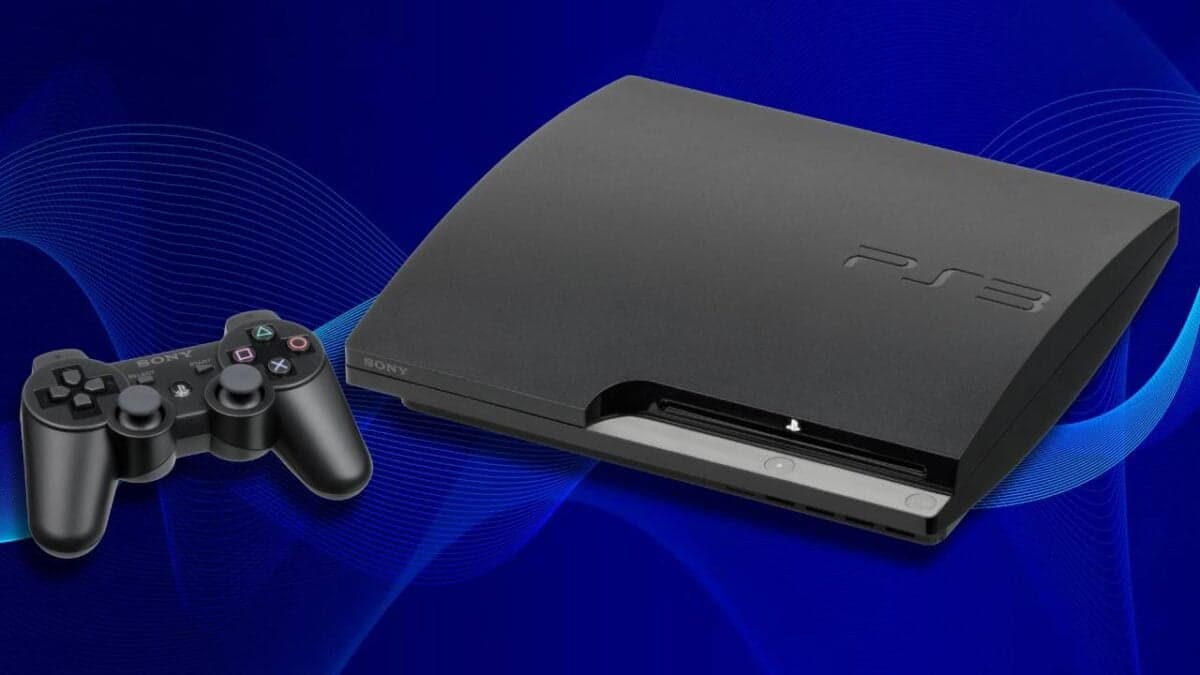
In an era when digital rights management (DRM) and hardware obsolescence increasingly threaten the longevity of video games, Sony quietly rolled out a critical firmware update for the PlayStation 3—a 19-year-old console released in 2006. On [insert exact date if available, otherwise use "recently"], Sony pushed out system software update 4.93, its first patch in a full year, with a deceptively simple changelog: *"This system software update improves system performance."* Beneath the innocuous wording, however, lies a deliberate update to the PlayStation 3’s Blu-ray drive encryption keys, a move that both preserves the console’s ability to play physical media and disrupts the very community of enthusiasts who have kept the system alive through custom firmware (CFW) modifications. The dual-edged nature of this update underscores the broader tensions between corporate control over hardware longevity and the grassroots efforts to preserve video game history before it’s lost to time.
Why the PlayStation 3 Update 4.93 Matters: Preservation vs. Corporate Control
The PlayStation 3, launched in North America on November 17, 2006, was a technological powerhouse in its day, featuring a complex Cell microprocessor architecture and pioneering Blu-ray playback capabilities. Yet despite its historical significance, Sony has long since moved on to newer hardware—first the PlayStation 4 in 2013, followed by the PlayStation 5 in 2020. The company’s decision to continue supporting the PS3 through annual firmware updates is not merely sentimental; it reflects a practical necessity. Blu-ray discs, which were the console’s primary storage medium in 2006, rely on AACS (Advanced Access Content System) encryption to prevent piracy. Over time, these encryption keys degrade or become obsolete, rendering older physical media unplayable unless the keys are updated. Update 4.93 fulfills this role, ensuring that owners of original PS3 Blu-ray discs can continue to access their libraries without interruption.
The Hidden Cost: How the Update Disrupts Jailbroken Consoles
While the update’s preservation benefits are clear for unmodified consoles, its impact on the modding community is far more contentious. For years, hackers have exploited vulnerabilities in the PS3’s firmware to install custom firmware (CFW), enabling features like homebrew applications, emulation of other consoles, and the ability to play backups of games—often referred to euphemistically as "back-up games" or "archival copies" within modding circles. The most popular CFW solution in recent years, PS3HEN (PlayStation 3 Homebrew Edition), allowed users to bypass Sony’s restrictions without permanently modifying the console’s hardware.
This is a constant game of cat and mouse, as the modders quickly update their tools to crack the latest encryption keys, but the logic is that it slows things down and puts people off using the exploits. This, again, makes corporate sense for new devices, but feels perhaps somewhat vindictive when applied to otherwise long-abandoned ones.
Update 4.93 disrupts this ecosystem by patching the very exploits that CFW relies on. Once installed, the update blocks firmware exploits from functioning, effectively neutralizing PS3HEN and similar tools. This doesn’t just prevent piracy—it also cuts off access to homebrew software, which includes preservation tools like emulators for older PlayStation consoles, archival utilities, and even fan translations of games no longer commercially available. For modders, the solution is temporary: they will inevitably reverse-engineer the new encryption keys and release updated CFW versions. Until then, however, users with jailbroken consoles are left in limbo, unable to use their modified systems without risking bricking their devices by attempting to downgrade.
The Moral Dilemma: Preservation vs. Piracy in the Context of Abandoned Hardware
The conflict between Sony’s update and the modding community raises ethical questions that sit at the intersection of copyright law, corporate responsibility, and digital preservation. On one side, Sony’s DRM policies are designed to protect intellectual property and ensure revenue streams, even for hardware long past its prime. On the other, the modding community argues that the primary purpose of jailbreaking an old console like the PS3 is not piracy but preservation—keeping games and software accessible long after they’ve disappeared from store shelves.
The Case for Preservation
Video game preservation is a growing concern in the industry. According to the Video Game History Foundation, as many as 87% of classic video games are considered "critically endangered" due to lost source code, defunct publishers, or hardware failures. Physical media like PS3 Blu-ray discs are often the last remaining copies of these games. While digital storefronts like the PlayStation Store have offered some solace—allowing users to re-download purchased titles—the reality is that many PS3 games are no longer available for purchase, and Sony has not committed to a comprehensive library preservation program. In this context, keeping physical media playable is not just about convenience; it’s about safeguarding cultural heritage.
The modding community has played an outsized role in this effort. Tools like PS3HEN have enabled users to dump and archive PS3 game discs, create backups, and even develop homebrew applications that extend the console’s functionality. For example, the PS3 has become a platform for preserving PlayStation 2 and original PlayStation games through emulation, ensuring that titles like *Shadow of the Colossus* or *Metal Gear Solid* remain playable long after their original hardware has failed.
The Corporate Perspective: DRM and the Lifecycle of Hardware
From Sony’s perspective, the update is a pragmatic response to a technical necessity. AACS encryption keys are not static; they are designed to expire periodically to prevent widespread piracy of new Blu-ray releases. When a key expires, any exploit that relied on it ceases to function. This is a standard practice in DRM, intended to slow down piracy and protect revenue from newer releases. The fact that these updates also disrupt CFW for an old console is, in Sony’s view, an unintended but acceptable side effect. The company has not publicly commented on the update’s impact on modding, but its silence speaks volumes about where corporate priorities lie.
The Legal Gray Area: EULAs, Copyright, and the Right to Repair
The legality of jailbreaking a console like the PS3 is a murky subject. End User License Agreements (EULAs), which users agree to when setting up a PlayStation 3, explicitly prohibit modifications to the system software. However, the enforceability of these agreements is hotly debated. Courts have not definitively ruled on whether EULAs can override copyright law protections for repair or modification, particularly in cases involving abandoned hardware. The Digital Millennium Copyright Act (DMCA) in the U.S. includes exemptions for certain types of circumvention, such as jailbreaking for the purpose of interoperability or archival use, but these exemptions are narrow and often require legal challenges to enforce.
This legal ambiguity has led to a culture of risk-taking within the modding community. Users who jailbreak their consoles do so knowing that they may void warranties or face potential legal consequences, though prosecutions for personal use are rare. For preservationists, the risk is often justified by the greater good of keeping games accessible. As one modder, who requested anonymity, put it: *"If Sony won’t preserve these games, someone has to. The law is a tool, not a moral compass."
The Broader Implications: What This Means for Game Preservation and Consumer Rights
The PS3 update 4.93 is more than just a technical footnote; it is a microcosm of larger debates about the rights of consumers, the responsibilities of hardware manufacturers, and the future of digital preservation. As gaming hardware becomes increasingly locked down—with DRM, online authentication requirements, and proprietary formats—users are finding it harder to maintain control over the devices they own. This is particularly true for consoles, which have historically been less repairable than other electronics due to restrictive warranties and tamper-proof designs.
The Role of Emulation and Digital Archives
While Sony’s update may frustrate PS3 modders, it also underscores the importance of alternative preservation methods, such as emulation and digital archives. Projects like the Internet Archive’s Console Living Room and the PS3-specific preservation efforts by groups such as *PS3 Preservation Team* aim to catalog and distribute ROMs and disc images legally where possible. However, these efforts are often hamstrung by copyright enforcement and the lack of clear legal frameworks for archival distribution.
The Consumer’s Dilemma: To Update or Not to Update
For the average PS3 owner, the choice is straightforward: install the update to keep physical games playable and avoid potential security risks from running outdated firmware. For modders and preservationists, however, the decision is fraught with complications. Installing update 4.93 means losing access to CFW tools until a new exploit is discovered, which could take weeks or even months. Those who rely on homebrew for preservation must weigh the benefits of updated Blu-ray support against the loss of functionality. Some may choose to stay on version 4.92 indefinitely, accepting the risk of potential incompatibilities with future Blu-ray releases.
The Future of Console Preservation: Lessons from the PS3
The PlayStation 3’s situation offers a cautionary tale for both consumers and the gaming industry. As consoles become more integrated with cloud services and proprietary ecosystems, the ability to preserve and modify hardware becomes increasingly limited. Sony’s decision to support the PS3 with firmware updates is commendable in one sense, but its DRM policies ultimately prioritize corporate control over consumer agency. The gaming industry has a responsibility to consider the long-term preservation of its back catalog, whether through official re-releases, digital archives, or policies that explicitly allow modification for archival purposes.
- Sony’s PS3 update 4.93 updates Blu-ray encryption keys, ensuring physical media remains playable but disrupting jailbroken consoles.
- The update highlights the tension between DRM policies and grassroots preservation efforts, particularly for abandoned hardware.
- Modders argue that jailbreaking is essential for preserving games no longer commercially available, while Sony prioritizes anti-piracy measures.
- The legal and ethical implications of console modification remain unresolved, with no clear framework for archival use.
- The PS3’s situation underscores the need for industry-wide solutions to game preservation before more titles are lost to time.
Frequently Asked Questions About PS3 Update 4.93 and Game Preservation
Frequently Asked Questions
- What does PS3 update 4.93 do?
- Update 4.93 patches the PlayStation 3’s Blu-ray drive encryption keys to ensure compatibility with newer discs, but it also disables firmware exploits used by custom firmware (CFW) like PS3HEN. For unmodified consoles, the update keeps physical games playable.
- Is it illegal to jailbreak a PS3?
- Jailbreaking a PS3 violates the console’s End User License Agreement (EULA), but the practice exists in a legal gray area. While personal use is rarely prosecuted, the DMCA’s exemptions for archival purposes are narrow and often require legal challenges to enforce.
- How can I preserve PS3 games if I can’t mod my console?
- Owners of unmodified PS3s can create digital backups of their Blu-ray discs using tools like PS3 Disc Dumper, though this requires a jailbroken console. Alternatively, users can rely on official re-releases, emulation, or digital storefronts where available.