The 2026 PAX East convention in Boston was a landmark event for the gaming industry—not for the video games on display, but for the trading card games (TCGs) that dominated the show floor. While video game booths like Poly Fighter and Canvas City drew interest, the real buzz centered on two groundbreaking TCGs: a new game based on the cyberpunk dystopia of *Cyberpunk 2077* and *Riftbound*, a card game set in the universe of *League of Legends*. For attendees like this reporter, the shift from traditional video games to TCGs was palpable, with packed booths, sold-out demos, and record-breaking crowdfunding campaigns marking a turning point for an industry long dominated by *Magic: The Gathering* and *Pokémon*.
Why TCGs Are Overtaking Video Games at Conventions Like PAX East
The rise of TCGs at PAX East 2026 wasn’t an anomaly—it reflected broader industry trends. Major franchises are increasingly leveraging their intellectual property (IP) to launch TCGs, attracting both hardcore fans and newcomers to tabletop gaming. Unlike traditional video games, which often require significant time investments and expensive hardware, TCGs offer a lower barrier to entry. Players can start with a starter deck for under $20 or even try free digital versions. This accessibility, combined with the social and competitive aspects of TCGs, has made them a compelling alternative to video games for many attendees.
The Allure of Franchise IP in TCGs
Franchise-based TCGs like *Cyberpunk 2077 TCG* and *Riftbound* benefit from pre-existing fanbases, which reduces the marketing costs traditionally associated with launching a new game. For *Cyberpunk 2077 TCG*, the appeal was immediate: players already familiar with the game’s neon-drenched dystopia could now engage with its world through a strategic card-based format. The Kickstarter campaign for the game shattered records, becoming the most-funded game in Kickstarter history with over $11 million raised in its first month. Amy “Amazonian” Demicco, a prominent TCG content creator, attributed part of its success to the trust fans place in established IPs. “As someone who has been burned by Kickstarter games never shipping out physical products, I think that part of the success of this fundraising is that it’s tied to a major IP and company, so it’s more likely to deliver,” she explained.
*Riftbound*, developed by Riot Games, took a different approach by introducing players to the *League of Legends* universe through a simplified card game. Unlike traditional TCGs with hundreds of cards, *Riftbound* started with a streamlined set of mechanics and a smaller card pool, making it easier for beginners to learn. Nala Wu, a developer with no prior TCG experience, was drawn to the game after becoming a fan of the *League of Legends* champion Renata Glasc. “Renata is exactly the type of character I like,” Wu said, describing her as “a hot, evil woman.” Their journey from casual player to deck-building enthusiast at PAX East highlighted how franchise IP can act as a gateway to TCGs.
The Cyberpunk 2077 TCG Phenomenon: Record-Breaking Kickstarter and First Impressions
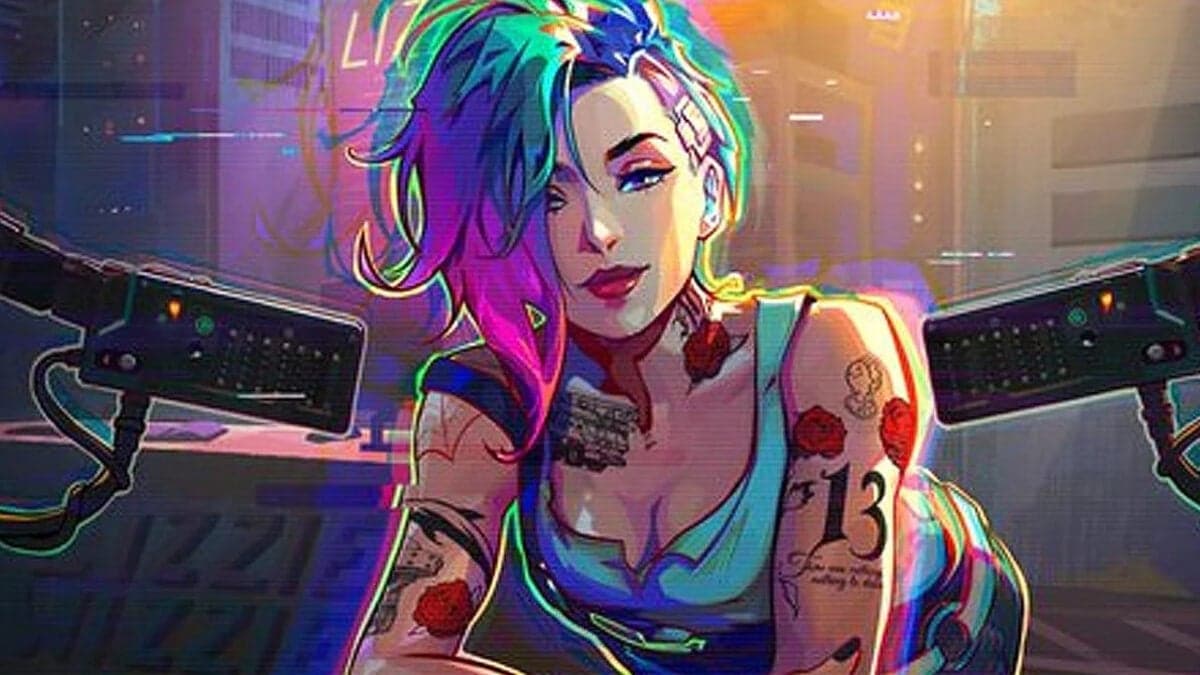
The *Cyberpunk 2077 TCG* booth at PAX East was a hub of activity, with attendees lining up to play demo matches and examine the game’s sleek, neon-themed cards. The developers, CD Projekt Red, positioned the game as a faithful adaptation of the tabletop RPG mechanics from the original *Cyberpunk 2020* game, updated with modern TCG design principles. Players could expect to encounter familiar elements like "programs," "gigs," and "legends," all reimagined for a compact tabletop experience. The Kickstarter’s success wasn’t just about hype—it also reflected a broader trend of nostalgia-driven resurgences in gaming. The original *Cyberpunk 2077* game, despite its rocky launch in 2020, had cultivated a dedicated fanbase eager to revisit its world in a new format.
How the Cyberpunk TCG Adapts the Game’s Lore to a New Medium
Unlike traditional TCGs that rely on expansive card sets with complex interactions, the *Cyberpunk 2077 TCG* emphasizes narrative-driven gameplay. Each card represents a character, item, or event from the game’s universe, and matches often revolve around completing "gigs" or overcoming challenges inspired by the video game’s storyline. The game’s art style, featuring the gritty, cyberpunk aesthetic familiar to fans, further reinforced its authenticity. For many attendees, the opportunity to play as iconic characters like Kerry Eurodyne—a fan-favorite shotcaller from the video game—added a layer of immersion that generic TCGs lack.
“The Cyberpunk TCG isn’t just another card game—it’s a love letter to the fans who’ve waited decades for a proper tabletop adaptation of the Cyberpunk universe.” — Amy “Amazonian” Demicco, TCG content creator
Riftbound: How League of Legends Is Winning Over TCG Newcomers
*Riftbound* arrived at PAX East as one of the most anticipated TCG releases of 2026, thanks to its association with *League of Legends*, one of the most-played video games in the world. Developed by Riot Games, the same studio behind *League of Legends*, *Riftbound* was designed to be accessible to both veterans and newcomers. Its ruleset is intentionally streamlined, with a focus on fast-paced gameplay and strategic deck-building. The game’s success at the convention was evident: attendees queued up for hours to participate in Sealed Deck events, where they could draft pre-selected packs and compete in 32-player tournaments.
The Appeal of Simplified TCG Mechanics
Traditional TCGs like *Magic: The Gathering* can be intimidating for newcomers due to their steep learning curves and massive card libraries. *Riftbound* circumvented this issue by launching with a curated set of cards and mechanics that emphasized fun over complexity. Players could quickly grasp the basics of card types, abilities, and match objectives, making it an ideal entry point for those curious about TCGs. The game’s lightweight design also made it a hit in social settings, where players could enjoy quick matches between panels or in hotel lobbies after convention hours.
The Broader TCG Landscape: Magic, Crossovers, and the Rise of Niche Games
While *Riftbound* and the *Cyberpunk TCG* grabbed headlines at PAX East, they weren’t the only TCGs making waves. *Magic: The Gathering*, the 30-year-old juggernaut of the TCG world, continued to dominate with its latest expansions, including *Secrets of Strixhaven* and the highly sought-after *Edge of Eternity* set. The game’s publisher, Wizards of the Coast, has increasingly leaned into IP crossovers, collaborating with franchises like *Marvel*, *Star Wars*, and *The Hobbit* to attract new players. However, this strategy hasn’t been without controversy. Some longtime *Magic* players have criticized the influx of crossovers as a sign of the game’s “Fortnite-ification”—a shift away from its strategic roots toward mass-market appeal.
The Debate Over Crossover Fatigue in Magic: The Gathering
The debate over *Magic: The Gathering*’s crossover strategy reflects a larger tension in the TCG industry. On one hand, these crossovers introduce casual players to the game, expanding its audience. On the other, purists argue that they dilute the game’s depth and alienate long-time fans. Demicco, who has been playing *Magic* for over a decade, acknowledged the mixed reception. “Magic is wild with IP crossovers,” she said. “Some are stinkers—looking at you, Spider-Man—but plenty of new players are attracted because their favorite franchises are involved. It’s a double-edged sword.”
The Role of One Piece and Other Franchise TCGs
Beyond *Cyberpunk* and *League of Legends*, other franchise-based TCGs are gaining traction. The *One Piece TCG*, based on the beloved manga and anime series, has seen a surge in popularity, particularly in regions where the franchise has a strong following. Its success underscores the global appeal of franchise TCGs, which can leverage existing fanbases to drive engagement. At PAX East, conversations about the *One Piece TCG* were ubiquitous, with attendees sharing strategies and deck-building tips, further evidence of the genre’s expanding reach.
The Economic Impact: Scalpers, Resale Markets, and the High Cost of Hype
The TCG boom at PAX East wasn’t without its drawbacks. Secondary markets for rare cards and expansions flourished, with scalpers selling marked-up packs of sought-after sets like *Edge of Eternity* for hundreds of dollars. Demicco noted that the resale market had become a double-edged sword for the industry. “There’s lots of people involving themselves in card games as scalpers,” she said. “Gotta take the good with the bad.” For newcomers, the high cost of entry—whether through starter decks, booster packs, or tournament fees—could be a barrier to long-term engagement.
Key Takeaways: Why the TCG Renaissance Matters
- Franchise-based TCGs like *Cyberpunk 2077 TCG* and *Riftbound* are leveraging established IPs to attract new players, leading to record-breaking Kickstarter campaigns and sold-out convention demos.
- The accessibility of TCGs—with lower costs and simpler mechanics—makes them an appealing alternative to traditional video games, particularly for casual players.
- *Magic: The Gathering*’s crossover strategy is expanding its audience but also sparking debates about the game’s identity and whether it’s losing its strategic depth.
- The secondary market for TCGs is booming, with rare cards and expansions fetching high prices, creating both opportunities and barriers for new players.
- Conventions like PAX East are increasingly becoming hubs for TCG culture, with dedicated spaces for tournaments, demos, and community building.
The Future of TCGs: What’s Next for the Genre?
The TCG renaissance at PAX East 2026 is just the beginning. With major publishers like CD Projekt Red, Riot Games, and Wizards of the Coast investing heavily in new releases, the genre is poised for continued growth. However, challenges remain, particularly around sustainability and inclusivity. As the market becomes more crowded, developers will need to balance innovation with accessibility to retain both newcomers and veteran players. For now, though, the signs are promising. The success of *Cyberpunk 2077 TCG* and *Riftbound* suggests that TCGs are no longer a niche interest but a mainstream entertainment medium with the potential to rival video games in popularity.
Frequently Asked Questions
Frequently Asked Questions
- What made the Cyberpunk 2077 TCG Kickstarter so successful?
- The Kickstarter raised over $11 million by tapping into the pre-existing fanbase of *Cyberpunk 2077*, offering a novel way to engage with the game’s world. The association with a major IP reassured backers that the project was more likely to deliver on its promises compared to independent Kickstarter campaigns.
- How does Riftbound differ from traditional TCGs like Magic: The Gathering?
- Riftbound features streamlined mechanics and a smaller card pool, making it easier for beginners to learn. Unlike *Magic*, which has hundreds of cards with complex interactions, *Riftbound* focuses on fast-paced, narrative-driven gameplay that prioritizes accessibility over depth.
- Why are TCGs becoming more popular at gaming conventions?
- TCGs offer a lower-cost, social alternative to video games, with quicker gameplay and less reliance on expensive hardware. Their resurgence at conventions like PAX East reflects a broader trend of franchises expanding into new mediums to engage fans.