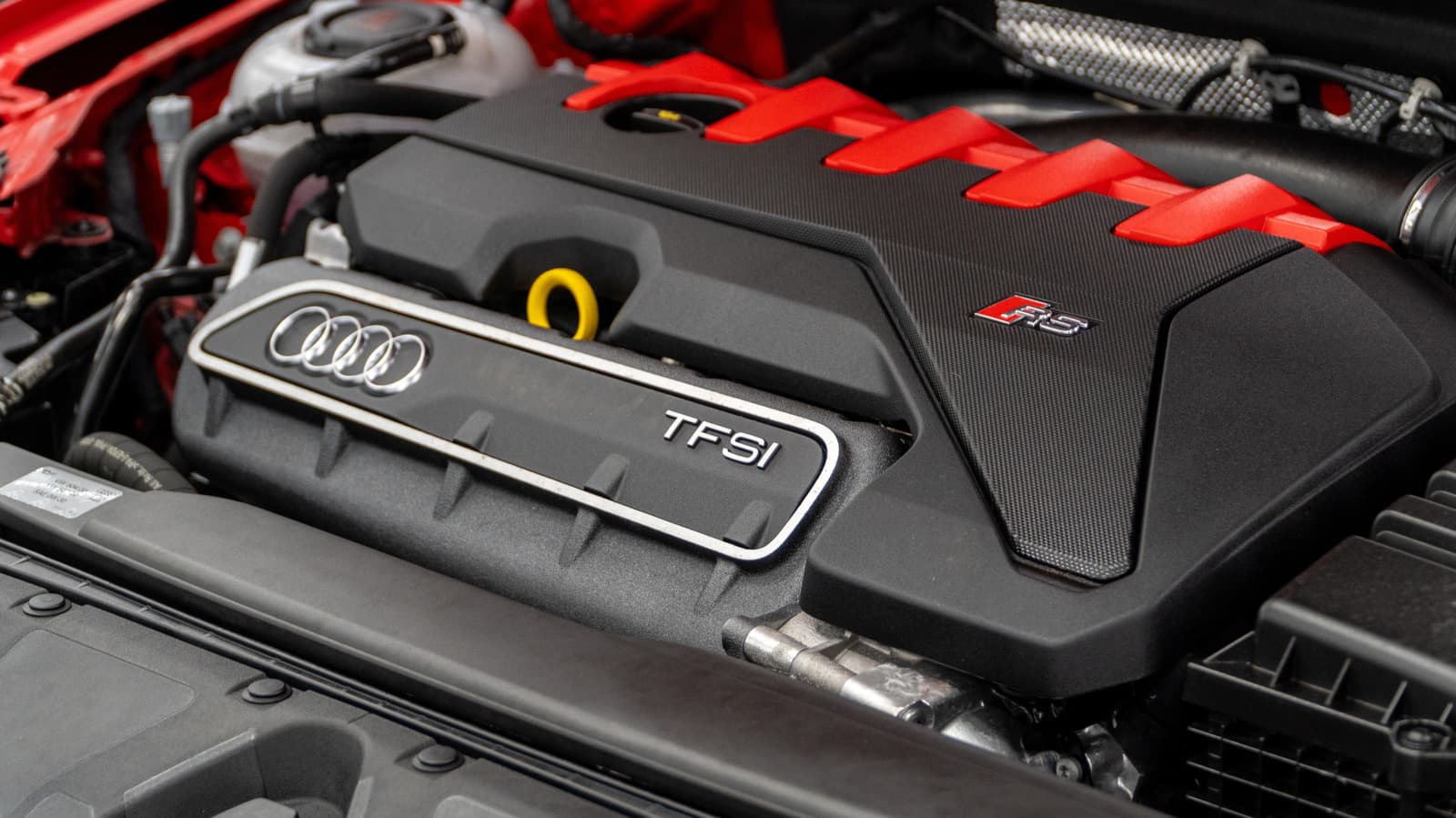
When shopping for a modern Volkswagen or Audi, one of the most confusing aspects isn’t the car’s features or warranty—it’s the tiny letters stamped on the engine cover. TSI. TFSI. They look almost identical, sound nearly the same when spoken aloud, and power engines that deliver surprisingly similar performance. Yet, for decades, Volkswagen Group has used these badges to signal subtle distinctions between its brands. For buyers, the question isn’t just about horsepower or fuel economy—it’s about whether that extra 'F' in TFSI means better engineering, or merely a marketing maneuver. The truth lies in a mix of history, shared technology, and a few well-documented reliability quirks that every prospective owner should consider before signing a check.
- TSI and TFSI engines are built on the same core technologies but branded differently—TSI for Volkswagen, Seat, Škoda, and others; TFSI exclusively for Audi.
- The 'F' in TFSI once indicated a technical difference (fuel stratification), but today it’s mostly a branding decision with no mechanical significance in modern engines.
- The EA888 engine family, shared by both TSI and TFSI models, is one of the most reliable turbocharged four-cylinder engines in the industry, though early versions had known issues.
- Buyers should be wary of carbon buildup, oil consumption, and water pump failures in certain EA211 and early EA888 engines, depending on model year and generation.
The Origins of TSI and TFSI: How a Naming Convention Became a Branding War
The split between TSI and TFSI traces back to the early 2000s, when Volkswagen Group sought to differentiate its brands while sharing core technologies. TFSI was introduced by Audi in 2004 with the EA113 engine family, which powered the Audi A3 Sportback. This 2.0-liter turbocharged inline-four used direct fuel injection—a cutting-edge feature at the time—and was marketed as a premium option within the group. The name 'Turbo Fuel Stratified Injection' highlighted Audi’s emphasis on performance and efficiency, aligning with its positioning as a luxury brand.
Volkswagen, meanwhile, adopted the TSI badge in 2006 with the launch of the EA888 engine. The acronym 'Turbo Stratified Injection' was nearly identical, but the omission of the 'F' signaled that this engine would be used across a broader range of vehicles—not just luxury models. The EA888 was developed as a successor to the EA113, but with a critical upgrade: it replaced the EA113’s rubber timing belt with a roller timing chain. This change eliminated the need for expensive belt replacements every 60,000 to 100,000 miles, a common maintenance pain point for owners of older turbo engines.
A Shared DNA: The Same Engines, Different Jerseys
Despite the branding divide, TSI and TFSI engines often share the same underlying architecture. For example, the 2.0-liter EA888 Gen 3 engine found in a 2025 Audi S3 (badged TFSI) is mechanically identical to the unit in a Volkswagen Golf GTI or Tiguan R-Line (badged TSI). The only difference is the badge on the valve cover. This practice isn’t unique to Volkswagen Group—Audi has long used distinct badging to emphasize its premium status, even when the hardware is shared. The result? A car buyer might pay a premium for an Audi with a TFSI badge, only to find it’s powered by the same engine as a less expensive Volkswagen sibling.
This shared engineering has led to occasional confusion among enthusiasts. Some performance models, like the Volkswagen Golf R or Audi S3, use the same EA888 block but with different tuning, intercoolers, and exhaust systems. The differences are in software and hardware tweaks, not the fundamental design of the engine. As one Volkswagen engineer, speaking on condition of anonymity, told *Car and Driver* in 2020: 'The EA888 is the Swiss Army knife of our engine lineup—versatile, reliable, and adaptable. The badge is just the wrapping.'
Engine Families Explained: From EA113 to EA888 and Beyond
To understand the TSI vs. TFSI debate, it’s essential to look at the engine families that carry these badges. Volkswagen Group has used several generations of engines, each with its own strengths, weaknesses, and quirks. Here’s a breakdown of the most significant families and their implications for buyers:
EA888: The Gold Standard of Turbocharged Four-Cylinders
The EA888 is the most widely used and praised engine in the TSI/TFSI lineup. Debuting in 2006 as a successor to the EA113, it introduced a timing chain and improved cooling systems, reducing maintenance and increasing durability. The engine has undergone multiple revisions—Gen 1 (2006–2011), Gen 2 (2012–2016), Gen 3 (2017–present), and Gen 4 (2021–present)—each iteration addressing issues like carbon buildup and oil consumption.
One of the EA888’s most significant upgrades came with Gen 3, which introduced 'dual injection' in some models. This system combines direct and port injection, spraying fuel both into the combustion chamber and the intake ports. The dual approach helps reduce carbon buildup on intake valves—a notorious problem for direct-injection engines—by keeping the valves cleaner. Gen 4 further refined this system, improving efficiency and emissions compliance. Today, the EA888 can be found in everything from the Volkswagen Golf GTI to the Audi S3 and even high-performance variants like the Golf R and Audi RS 3.
EA211: The Budget-Friendly (But Flawed) TSI
For entry-level models like the Volkswagen Polo, Golf, and Tiguan, Volkswagen relies on the EA211 engine family. These smaller, naturally aspirated or turbocharged four-cylinders carry the TSI badge but lack the sophistication of the EA888. The EA211 uses a timing belt instead of a chain, which requires periodic replacement—a potential maintenance cost to consider. Early versions of the EA211 were also plagued by water pump leaks, a problem that could lead to catastrophic overheating if ignored.
Carbon buildup is another concern with the EA211, as it’s a direct-injection engine without the benefit of dual injection in most models. Owners of higher-mileage EA211 engines often report reduced performance and rough idling as valves become clogged with carbon deposits. While the EA211 is generally reliable for its class, it’s not as robust or tuner-friendly as the EA888, making it a less compelling choice for enthusiasts.
The Outliers: EA390, EA855, and the Five-Cylinder TFSI
Not all TSI or TFSI engines are created equal. Audi’s high-performance models, such as the RS 3 and S4, often use larger or more exotic engine architectures. The 2.5-liter five-cylinder TFSI (EA855) found in the RS 3, for example, is known for its distinctive 'baby V10' sound and impressive power output. While the five-cylinder design adds character, it also introduces additional complexity. Owners of higher-mileage examples should watch for oil leaks, turbocharger wear, and timing chain stretch—issues that can arise in any high-performance engine.
Similarly, the EA390 V6 TFSI, found in models like the Audi SQ5 and S6, combines power with a reputation for longevity when maintained properly. However, these engines are less common and often come with higher ownership costs, including premium fuel requirements and more expensive parts.
Reliability Reality Check: What Buyers Need to Know Before Buying Used
While modern TSI and TFSI engines are generally reliable, history has shown that some generations and configurations are more problematic than others. Prospective buyers—especially those in the used-car market—should arm themselves with knowledge about potential pitfalls. Here’s what to watch for, based on engine family and generation:
The Carbon Buildup Conundrum
Direct-injection engines, including most TSI and TFSI models, are prone to carbon buildup on intake valves. This occurs because fuel is injected directly into the combustion chamber, bypassing the intake ports where traditional port-injection engines would clean the valves with fuel spray. Over time, carbon deposits can restrict airflow, leading to rough idling, misfires, and reduced power.
Carbon buildup is the most common issue we see in EA888 and EA211 engines over 50,000 miles. Owners often don’t notice it until performance drops or the check engine light comes on. Prevention is key—regular high-quality fuel and occasional walnut blasting can help, but once it’s severe, the only fix is a professional cleaning or valve replacement. — *Mark Johnson, owner of German Auto Specialists in California*
The EA888 Gen 3 and newer, as well as some Gen 2 models with dual injection, are less susceptible to this issue. For older or non-dual-injection engines, owners can mitigate the problem with fuel additives or periodic walnut blasting—a process where walnut shells are blasted through the intake to remove carbon deposits. However, severe cases may require removing the intake manifold or even replacing the valves, which can cost hundreds or thousands of dollars.
Oil Consumption and PCV System Failures
Another well-documented issue in EA888 engines is excessive oil consumption, often caused by a faulty positive crankcase ventilation (PCV) system. The PCV system regulates pressure in the crankcase, but if it fails, oil can be sucked into the combustion chamber, leading to blue smoke from the exhaust and reduced engine life. This problem is most common in Gen 1 and early Gen 2 EA888 engines (2007–2013).
Audi and Volkswagen issued a series of technical service bulletins (TSBs) addressing PCV system failures, particularly in 2012–2014 models. Owners are advised to check oil levels frequently and inspect for leaks around the PCV valve and hoses. In severe cases, replacing the PCV system can cost $500 to $1,000 in labor, making it a critical maintenance item to address early.
Timing System Concerns: Belts, Chains, and Water Pumps
The EA888’s timing chain is a major advantage over the EA211’s timing belt, but it’s not without its own set of issues. Some owners report timing chain stretch or tensioner failure, particularly in high-mileage examples or those subjected to frequent hard driving. Symptoms include rattling noises on startup or a check engine light with codes related to camshaft timing.
The EA211, on the other hand, relies on a timing belt that must be replaced every 60,000 to 100,000 miles. Failure to do so can result in catastrophic engine damage if the belt breaks. Additionally, early EA211 engines (2013–2015) were plagued by water pump leaks, which could lead to coolant loss and overheating. Volkswagen issued recalls and extended warranties for affected models, but owners of out-of-warranty cars should budget for potential water pump replacement every 80,000 miles.
Which Engine Should You Choose? A Buyer’s Guide
Deciding between a TSI and TFSI engine—or between different generations of the same family—depends on your priorities: performance, reliability, budget, and long-term ownership costs. Here’s a breakdown to help guide your decision:
New-Car Buyers: Prioritize Gen 3 or Newer EA888
If you’re shopping for a new Volkswagen or Audi, focus on models equipped with Gen 3 or newer EA888 engines. These feature dual injection, improved cooling, and refined tuning, making them among the most reliable turbocharged four-cylinders on the market. The EA888 Gen 4, introduced in 2021, further enhances efficiency and power while addressing lingering issues like oil consumption.
For performance-oriented buyers, consider models like the Volkswagen Golf R, Audi S3, or Audi RS 3. These cars pair the EA888 with upgraded intercoolers, exhaust systems, and tuning, delivering thrilling performance without sacrificing daily drivability. Just be prepared for higher insurance premiums and maintenance costs associated with high-performance variants.
Used-Car Buyers: Know the Generation and History
Used-car shoppers should approach older or higher-mileage TSI and TFSI engines with caution. Gen 1 EA888 engines (2006–2011) are the riskiest due to PCV system failures and potential timing chain issues. Gen 2 (2012–2016) improved reliability but still suffered from oil consumption and carbon buildup in non-dual-injection models. Gen 3 and newer (2017–present) are the safest bets, with dual injection and better cooling reducing long-term risks.
For EA211 engines, stick to models with service records showing timely timing belt and water pump replacements. Avoid early EA211 models (2013–2015) unless you’re prepared to address potential water pump failures. If you’re eyeing a high-mileage EA888 five-cylinder (like the one in the Audi RS 3), budget for potential turbocharger or oil leak repairs.
The Bottom Line: A Badge Doesn’t Change the Engine
At the end of the day, the TSI vs. TFSI debate isn’t about which engine is inherently better—it’s about understanding the nuances of Volkswagen Group’s branding strategy and how those nuances translate to real-world ownership. The 'F' in TFSI might once have signaled a technical difference, but today it’s mostly a marketing tool used by Audi to justify premium pricing. The EA888 engine family, whether badged TSI or TFSI, is a proven platform that delivers performance and reliability when maintained properly. The EA211, while less sophisticated, offers budget-friendly efficiency for everyday drivers.
For buyers, the key takeaway is simple: ignore the badge and focus on the engine family, generation, and maintenance history. A well-maintained EA888 Gen 3 TSI in a Volkswagen Golf GTI will likely outlast and outperform a neglected EA211 TFSI in an Audi A3. And if you’re tempted by an Audi with a TFSI badge, ask yourself whether the premium over a mechanically identical Volkswagen model is worth the extra cost—because under the hood, it might not be.
Frequently Asked Questions
- Is a TFSI engine better than a TSI engine?
- Not mechanically. TFSI is Audi’s branding for engines that are often identical to TSI models used in other Volkswagen Group brands. The differences are in marketing, not performance or reliability.
- Which TSI or TFSI engine is the most reliable?
- The EA888 Gen 3 and newer engines (2017–present) are the most reliable, thanks to dual injection and improved cooling. Early EA888 and EA211 models have more known issues, such as carbon buildup and oil consumption.
- What are the common problems with TSI and TFSI engines?
- Common issues include carbon buildup on intake valves, oil consumption from PCV system failures, timing chain stretch in EA888 engines, and water pump leaks in early EA211 models. Regular maintenance can mitigate many of these problems.