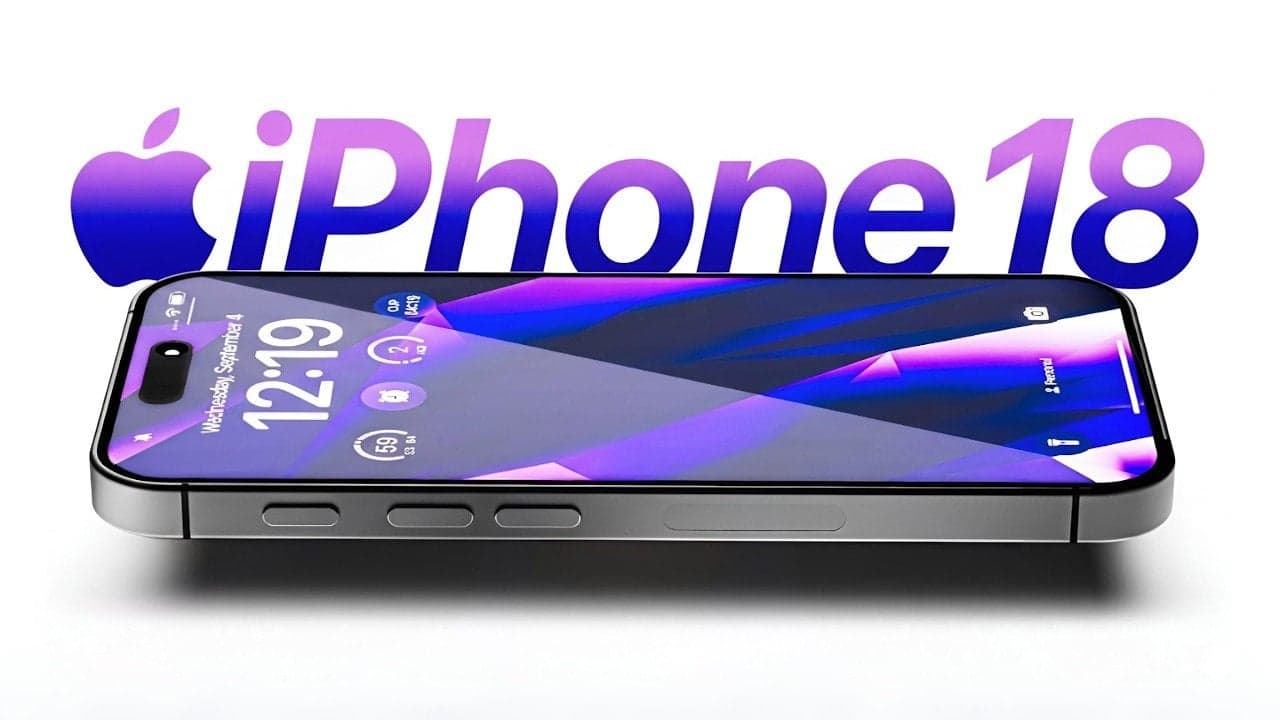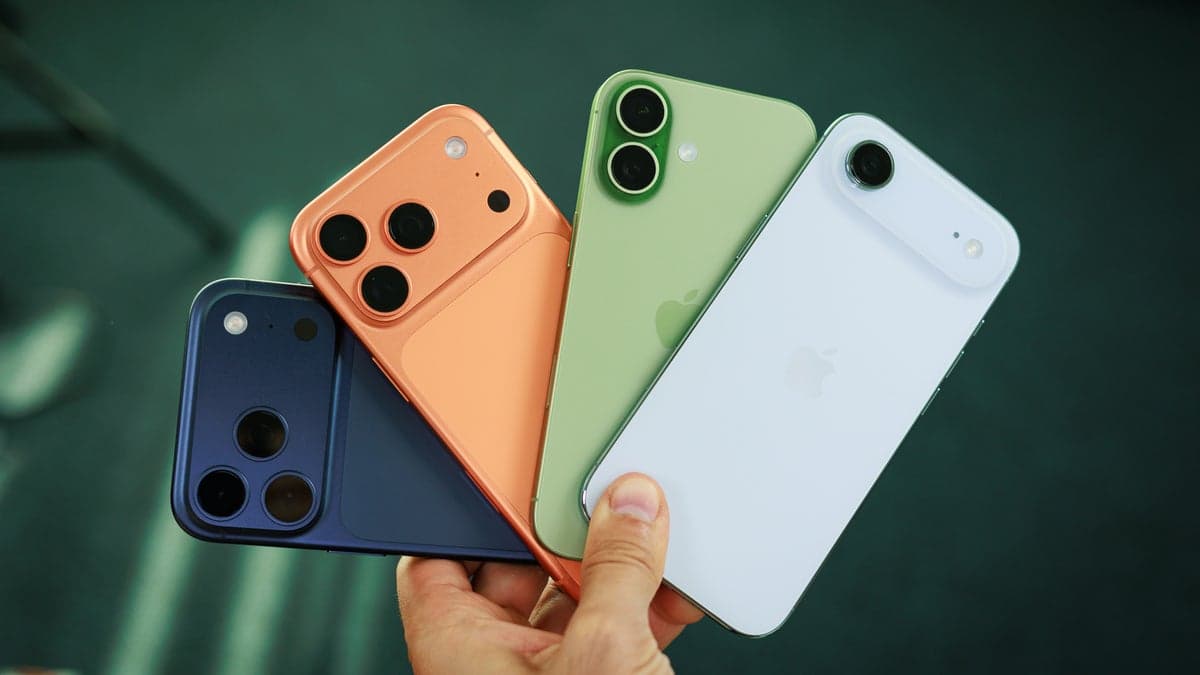
Apple’s iPhone 18 Pro, slated for release this fall, is defying industry expectations—not by delivering a groundbreaking redesign, but by doubling down on the successful formula that made its predecessor a critical and commercial darling. While rivals scramble to tout foldable screens and radical aesthetics, the iPhone 18 Pro appears poised to retain the iPhone 17 Pro’s chassis, save for subtle internal refinements. This strategy, a throwback to Apple’s historic ‘tock’ years where iterative upgrades took precedence, signals a deliberate pivot away from the tumultuous ‘tick’ cycles of recent generations. For consumers tired of gimmicks and price hikes, the iPhone 18 Pro’s conservative approach may prove to be its most compelling selling point.
The End of Radical Redesigns? Why Apple Is Relying on the iPhone 17 Pro’s Playbook
Since the iPhone 12 debuted in 2020, Apple has maintained a consistent design language across its flagship models, eschewing the dramatic overhauls that once defined its product cycles. The iPhone 17 Pro, released in September 2024, broke this streak—not with a revolutionary redesign, but with the most significant visual refresh in years. Its flat-edge chassis, refined camera module, and slightly slimmer profile were subtle yet noticeable improvements over its predecessors. Now, multiple industry sources confirm that the iPhone 18 Pro will reuse the iPhone 17 Pro’s molds, effectively sidelining rumors of a smaller Dynamic Island or other major cosmetic changes. This decision isn’t born out of laziness; it’s a calculated move to extend the lifecycle of a design that resonated with both critics and consumers.
Apple’s Tick-Tock Strategy: A Brief History of Design Cycles
Apple’s ‘tick-tock’ cadence—where odd-numbered years introduced radical redesigns and even-numbered years brought iterative ‘tock’ upgrades—defined its early iPhone strategy. Models like the iPhone 4 (2010), iPhone 5 (2012), and iPhone 6 (2014) redefined the smartphone industry, while their ‘s’ successors (e.g., iPhone 4s, 5s, 6s) refined existing designs with incremental hardware improvements. This rhythm began to fracture with the iPhone X’s notch-and-bezel transition in 2017, and by the iPhone 12 era, Apple had settled into a more conservative approach, prioritizing stability over shock value. The iPhone 17 Pro’s refreshed design, though not a ‘tick’ by historical standards, has given Apple the confidence to extend its lifespan—and in doing so, the company is betting that consumers prioritize reliability over novelty.
Industry analysts argue that this strategy mirrors the playbook of competitors like Samsung, which typically refreshes its flagship designs every two to three years. ‘Apple is finally aligning with how the rest of the industry operates,’ said Carolina Milanesi, president of Creative Strategies. ‘Consumers don’t need a new shape every year. They need improvements that justify the purchase—better performance, longer battery life, and more capable cameras.’
Why Iterative Upgrades Could Be the iPhone 18 Pro’s Secret Weapon
- The iPhone 18 Pro is expected to reuse the iPhone 17 Pro’s chassis, cutting manufacturing costs and reducing the risk of supply chain bottlenecks.
- Internal upgrades—including a faster chipset, larger battery, and improved camera optics—are slated to deliver tangible benefits without requiring a price increase.
- By avoiding a radical redesign, Apple can focus R&D resources on software optimization and ecosystem integration, areas where it often outperforms rivals.
The iPhone 18 Pro’s conservative design is more than just a cost-saving measure; it’s a strategic refocus on what consumers actually value. While rivals like Samsung and Google hype foldable screens and AI-powered cameras, Apple is doubling down on the fundamentals: performance, battery life, and camera quality. Leakers suggest the device will feature Apple’s first 2-nanometer chip, a second-generation in-house modem, and a battery that could offer up to 15% longer endurance compared to the iPhone 17 Pro. These improvements, though incremental, address the most common pain points of flagship smartphones: short battery life and diminishing returns on yearly upgrades.
The Camera Plateau: Why 2025 Won’t Bring a Photographic Revolution
Another reason the iPhone 18 Pro’s lack of a major redesign isn’t a red flag: smartphone photography has reached a plateau. While the iPhone 16 Pro introduced periscope zoom and improved low-light performance, the iPhone 18 Pro is expected to focus on incremental camera upgrades, such as enhanced computational photography and improved sensor efficiency. ‘The days of double-digit percentage improvements in image quality are behind us,’ noted tech analyst Ming-Chi Kuo. ‘What matters now is consistency, software processing, and user experience.’ This aligns with Apple’s broader strategy of refining existing strengths rather than chasing fleeting trends.
Who Is the iPhone 18 Pro Really For? Debunking the ‘Unnecessary Upgrade’ Narrative
Critics argue that iterative upgrades alienate power users who crave innovation, but the data suggests otherwise. According to Counterpoint Research, approximately 60% of iPhone upgrades come from users upgrading from models two or more generations old—not from the latest flagship. For these consumers, the iPhone 18 Pro represents a meaningful leap: a device with better battery life, faster performance, and improved durability, all at a price point that may remain unchanged from the iPhone 17 Pro ($999). Meanwhile, early adopters and tech enthusiasts are likely to gravitate toward Apple’s rumored iPhone Fold, a device positioned to deliver the radical change this cycle’s flagship lacks.
‘The iPhone 17 Pro proved that you don’t need a new shape to make a great phone. The iPhone 18 Pro is about refining what already works—better chips, better batteries, and better software. That’s a winning formula.’ — Ming-Chi Kuo, analyst at TF International Securities
The Manufacturing Advantage: How Reusing Designs Translates to Lower Costs
One of the most underrated benefits of the iPhone 18 Pro’s conservative approach is its impact on Apple’s supply chain. By reusing molds and tooling from the iPhone 17 Pro, Apple can reduce manufacturing complexity, minimize material waste, and avoid the price increases that often accompany radical redesigns. This strategy isn’t unique to Apple; it’s a staple of the automotive and consumer electronics industries, where shared platforms (like Volkswagen’s MQB architecture) drive profitability. For Apple, which faces increasing regulatory scrutiny over device repairability and e-waste, this approach also aligns with its sustainability goals—fewer new parts mean less electronic waste and a smaller carbon footprint.
The Broader Implications: Can Apple Sustain Its Flagship Momentum Without Radical Change?
Apple’s shift toward iterative flagship upgrades reflects a broader industry trend: the commoditization of hardware innovation. With AI, foldables, and under-display cameras becoming the new battlegrounds, traditional flagship smartphones are increasingly defined by software and ecosystem integration rather than hardware alone. The iPhone 18 Pro’s focus on performance and battery life—areas where Apple has long led—suggests a company that’s content to let others chase trends while it perfects the fundamentals. ‘Apple’s strength has always been in incremental improvements that compound over time,’ said Ben Bajarin, CEO of Creative Strategies. ‘The iPhone 18 Pro is a perfect example of that philosophy in action.’
Key Takeaways: What the iPhone 18 Pro’s Design Strategy Means for Consumers
- The iPhone 18 Pro will reuse the iPhone 17 Pro’s chassis, prioritizing internal upgrades over cosmetic changes—a move that could keep prices stable.
- Expected improvements include a 2nm chip, larger battery, and enhanced camera optics, targeting users upgrading from older models (e.g., iPhone 15 Pro or earlier).
- By avoiding a radical redesign, Apple reduces manufacturing costs, supply chain risks, and environmental impact while extending the lifecycle of a proven design.
- This strategy may alienate early adopters seeking ‘wow’ factors but aligns with the preferences of the majority of upgrade buyers, who prioritize reliability and value.
- The iPhone 18 Pro’s conservative approach underscores a broader industry shift toward software-driven innovation and ecosystem lock-in over hardware gimmicks.
Frequently Asked Questions About the iPhone 18 Pro
Frequently Asked Questions
- Will the iPhone 18 Pro have a new design?
- No. Multiple industry sources confirm the iPhone 18 Pro will reuse the iPhone 17 Pro’s chassis, with only minor refinements to the camera module and internal components. This marks a departure from Apple’s recent cycles of radical redesigns.
- What upgrades can we expect in the iPhone 18 Pro?
- Leaked details suggest a next-generation 2nm A19 Pro chip, a second-gen in-house modem, a larger battery with improved endurance, and refined camera optics. These upgrades are designed to appeal to users upgrading from older iPhones rather than iPhone 17 Pro owners.
- Why is Apple reusing the iPhone 17 Pro’s design?
- By reusing proven molds, Apple can reduce manufacturing costs, minimize supply chain risks, and avoid price increases. This strategy also aligns with its sustainability goals by reducing electronic waste and extending the lifecycle of a successful design.