In a groundbreaking discovery that reshapes the timeline of animal evolution, paleontologists have uncovered a remarkable collection of fossils in China’s Shaanxi Province. The deposits, dating back to the Ediacaran period—roughly 550 to 540 million years ago—contain an unprecedented diversity of ancient organisms, including relatives of modern jellyfish, comb jellies, and worms. These findings, detailed in a study published in the journal *Nature*, push back the origins of several complex animal groups by at least 10 million years, challenging long-held assumptions about the Cambrian Explosion, the rapid diversification of life that occurred around 541 million years ago. By revealing that many of these organisms existed before the Cambrian, the fossils suggest a far more gradual transition from simple to complex life forms than previously thought.
The Shaanxi Fossil Deposits: A Window into Earth’s Distant Past
Unprecedented Preservation in the Gaojiashan Lagerstätte
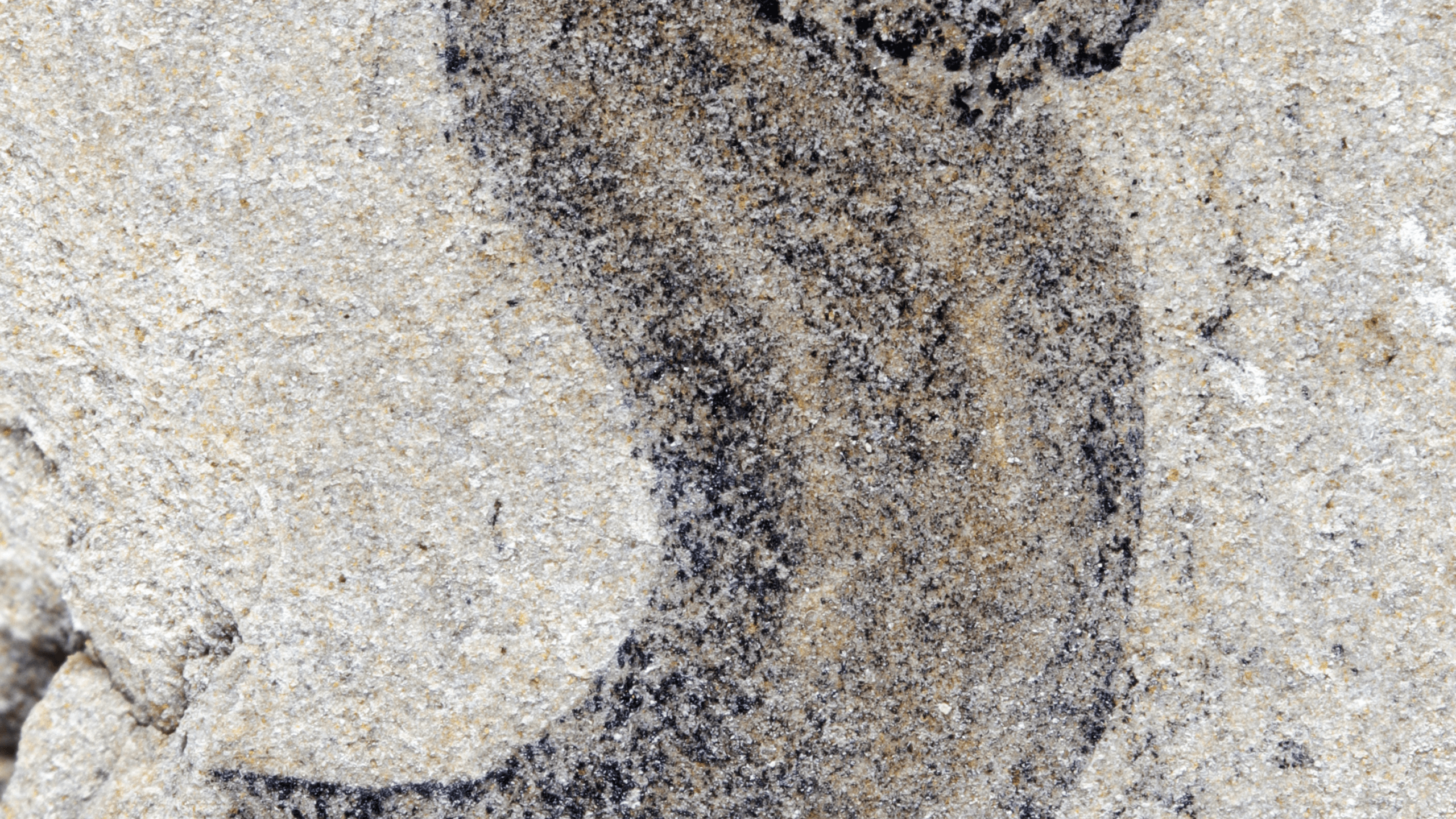
The fossils were unearthed from the Gaojiashan Lagerstätte, a geological formation renowned for its exceptional preservation of soft-bodied organisms. Unlike typical fossil sites that predominantly preserve hard structures like bones and shells, the Gaojiashan Lagerstätte retains delicate tissues, muscle fibers, and even traces of cilia—the hair-like structures used by comb jellies for locomotion. This level of detail is rare in Ediacaran deposits, which are typically limited to impressions of organisms in sedimentary rock. The research team, led by Dr. Gaorong Li of Northwest University in Xi’an, China, and Dr. Xiaodong Wang of the Chinese Academy of Sciences, spent years meticulously extracting and analyzing the fossils, revealing structures that defy easy classification.
The deposits span multiple layers, indicating a long-term ecosystem that thrived in a shallow marine environment. The diversity of organisms preserved—ranging from sessile (stationary) creatures to free-swimming forms—suggests a complex ecological web was already in place hundreds of millions of years before the Cambrian Explosion. This challenges the notion that the Cambrian period marked the sudden emergence of complex animal life, instead pointing to a more gradual, stepwise evolution.
Ediacaran vs. Cambrian: Redefining the Timeline of Animal Evolution
The Ediacaran period, which preceded the Cambrian by roughly 20 million years, has long been considered a time of simple, soft-bodied organisms with enigmatic body plans. Many Ediacaran fossils, such as *Dickinsonia* and *Charnia*, lack clear anatomical features that would link them to modern animal groups. However, the Gaojiashan fossils break this mold by including organisms that share traits with modern animals, blurring the line between the Ediacaran and Cambrian periods.
One of the most striking features of the new fossils is their anatomical complexity. For example, the cnidarian-like organisms—relatives of modern jellyfish, corals, and sea anemones—display tetraradial symmetry, meaning their bodies are arranged in four-fold symmetry. One species, tentatively named *Gaojiashania quadriformis*, exhibits paired protrusions arranged around a central depression, a body plan reminiscent of modern jellyfish but with distinct differences. The presence of muscle fibers preserved in the fossils suggests these organisms were capable of at least limited movement, a significant departure from the traditionally held view of Ediacaran life as largely immobile.
The Gaojiashan fossils suggest that many of the body plans we associate with the Cambrian Explosion actually emerged much earlier, during the Ediacaran. This means the transition to complex animal life was not a sudden event but a gradual process spanning tens of millions of years.
Another key find is a fossilized ctenophore, or comb jelly, a gelatinous, predatory organism known for its rows of ciliary combs that propel it through water. Ctenophores are among the earliest branches of the animal tree of life, and their presence in the Ediacaran deposits pushes back their confirmed existence by at least 10 million years. The fossil preserves the distinctive comb rows, confirming that these structures—critical to the organism’s survival—had already evolved by the late Ediacaran.
Worms, Tubes, and Enigmatic Organisms: The Diversity of Early Animal Life
Among the most surprising discoveries are the bilaterian worms, which possess left-right symmetry and include modern groups such as earthworms, insects, and vertebrates. The Gaojiashan worms are preserved in a way that reveals their posterior attachment structures, suggesting they were sessile (attached to the seafloor) during at least part of their life cycle. Their anterior ends feature extendable structures, possibly used for feeding or sensation, which resemble the jaws of modern polychaete worms.
Mackenziids: The ‘Poorly Understood’ Holdovers from the Ediacaran
Another fossil in the collection resembles mackenziids, a group of enigmatic organisms first described from Cambrian deposits in Canada. Mackenziids are characterized by rows of internal tubes, and their odd morphology has led some researchers to speculate they might be remnants of Ediacaran life that persisted into the Cambrian. The Gaojiashan specimen, with its preserved tube-like structures, supports this hypothesis and suggests that mackenziids were more widespread and diverse than previously thought. Their presence in the Ediacaran layers further erodes the idea of a sharp divide between the two geological periods.
Challenging the Cambrian Explosion Paradigm
The Cambrian Explosion has long been viewed as a pivotal moment in Earth’s history, when most major animal phyla appeared in the fossil record over a geologically brief span of 20–25 million years. This sudden diversification was thought to mark the first appearance of complex body plans, including those with hard skeletons, bilateral symmetry, and sophisticated sensory organs. However, the Gaojiashan fossils complicate this narrative by demonstrating that many of these features—such as tetraradial symmetry, muscle tissue, and even bilateral body plans—were already in existence by the Ediacaran.
Dr. Li and his colleagues argue that the Cambrian Explosion may have been less of an explosion and more of an "acceleration," where existing body plans became more diverse and specialized. The Shaanxi fossils suggest that the genetic and developmental toolkits for complex animal life were already in place by the Ediacaran, but ecological factors—such as the rise of predation or changes in ocean chemistry—triggered a burst of innovation during the Cambrian.
Implications for the Tree of Life and Evolutionary Biology
The Gaojiashan fossils have significant implications for our understanding of the animal tree of life. Traditionally, many Ediacaran organisms were considered evolutionary dead ends, with no living descendants. However, the new findings suggest that some Ediacaran groups—such as cnidarians and ctenophores—may have direct lineages leading to modern animals. This challenges the long-held view that the Ediacaran fauna was entirely distinct from Cambrian and later life forms.
The discovery also raises questions about the role of the Ediacaran in shaping modern ecosystems. If complex animals were already present and interacting in the Ediacaran, then the Cambrian Explosion might represent a period of increased ecological complexity rather than the origin of complex life itself. This could explain why the fossil record shows such a dramatic increase in diversity during the Cambrian—it wasn’t the first appearance of complex animals, but the first time their fossils became abundant and varied enough to be easily recognized.
The Broader Context: How the Gaojiashan Discovery Fits into Paleontology
The Gaojiashan Lagerstätte is part of a growing list of exceptional fossil sites that are redefining our understanding of early animal life. Other notable sites include the Ediacara Hills in Australia (the namesake of the Ediacaran period), the White Sea in Russia, and the Doushantuo Formation in China. These deposits have collectively revealed that the Ediacaran was a period of surprising biological innovation, with organisms exhibiting behaviors, body plans, and ecological interactions far more complex than previously assumed.
The Gaojiashan fossils also highlight the importance of China’s role in paleontology. In recent decades, Chinese fossil sites—such as the Chengjiang Biota (another Cambrian Lagerstätte) and the Qingjiang Biota—have provided unprecedented insights into the early evolution of animals. The discovery of the Gaojiashan deposits underscores China’s position as a global leader in paleontological research, particularly in the study of soft-bodied organisms.
Key Takeaways: What This Discovery Means for Science and the Public
- The Gaojiashan fossils in China’s Shaanxi Province push back the origins of complex animal groups—including cnidarians, ctenophores, and worms—by at least 10 million years, predating the Cambrian Explosion.
- The fossils reveal anatomical features such as muscle fibers and ciliary combs, demonstrating that many traits associated with Cambrian animals were already present in the Ediacaran.
- The discovery challenges the traditional view of the Cambrian Explosion as a sudden event, suggesting instead that complex animal life evolved gradually over tens of millions of years.
- The study provides new insights into the animal tree of life, indicating that some Ediacaran groups may have direct descendants among modern animals.
- China’s Gaojiashan Lagerstätte joins other exceptional fossil sites, such as Chengjiang and Doushantuo, in reshaping our understanding of early animal evolution.
Frequently Asked Questions About the Gaojiashan Fossils
Frequently Asked Questions
- What is the Cambrian Explosion, and why is it important?
- The Cambrian Explosion refers to a period around 541 million years ago when most major animal phyla appeared in the fossil record over a geologically short span. It’s important because it marks the first appearance of complex body plans, including hard skeletons and bilateral symmetry, which laid the foundation for modern ecosystems.
- How do the Gaojiashan fossils change our understanding of the Ediacaran period?
- The Gaojiashan fossils demonstrate that many complex animal traits—such as muscle tissue, tetraradial symmetry, and bilateral body plans—were already present in the Ediacaran, 10+ million years before the Cambrian Explosion. This suggests the transition to complex life was more gradual than previously thought.
- What are cnidarians, and why are they significant in this discovery?
- Cnidarians are a group of radially symmetric animals that include jellyfish, corals, and sea anemones. The Gaojiashan fossils include cnidarian-like organisms with tetraradial symmetry, pushing back their confirmed existence to the Ediacaran and challenging the idea that they only appeared during the Cambrian.