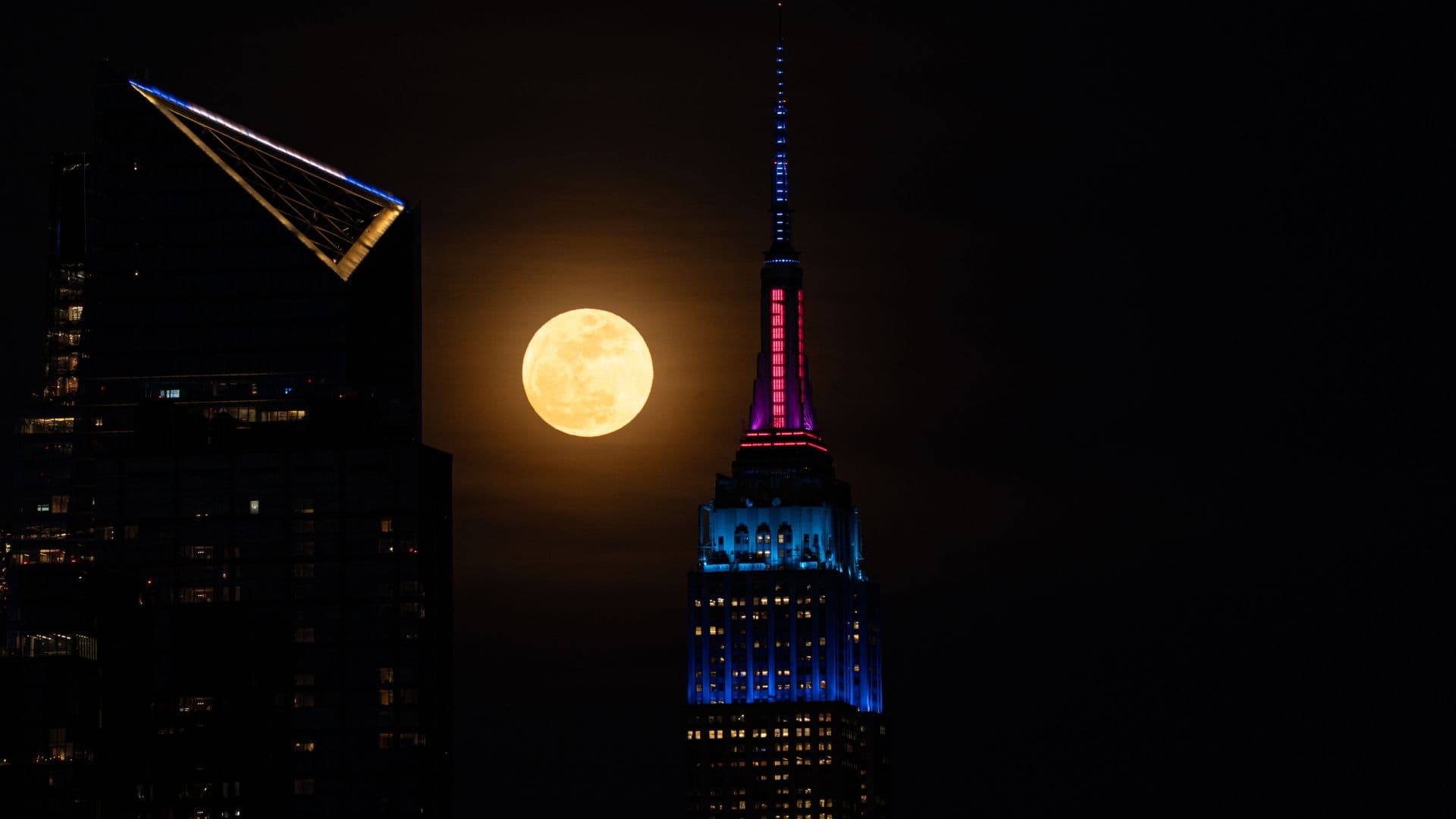
On the evening of April 1, 2026, Earth’s natural satellite rose to its full brilliance as the ‘Pink Moon,’ a celestial spectacle that captivated stargazers from Buenos Aires to Berlin. Hours later, NASA’s Artemis 2 mission blasted off from Kennedy Space Center, carrying four astronauts on humanity’s first crewed voyage to lunar orbit in over 50 years. The timing was no coincidence: April’s full moon—traditionally named for the phlox flower blooming in North American spring—served as both a visual marvel and a symbolic backdrop for humanity’s next giant leap into deep space.
Why the April Full Moon Is Called the ‘Pink Moon’ and What It Means
The ‘Pink Moon’ is a colloquial name for April’s full moon, rooted in Native American and colonial American traditions. The term originates from the early spring blooms of *Phlox subulata*, a ground-hugging wildflower that carpets fields and meadows across eastern North America with vibrant pink and purple hues during April. This floral phenomenon inspired European settlers to adopt the name, though culturally diverse traditions worldwide have assigned their own monikers—such as the ‘Sprouting Grass Moon’ by the Algonquin tribes or the ‘Egg Moon’ in some Celtic calendars.
The Lunar Cycle and Its Cultural Significance
A full moon occurs when the Earth is positioned directly between the sun and the moon, causing the lunar surface to be fully illuminated as seen from Earth. This phase repeats approximately every 29.5 days, aligning closely with human calendars and agricultural cycles. For centuries, civilizations have relied on lunar cycles to track planting seasons, religious observances, and even maritime navigation. The April full moon, in particular, holds spiritual importance in Christianity, as it determines the date of Easter—the first Sunday after the first full moon following the vernal equinox.
‘The timing of the April full moon isn’t just astronomical—it’s cultural,’ said Dr. Maria Sanchez, an ethnobotanist at the University of Arizona. ‘For Indigenous peoples, the blooming of phlox signaled the time to gather medicinal plants and prepare for seasonal migrations. The moon’s name carries that ecological wisdom forward.’
Artemis 2: The Mission That Made the ‘Pink Moon’ a Cosmic Backdrop
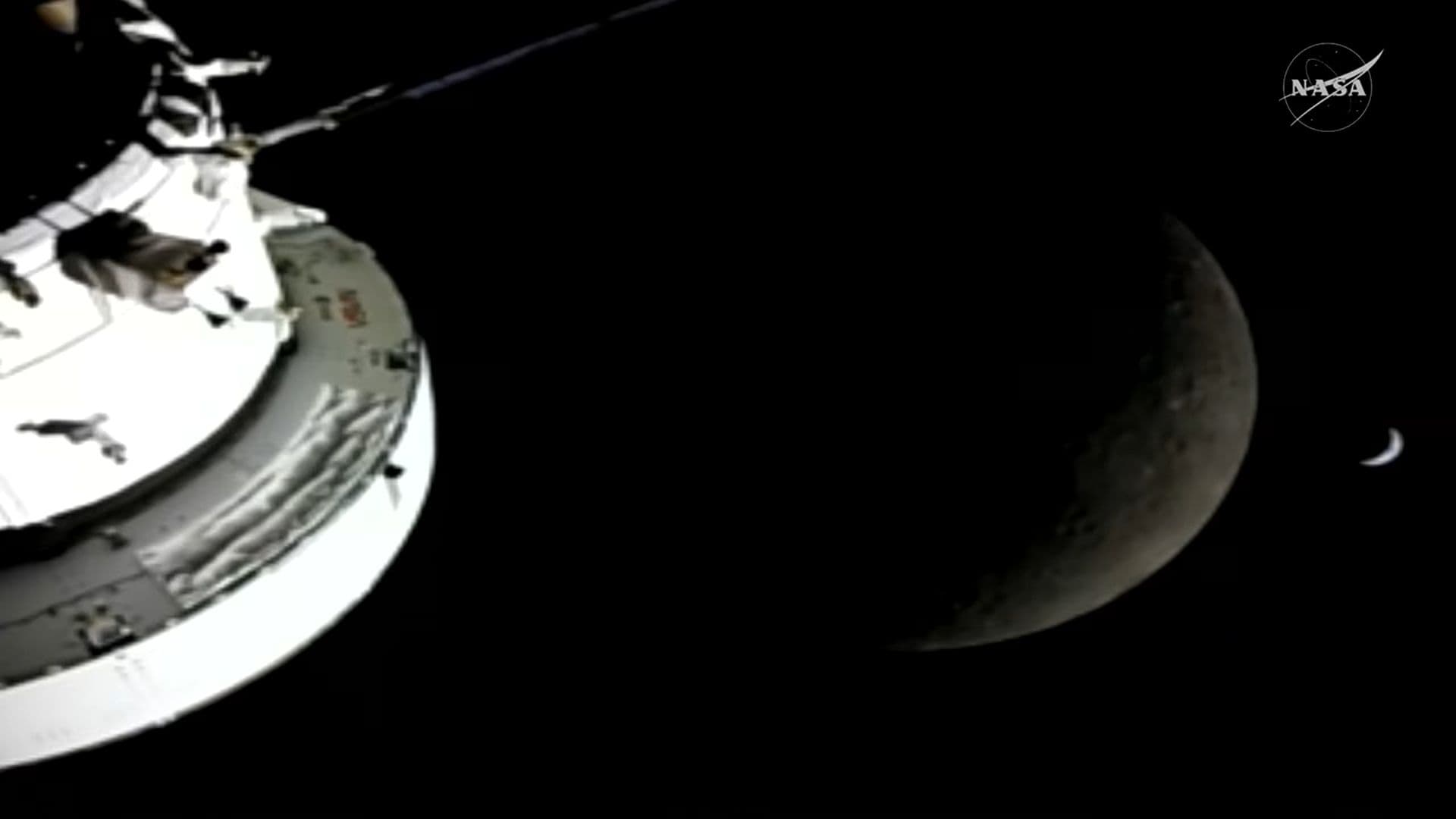
NASA’s Artemis program represents the agency’s boldest effort to return humans to the moon since the Apollo era ended in 1972. Artemis 2, launching at 10:03 p.m. EDT on April 1, 2026, from Kennedy Space Center’s historic Launch Complex 39B, carried Commander Reid Wiseman, Pilot Victor Glover, Mission Specialist Christina Koch, and Canadian astronaut Jeremy Hansen on an ambitious 10-day journey.
During ascent, Wiseman radioed mission control from the Orion spacecraft, describing the moment as the crew soared through Earth’s atmosphere: *‘We have a beautiful moon rise, we’re headed right at it.’* The Artemis 2 mission aims to test Orion’s life-support systems and lunar navigation by looping around the far side of the moon—though without landing—before splashing down in the Pacific Ocean. This flight paves the way for Artemis 3, which plans to land astronauts near the lunar south pole in 2027.
Global Photographers Capture the ‘Pink Moon’ in Stunning Detail
From the jagged peaks of the Andes to the neon skylines of New York City, photographers worldwide seized the rare opportunity to document the April 2026 full moon. Their images blended natural and urban landscapes, offering a global portrait of humanity’s enduring fascination with Earth’s only permanent natural satellite.
Europe’s Urban and Rural Perspectives
In the United Kingdom, photographer Josh Dury stationed himself atop Brent Knoll in Somerset, England, as dawn broke on April 2. Using a 600mm telephoto lens, he captured the moon hovering low over three weathered crosses—a composition that mirrored the region’s ancient religious heritage. ‘I was drawn to the astronomical timing of ‘moveable feasts,’ Dury explained. ‘With Passover coinciding with the first full moon of spring and Easter falling on the first Sunday after the spring full moon, the alignment felt almost divine.’
Across the English Channel, Kirill Kudryavtsev positioned himself in Frankfurt, Germany, where a Boeing 777’s wing sliced across the moon’s face. The resulting image—taken at 12,000 feet—showcased the aircraft’s vapor trail distorting the lunar disk, a fleeting juxtaposition of human engineering and cosmic scale.
North America: From Kennedy Space Center to Venice Beach
At Kennedy Space Center in Florida, photographer Gregg Newton framed the launch clock—still ticking since Artemis 2’s liftoff—with the moon rising over the Atlantic. The juxtaposition underscored the mission’s dual narrative: a triumph of technology and nature’s timeless cycles. Meanwhile, in Miami, Megan Briggs captured the moon on March 31, a night before fullness, revealing the lunar maria—ancient lava plains—and bright ejecta rays from asteroid impacts.
On the U.S. West Coast, Apu Gomes stood beneath palm trees at Venice Beach, California, as the moon ascended over the Pacific. The scene—a glowing orb framed by swaying fronds and neon signs—epitomized the moon’s role as a celestial muse, inspiring art, science, and storytelling across generations.
South America and Beyond: A Lunar Sight from Buenos Aires to the Andes
In Buenos Aires, Argentina, Luis Robayo positioned his lens on the city’s iconic obelisk. The full moon loomed behind the monument, while a digital projection of an Artemis 2 Space Launch System rocket illuminated the stone—an artistic nod to the mission’s global reach. ‘The moon connects us all,’ Robayo said. ‘No matter where you are, it’s the same sky.’
The Science Behind the ‘Pink Moon’: What Made It Special
While the ‘Pink Moon’ isn’t actually pink—its color varies from golden to pale yellow depending on atmospheric conditions—it appeared slightly larger and brighter due to the ‘supermoon’ effect. This phenomenon occurs when a full moon coincides with lunar perigee, the point in the moon’s elliptical orbit closest to Earth. On April 1, 2026, the moon was approximately 222,000 miles (357,000 km) away, about 17,000 miles closer than its average distance.
The brightness of the moon also influenced atmospheric optics. ‘When a full moon is low on the horizon, particles in the atmosphere scatter shorter blue wavelengths, leaving longer red and orange hues,’ explained Dr. Raj Patel, an astrophysicist at MIT. ‘That’s why moonrises and moonsets often appear reddish.’
How to Photograph the Full Moon: Tips from the Pros
Capturing the full moon requires planning, patience, and the right equipment. Professional astrophotographers recommend using a tripod, a telephoto lens (300mm or longer), and manual exposure settings to avoid overexposure. ‘Shoot in RAW format to preserve detail,’ advised Dury, whose work has been featured in *National Geographic*. ‘And always check the moon’s azimuth and altitude for your location—timing is everything.’
Light pollution can hinder clarity, so rural or elevated locations offer the best views. For urban photographers, positioning the moon near recognizable landmarks—like the Empire State Building or the Lincoln Memorial—can create powerful compositions that blend natural and man-made beauty.
- The April 2026 ‘Pink Moon’ occurred on April 1–2, coinciding with NASA’s Artemis 2 launch, creating a rare celestial and spaceflight milestone.
- The name ‘Pink Moon’ originates from North American phlox wildflowers, though the moon itself appears golden or yellow due to atmospheric scattering.
- Artemis 2 carried four astronauts on a 10-day mission to lunar orbit, marking humanity’s first crewed deep-space voyage since 1972.
- Photographers across six continents documented the event, showcasing the moon’s cultural, scientific, and artistic significance.
- The moon’s proximity to Earth during this phase (a near-perigee full moon) enhanced its brightness and apparent size for viewers worldwide.
The Cultural and Scientific Legacy of the Full Moon
Beyond its visual splendor, the full moon carries deep cultural weight. In Hindu traditions, the April full moon heralds Holi, the festival of colors. In Buddhist lore, it marks Vesak, the celebration of Buddha’s birth, enlightenment, and death. Meanwhile, in modern times, the moon has become a symbol of environmental awareness—with organizations like the International Dark-Sky Association advocating for reduced light pollution to preserve night-sky visibility.
Scientifically, full moons are critical for studying lunar geology. The bright streaks and dark maria visible during this phase reveal the moon’s violent impact history and volcanic past. ‘Each crater tells a story of collisions that shaped the solar system,’ said Dr. Sarah Chen, a planetary scientist at Caltech. ‘The full moon gives us the best vantage point to see those stories.’
When Is the Next Full Moon? Mark Your Calendars
While the April 2026 full moon has passed, its glow will linger in the public imagination—and in the night sky. The next full moon, known as the ‘Flower Moon,’ will rise on May 1, 2026, signaling the peak of spring blooms in the Northern Hemisphere. Enthusiasts can track lunar phases using apps like *Moon Phase Calendar* or *Stellarium*, which provide real-time visibility and photography tips.
How to Get Involved: Share Your Moon Photos and Join the Community
Aspiring astrophotographers are encouraged to share their images with major astronomy publications, including *Space.com*, which regularly features reader-submitted lunar photography. To participate, send your photos—along with your name, location, and a brief description—to *spacephotos@space.com*. The best submissions may be published alongside professional work, fostering a global community of night-sky enthusiasts.
Frequently Asked Questions
- Why is April’s full moon called the ‘Pink Moon’ if it’s not actually pink?
- The name comes from North American wildflowers called *Phlox subulata*, which bloom in early spring with pink and purple hues. The moon’s color varies depending on atmospheric conditions and can appear yellow, gold, or even reddish near the horizon.
- How far away was the April 2026 ‘Pink Moon’ from Earth?
- The moon was approximately 222,000 miles (357,000 kilometers) from Earth during its April 2026 full phase, closer than its average distance of about 238,855 miles (384,400 km) due to its elliptical orbit.
- What was the Artemis 2 mission, and why did it launch near the ‘Pink Moon’?
- Artemis 2 was NASA’s first crewed mission to lunar orbit since 1972, carrying four astronauts on a 10-day journey. Launching near the full moon provided optimal lighting for initial ascent photography and served as a symbolic alignment with humanity’s return to deep space.