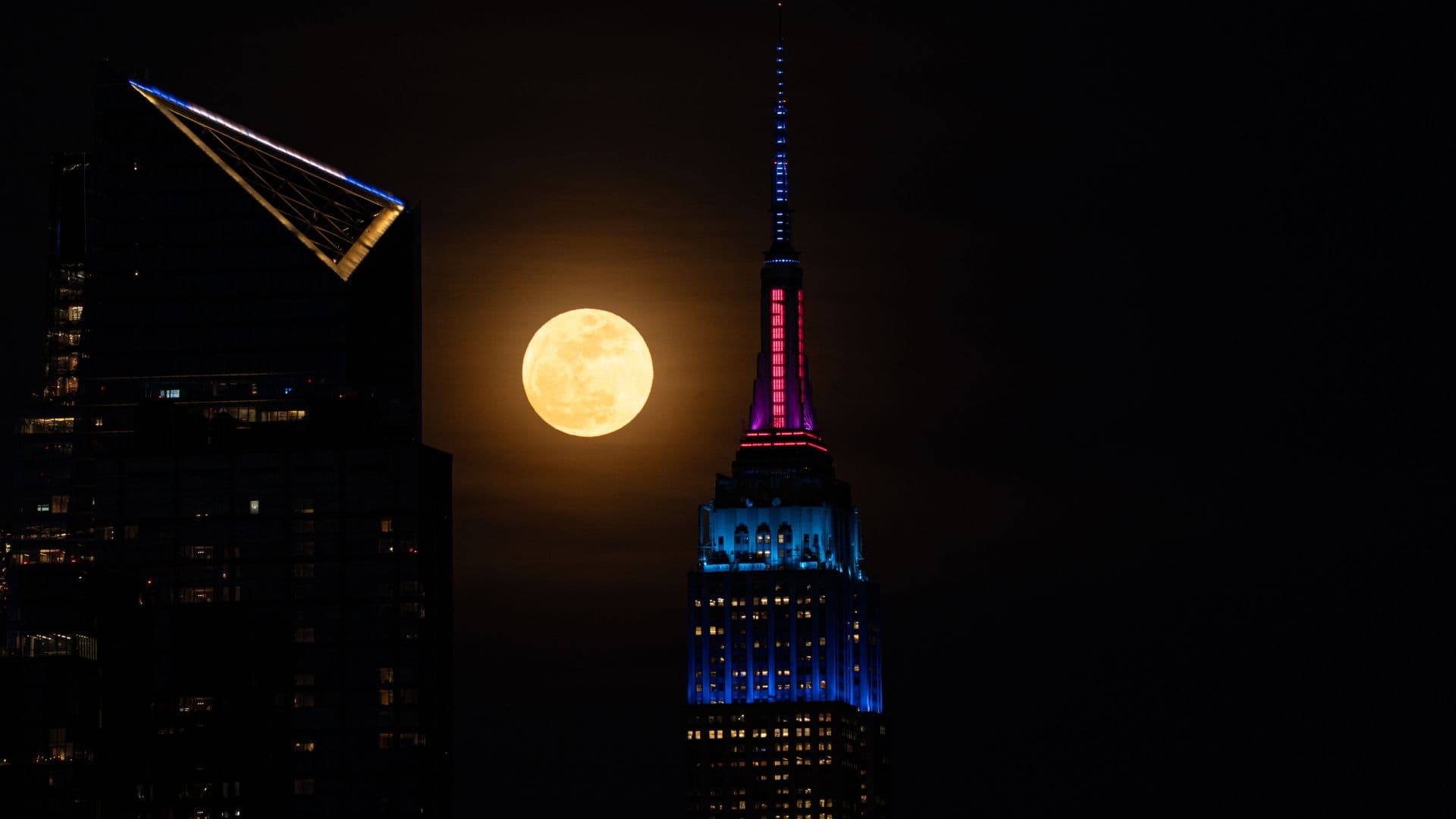
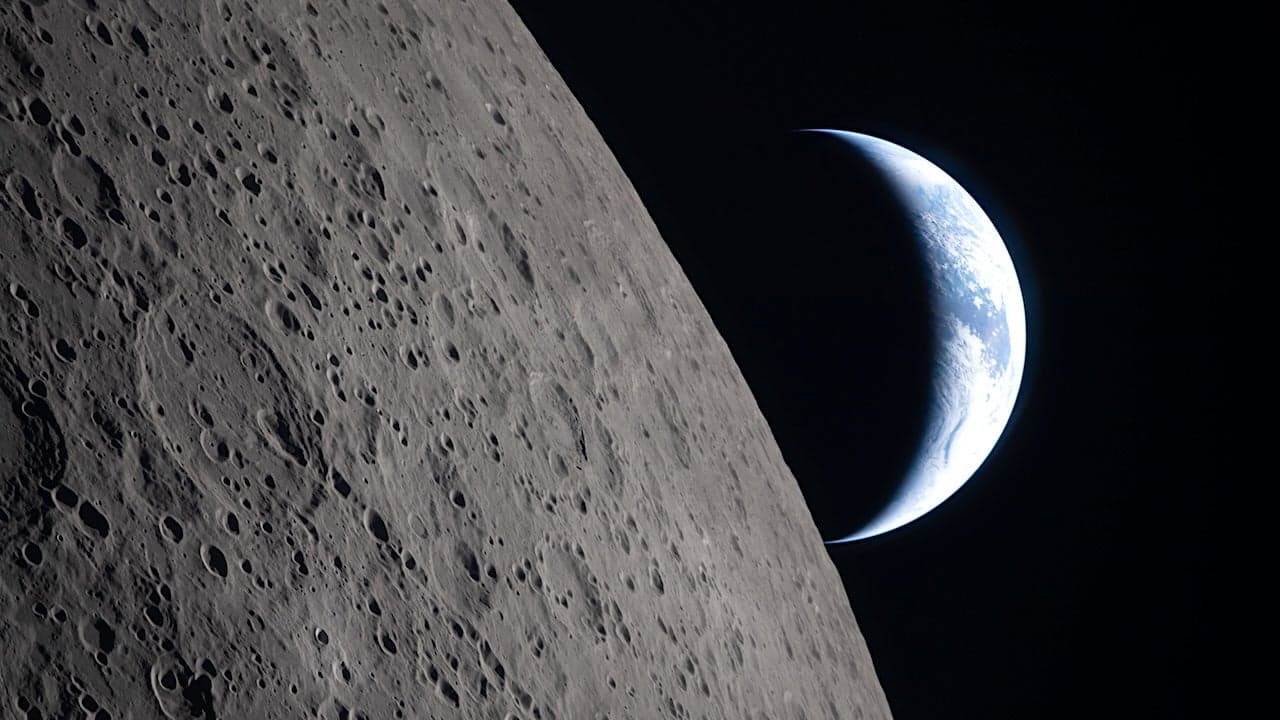
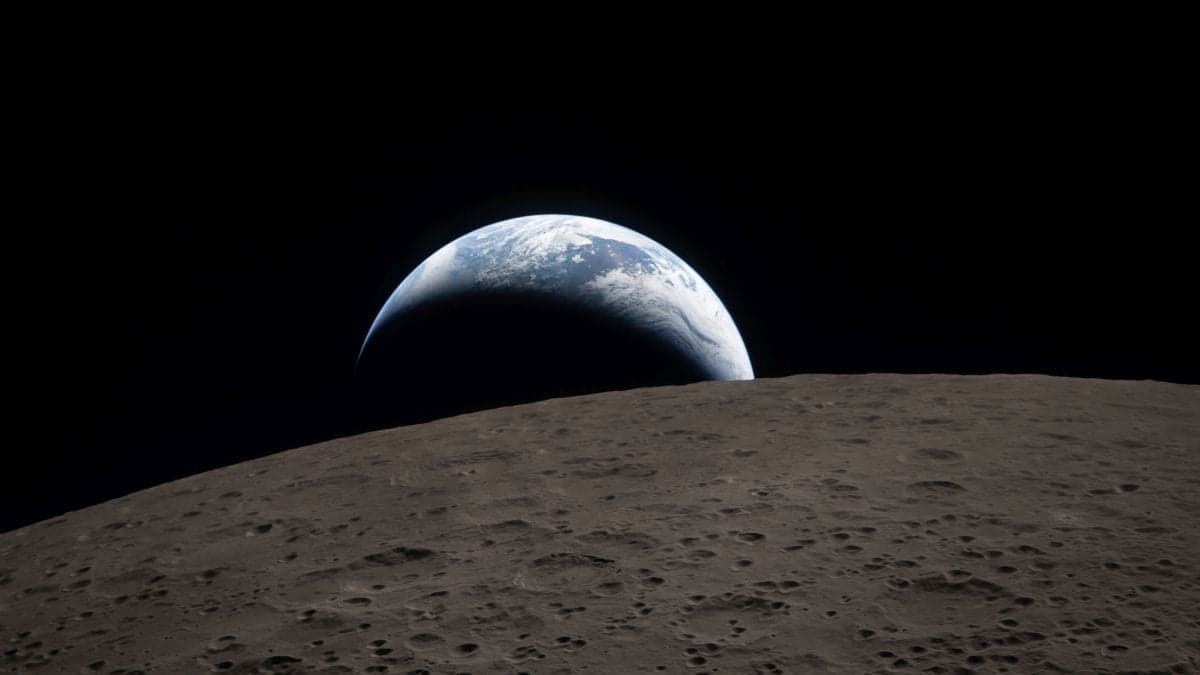
Gazing up at the night sky on April 10, stargazers will witness the full pink moon reaching its peak brilliance at 10:11 p.m. ET, marking one of spring’s most anticipated celestial events. Coincidentally, this luminous lunar milestone overlaps with the opening of NASA’s first launch window for Artemis II—the agency’s first crewed lunar flyby in more than half a century. Four astronauts are poised to embark on a daring journey around the moon and beyond its far side, reigniting humanity’s reach into deep space while paying homage to both scientific progress and cultural heritage.
- April’s full pink moon peaks April 10 at 10:11 p.m. ET, illuminating skies in the Northern and Southern Hemispheres.
- NASA’s Artemis II launch window opens April 1–6, with the first attempt possible during the full moon’s peak, linking lunar tradition and modern spaceflight.
- The ‘pink moon’ name originates from Phlox subulata, a spring wildflower, not the moon’s color, which remains its usual silvery-gray hue.
- Indigenous communities observe April’s full moon with names like Cherokee’s ‘kawohni’ (flower moon) and Hopi’s ‘kwiyamuyaw’ (moon of windbreak).
- April also features the Lyrid meteor shower peak on April 21–22 and a rare two-full-moon month in May, including a ‘blue moon’ on May 31.
Why the April Full Moon Is Called the Pink Moon
Despite its poetic title, April’s full moon will not appear pink, but rather its characteristic silvery-white glow. The name traces back to the early spring blooming of Phlox subulata—commonly known as moss pink—a wildflower native to eastern North America that typically flowers around the time of April’s full moon. This tradition was popularized by The Old Farmer’s Almanac and reflects the deep connection between colonial American settlers and seasonal natural cycles. Across centuries and cultures, full moons have served as calendrical markers, guiding planting, hunting, and ceremonial activities.
Cultural Significance of April’s Full Moon Across Indigenous Traditions
Long before European settlement, Indigenous communities across North America recognized the full moon of April with names that reflected their ecological and cosmological understanding. The Cherokee called it ‘kawohni,’ or flower moon, in honor of the season’s renewal. The Hopi referred to it as ‘kwiyamuyaw,’ or moon of windbreak, reflecting its timing during the year’s first warm winds. The Assiniboine named it ‘tabehatawi,’ or frog moon, a nod to the amphibians’ springtime chorus. These names underscore the moon’s role as a living calendar, synchronizing human activity with the rhythms of nature.
NASA’s Artemis II: A Historic Launch Window Aligns with the Pink Moon
The convergence of the pink moon and Artemis II’s launch window is more than celestial coincidence—it symbolizes the intersection of tradition and innovation. Artemis II, slated for early April, will carry four astronauts farther into deep space than any human mission since 1972, orbiting the moon and returning to Earth. The launch window spans April 1–6, with daily two-hour opportunities based on optimal lighting, orbital mechanics, and safety constraints. On April 10—the day of the full moon—the window opens 1.28 hours before sunset, offering a rare visual spectacle: as Earth’s satellite reaches peak illumination, humanity’s next giant leap may already be underway. This mission serves as a precursor to Artemis III, which aims to return astronauts to the lunar surface in 2026 or later.
Meet the Crew and Mission Objectives of Artemis II
Commanding Artemis II is Reid Wiseman, a veteran astronaut and former chief of the Astronaut Office. Joining him are pilot Victor Glover, the first Black astronaut to serve on a lunar mission, and mission specialists Christina Koch and Jeremy Hansen. Koch, a record-holding astronaut, previously spent 328 days in space; Hansen, from the Canadian Space Agency, is the first non-American to join a lunar mission. Together, they will test Orion spacecraft systems, including life support and communication, during a 10-day journey that will take them 6,400 miles beyond the far side of the moon—farther than any human has traveled before.
Viewing Tips: How to Best Observe the April Full Pink Moon
To fully appreciate the full pink moon, NASA planetary geologist Noah Petro recommends seeking out dark skies free from light pollution. ‘Find a spot with an unobstructed view where trees and buildings don’t block your horizon,’ Petro advises. Full moons are visible globally and remain in their full phase for up to 12 hours before and after peak illumination, meaning Tuesday and Thursday evenings also offer excellent viewing opportunities. While the moon’s color won’t be pink, atmospheric conditions—such as low clouds or dust—can sometimes create a warm, golden hue during moonrise or moonset. For the best experience, Petro suggests stepping outside an hour before or after the peak at 10:11 p.m. ET on April 10.
‘When you look at this full moon, the crew may be on their way. They may have just launched.’ — Noah Petro, chief of NASA’s planetary geology, geophysics and geochemistry laboratory and Artemis mission scientist
April’s Stargazing Calendar: Lyrids and Two Full Moons in May
April doesn’t just offer the full moon—it’s also a prime month for meteor showers. The Lyrids, one of the oldest known meteor showers, peak between April 21 and 22, producing 10 to 20 meteors per hour. Originating from debris left behind by Comet Thatcher, these meteors are best observed after moonset and before dawn, when interference from moonlight is minimal. For optimal viewing, find a dark sky location away from urban light pollution. Following the Lyrids, the Eta Aquariids will peak on May 5–6, though their visibility may be reduced by a waning gibbous moon.
What Is a Blue Moon and Why Will May Have Two Full Moons?
May 2024 will feature a rare astronomical event: two full moons within the same calendar month. The first occurs on May 1, followed by a second on May 31. While the term ‘blue moon’ often refers to the second full moon in a month, it has no relation to the moon’s actual color. Such occurrences happen approximately every 30 months on average, making them a highlight for skywatchers and a reminder of the moon’s 29.5-day cycle. The May 31 full moon will be the third largest of 2024, offering a slightly brighter appearance due to its proximity to Earth.
The Bigger Picture: Why Artemis II Matters Beyond the Launch
Artemis II represents more than a technical milestone—it’s a cultural reset for human spaceflight. After the Apollo era ended in 1972, no humans have ventured beyond low Earth orbit. Artemis II will change that, paving the way for Artemis III’s lunar landing and eventually, missions to Mars. The program also emphasizes international collaboration, with Canada, Japan, and Europe contributing critical components like the Orion service module and lunar lander systems. By returning to the moon, NASA aims to establish a sustainable presence, test new technologies, and inspire the next generation of explorers—all while honoring the legacy of Apollo and forging a new chapter in cosmic exploration.
How Lunar Phases and Space Missions Connect
The alignment of the full moon and Artemis II isn’t just poetic; it reflects the practical realities of spaceflight. Lunar illumination plays a role in launch visibility, thermal management, and even public engagement. Petro highlights how lunar cycles influence mission planning: ‘The full moon provides a bright backdrop that can be seen from Earth during key moments, enhancing the drama and wonder of space exploration.’ This synergy between natural cycles and human ambition underscores how astronomy and aerospace engineering often operate in concert, with the sky serving as both a stage and a guide.
Frequently Asked Questions
- Will the April full moon actually look pink?
- No. The moon’s name refers to the spring bloom of Phlox subulata, a wildflower. The moon itself will appear in its usual silvery-gray hue.
- What is Artemis II and who is on the crew?
- Artemis II is NASA’s first crewed lunar flyby mission in over 50 years. The crew includes Commander Reid Wiseman, Pilot Victor Glover, Mission Specialist Christina Koch, and Mission Specialist Jeremy Hansen from Canada.
- When is the best time to see the Lyrid meteor shower?
- The Lyrids peak on April 21–22. Viewing is best after moonset and before dawn, away from city lights, with 10 to 20 meteors visible per hour under ideal conditions.