At 220,000 miles from Earth—the farthest any humans have traveled since Apollo 17 in 1972—the four Artemis II astronauts marked Easter Sunday with a celestial egg hunt, heartfelt messages, and a rare glimpse at the moon’s far side. Commander Reid Wiseman, Pilot Victor Glover, Mission Specialist Christina Koch, and Canadian astronaut Jeremy Hansen spent the holiday testing life-support systems, donning pressure suits, and even hiding dehydrated scrambled eggs aboard the Orion spacecraft. Their work is part of a meticulously planned 10-day journey to validate systems for future lunar landings, including NASA’s goal of returning astronauts to the moon’s surface by 2026.
Astronauts Mark Easter 220,000 Miles from Home
The Artemis II crew awoke Sunday to CeeLo Green’s "Working Class Heroes" and a recorded greeting from Apollo 16 astronaut Charlie Duke, who landed on the moon in 1972. Duke’s message—a blend of pride and prayer—underscored the mission’s significance: 'I pray it reminds you that we in America and all of the world are cheering you on.' The astronauts then turned to their holiday traditions, with Koch sharing that she and her family typically hide confetti eggs in their Houston backyard. 'This time of year is something that many religions and many cultures hold dear,' Koch told mission control, noting the crew had hidden dehydrated scrambled egg 'astronaut eggs' around the Orion capsule.
Honoring Traditions While Forging New Frontiers
Koch’s reflection highlighted the duality of the mission: a blend of human warmth and cutting-edge exploration. 'If I was on the Earth right now, I would be with my family in Houston and we would be hiding confetti eggs in the backyard and watching two very sweet little girls go try to find them,' she said. The crew then presented 'astronaut wings' to Hansen, who became the first Canadian to fly to the moon, marking his maiden spaceflight. Hansen’s inclusion underscores NASA’s international partnerships, with Canada contributing the Canadarm3 robotic system for the upcoming Gateway lunar outpost.
Historic Lunar Flyby Prepares for Monday’s Close Encounter
Early Monday, Artemis II entered the moon’s sphere of influence, meaning lunar gravity began pulling the spacecraft more than Earth’s—a critical milestone for the mission’s trajectory. At 1:56 p.m. EDT Monday, the crew will reach 248,655 miles from Earth, surpassing Apollo 13’s 1970 record for the farthest humans have traveled from home. Three minutes later, they’ll set an even more distant record of 252,760 miles as they pass within 4,070 miles of the lunar surface. The flyby will take Orion behind the moon for 40 minutes starting at 6:47 p.m., cutting off communications with Earth—a maneuver last performed during Apollo 13, but this time with real-time science observations.
Science and Systems Take Center Stage During Mission
The Artemis II mission is primarily a test flight, designed to validate Orion’s systems for future crewed lunar landings. On Sunday, the astronauts focused on testing their bright orange pressure suits, which are engineered to keep them alive for up to six days if Orion loses cabin pressure. Wiseman, Glover, Koch, and Hansen practiced donning the suits in the capsule’s cramped quarters, pressurizing them, and assessing mobility while seated. 'We’re going to get in and out of our seats, assess our ability to move around, and practice eating and drinking using the dispensers in the suit’s helmet,' Wiseman said. The suits, developed by Collins Aerospace, are a critical safety feature for NASA’s Artemis program, which aims to establish a sustainable human presence on the moon.
Toilet Troubles and Life-Support Systems
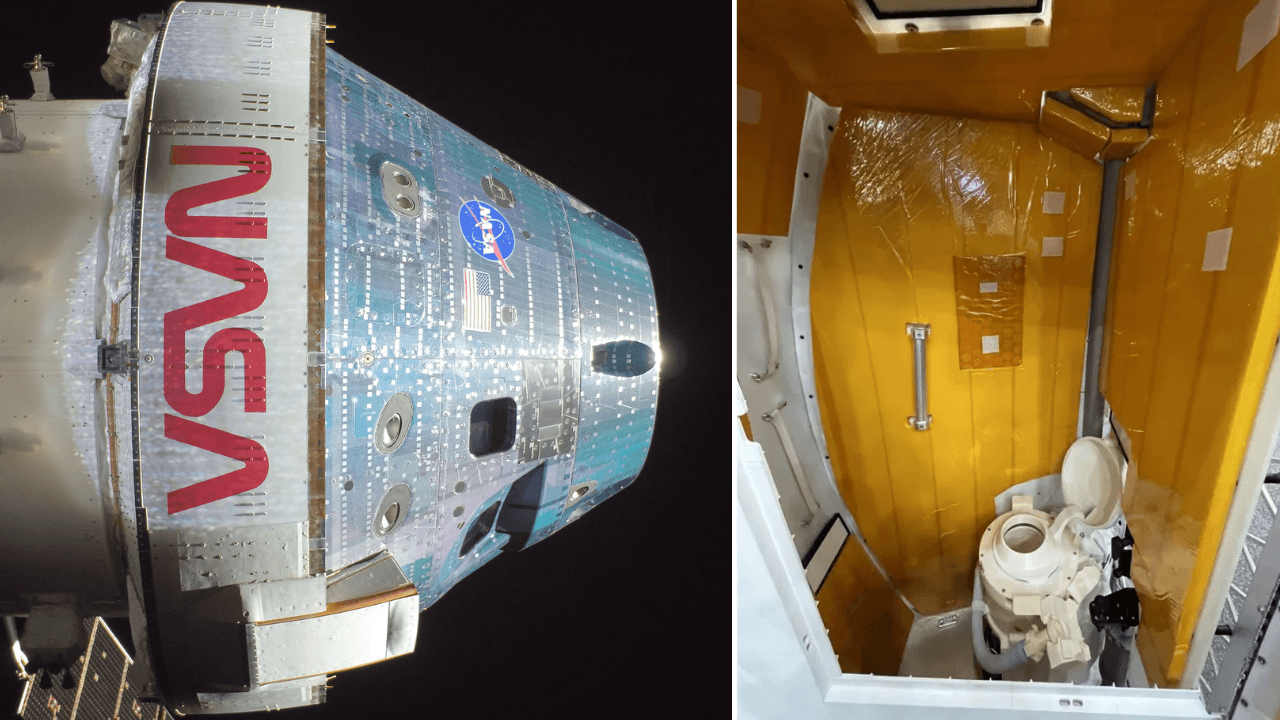
Before bed Saturday, the crew received good news: engineers had restored Orion’s toilet to normal operation after earlier issues forced the astronauts to use 'contingency collapsible urinals' (CCUs). These plastic containers, which can be vented to space, are designed for short-term use. Each crew member has two CCUs stowed aboard. The toilet, formally called the Universal Waste Management System, is a modified version of the one used on the International Space Station (ISS) but optimized for the Orion spacecraft’s limited space. 'At this time you are go for all types of uses of the toilet,' mission control radioed. 'And the crew rejoices!' Koch responded.
Moon’s Surface Reveals Unprecedented Detail to Astronauts
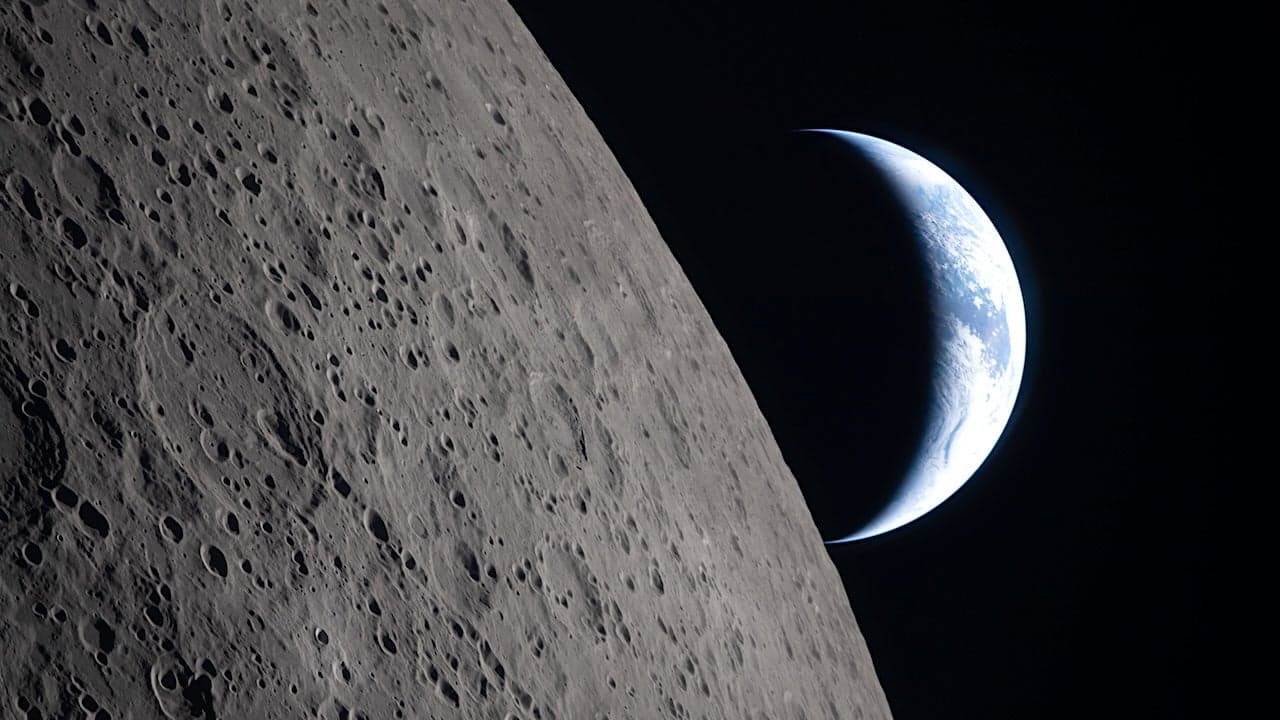
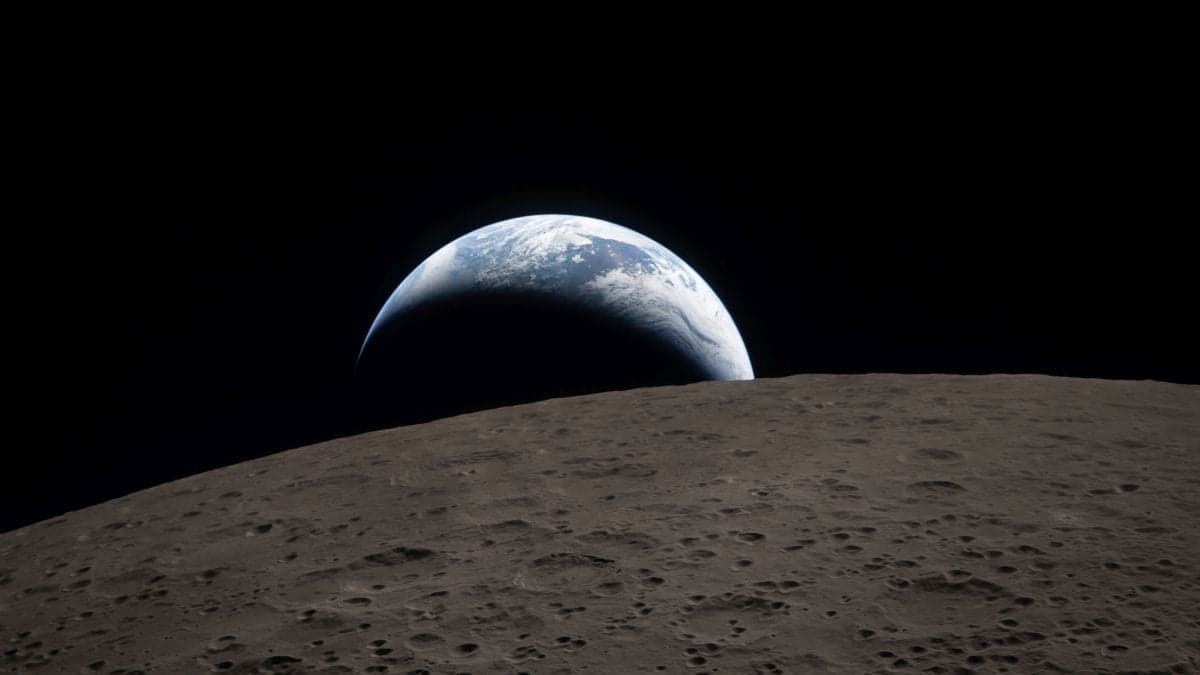
As the crew transitioned from tracking their increasing distance from Earth to their decreasing distance to the moon, they marveled at the lunar landscape. Koch described the view as 'absolutely unbelievable,' noting that even 75,000 miles from the target, 'you can easily discern topography and subtle differences in brightness.' Glover, who initially thought he was seeing Mare Orientale—a massive impact basin—was corrected by mission control to Mare Imbrium, or the 'Sea of Rain.' With a diameter of 710 miles, Imbrium is one of the moon’s largest maria, formed by a cataclysmic impact billions of years ago. 'I’m not one for hyperbole, but it’s the only thing I could come up with,' Wiseman said, pointing to features like the Tycho crater and Copernicus basin. 'This is incredible.'
Human Eyes and Lunar Science
NASA’s Artemis team emphasizes the unique value of human observations. Kelsey Young, a lunar scientist with the Artemis program, noted that while decades of orbital data have provided detailed maps, 'the human eye, especially when connected to a well-trained brain—which I assure you these four people have—can make nuanced color observations in the blink of an eye' that orbital cameras might miss. During Monday’s flyby, the crew will capture high-resolution images and videos of the moon’s far side, including a solar eclipse as the moon passes between Orion and the sun. These observations will help refine landing sites for future Artemis missions, including Artemis III, which aims to land the first woman and person of color on the lunar surface.
Key Takeaways: Why Artemis II Matters
- Artemis II is the first crewed mission to the moon since 1972, testing Orion’s systems for future lunar landings.
- The crew celebrated Easter 220,000 miles from Earth, highlighting the human side of deep-space exploration.
- Monday’s lunar flyby will set new distance records and include 40 minutes of lost communications as Orion passes behind the moon.
- Pressure suits and life-support systems are being rigorously tested, including fixes to Orion’s toilet after initial malfunctions.
- Human observations of the moon’s surface will provide unprecedented scientific data to support Artemis III’s landing.
A Legacy of Exploration: From Apollo to Artemis
The Artemis program is often described as Apollo’s successor, but its goals are far broader. While Apollo 11 through 17 focused on short-duration landings, Artemis aims to establish a sustainable presence on the moon, including the Lunar Gateway—a small space station orbiting the moon—and eventual missions to Mars. Charlie Duke’s Easter message was a poignant reminder of this legacy. 'John Young and I landed on the moon in 1972 in a lunar module we named Orion,' he said, referencing the Apollo 16 crew’s namesake for their lander. 'I’m glad to see a different kind of Orion helping return humans to the moon.' NASA’s current Orion spacecraft, developed with Lockheed Martin, is designed to carry four astronauts for up to 21 days and dock with the Gateway station.
What’s Next for Artemis II?
After Monday’s flyby, Artemis II will continue testing Orion’s systems, including a critical engine burn to return the spacecraft to Earth. The mission is scheduled to splash down in the Pacific Ocean on October 14, 2025, after a 10-day journey. If successful, it will pave the way for Artemis III, which aims to land astronauts near the lunar south pole in 2026—a region rich in water ice that could support future human settlements. The program’s broader goals include leveraging lunar resources for sustainable exploration and serving as a stepping stone for crewed missions to Mars.
Frequently Asked Questions
Frequently Asked Questions
- How far will Artemis II travel from Earth?
- Artemis II will reach a maximum distance of 252,760 miles from Earth on Monday, surpassing Apollo 13’s 1970 record of 248,655 miles. This distance is nearly 1,000 times farther than the International Space Station orbits.
- What is the purpose of the Artemis II mission?
- Artemis II is a test flight to validate Orion’s systems for future lunar landings. The crew will test life-support, pressure suits, and navigation techniques, including a flyby of the moon’s far side that will cut communications with Earth for 40 minutes.
- Has the Orion spacecraft’s toilet been fixed?
- Yes. Engineers restored Orion’s toilet to normal operation after earlier issues forced the crew to use contingency urinals. The toilet, a modified version of the ISS system, is now fully functional for the remainder of the mission.